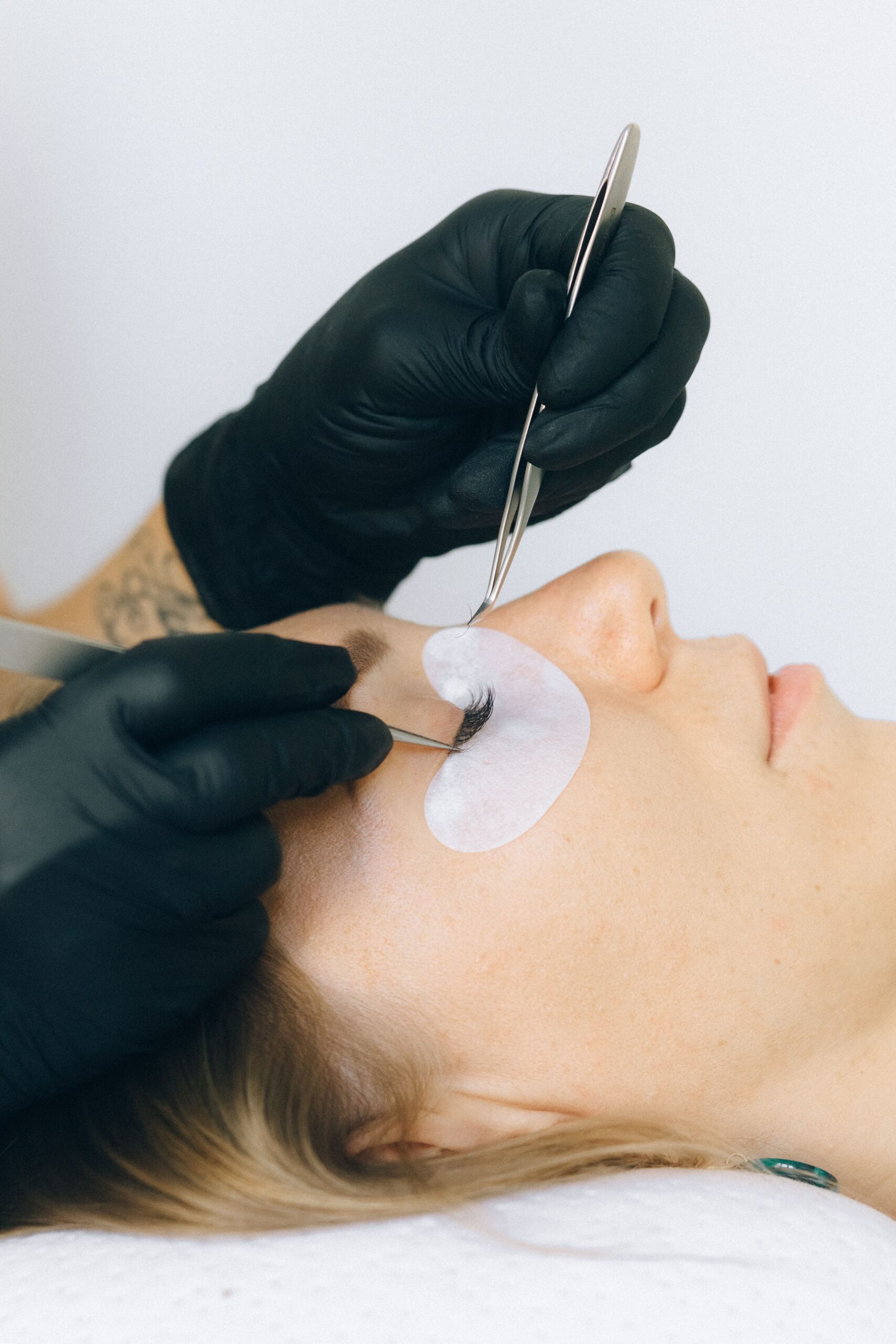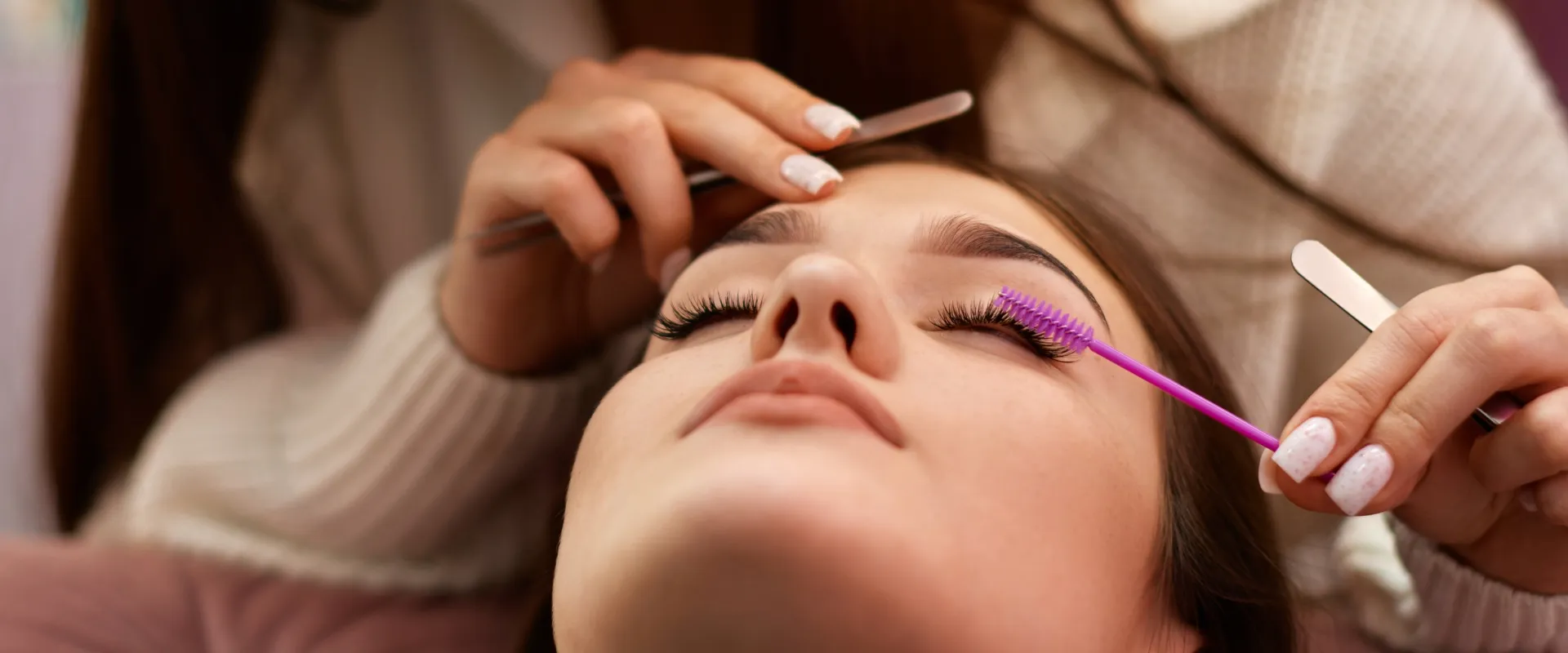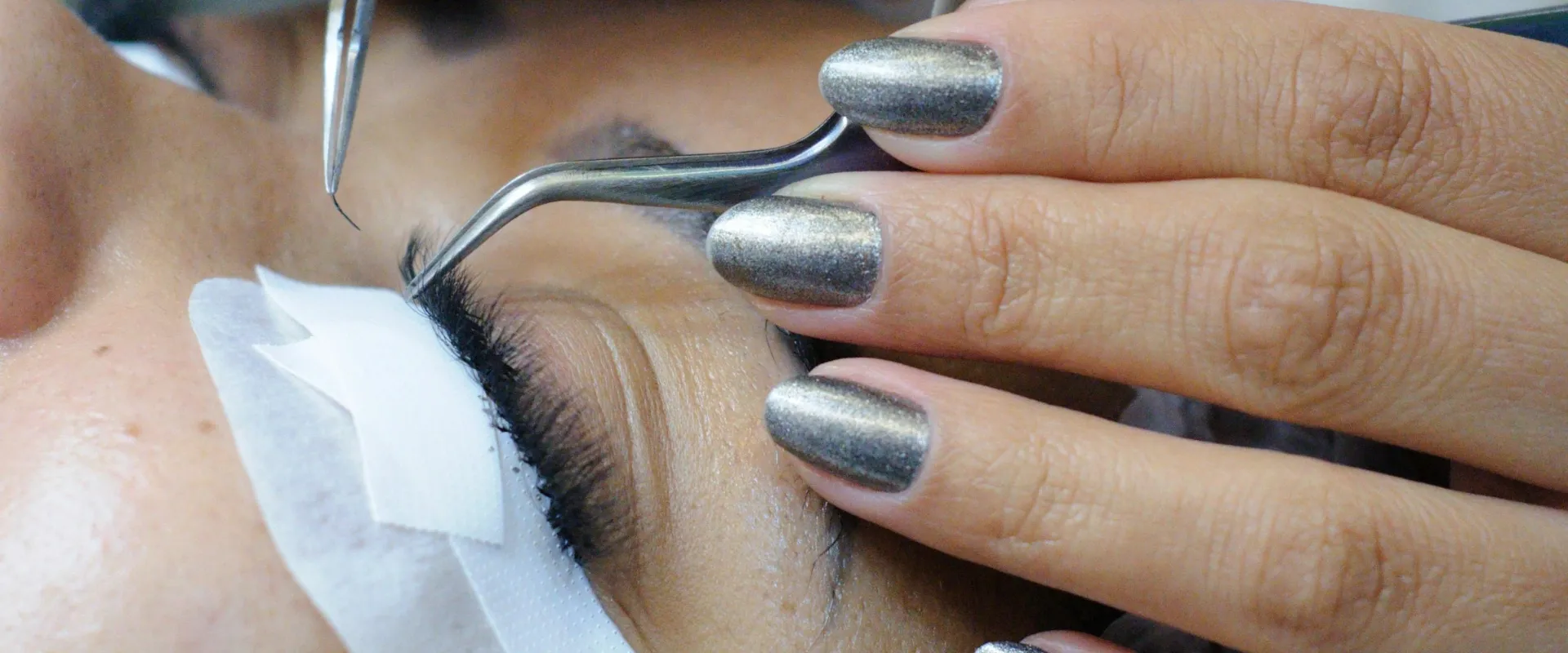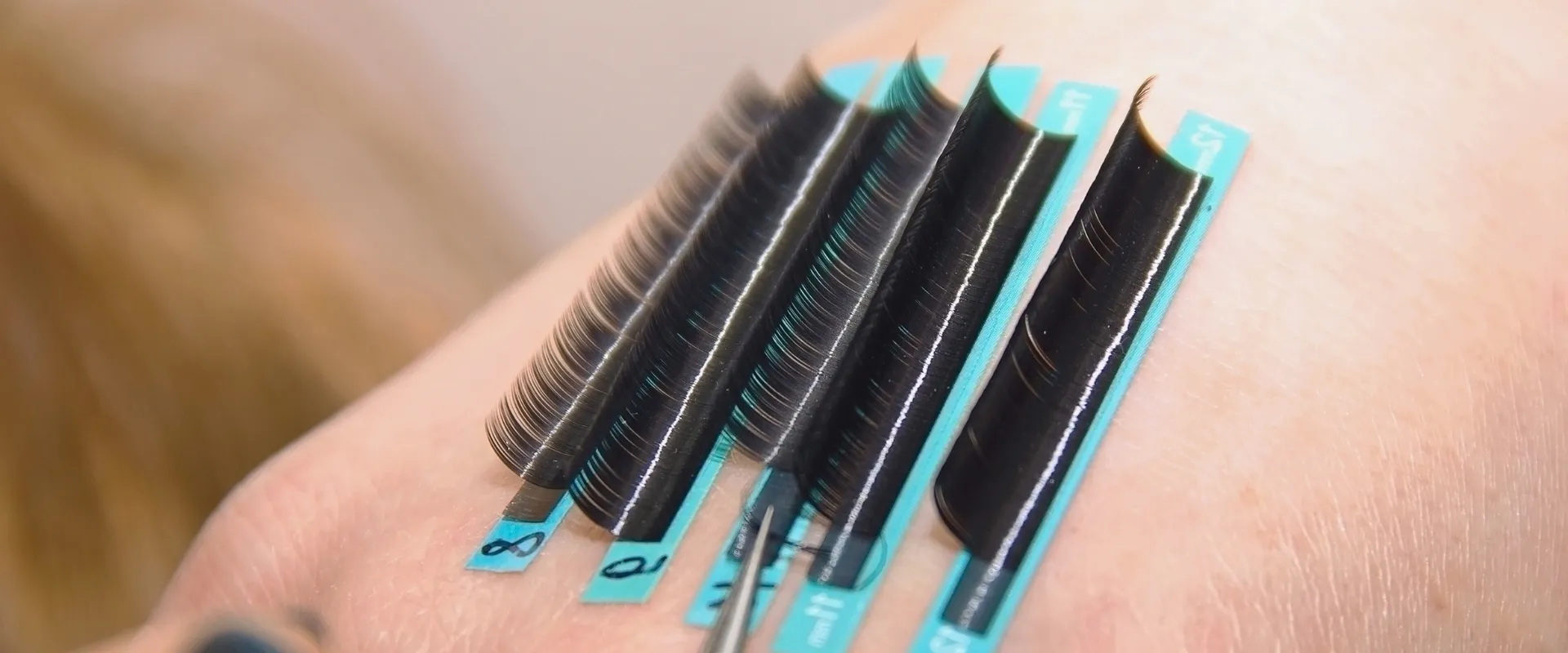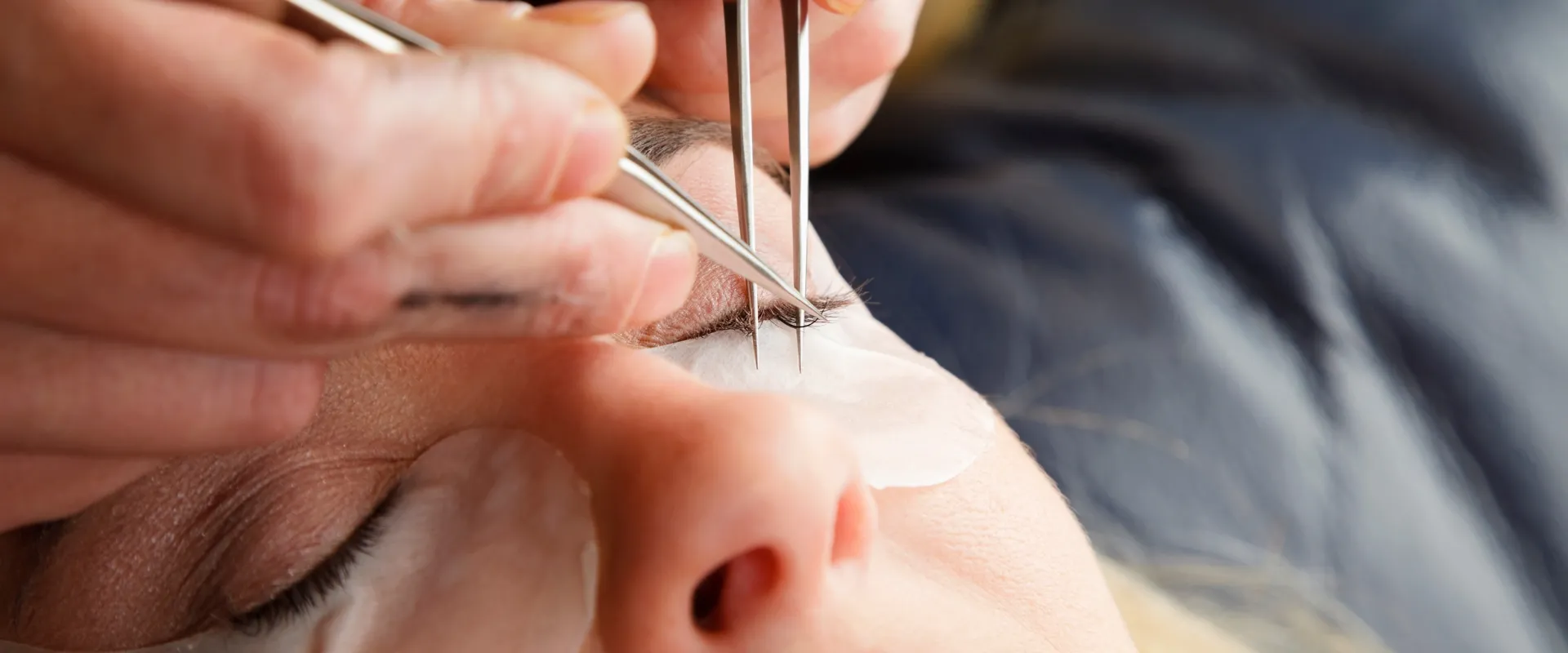


Most lash glue labels talk about shelf life, but the salon opens the bottle on day one and keeps using it for weeks. For an anhydrous cyanoacrylate adhesive, the opened bottle is a different product from the sealed one: moisture, air, dust, and repeated opening change how it cures. A generic cosmetic period-after-opening rule does not answer the question well because lash glue is not a water-based cream. This article explains how to set an opened-use guide for your private-label glue without pretending to a lab result you do not have.
Shelf life, PAO, and opened use are not the same
Shelf life usually describes a sealed, unopened unit stored under stated conditions. Period after opening, often shortened to PAO, describes how long the product is expected to remain stable and safe after the container is first opened. Opened use is the practical version your salon actually experiences: the bottle is opened, closed, reopened, left on a trolley, and used on multiple clients.
These are related but not interchangeable. A product can have a long sealed shelf life and a short opened life. A product can also have a short sealed shelf life but behave well for a few weeks after opening if the packaging protects it. The label has to tell the salon which clock it is reading. If the label only says “store in a cool, dry place,” the salon has no way to know whether an opened bottle from last season is still usable.
Regulators treat these dates differently. In the United States, FDA says there are no federal laws or regulations that require cosmetics to carry specific shelf lives or expiration dates. In the European Union, the PAO symbol is used for products whose minimum durability is more than 30 months, with the period expressed in months inside an open-jar symbol. Neither framework gives you a ready-made number for lash adhesive. You have to build a defensible answer for your formula and package.
Why lash glue does not fit the water-based PAO model
Many cosmetic PAO discussions assume a water-containing emulsion or cream, where the main risks are microbial growth and emulsion stability. Lash extension adhesive is usually an anhydrous cyanoacrylate system. Water is not an ingredient; moisture from the air is part of the cure mechanism. That changes the failure mode.
An opened cyanoacrylate bottle does not usually spoil in the way a cream spoils. It thickens, skins over, or starts to cure inside the nozzle. The drop becomes stringy. The bottle may still look fine while the product no longer behaves the way the technician expects. A microbial test designed for a water-based cosmetic will not tell you whether the glue still drops and sets correctly.
That does not mean microbiology is irrelevant to every lash product. A water-based strip glue, a primer, or a bonder may have a different risk profile. The point is to match the test to the formula. Do not copy a PAO rule from a cream or a mascara and apply it to an anhydrous adhesive without checking what actually changes.
What changes in an opened bottle
The first change is exposure. Every time the cap comes off, the surface of the adhesive meets air. Moisture begins to react with the cyanoacrylate at the tip and along the bottle wall. The nozzle or brush picks up residue, and the cap carries dust back into the bottle. Over time, the drop becomes less uniform.
The second change is the drop itself. A fresh bottle forms a controlled drop. An older bottle may form a thicker drop, a string, or a skin on the surface. The technician compensates by changing the dip or the working pace, which can hide the problem until retention drops. The article on чаро ширеше гафс мешавад explains the chemistry behind that drift.
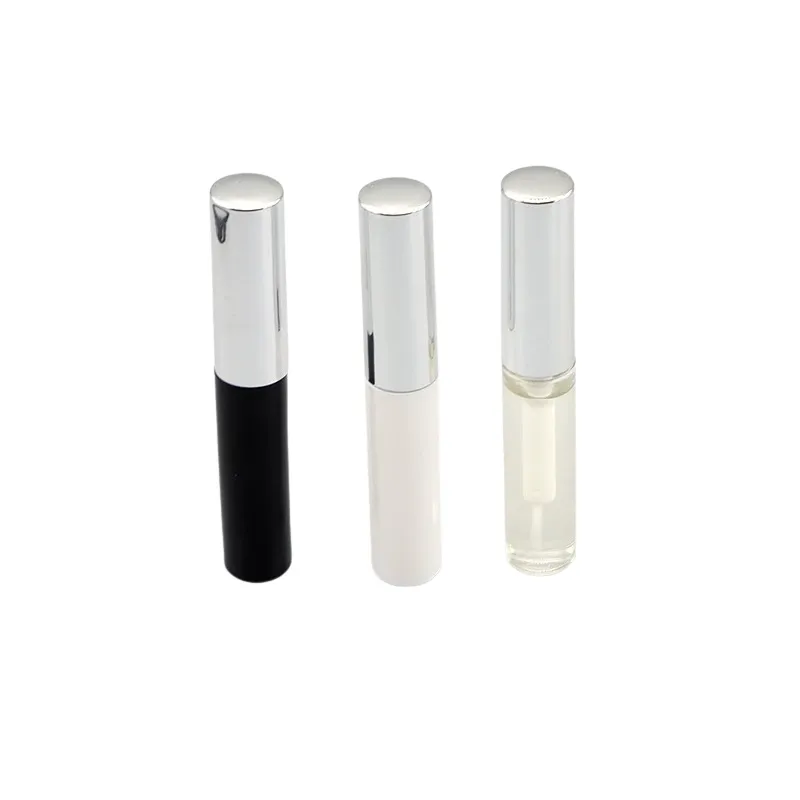
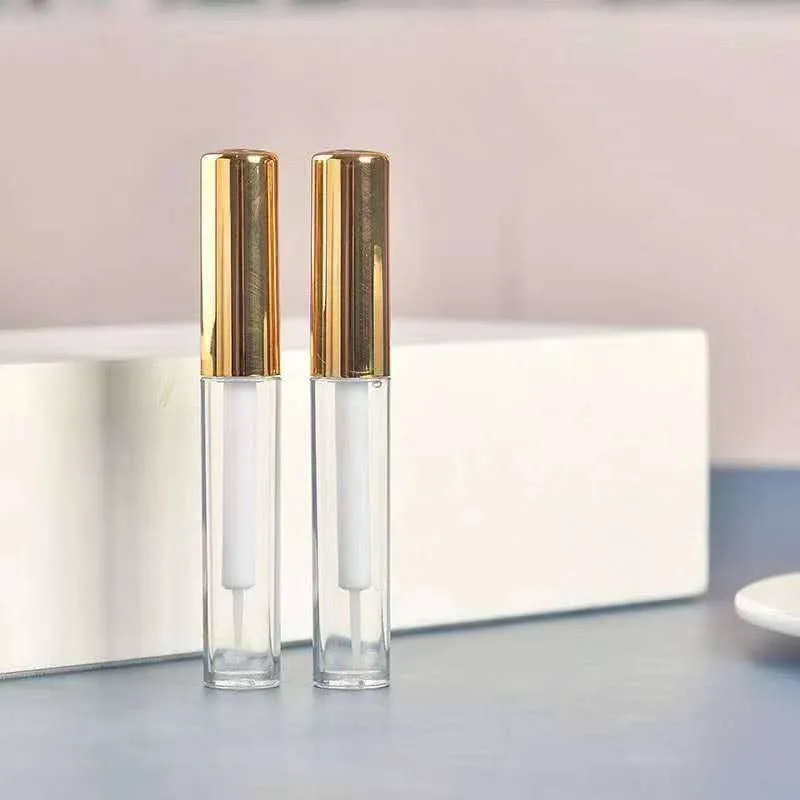
The third change is the package. A brush cap exposes more surface area than a fine nozzle. A wide-mouth bottle lets more air in. A bottle that is stored on its side can wick adhesive into the cap. The same formula can have a different opened life in two different packages. That is why a packaging change is also an opened-use change.
The fourth change is the environment. A salon that keeps the bottle near a steamy sink, a hot window, or an air conditioner sees a different result from a salon that stores it in a closed drawer. The article on lash glue storage covers the conditions that belong on the label and in the salon guide.
A small salon trial you can run without a lab
You do not need a stability chamber to learn how your glue behaves after opening. You need a controlled comparison and a written record. Run the trial with a small number of technicians who use the product the same way your customers do.
- Start with sealed bottles from the same lot. Label each bottle with the date it was opened and the technician who opened it.
- Use one bottle as a reference. Keep it sealed until the trial begins, then test it on the same day as the opened bottles so the comparison is fair.
- Record the drop at set intervals. At the start, then at fixed points during the trial, note how the drop forms, how quickly it tacks, whether it strings, and whether the surface skins over. Use the same room and the same timing method each time.
- Record the application experience. Ask the technician whether the glue felt slower, faster, thicker, or harder to control. A simple scale is enough if everyone uses it the same way.
- Record failures. Note slipped lashes, poor retention, nozzle clogging, or a bottle that had to be replaced. A failure at the end of the trial is data, not a reason to stop recording.
- Stop at the first clear change. You are looking for the point where the product no longer behaves like the reference, not for the point where it becomes unusable.
Run the trial in the package you actually sell. If you sell a nozzle bottle and a brush cap, run both. If you sell a 5 ml and a 10 ml, run both. The opened life is a property of the formula and the package together.
What to print and what to tell salons
Print only what you can support. If the trial shows a clear change after a certain number of weeks, use that as the basis for a conservative guidance range. If you have no trial data yet, print a storage instruction and a “use within the period your salon can verify” message rather than inventing a number. A vague date is better than a false precision.
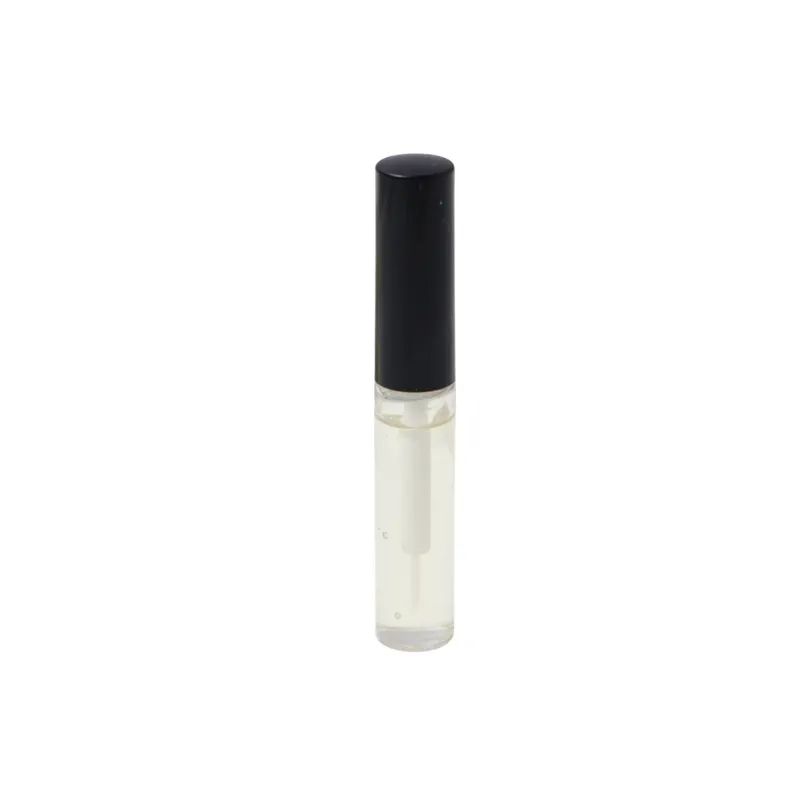
Give salons a short opened-use card with the product name, the lot code, the date opened, the storage conditions, and the signs that mean “replace the bottle”: stringing, a thickened drop, a skin on the surface, a clogged nozzle that returns after cleaning, or a change in cure speed. Ask them to write the open date on the bottle. That single habit turns an opened-use policy into something the salon can actually follow.
If you sell through distributors, put the same card in the carton and on the product page. Do not let the distributor invent a different answer. The article on sizing an order against shelf life explains how opened use affects the quantity a salon should keep on hand.
When to pull a lot from the shelf
An opened bottle is not the only clock. If several salons report the same change in the same lot, stop selling that lot and compare it with your retain sample. If the change appears only in bottles that have been open for a long time, the issue may be the opened-use guidance, not the lot. If the change appears in sealed bottles too, treat it as a batch issue and follow your complaint and traceability process.
Keep the opened bottles from the trial. They are your evidence. Photograph the drop, record the date, and store the bottle with the cap tight. If a salon later complains, you can compare the complaint with the trial record instead of arguing from memory.
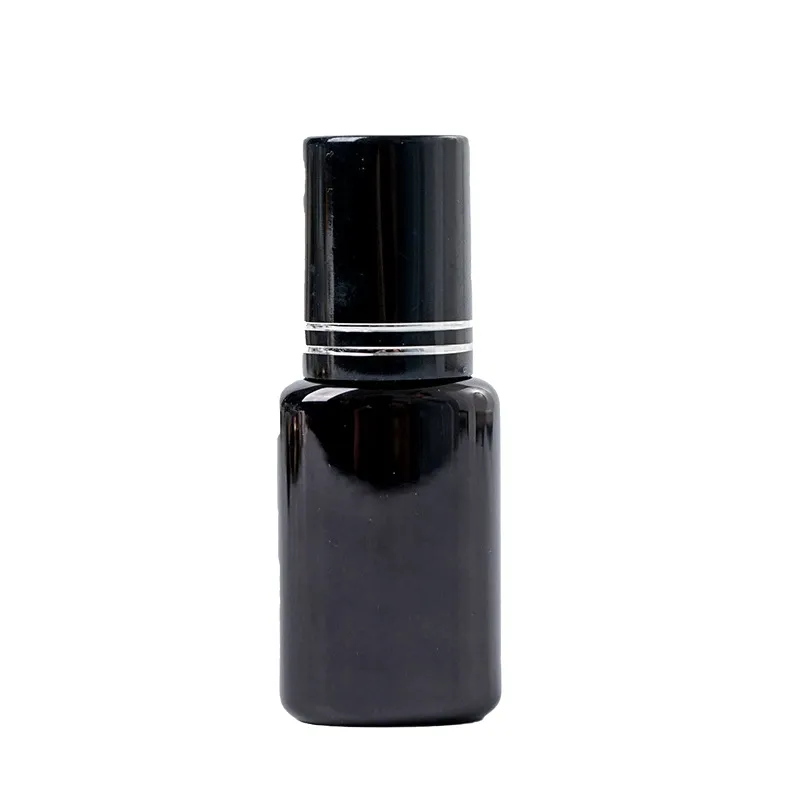
What to Ask the Factory Before You Print a Period
The factory may not have a formal opened-use study for your exact package, but it should know how the formula behaves and what the packaging can support. Ask for the sealed shelf-life data, the storage conditions behind it, and the package compatibility work. Ask whether the formula is anhydrous, whether the bottle and liner are approved for cyanoacrylate, and whether the cap design has been tested for repeated opening and closing.
Ask what the factory has seen in the field. A production team that fills lash glue every week usually knows which package formats clog, which caps let air in, and which formulas skin over faster. That experience is not a substitute for a trial, but it can tell you where to look. Ask for it in writing so the answer does not disappear when the salesperson changes.
Ask who owns the opened-use recommendation. If the factory provides a number, ask what it is based on: a stability study, a package test, or a general practice. If the factory cannot support a number, do not let its name on the certificate become your evidence. You can still run your own trial and print a conservative guidance range, but the record should show that the decision was yours and that it was based on observed performance.
Finally, ask how the factory will handle a change. If the bottle, cap, liner, or formula changes, the opened-use guidance may change too. Put a notification clause in the quality agreement and ask for a new trial whenever the package changes. The article on sizing an order against shelf life is a useful companion because opened use and order size pull in opposite directions: a longer opened life supports larger stocks, while a shorter one argues for smaller, more frequent orders.
Set the Opened-Use Rule Before the Next Salon Order
An opened-use rule is not a marketing line. It is a use instruction that tells a salon when the bottle it bought from you is still behaving like the product you sold. Run a small trial, write down what changes, print only what you can support, and give salons a simple way to record the open date. That is how you turn a vague “use it while it works” into a policy your brand can defend.
For the PAO labeling framework used in the EU, see the Cosmetics Europe labelling guidelines. For the US position on shelf life and expiration dates, check FDA’s cosmetics labeling guidance and confirm how it applies to your finished product.