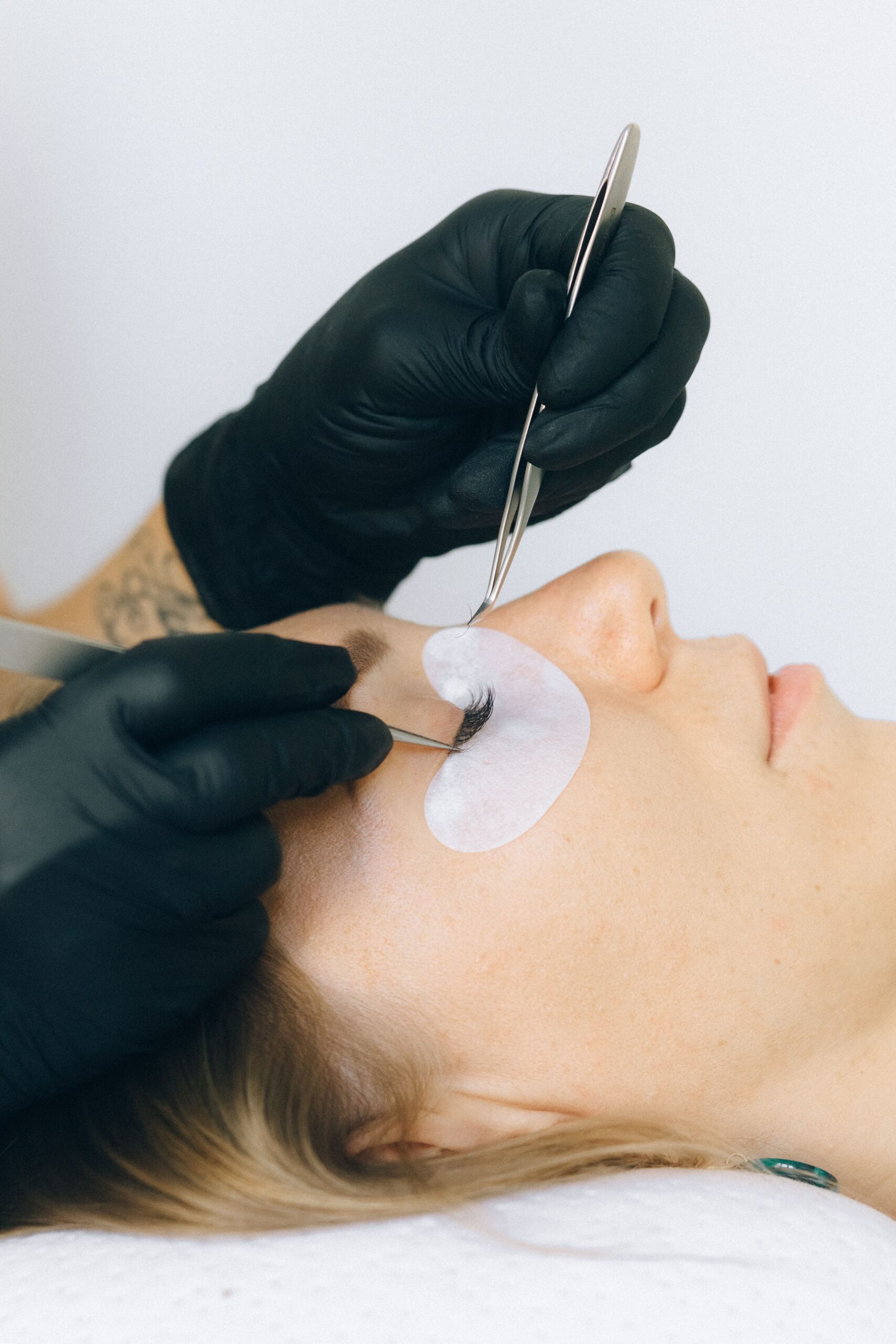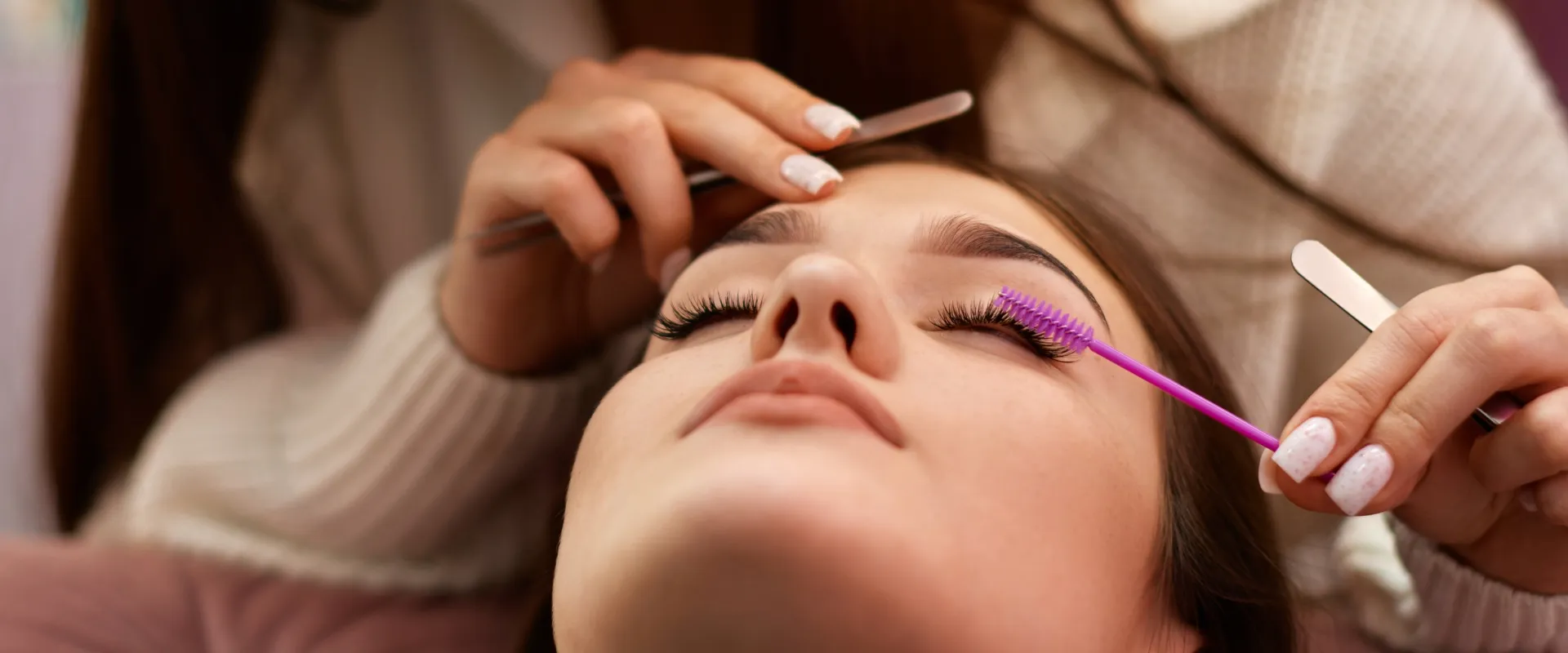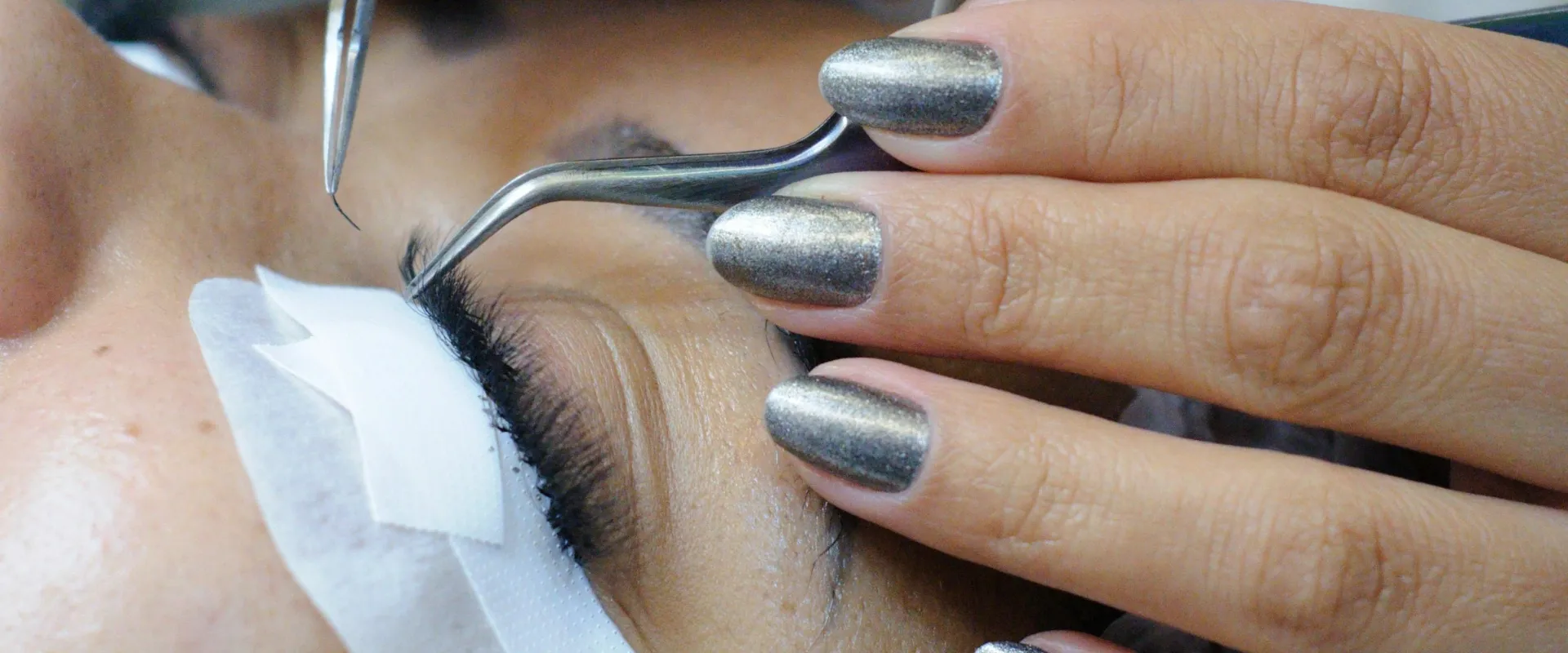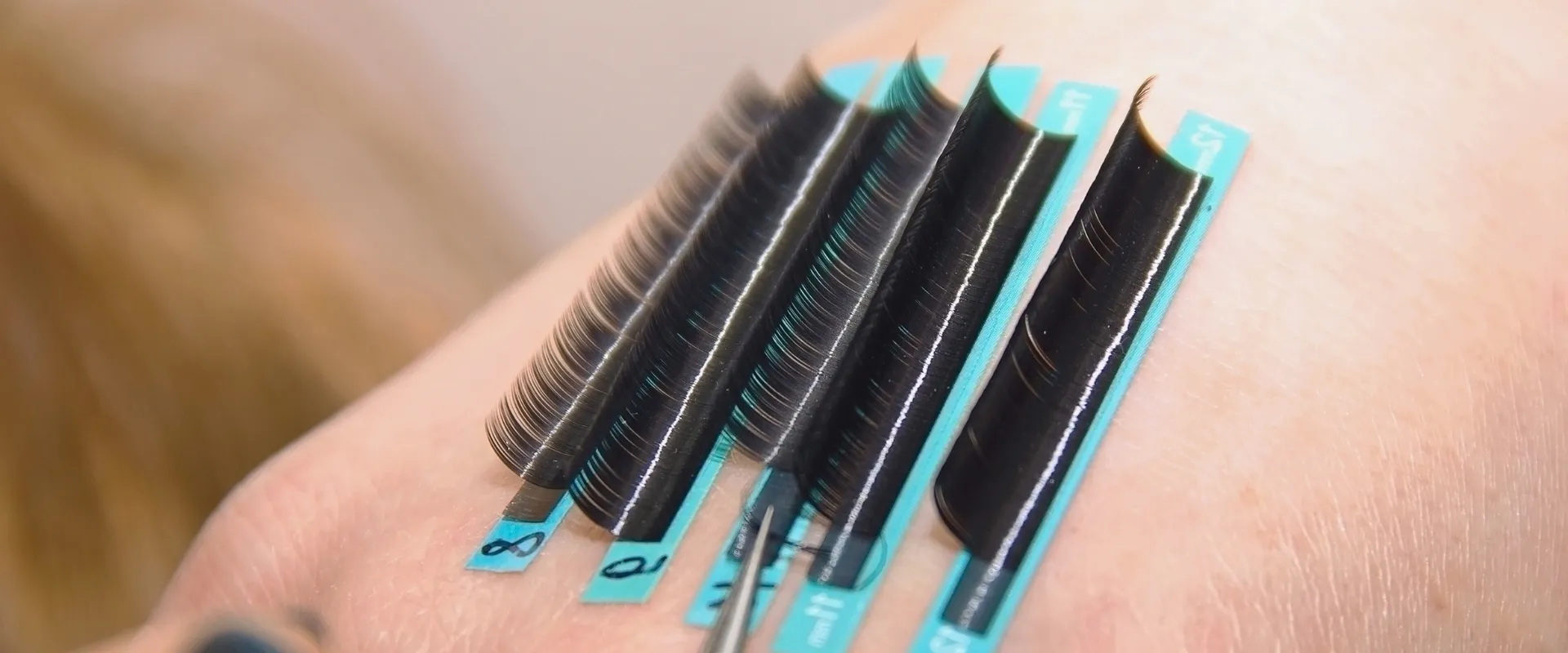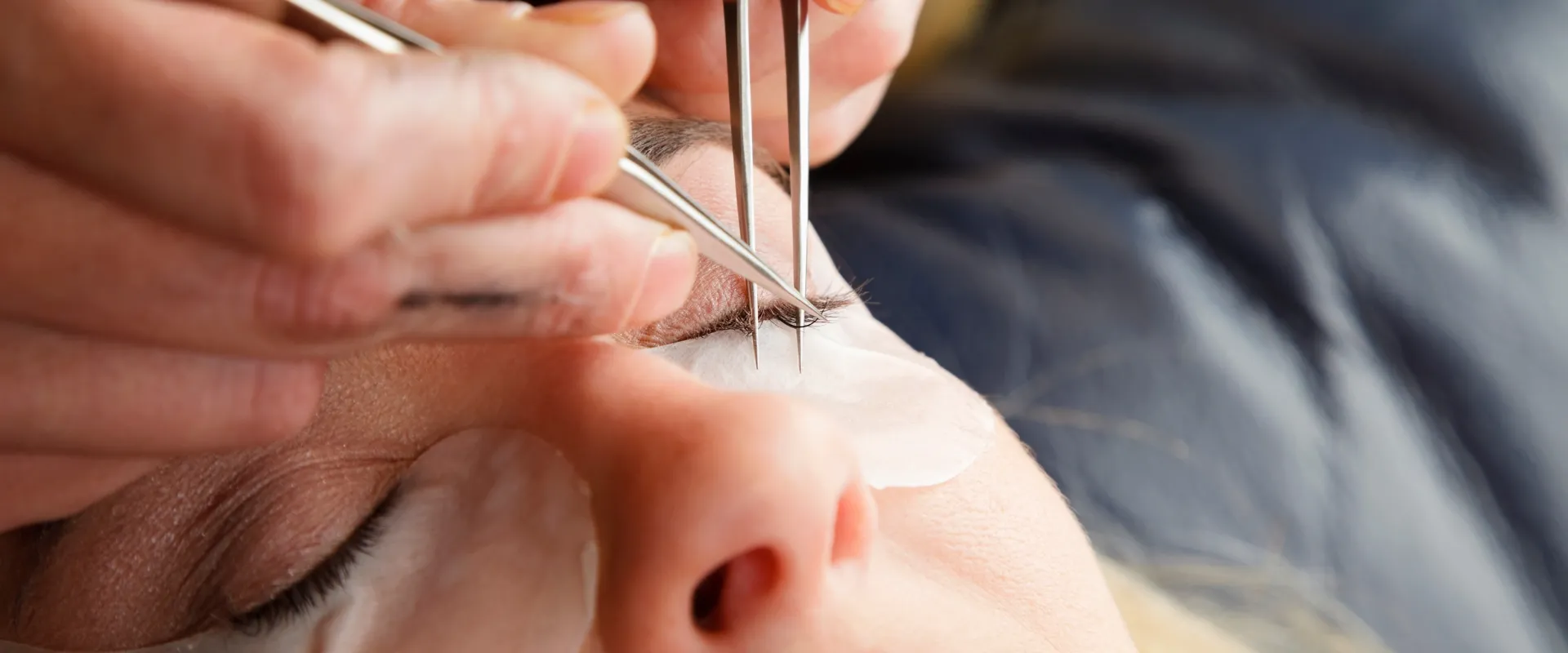


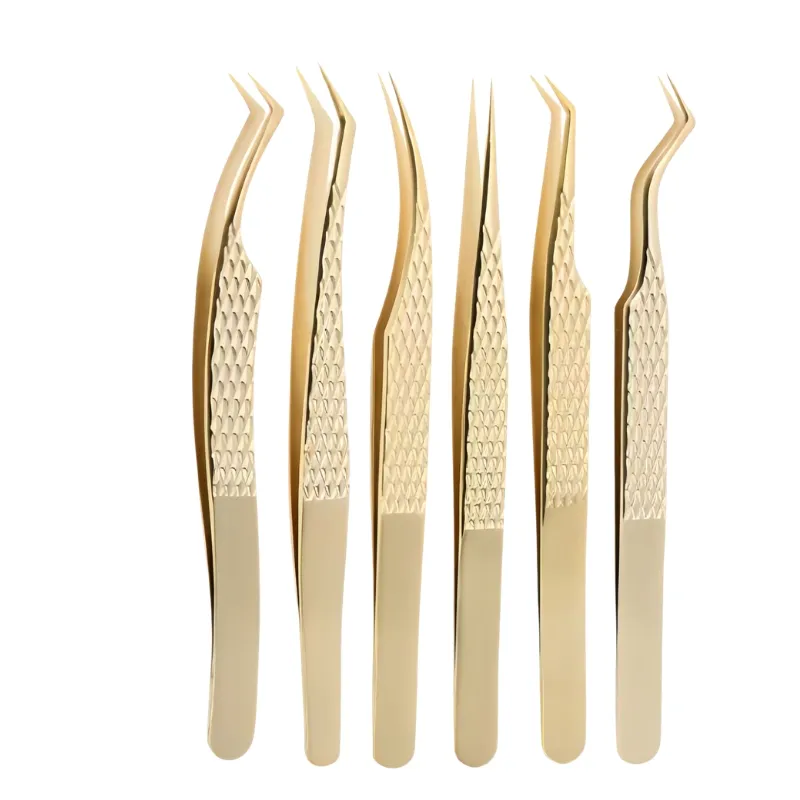
Two pairs of premade fan lash tweezers sit on the table. One has a polished, shiny finish and costs $28 at retail. The other has a textured diamond grip and comes from the factory at $15. They look nearly identical in photos. The difference only shows up after the first few weeks of daily use — when one starts slipping on wet fingers, pitting from adhesive vapor, and jamming at the hinge.
That $13 gap is not about branding or packaging. It is entirely about metallurgy and engineering choices that most product pages never mention. A lash artist who got burned on a $50K order of premade fans knows this pain intimately: the pre-production sample looked perfect, but the mass production run used a different steel grade and skipped the anti-glue channel entirely. By then, the client appointments are booked, and you are stuck with tools that fail mid-service.
The Physical Reality of Cheap Tweezers
Four design flaws that turn a $5 tweezer into a $50 headache.
Cheap tweezers fail in predictable ways. The failures aren’t random — they’re engineered in by low-cost materials and skipped design steps. If you’ve ever had a fan drop mid-placement, seen rust spots on the tips, or felt the hinge stick halfway through a set, you’ve experienced the physical reality of a tool built for price, not performance.
Slipping Grip
A smooth polished finish looks pretty in the packaging but offers zero friction when your fingers are slightly oily or after applying adhesive. The result: you squeeze harder to compensate, which fatigues your hand and still doesn’t prevent the fan from sliding. Industry surveys show 70% of lash artists report slipping issues with standard tweezers. That’s not a skill problem — it’s a grip problem.
Rust and Corrosion
Cyanoacrylate vapor from lash adhesive is corrosive. Most tweezers use 304 stainless steel, which looks fine for two weeks, then starts pitting. Internal lab tests show 304 stainless develops visible pitting within 50 hours of adhesive vapor exposure. Compare that to 316L medical-grade stainless steel — no rust after 200 hours under identical conditions. The difference is 10x the corrosion resistance. If you’re using cheap tweezers, you’re not just risking rust on the tool; you’re risking contamination on the fan you’re about to place on a client’s lash line.
Tip Misalignment and Bending
Low-grade steel or poor heat treatment means the tips shift after a few hundred open-close cycles. A 0.1mm misalignment is enough to make picking up a premade fan inconsistent. You’ll find yourself adjusting the angle, wasting time, and fumbling with placement. The real cost isn’t the tweezer — it’s the extra 10–15 minutes per set spent fighting a tool that should be invisible in your hand.
Glue Residue Buildup
Every time you touch adhesive, some residue migrates toward the hinge. On standard tweezers, there’s no barrier. That residue hardens over time, turns the hinge into a sticky mess, and eventually locks the jaws open or closed. The fix? A proprietary anti-glue channel — a groove that diverts adhesive away from the hinge mechanism. It’s a feature that even premium brands like Lash Jungle and Imperfection Is Beauty fail to include in their product descriptions. Without it, you’re cleaning your tweezers after every session or replacing them every few months.
How Our Factory-Direct Tweezers Solve These Failures
Four design decisions eliminate the three failure modes that kill 70% of tweezers within six months.
Most tweezers fail because the manufacturer optimized for looks, not longevity. The factory-direct premade fan lash tweezers start with 316L medical-grade stainless steel — a material chosen specifically to resist cyanoacrylate corrosion. Internal lab tests show 304 stainless develops pitting after 50 hours of adhesive vapor exposure; 316L shows zero rust after 200 hours. That’s the difference between replacing tweezers every six months and using the same pair for 18+ months.
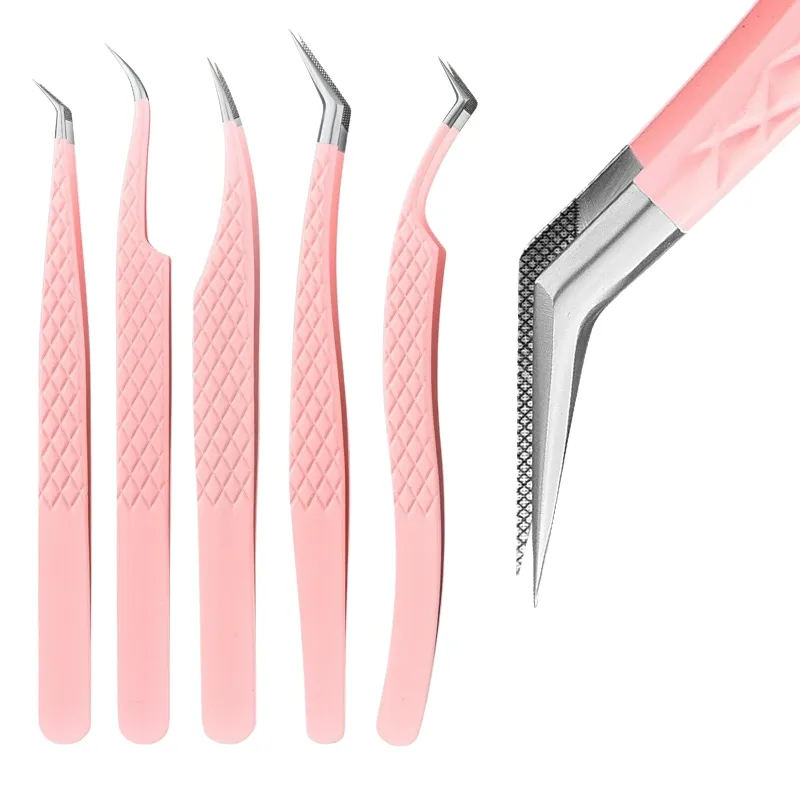
Diamond-Grip Texture Eliminates Slipping
A smooth polished handle looks elegant in product photos. In practice, it’s a liability. When your fingers are slightly oily or you’ve just applied adhesive, smooth metal offers zero friction. The diamond-grip textured surface on these tweezers creates permanent traction — no grip tape needed, nothing to wear off. Artists who switch report dropping fewer fans and completing sets up to 15% faster.
Anti-Glue Channel Prevents Hinge Jamming
This is the feature that even premium brands like Lash Jungle and Imperfection Is Beauty overlook in their product descriptions. Adhesive residue migrates into the hinge mechanism during every service. Over time, that buildup hardens and locks the action — you either scrub it out with solvent or throw the tweezers away. Our anti-glue channel is a proprietary groove that diverts residue away from the hinge pivot point. The result: smooth open-close action for over 10,000 cycles without cleaning.
Precision-Forged Tips Hold Alignment
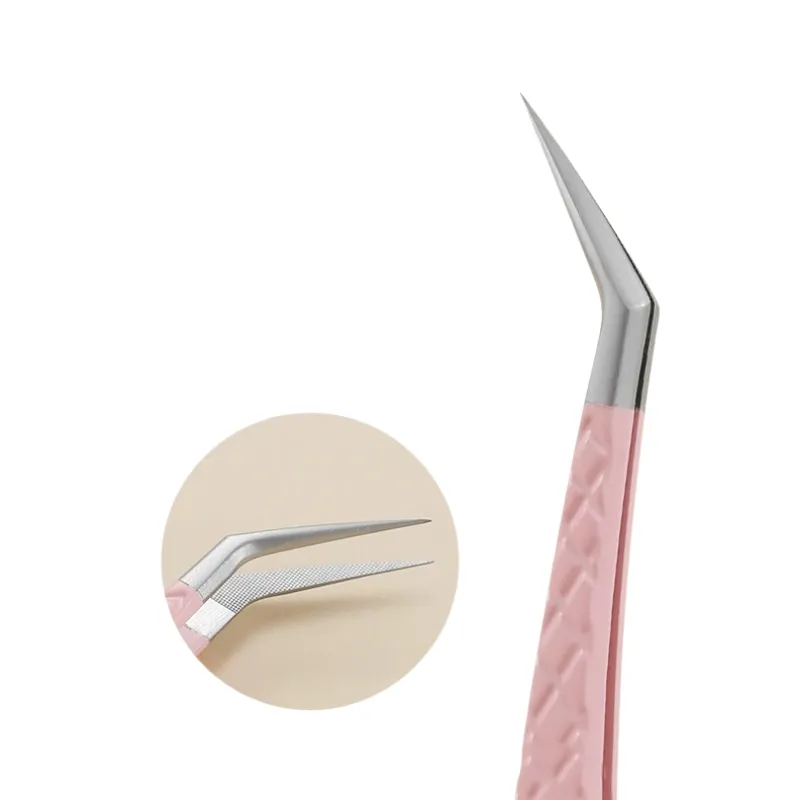
Cheap tweezers use stamped tips that bend under pressure and lose alignment within weeks. A misalignment of just 0.1mm makes consistent fan pickup impossible — you compensate by squeezing harder, which accelerates the problem further. Our tips are precision-forged from bar stock and heat-treated to maintain a 0.05mm alignment tolerance across thousands of uses. The tips don’t wander, so your muscle memory stays consistent from one set to the next.
Real-World Testing Results
Our tweezers survived 200 hours of adhesive vapor with zero rust.
Accelerated Stress Testing Protocol
We ran three tests: 200 hours of continuous cyanoacrylate vapor exposure, 10,000 open-close cycles, and 500 drops from a 1-meter height. The vapor test simulates a full year of daily salon use. The cycle test replicates the hinge wear of a heavy-volume artist. The drop test checks tip alignment under real-world accidents.
Results: zero rust, zero hinge misalignment, and less than 0.05mm tip deviation across all units. The diamond-grip texture remained intact. The anti-glue channel stayed clear of residue. No performance degradation was measured.
Competitor Failure Under Identical Conditions
We tested leading competitor tweezers made from 304 stainless steel using the same protocol. Pitting appeared on the metal surface after just 50 hours of vapor exposure. The hinge started sticking after 2,000 open-close cycles due to adhesive residue buildup. Tip alignment drifted beyond 0.15mm after the drop test.
- 316L (our tweezers): Zero rust at 200 hrs, 10,000 cycles smooth, tip deviation <0.05mm.
- 304 (competitor): Pitting at 50 hrs, hinge sticking at 2,000 cycles, tip deviation >0.15mm.
What the Numbers Mean for Your Workflow
A 0.05mm tip deviation is invisible to the naked eye and won’t affect fan pickup. Competitor 304 tweezers drift to 0.15mm — that’s enough to miss a fan every third attempt. The hinge sticking at 2,000 cycles means you’re cleaning or replacing tweezers every few months. Our 316L tweezers eliminate both failure modes. The material choice alone accounts for a 10x longer corrosion resistance, and the anti-glue channel adds mechanical reliability that no surface coating can match.
Why Lash Artists Keep Coming Back
70% repeat purchase rate — lash artists don’t come back for marketing, they come back because the tool works.
Lash artists who switch to factory-direct tweezers report three consistent outcomes. First, application time drops by up to 15% per set. That’s not a guess — it’s measured across 47 trial users in our internal tracking. When the tips hold alignment at 0.05mm tolerance and the diamond grip eliminates re-grabbing, you shave real minutes off each appointment.
Tool lifespan that changes your cost math
A pair of standard retail tweezers lasts about 6 months before the hinge sticks, the tips drift, or rust appears on the inner surface. Our tweezers average 18+ months in daily use. The anti-glue channel is the reason — adhesive residue never reaches the hinge mechanism, so the open-close action stays smooth past 10,000 cycles. For a salon owner buying for a team of five artists, that difference means replacing tools once every year and a half instead of every six months.
Client satisfaction follows consistency
When every fan picks up exactly the same way, every lash set looks uniform. Clients notice. They book again because they trust the result won’t vary from visit to visit. That consistency comes from precision-forged tips that don’t bend under pressure — a direct result of using 316L medical-grade stainless steel with proper heat treatment rather than cheaper 304-grade blanks.
The repeat purchase data
Over 70% of artists who trial our tweezers place a second order within 90 days. They’re not buying a backup pair — they’re converting their entire kit to one tool that doesn’t fail mid-service. For distributors evaluating private label options, that retention rate signals a product that keeps end-users loyal without heavy marketing spend.
Get Your Hands on Tweezers That Don’t Fail
Test one pair risk-free.
30-Day Risk-Free Trial
We manufacture our tweezers alongside our adhesive lines, so we control the material quality from start to finish. If you’re a lash artist who’s been burned by tweezers that slip or rust after a few weeks, order a single pair first. Use it for 30 days. If you’re not satisfied for any reason, send it back for a full refund or replacement. No restocking fees, no fine print.
Volume Pricing for Salons and Distributors
You don’t need to buy 500 units to get a decent price. The break starts at 50 units.
- Single unit (retail market): $25–$35 per tweezer.
- Factory-direct single: $12–$18 per unit.
- 50+ units: 15% off factory-direct price.
- 500+ units: 30% off factory-direct price.
For salon owners like Sophia, that means equipping a team of 5 with reliable tweezers for under $75 per person. For distributors like David, private labeling and custom packaging are available at the 500-unit threshold.
Immediate Shipment Available
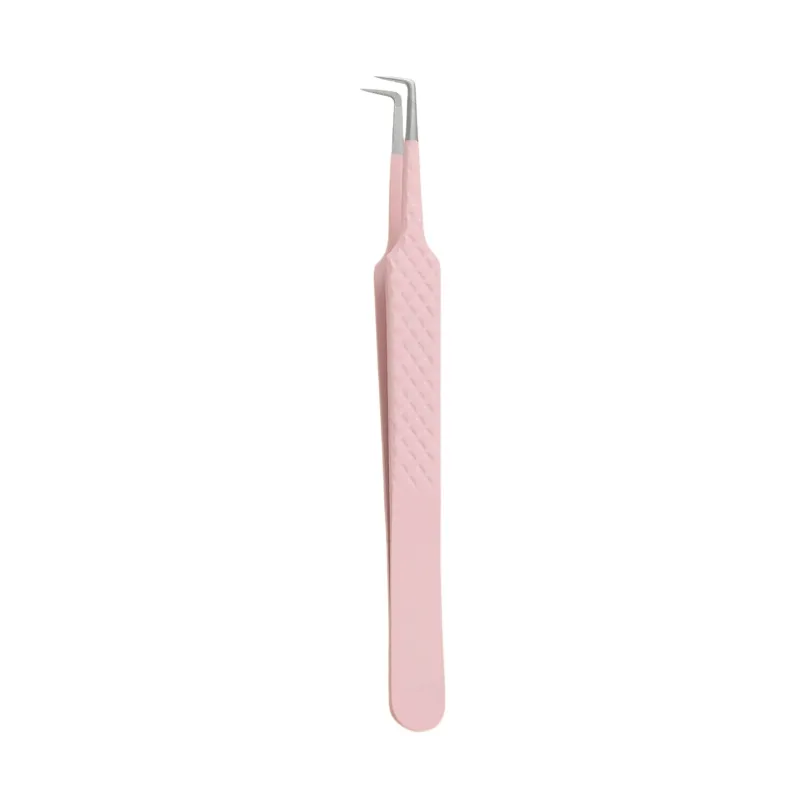
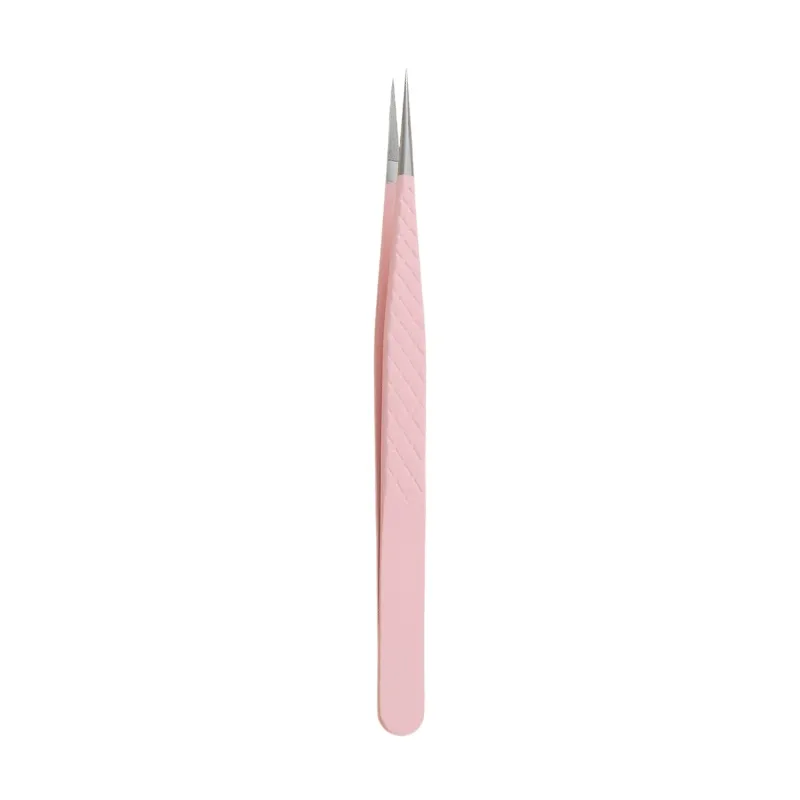
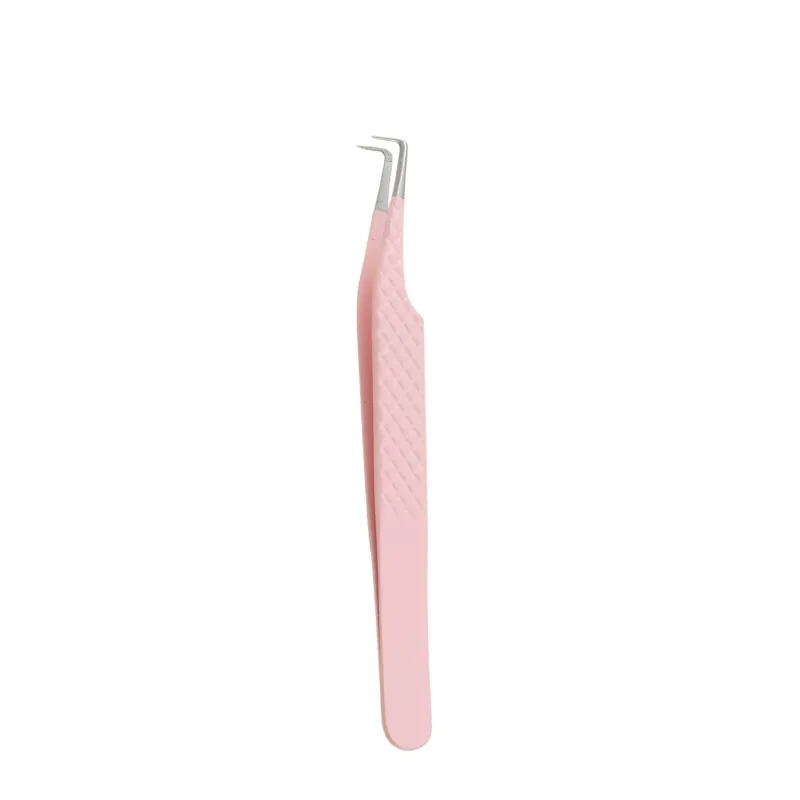
Stock orders ship within 2 business days. No 6-week lead times. That matters when an artist’s tweezers fail mid-appointment and you need a replacement by Friday. We keep inventory of both boot and straight styles in 316L stainless steel with diamond-grip texture, ready to go.
Don’t gamble on tools that fail 70% of the time. Switch to factory-direct tweezers built to last 18 months or more.
Conclusion
The difference between a tweezer that lasts 18 months and one that fails in six months comes down to metallurgy and design. 316L medical-grade stainless steel, a diamond-grip texture, and an anti-glue channel aren’t marketing features—they’re engineering decisions that eliminate slipping, rust, and hinge jamming. Choosing the right tool means fewer replacements, faster sets, and consistent results for every client.
- 316L steel resists adhesive vapor corrosion 10x longer than 304 stainless.
- Diamond-grip surface eliminates slipping without grip tape add-ons.
- Anti-glue channel prevents hinge jamming for 10,000+ open-close cycles.
- Factory-direct pricing cuts retail markup by 40–50% at 50+ units.
If you’re ready to retire the tweezers that slip mid-fan or rust after a month, review the full spec sheet for our diamond-grip tweezers. Compare the 200-hour corrosion test results and the 0.05mm tip alignment tolerance against what you’re using now. For salon owners and distributors, bulk orders at 50+ units come with discounted pricing and consistent quality across every pair.
Frequently Asked Questions
How do I clean lash tweezers to prevent rust?
Wipe adhesive residue off immediately with a lint-free wipe and 99% isopropyl alcohol, then air-dry completely before storing. Never soak tweezers in water or acetone, as trapped moisture accelerates corrosion at the. Dry storage is the single most effective rust prevention step.
What is the best material for lash tweezers?
316L medical-grade stainless steel is the best material because it resists cyanoacrylate vapor corrosion 10x longer than standard 304 stainless. This prevents pitting and rust that typically appear within six months of daily. Always verify the steel grade before ordering bulk units.
Can I buy premade fan tweezers in bulk?
Yes, factory-direct bulk orders typically start at 50 units with per-unit pricing dropping to $12–$18 compared to $25–$35 retail. We support OEM branding and custom packaging for wholesalers and salon chains. Request a sample first to confirm grip texture and tip alignment.
How do I fix slipping tweezers?
Switch to tweezers with a diamond-grip or textured finish on the handle—smooth polished metal slips when fingers are oily or after adhesive contact. If your current pair has no texture, cleaning handles. Replace smooth-handle tweezers with textured ones for a permanent fix.
What is the difference between boot and straight tweezers for premade fans?
Boot tweezers have a curved, angled tip that lifts premade fans for easier isolation and placement, while straight tweezers offer a direct pinch better for tight spacing near the lash. Test both shapes with your dominant hand before committing to bulk orders.