


lash glue ingredients safety is the first checkpoint buyers should lock before they approve a supplier, budget, or production slot. The phone call comes three months after the shipment lands. Not during sample approval, not during the first week of use. A lash artist who ordered a $50,000 private label run is now watching clients peel off extensions with red, swollen lash lines.
The glue that passed her pre-production test is the same batch that’s causing reactions — but only now, after 200 sets, does she realize the issue isn’t the application technique. It’s the lash glue ingredients safety. The manufacturer’s sample bottle was never the same as the production run, and the difference is buried in the fine print of the Safety Data Sheet.
That disconnect between a clean sample and a reactive bulk order is more common than most lash artists want to admit. Private label buyers often rely on the first sample’s performance, but the real risk hides in what changes between batches — or what the supplier never disclosed.
A pigment swap from iron oxide to carbon black can trigger granulomas near the lash line. An ethyl cyanoacrylate base can be swapped for a cheaper methyl variant, which is significantly more irritating. These aren’t things you spot in a three-minute wear test. They show up in the ingredient list, if you know where to look.
This guide walks through exactly what to check before you commit to a private label manufacturer. Not theory. The specific ingredients, the SDS sections that matter, and the questions that separate a transparent supplier from one who’s hiding something. Start with the ingredient list, not the brand name.
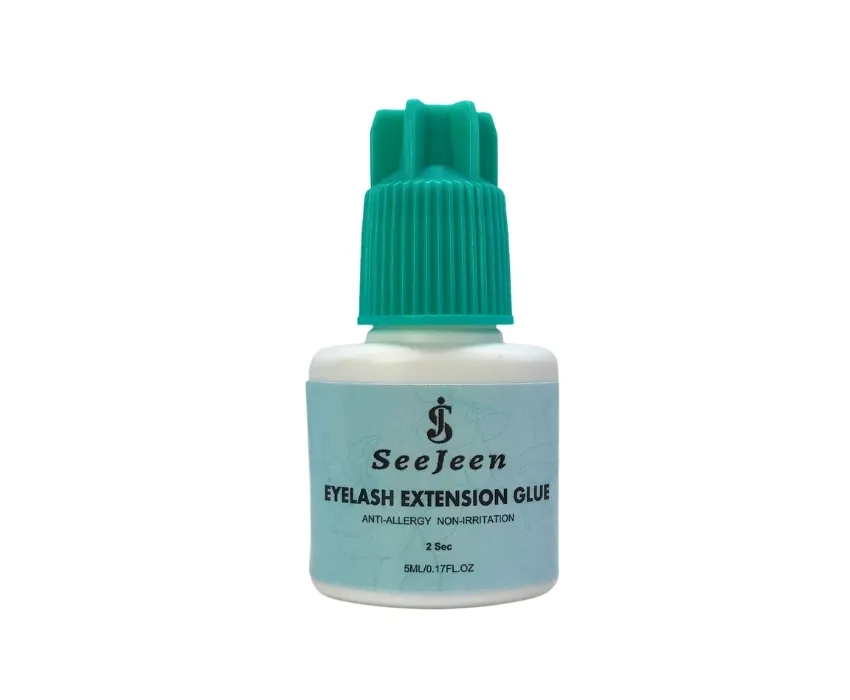
Why Ingredient Transparency Matters in Private Label Lash Glue
One bad ingredient can cost you your license and client trust.
A lash artist in Texas built a six-figure brand over three years. One batch of private label glue later — 14 clients with swollen eyes, two filed complaints with the state board, and the brand was dead inside six months. The culprit? Carbon black pigment that migrated into the tear film and caused granulomas along the lash line.
How a single ingredient can ruin your brand reputation
Carbon black is cheap, gives glue that deep black color artists expect, and it’s used by most budget manufacturers. But it’s also a known irritant when it migrates into the ocular zone. Iron oxide pigment costs more per kilo but stays put in the adhesive matrix. Most buyers never ask which pigment is in their private label lash glue ingredients list — until a reaction happens.
The difference shows up in claim rates. A manufacturer using carbon black might see one reaction per 200 applications. Switch to iron oxide, and that drops to roughly one per 1,500. For a distributor moving 10,000 units a month, those numbers translate directly into refunds, chargebacks, and reputation damage.
Medical-grade vs. cosmetic-grade cyanoacrylate
Here’s where most SDS sheets mislead you. They list ‘cyanoacrylate’ generically — no distinction between ethyl and methyl variants. Methyl cyanoacrylate is what hardware stores sell as super glue. It bonds fast but releases formaldehyde as it cures. Ethyl cyanoacrylate is less reactive and produces significantly fewer vapors.
‘Medical grade cyanoacrylate lash glue’ isn’t just marketing language — it means the monomer has been purified to remove residual aldehydes and stabilizers that cause stinging. A manufacturer who uses medical-grade ethyl cyanoacrylate will have batch-specific certificates of analysis showing purity levels above 99%. If your supplier can’t produce that COA for each batch run, you’re trusting their word over chemistry.
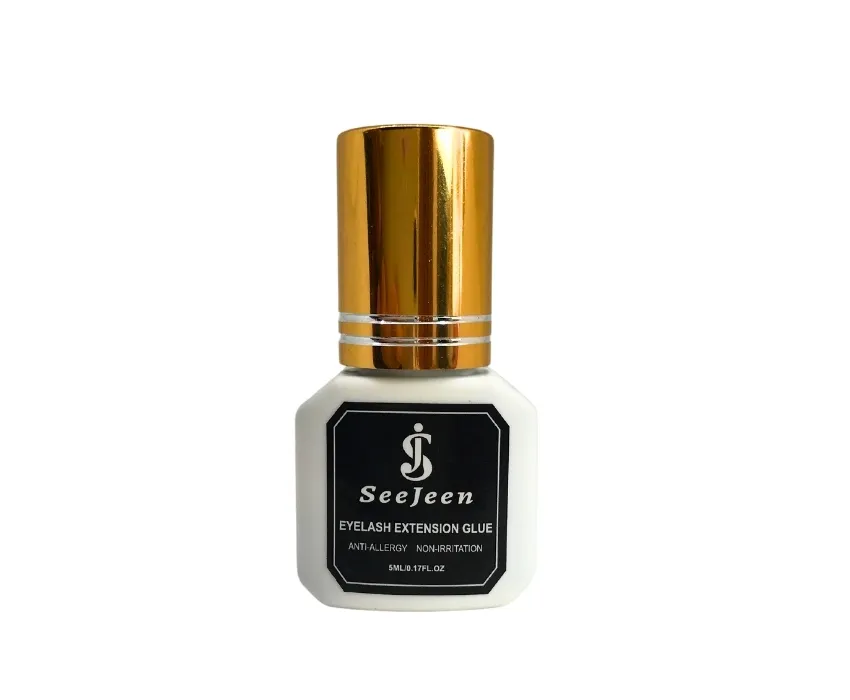
Key Ingredients to Check for Sensitive Clients
Carbon black causes granulomas near the lash line — iron oxide is safer but rarely used.
Carbon black vs. iron oxide: which is safer?
Carbon black is the standard pigment in most black lash glues because it’s cheap and produces a deep shade. But it’s also a known irritant: when particles migrate to the lash line, they can trigger granulomas — small, hard nodules that form when the immune system walls off the foreign material. This is one of the most common hidden irritants in lash adhesives, yet many private label manufacturers still use it. Iron oxide, on the other hand, is biologically inert and far less likely to cause a reaction. The trade-off is cost and color depth — iron oxide yields a slightly softer black, which some lash artists complain doesn’t match the natural lash root. But for clients with reactive eyes, the trade-off is worth it. At Lash Glues Factory, our sensitive formula glues are formulated with ethyl cyanoacrylate and iron oxide pigments, specifically to reduce the risk of long-term complications.
Hydroquinone, formaldehyde, and other red-flag additives
Recognizing ‘fragrance-free’ claims that actually mask irritants
A “fragrance-free” label on lash glue does not mean the product is free of volatile irritants. Many manufacturers use masking agents — compounds that neutralize the odor of cyanoacrylate without being listed as a fragrance. These masking agents can themselves be sensitizers. Worse, some suppliers claim “fragrance-free” simply because they didn’t add a perfume, but the base monomers still off-gas strong fumes. The only reliable way to verify is to request a full ingredient list beyond the SDS. A manufacturer’s willingness to share a complete formulation — including the exact type of cyanoacrylate (ethyl vs. methyl) and the pigment source — is a strong indicator of quality control. If a supplier hides behind “proprietary formula” and refuses to give you a detailed breakdown, that’s a red flag. For lash artists building a private label brand, this level of transparency isn’t optional — it’s the difference between a loyal client base and a trail of allergic reactions.

How to Read a Safety Data Sheet (SDS) Like a Pro
SDS that lists only ‘cyanoacrylate’ without specifying ethyl vs methyl is a red flag.
Most lash artists never open section 2 of a Safety Data Sheet. They should. Section 2 (Hazard Identification) tells you what you’re actually handling — skin irritant, respiratory sensitizer, or something that requires fume extraction. If the SDS uses vague hazard statements like ‘may cause irritation’ without specific GHS codes, the manufacturer is either cutting corners or hiding something.
Section 3: Composition — Where Vague Gets Dangerous
Section 3 lists chemical ingredients and their CAS numbers. A complete entry for safe lash glue reads something like: ‘Ethyl cyanoacrylate (CAS 7085-85-0), Carbon black (CAS 1333-86-4).’ Red flags appear when you see only ‘cyanoacrylate’ without the ethyl or methyl prefix, or when CAS numbers are missing entirely. No CAS number means you cannot independently verify the chemical identity — and that matters because ethyl cyanoacrylate is significantly less irritating than methyl cyanoacrylate.
Section 11: Toxicology — The Real Health Story
Section 11 breaks down acute toxicity, skin corrosion, and sensitization data. For private label buyers, this is where you spot hidden irritants like hydroquinone or formaldehyde — additives sometimes used as stabilizers in cheaper cyanoacrylates. If section 11 says ‘no data available’ for basic toxicological endpoints, treat that as a warning sign. A reputable supplier provides toxicology data because they’ve actually tested their formulation.
Missing CAS Numbers and Vague Descriptions
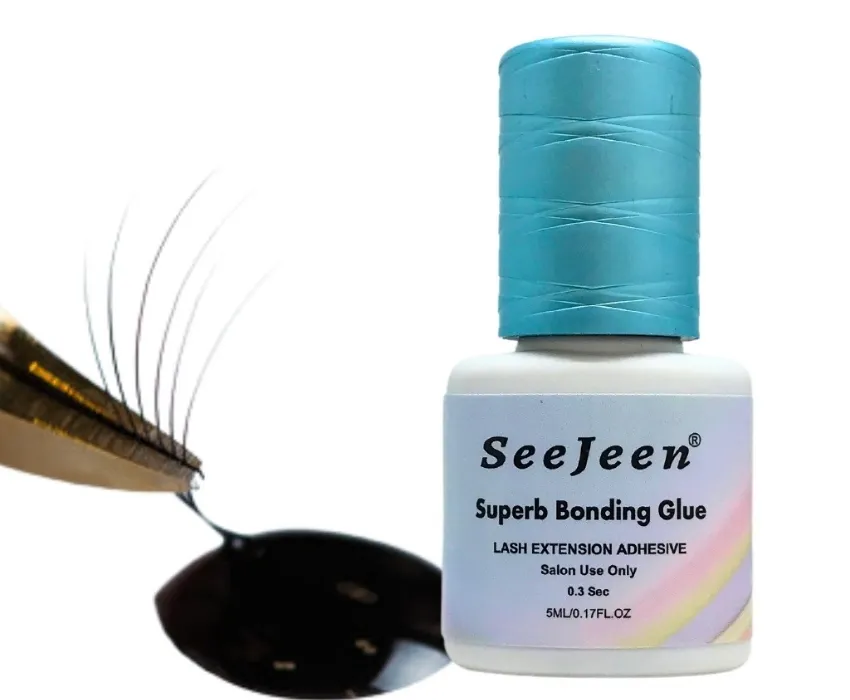
Questions to Ask Your Manufacturer About Ingredients
If a manufacturer won’t share batch COA, walk away.
You’re three weeks into private label negotiations. The manufacturer has sent a glossy brochure, a sample that cured well, and a quote that fits your margin. Then you ask for the ingredient list. They say it’s ‘proprietary.’ This is the moment that separates serious suppliers from the rest.
Batch-Specific Certificates of Analysis (COA)
A COA is not a one-time document. It should be tied to a specific batch number — the same batch your glue comes from. A reputable manufacturer can produce a COA within 24 hours that lists the exact percentage of ethyl cyanoacrylate, the stabilizer content, and the absence of methyl cyanoacrylate. This matters because ethyl cyanoacrylate is significantly less irritating to the lash line than methyl. If the supplier only offers a generic SDS with ‘cyanoacrylate’ listed without specifying which type, you’re dealing with a hidden formula risk.
At Lash Glues Factory, every batch of private label adhesive is tested before shipment. The COA includes the specific monomer type, viscosity, cure time, and a statement that the product is free of hydroquinone and formaldehyde. You can request a COA sample before placing a bulk order — any supplier that hesitates is likely hiding batch-to-batch inconsistency.
‘Proprietary’ vs. ‘Hidden’ — Spot the Difference
Every manufacturer has a proprietary formula. That’s normal. But ‘proprietary’ should not be a shield to hide dangerous additives. A legitimate supplier will disclose the full ingredient list under a mutual NDA, or at least provide a functional breakdown: ‘cyanoacrylate monomer, polymethyl methacrylate, stabilizer, pigment (iron oxide), hydroquinone inhibitor.’ If the response is ‘the supplier can’t share anything because it’s proprietary,’ that’s a red flag. Hidden formulas often mask carbon black (which can cause granulomas near the lash line) or undisclosed accelerators that trigger contact dermatitis.
Push for an ingredient list without NDAs. If a manufacturer refuses to share even a basic ingredient list before you sign an NDA, they’re either not confident in their formulation or they’re using substandard components that would fail a simple Google search. A confident supplier will hand you the list and let you run your own research.
Why Manufacturers Should Share Without NDAs First
The NDA conversation comes later — after you’ve verified the ingredient list. If a manufacturer demands an NDA before showing you the basics, they’re creating a barrier to hide something. The FDA does not require ingredient disclosure for cosmetics, but a responsible supplier knows that lash artists need to screen for sensitive ingredients in eyelash glue. Offering a transparent ingredient list upfront builds trust and speeds up the evaluation process.
Ask specifically: ‘What is the exact CAS number of the cyanoacrylate monomer? Is it ethyl or methyl? What pigment is used — carbon black or iron oxide?’ If they can answer without hesitation, you’ve found a factory that stands behind its product. If they deflect, walk away. Your brand reputation depends on what goes into that tiny bottle.

Checklist: 5 Ingredient Red Flags That Should Send You to Another Supplier
Carbon black pigment causes granulomas near the lash line.
When evaluating a private label manufacturer, certain ingredients should immediately raise red flags. These five are the most common shortcuts that compromise safety and client satisfaction.
1. Carbon Black Pigment
Many private label lash glues use carbon black to darken the adhesive. The problem? Carbon black particles are small enough to migrate under the skin near the lash line, causing granulomas — small, hard lumps that form as the body tries to wall off the foreign material. Iron oxide is a safer alternative. It provides the same color without the migration risk. A manufacturer that uses iron oxide instead of carbon black is making a deliberate safety choice.
2. Generic ‘Cyanoacrylate’ Without Specifying Grade
An SDS that lists only ‘cyanoacrylate’ without ethyl or methyl specification is hiding something. Ethyl cyanoacrylate is the industry standard for lash adhesives and is significantly less irritating than methyl cyanoacrylate, which is often used in industrial glues. If the supplier can’t or won’t specify the grade, assume the worst.
3. Hydroquinone and Formaldehyde
These are banned or restricted in many countries for cosmetic adhesives. Hydroquinone is a skin-lightening agent sometimes added to reduce visible residue, but it causes contact dermatitis. Formaldehyde or formaldehyde-releasing preservatives are occasionally used to extend shelf life at the expense of client safety. Walk away from any manufacturer that lists these on the private label lash glue ingredients list.
4. Hidden Irritants in Lash Adhesives Disguised as ‘Fragrance’
Some suppliers add fragrance to mask the chemical smell of cyanoacrylate. Fragrance is a known irritant and allergen, especially near the eyes. A ‘fragrance-free’ claim on the bottle may just mean no added scent, but check the full ingredient list. Manufacturers that use masking agents are often compensating for lower-quality raw materials.
5. Plasticizers That Weaken the Bond
Plasticizers like dibutyl phthalate are sometimes added to make the glue more flexible. They also reduce the bond strength significantly. Professional lash extension glue needs to hold extensions for 3-5 weeks. Plasticizers cut that retention time in half. A reputable manufacturer will provide a lash glue COA batch number that shows plasticizer content below detectable limits.
Conclusion
A $50K order of private label lash glue can be undone by a single ingredient choice you never saw coming. The difference between a brand that thrives and one that faces a recall often comes down to whether you checked for carbon black, demanded ethyl cyanoacrylate over methyl, and read the SDS like a supplier auditor would.
- Iron oxide pigments are safer near the lash line than carbon black.
- Ethyl cyanoacrylate causes fewer reactions than methyl cyanoacrylate.
- A full ingredient list reveals quality control gaps an SDS hides.
Frequently Asked Questions
What are red flag ingredients in lash glue?
Carbon black, hydroquinone, and formaldehyde are the top red flags that signal poor safety and potential regulatory issues. Always check the SDS for these ingredients, especially if you serve sensitive clients. Request a batch-specific COA to confirm these are absent.
How do I read an SDS for lash glue?
Focus on Sections 2 (hazards), 3 (composition), and 11 (toxicology) to identify unsafe ingredients and missing CAS numbers. If the SDS only lists ‘cyanoacrylate’ without specifying ethyl vs methyl, treat it as a. Always cross-check the SDS with the manufacturer’s ingredient list.
What should I ask a manufacturer about ingredients?
Ask for a batch-specific Certificate of Analysis (COA) and a full ingredient list without requiring an NDA. A manufacturer who refuses to disclose ‘proprietary’ formulas likely hides problematic additives. If they hesitate, walk away and find a transparent supplier.
Is carbon black safer than iron oxide in lash glue?
No, carbon black can cause granulomas near the lash line and is less safe than iron oxide. Iron oxide is rarely used due to cost, but it is the safer alternative for. Confirm with your supplier which pigment is in your formula.
What is medical-grade cyanoacrylate in lash glue?
Medical-grade cyanoacrylate has higher purity and fewer irritants than cosmetic-grade, reducing the risk of allergic reactions. Cosmetic-grade may contain stabilizers like hydroquinone that trigger sensitivities. Always ask if the adhesive uses medical-grade or cosmetic-grade monomer.

2 Responses