


Lendo uma folha MSDS antes de fazer um pedido em massa
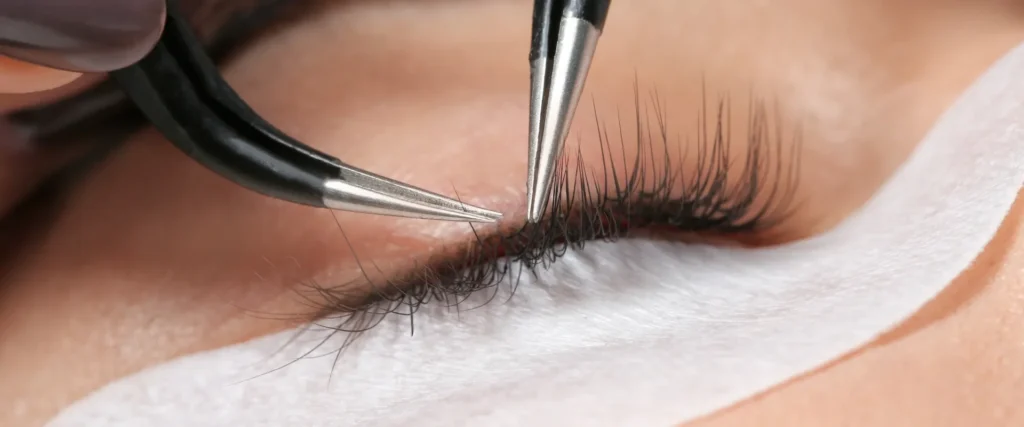
A factory that emails you an MSDS the same day you ask has answered one question and avoided several. The sheet is a screening document, not a guarantee: it tells you what the manufacturer chose to disclose about hazards, not whether the formula is safe for eye-area use, not whether it is even the formula […]
Por que a cola UV se comporta de maneira diferente em climas úmidos

UV lash glue changes the humidity problem, it does not remove it. A traditional cyanoacrylate adhesive cures by reacting with moisture in the air, so the room’s humidity directly drives how fast it sets. A UV (or UV/LED) adhesive stays workable until lamp light hits it, which frees the cure speed from the weather and […]
Mudando de estoque de atacado para marca própria
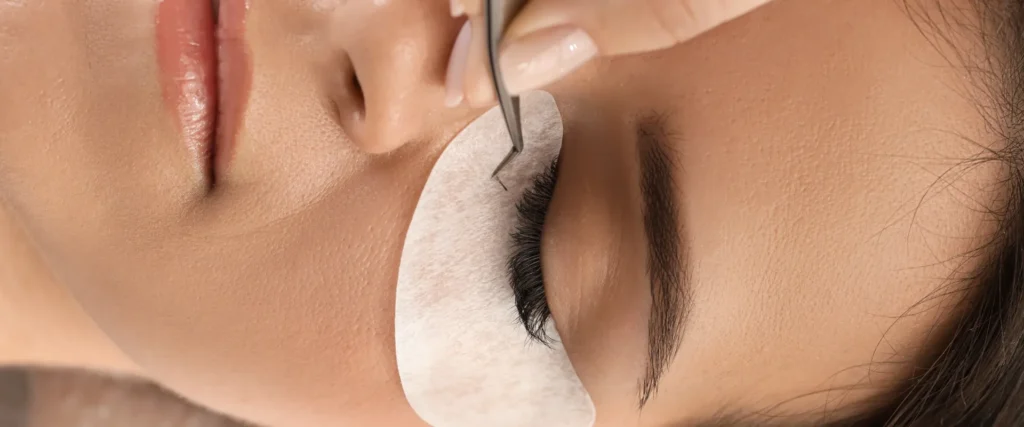
The usual path from reselling to owning a brand is shorter and cheaper than most people expect, because you do not have to invent a product to earn the right to brand one. The proven route: buy wholesale stock at the small end of the factory’s range, sell it as-is while you learn what your […]
O que a velocidade de cura realmente diz sobre uma cola

Cure speed is the most quoted and least understood number on a lash glue listing. The honest answer to what it tells you: it describes the working rhythm the formula demands, the window between placing a drop and the moment it stops cooperating, measured under stated conditions. It does not tell you how long extensions […]
OEM ou ODM: o que se adapta a uma nova marca Lash?

If you are launching a lash brand, the real question behind “OEM or ODM” is simpler than the jargon suggests: how much of the formula do you actually need to control before your first order ships? For most new brands the faster answer is ODM, which means branding a proven formula from the factory’s existing […]
Úmido ou seco: escolhendo uma linha de cola para cílios para o seu mercado
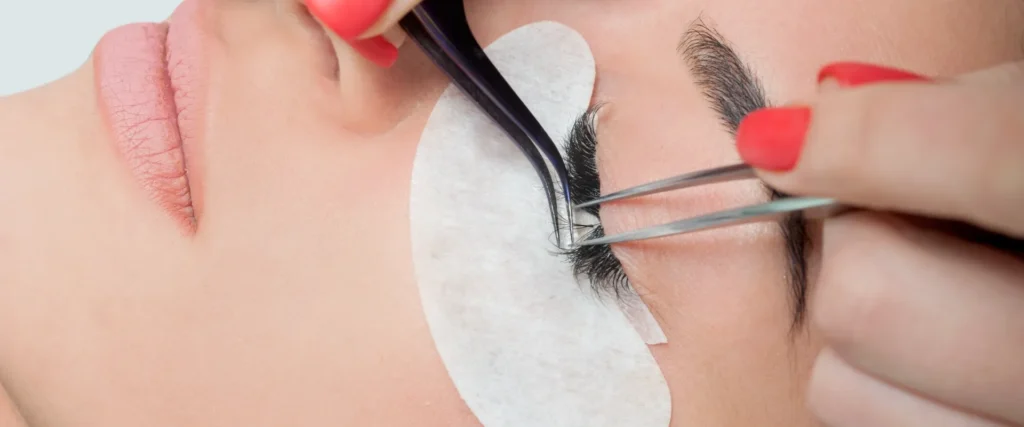
If you distribute lash glue, the humidity question arrives with the first seasonal complaint: the batch that held beautifully for your dry-season salons starts failing when the rainy months arrive. The answer is not a better glue — it is a better match. Lash adhesives are described by the humidity range they are formulated to […]
Ultrafino não é uma especificação de viscosidade: critérios de cola para cílios de marca própria

Open the specification page of any private-label lash glue and you will find viscosity described in one word: ultra-thin, thin, medium. That word is useful for a lash artist choosing a formula, but it is useless as an acceptance criterion. When your second production batch arrives thicker or thinner than the sample you approved, “ultra-thin” […]
SDS de cola para cílios de marca própria: cujo nome pertence à seção 1?
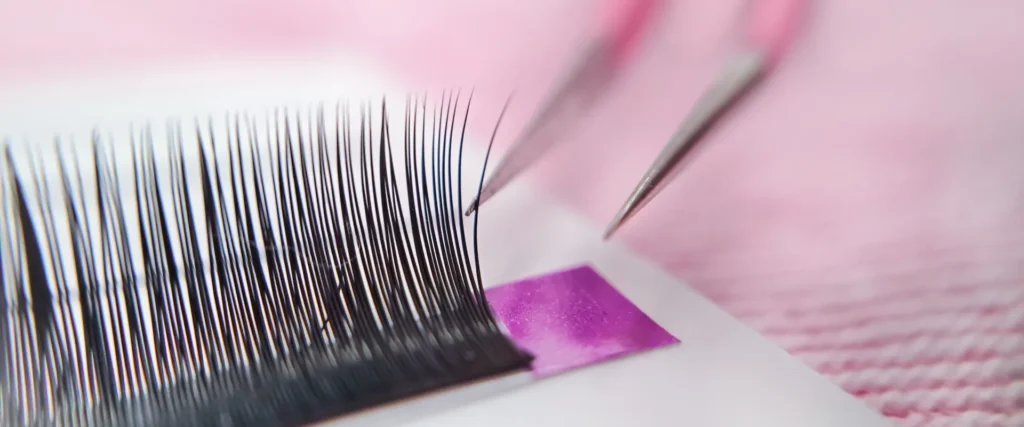
You private-label a lash glue, and sooner or later someone asks for the Safety Data Sheet: a salon chain onboarding your brand, a distributor listing you, a freight forwarder, or a marketplace compliance desk. The detail that trips most brand owners up is not whether an SDS exists — it is whose name appears in […]
Guia de espessura de cílios planos: 0,15 mm vs 0,20 mm vs 0,25 mm
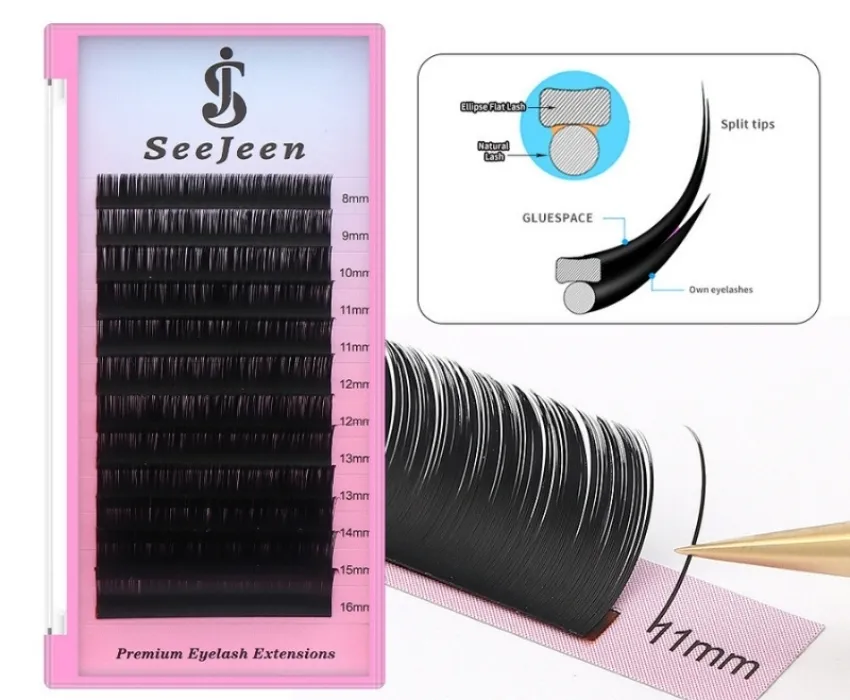
A maior parte do conteúdo do guia de espessura dos cílios planos para na tabela de diâmetros. A parte que importa começa quando o contêiner chega. A folha de especificações diz 0,15 mm, a amostra de pré-produção parece correta e, em seguida, a produção em massa fica mais pesada nos cílios naturais dos clientes. Essa incompatibilidade é onde os problemas de retenção realmente começam. O diâmetro não é apenas um [...]
Folha de especificações de marca própria Flat Lash: principais itens essenciais
Uma folha de especificações de cílios planos que parece perfeita no papel - todos os diâmetros, curvaturas e comprimentos verificados - ainda pode custar um pedido de US $ 50 mil. Isso aconteceu. Um distribuidor assinou amostras de pré-produção para uma linha de marca própria, aprovou o layout da bandeja e confirmou a arte da embalagem. A produção em massa foi lançada três semanas depois. De dia […]