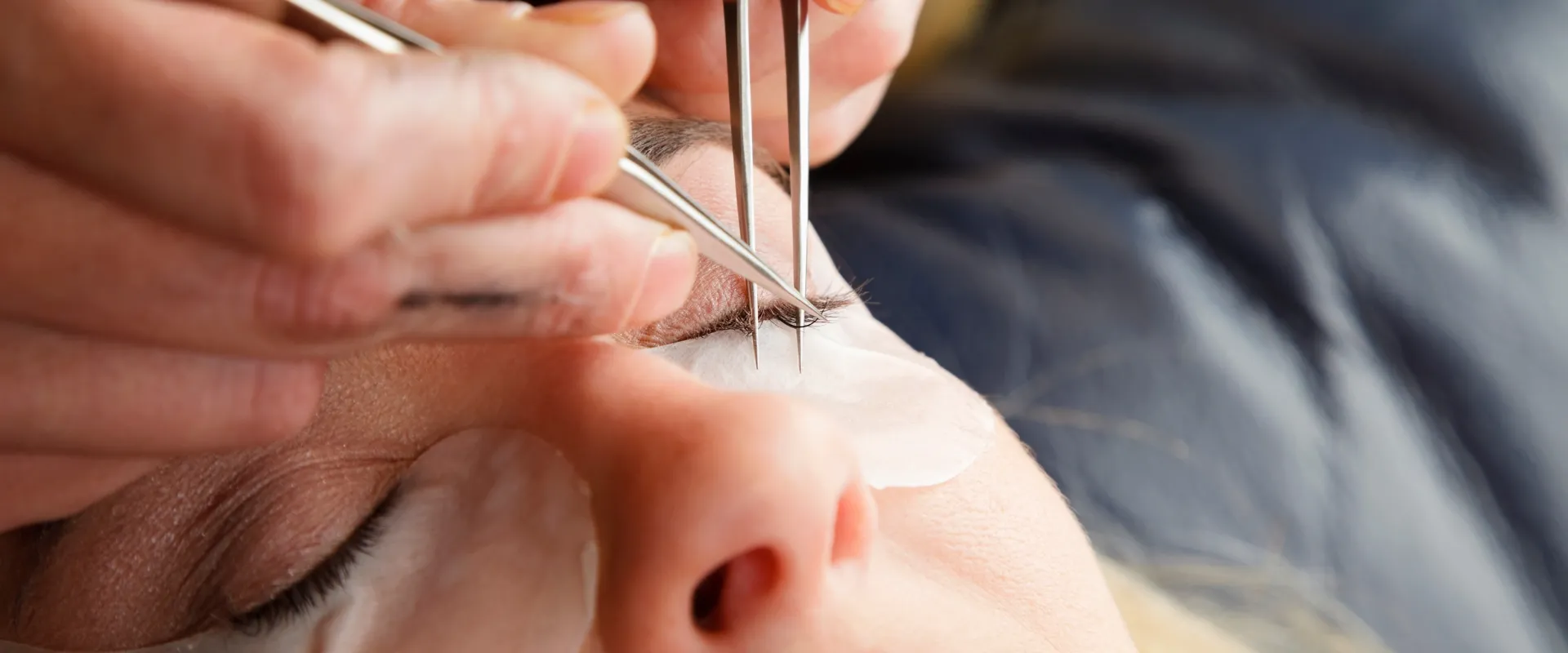


lash glue drying time fix is the first checkpoint buyers should lock before they approve a supplier, budget, or production slot. Your hygrometer reads 55%. Thermometer says 70°F. The glue brand is the same one you’ve used for years. The checklist looks perfect on paper. But the lash glue drying time fix you need isn’t on that list — it’s the date you opened the bottle. Sample approval on day one gave you a clean 1.2-second tack at 50% humidity. Quality tolerance passed. But three weeks later, with the same conditions, that same bottle takes five seconds to cure. The missing item nobody checks: the open window.
I’ve watched lash artists chase humidity readings, swap brands, and blame the weather while a $50 bottle of glue sits on their station, already six weeks past its prime. A bottle of cyanoacrylate adhesive has a 4- to 6-week shelf life once opened. After that, viscosity shifts, moisture ingress changes the cure profile, and the drying time you relied on vanishes. Mark the open date on every bottle. That single habit solves more slow-drying complaints than any formula switch.
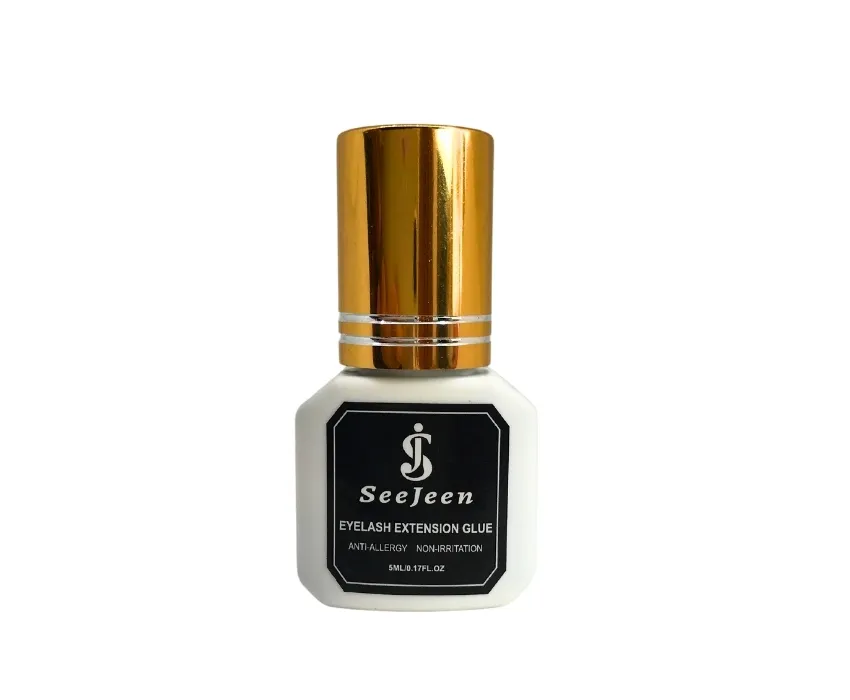
The Science of Lash Glue Drying: Temperature and Humidity
90% of drying complaints are caused by workspace humidity outside 40-70% (internal factory data).
Cyanoacrylate lash glue requires moisture from the air to trigger polymerization. No moisture, no curing. Under the factory baseline of 50% relative humidity (RH) and 70°F, surface set completes in 0.5–3 seconds. That’s the range every batch is QC-tested against at Lash Glues Factory. Deviate from that environment, and the cure time shifts — sometimes dramatically.
How Cyanoacrylate Polymerization Works
The chemical reaction is straightforward: cyanoacrylate monomers link into polymer chains when they encounter hydroxyl ions from water vapor. Higher humidity feeds the reaction more ions, accelerating the cure. At 40% RH, the reaction stalls — cure time stretches to 2.5 seconds or longer. At 50% RH, it hits the sweet spot around 1 second. At 60% RH, it drops to 0.5 seconds. Above 70%, the reaction becomes so aggressive that the glue can snap before the lash extension is placed, causing stickies and poor retention.
Why Humidity Dominates Cure Speed
Temperature compounds the effect. Every 5°F above the 70°F baseline speeds the reaction by roughly 15%. But humidity is the primary control variable — it directly governs how many hydroxyl ions are available. Below 40% RH, even a fast-dry formula will feel sluggish because there simply isn’t enough moisture to trigger full polymerization. Below that threshold, the glue forms a weak bond that fails under tension. Above 70% RH, the reverse problem: the cure happens so fast that the adhesive layer hardens before the extension is fully seated, leading to pop-offs within days.
The ideal lash room conditions are 45–60% RH and 68–72°F. This range is widely accepted across the industry and is the zone where the factory data shows the most consistent performance. If your workspace falls outside these numbers, adjusting the environment should be your first

Common Mistakes That Ruin Cure Time
90% of drying complaints trace back to your salon’s humidity — not the glue formula.
Mistake 1: Storing Glue in High-Humidity Areas
Bathrooms and spots near humidifiers degrade glue fast. A bottle exposed to >70% RH for 24 hours loses about half its shelf life. The factory QC-passes every batch at 50% RH and 70°F. If your storage environment deviates from that, expect performance shifts.
Mistake 2: Leaving the Cap Off
Even 30 seconds of open air at 50% RH lets in enough moisture to thicken the glue drop. That changes cure time immediately. Recap right after every use. If your bottle has a desiccant cap sticker, use it.
Mistake 3: Using Old or Expired Glue
Once opened, lash glue has a 4–6 week performance window. After that, viscosity climbs and cure time becomes unpredictable. Write the opening date on every bottle. If you can’t remember when you opened it, toss it.
Mistake 4: Applying Too Much Glue
Oversized drops create a thick layer that cures unevenly. The surface sets fast, but the core stays liquid. That leads to poor retention and stickies. Use a micro-drop technique — smaller deposits cure faster and form stronger bonds.
Mistake 5: Fanning Too Soon
Aggressive fanning before the bond has set disrupts polymerization. Wait at least 2 seconds after placing the extension before you start fanning. A nano mister at the end of the service introduces controlled moisture to finalize the cure — far more reliable than rushing the fan.
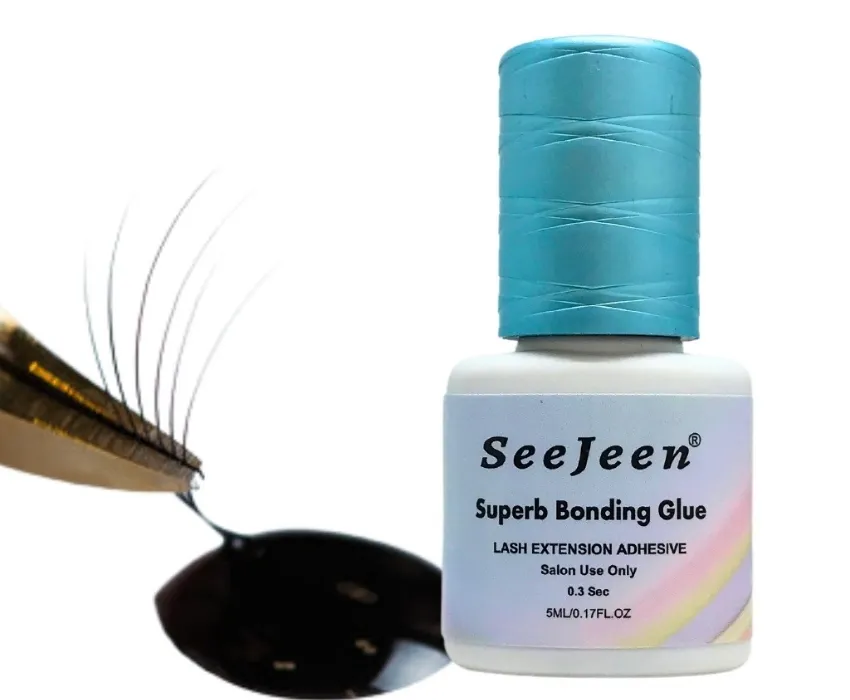
How to Test Your Glue’s Performance in Your Salon
Your salon’s humidity, not the glue, causes 90% of drying issues.
Step 1: Measure Your Environment Accurately
Place a digital hygrometer/thermometer at chair height — not on the supply shelf or near the door. Humidity readings vary by several percent within a single room. You need the number at the level where your lashes are being applied. Acceptable range: 45–60% relative humidity, 68–72°F. Our factory QC-passes every adhesive batch at exactly 50% RH and 70°F. If your hygrometer reads 38% RH, the glue didn’t change — the room did.
Step 2: Run a Drop Test Against Factory Spec
Put a single drop of your current glue on a lash strip. Measure the time from application to when the surface turns tacky (the surface set). At 50% RH and 70°F, that number should be 1–2 seconds for most professional adhesives. If your drop test takes 4+ seconds, humidity is below 40% or temperature is under 68°F. If it sets in under 0.5 seconds, humidity is above 65% or the bottle is too warm. Write the result next to your hygrometer reading.
Step 3: Use a Structured Diagnostic Checklist
- Environment: Hygrometer reading at chair height – if outside 45–60% RH or 68–72°F, correct first.
- Bottle age: Once opened, glue performance degrades after 4–6 weeks. Mark the open date on the bottle.
- Drop test result: Surface set time vs. factory spec (1–2s at 50% RH / 70°F). Deviation points to environment, not the formula.
- Fanning method: Aggressive fanning before the bond cures disrupts polymerization. Wait at least 2 seconds after placement.
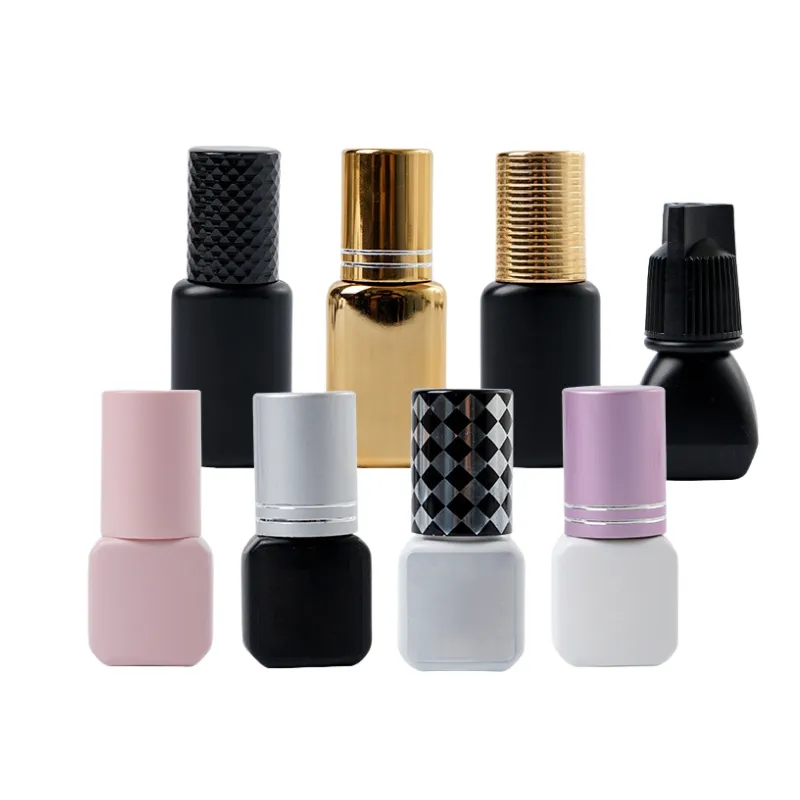
When to Switch to a Different Formula
Environment first, formula second.
Before you switch to a different lash glue formula, fix your workspace humidity and temperature. Internal data from Lash Glues Factory shows that 90% of drying complaints are caused by humidity below 40% or above 70%, not the glue itself. Every production batch is QC-passed at 50% RH and 70°F. If your salon deviates from that, a different viscosity grade will perform better than a different brand.
Fast-Dry vs. Sensitive vs. Cluster Glue: Which One When?
- High humidity (above 65%): Fast-dry formula cures in 1–2 seconds, preventing over-acceleration and stickies. Our black strip lash glue works well here.
- Low humidity (below 40%): Sensitive or slow-cure formula gives you 2–4 seconds of working time. A slow-cure grade avoids brittle bonds.
- Watery eyes or sensitive clients: Low-fume sensitive formula with flexible bond reduces irritation and maintains retention.
- DIY cluster lashes: Cluster-specific glue has a thicker viscosity and slower set, allowing time to position multiple fans.
Three Viscosity Grades to Match Any Climate
Rather than pushing a one-size-fits-all fast-dry glue, Lash Glues Factory supplies three viscosity grades: fast-dry (thin), standard (medium), and sensitive (thick/slow). Each grade is formulated to perform within a specific humidity bracket. If your salon runs at 55% RH, the standard grade delivers a 1.5-second cure. If you drop to 35% RH, switch to the slow-cure grade. No new brand required.
The rule: adjust your environment first. If you’ve already dialed in 45–60% RH and 68–72°F but still see inconsistent drying, then move to a different viscosity grade. That’s when switching makes sense.
Conclusion
Most lash artists blame the glue when drying time drags. But 90% of complaints trace back to workspace humidity outside 40-70%. The final 10% that separates pros: they measure their environment before blaming the bottle. They know the factory QC-passes each batch at 50% RH and 70°F — so any deviation means adjusting the room, not switching brands.
- Humidity below 40% or above 70% causes 9 out of 10 drying time problems.
- Ideal salon conditions: 45–60% humidity and 68–72°F.
- A bottle of glue has a 4–6 week open window; after that viscosity degrades.
- Replace glue drops every 15–20 minutes to avoid oxidation.
Frequently Asked Questions
Why does my lash glue take too long to dry?
Low humidity below 40% or cold temperatures under 68°F slow polymerization. Also check if the glue is more than four weeks old after opening, as expired glue loses reactivity. Check your hygrometer and glue age first.
How to make lash glue dry faster?
Increase humidity to 45–60% with a humidifier and keep the room at 68–72°F. A nano mister on finished lashes can also speed curing. Adjust your environment before switching glue formulas.
What temperature is best for lash glue storage?
Store unopened glue at 60–70°F in a dark, dry place. Avoid refrigeration because condensation can degrade the glue’s performance. Keep storage consistent and away from moisture.
Can humidity cause lash glue to dry too fast?
Yes, humidity above 70% makes the glue cure so fast it can snap before you place the extension. Maintain 45–60% humidity for proper working time. Monitor humidity closely to avoid snap cure.
How long should lash glue take to dry for a classic set?
For classic sets, the ideal surface set time is 1–2 seconds. If it takes longer than 2–3 seconds, check your salon’s humidity and temperature. Target 1–2 seconds for efficient classic application.