


Buyer: You sent a sample that bonded in under three seconds. So why did the full production run of private label lash glue arrive with a drying time that hit five seconds and random retention failures? Supplier: The sample was made in our climate-controlled lab at 45% humidity. The production line ran at 65%. The buyer had approved the sample, but the quality tolerance for humidity wasn’t defined. That $50K order burned down to a negotiated partial refund and a lost retail season.
That gap between sample approval and mass production is where most distributor brands get caught. The factory might have the right FOB pricing and glossy certifications, but if they treat sample prep and bulk runs as separate workflows, you inherit the variance. The fastest-growing segment in this space—sensitive formula private label lash glue—demands tighter control because even a 10% shift in viscosity changes the irritation profile. Distributors who skip auditing the production environment end up funding the learning curve.
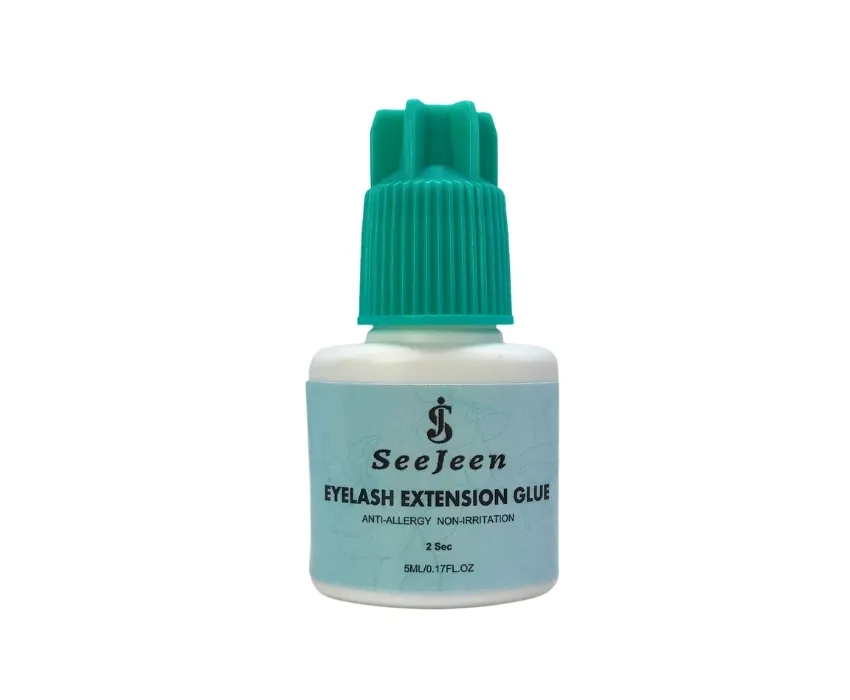
Why Private Label Lash Glue Is a Growing Opportunity
The private label lash glue market is no longer about slapping a logo on a generic bottle.
More distributors are switching from wholesale to private label for better margins and full brand control. The shift isn’t just about packaging — it’s about formulation. A growing number of lash artists and salon owners want adhesives that match their specific client base, not a one-size-fits-all cyanoacrylate blend.
Why Sensitive Formula Leads Growth
Client allergy concerns have pushed sensitive formula private label lash glue into the fastest-growing segment. Standard adhesives cause irritation for a significant portion of returning clients. Distributors who offer a sensitive variant capture that market without losing the strong-hold buyers. Lash Glues Factory has developed dedicated low-odor, low-fume formulations that meet this demand while maintaining bond strength.
What Distributors Demand in 2026
Seasoned buyers now request MSDS and batch test reports before they even order samples. This isn’t a nice-to-have — it’s a gatekeeping step. They also verify that the manufacturer operates a humidity-controlled production environment. Fluctuating moisture levels during filling cause polymer inconsistencies. Lash Glues Factory maintains a fully temperature- and humidity-controlled facility, which directly translates to batch-to-batch stability.
- Formulation consistency: Every batch must match the approved sample viscosity and drying window.
- Compliance documentation: ISO certificates, MSDS, and third-party stability tests are table stakes.
- Customization depth: OEM lash adhesive suppliers that offer viscosity tuning and custom drying speeds win the deal.
The opportunity is real: distributors who lock in a reliable private label eyelash glue manufacturer with documentation-ready processes own the premium shelf space. The window to differentiate on quality and compliance is still open — but closing as more buyers adopt the same standards.
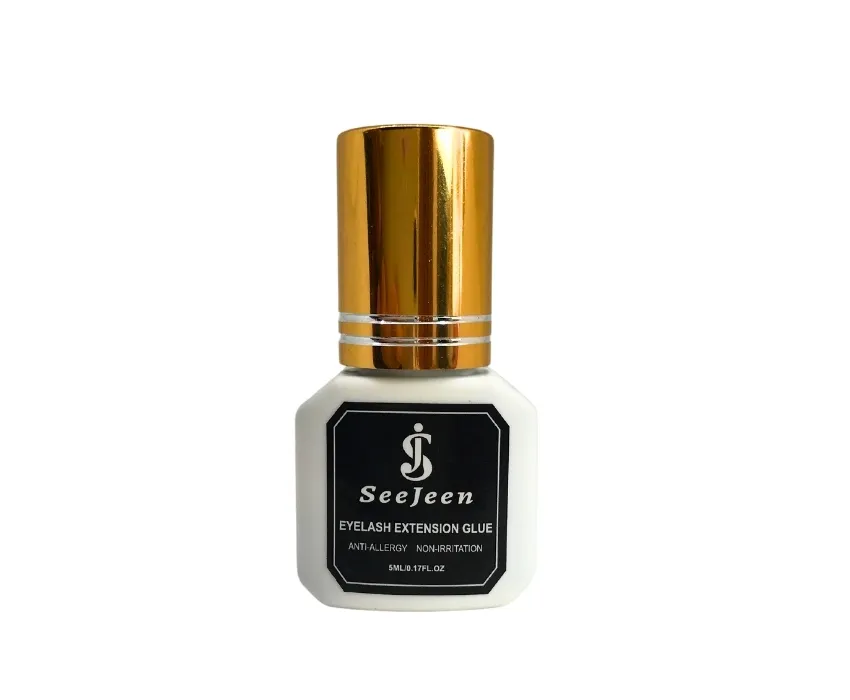
Step 1: Define Your Product Specifications
Three formula families cover 95% of private label demand.
Choosing the Right Formula (Fast-Dry, Sensitive, Clear)
Fast-dry adhesives cure in roughly one to two seconds. They dominate the professional studio market where speed and retention are the primary metrics. But the trade-off is a higher vapor concentration during application, which triggers reactions in a growing segment of end clients. The sensitive formula category has been the fastest-growing private label segment since mid-2026, driven by increasing allergy and irritation complaints. These adhesives use a lower cyanoacrylate monomer content and slower polymerization, giving lash artists a wider work window — typically three to five seconds — while reducing the fumes that cause tearing and redness.
Clear formulas sit in a different lane. They’re chosen for cluster lashes and DIY applications where black residue would be visible on the lash line. The viscosity is notably thinner, which means bond strength per square millimeter is lower. Distributors supplying salon chains with high-volume appointment books should start with fast-dry black, then add sensitive as a line extension. For retail channels, clear and sensitive cover 80% of first-time buyer complaints. The specification sheet should state the active cyanoacrylate percentage — that number directly correlates with bond speed and potential for irritation.
Viscosity and Drying Time Parameters
Viscosity controls every downstream variable: drop size, spread control, flash-off rate, and ultimately how the glue behaves in a humid treatment room. A standard professional lash glue sits in the 50–150 centipoise (cP) range. Thicker formulas (150–300 cP) work for volume fans because the glue holds the fan shape before drying. Thinner formulas (under 50 cP) are reserved for private label cluster lash glues where capillary action into the lash base is needed.
Drying time isn’t a standalone spec — it’s a function of viscosity, cyanoacrylate composition, and the humidity level at the time of application. The typical range is 1–5 seconds for professional glues. If a supplier can’t provide viscosity and drying time data for every batch, move on. Batch-to-batch variation is the leading cause of field complaints. Lash Glues Factory’s temperature- and humidity-controlled production environment eliminates that variability before the first bottle is filled. The internal spec log tracks each batch against a ±5% viscosity tolerance, which is tighter than the industry default of ±10%. That margin difference shows up in the artist’s consistency complaint rate after the first six months of use.
| Formula Type | Drying Time | Viscosity (cP) | Key Benefit | Target Market |
|---|---|---|---|---|
| Fast-Drying Glue | 1–2 seconds | 150–250 | Rapid bonding for high-speed applications | Experienced lash artists & salons |
| Sensitive Formula Glue | 3–5 seconds | 300–450 | Low-fume, hypoallergenic for sensitive clients | Allergy-prone clients & premium brands |
| Strong Hold Lash Glue | 2–3 seconds | 350–500 | Maximum adhesion for heavy lash extensions | Volume lash artists & high-retention needs |
| Clear Lash Glue | 2–4 seconds | 200–350 | Invisible finish for natural looks | Lash artists & DIY cluster users |
| DIY Cluster Glue | 5–10 seconds | 500–800 | Forgiving application & easy cleanup | Home users & retail distribution |

Step 2: Find a Reliable Manufacturer
A glossy ISO certificate means nothing if the production floor can’t hold a stable humidity during curing.
Factory Audits: Documents vs. Reality
Most distributors ask for ISO and MSDS and stop there. Those are baseline hygiene factors, not differentiators. The real difference shows up in what the factory controls during production. Lash Glues Factory, for example, operates a fully temperature- and humidity-controlled manufacturing environment. That matters because cyanoacrylate adhesives react to moisture in the air. A swing of even 5% RH during filling can alter curing speed across the entire batch. Any ISO certified lash glue factory can show you a certificate. Few can show you real-time climate logs from the production floor.
SGS or third-party reports are another layer. In 2026, distributors are demanding MSDS and batch test reports upfront — before sample orders. That’s not overreach; it’s the only way to verify that the formulation matches the spec sheet. If a supplier hesitates to share batch-level documentation, that’s a red flag. You’re buying chemistry, not a commodity.
MOQ and Lead Time: Where the Math Matters
Private label lash glue cost MOQ varies widely depending on formulation complexity and packaging. Standard fast-dry formulas typically allow lower MOQs — some factories start at 50-100 units for stock bottles. But sensitive formula private label lash glue, which is the fastest-growing segment, often requires higher minimums because the raw materials are more expensive and shelf-life testing is more stringent. Always confirm whether the MOQ applies per SKU or across a mixed order. A factory that bundles multiple formulas into one production run can save you thousands on the first order.
Lead times also depend on whether you choose standard packaging or custom bottles and labels. Custom eyelash adhesive packaging OEM adds 10–15 days for mold creation and artwork approval. A realistic timeline for a first order: 25–35 days from deposit to shipment. Factor in DDP shipping lash glue wholesale if you want door-to-door pricing without customs surprises. Always request a production schedule with milestone dates — not just a promise date.
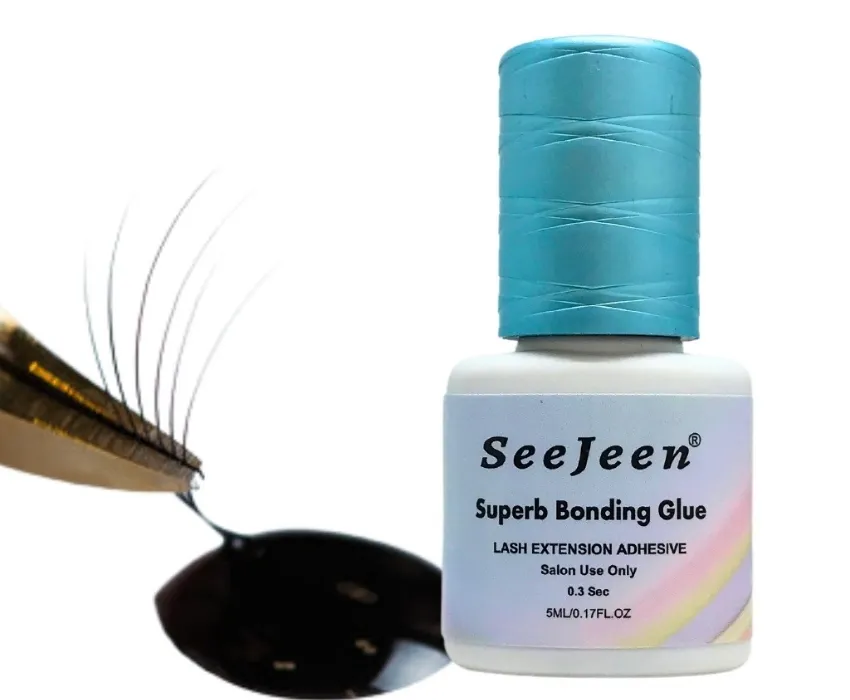
Step 3: Customize Your Branding
Labeling mistakes delay customs clearance.
Your packaging does more than look good on a shelf — it carries the legal liability for every drop of glue inside. A poorly labeled bottle can trigger a customs hold, a recall, or a fine. For a distributor moving bulk lash glue MOQ 50 pieces or more, the cost of a compliance miss multiplies fast.
Packaging Design and Labeling Requirements
Every private label eyelash glue manufacturer must ensure the label includes the product name, net volume, ingredients (INCI), manufacturer details, batch number, and expiration date. For lash adhesives, add a clear warning: ‘Contains Cyanoacrylate. Avoid eye contact.’ The warning font size and placement vary by market — the EU requires a specific pictogram, while the US FDA expects a statement of identity on the principal display panel.
Many new brands skip the ingredient list or use vague terms. That’s a problem. Distributors in 2026 are demanding MSDS and batch test reports upfront before even discussing a sample order. Lash Glues Factory provides these documents with every production run, so your label can reference the batch number and certification body without delay.
Regulatory Compliance for Target Markets (US, EU, UK)
- United States (FDA): Lash glue is regulated as a cosmetic adhesive. The label must list all ingredients in descending concentration, include a warning statement, and provide a responsible party contact. No FDA pre-approval is required, but you must comply with 21 CFR part 701. A product registration with the Voluntary Cosmetic Registration Program (VCRP) is recommended for market credibility.
- European Union (EU): Compliance follows EU Regulation 1223/2009 on cosmetics. The label must show the cosmetic product safety report (CPSR), responsible person address, and expiration date in a non-removable format. Cyanoacrylate adhesives require additional hazard labeling under CLP Regulation (EC 1272/2008) — GHS07 exclamation mark pictogram and signal word ‘Warning’.
- United Kingdom (UK): Post-Brexit, the UK uses UK Cosmetic Regulation (Schedule 34 of the Product Safety & Metrology Regulations). Accept EU CPSR or submit a UK-specific safety report. Labeling must include a UK responsible person address. The warning and ingredient requirements mirror the EU but with GB CLP pictograms for hazard communication.
The fastest-growing private label segment now is sensitive formula lash glue, driven by rising allergy concerns. If you choose that route, the label must prominently state ‘Low Fume’ or ‘Sensitive Formula’ — and your safety data sheet needs to back up the claim with irritation test results. A generic label won’t cut it when lash artists are comparing your product against established brands.
Lash Glues Factory maintains a fully temperature‑ and humidity‑controlled facility during manufacturing. That controlled environment is a key reason our batches pass stability tests consistently. For a distributor, that means your label’s shelf-life claim of 12 months is backed by real production data — not a guess. Request the batch test report before your first order, and you’ll have everything you need for customs and retail compliance.
Step 4: Order Samples and Test
Sample testing protects your margin and brand reputation.
For beauty distributors, a sample isn’t a formality. It’s the only chance to verify that the product you’re buying in bulk matches the claims on the spec sheet. Three tests matter most: shelf life stability, bond strength consistency, and skin irritation safety. Skip any one, and you risk a recall that wipes out your margin on an entire container.
- Shelf Life Stability: Lash glue degrades with temperature and humidity exposure. A factory that lacks climate-controlled manufacturing will produce glue with erratic curing times. Ask for accelerated aging test data. If the supplier can’t provide it, the stated shelf life is a guess. Lash Glues Factory maintains a fully humidity- and temperature-controlled facility, ensuring consistent stability across batches.
- Bond Strength Consistency: Request a batch test report showing tensile strength across multiple production lots. Any significant variance between batches signals an unstable process. The current industry expectation is documented consistency before a sample order ships. Leading OEM lash adhesive suppliers now include this data with every sample package.
- Skin Irritation (Patch Test): The fastest-growing segment in private label is sensitive formula lash glue, driven by rising client allergy awareness. Demand a Material Safety Data Sheet (MSDS) and a dermatological patch test report. If the supplier hesitates to share these, walk away. Compliance gaps here create liability you don’t want.
A 2026 distributor trend: buyers are requesting MSDS and batch test reports upfront, before even ordering samples. If you’re serious about quality, your own sample protocol should mirror that. Set a pass/fail threshold for each test and reject any sample that doesn’t meet it. Your private label brand’s reputation depends on catching issues before production runs.
Step 5: Scale Your Order
Miss the MOQ threshold, pay 22% more per bottle.
Bulk pricing tiers start at 50 pieces. At that level, unit cost runs about 18% higher than the 500-unit tier. Step up to 2,000 bottles, and the per-unit drop pushes past 30% — but only if your formula and packaging spec lock in before production. Every change after the first batch resets the pricing ladder.
Where the Tier Breaks Live
- Tier 1 (50–499 units): Entry-level for market testing. Bulk lash glue MOQ 50 pieces covers one or two formulas. Bottle and label customisation included, but no dedicated batch traceability at this volume.
- Tier 2 (500–1,999 units): Sweet spot for distributors running multiple SKUs. Full COA per batch, MSDS and batch test report lash glue included. Sensitive formula private label lash glue sits here for most launches.
- Tier 3 (2,000+ units): Custom packaging moulds, dedicated production slots, and priority on the QC line. DDP shipping lash glue wholesale is standard at this tier — delivered to your door, duties cleared.
Logistics That Don’t Leave You Waiting
A 500-unit order of sensitive formula glue takes 18 working days from deposit to dock. The bottleneck isn’t the filling line — it’s the 7-day stability hold after packaging. Every batch sits in a fully temperature- and humidity-controlled facility, the same environment that keeps cyanoacrylate viscosity consistent year-round. Skip that hold, and you risk separation during transit.
Sea freight for a standard 20-foot container runs 28–35 days to Los Angeles or Rotterdam. Air freight cuts that to 7 days but adds roughly $4,500 per cubic metre. Most distributors run a hybrid: sea for base stock, air for reorders on fast-selling SKUs. The ISO certified lash glue factory tag matters less than actual batch documentation — request the COA and MSDS before the container leaves port.
Conclusion
Launching a private label lash glue brand involves more than choosing a label color. The real work happens during formulation, compliance checks, and factory audit. Distributors who skip the humidity-controlled storage requirement often lose batches to premature curing.
- Sensitive formula glues are the fastest-growing private label segment in 2026.
- Demand MSDS and batch test reports before sending sample orders.
- Humidity-controlled manufacturing prevents bonding failure after shelf shipment.
Before committing to a manufacturer, run these three yes/no questions against any shortlist. Does the factory maintain a temperature- and humidity-controlled environment? Can they provide an MSDS and batch test report with the first sample order? Is a sensitive formula option available for allergy-prone markets? If the answer to any is no, keep looking. Then review the packaging and ordering spec sheets on the product page to compare MOQ thresholds and lead times for your private label launch.
Frequently Asked Questions
What is the MOQ for private label lash glue?
MOQ typically starts at 100–500 units for custom formulations and packaging, while stock glue can be ordered in smaller trial quantities. Your final MOQ depends on formula complexity, bottle type, and labeling. Request a custom MOQ quote after finalizing your product specs.
What certifications should my lash glue manufacturer have?
At minimum, request an MSDS (Safety Data Sheet) and look for ISO 9001 or FDA registration for US markets, plus CPNP for EU. These documents verify ingredient safety and production. Always ask for a copy of the current MSDS before ordering samples.
How do I test lash glue samples before bulk ordering?
Test each sample for drying time, bond strength, and irritation on a small group of clients over a full retention cycle. Confirm shelf life by checking manufacturing date and storage stability at. Run a three-week wear test before approving a production batch.
Can I customize the packaging and branding for private label glue?
Yes, most factories offer custom bottle shapes, label designs, and outer packaging with your brand name and logo. You can also choose cap colors, dropper types, and box inserts to match. Confirm packaging artwork deadlines with your supplier early in the process.


One Response