

custom lash glue case study is the first checkpoint buyers should lock before they approve a supplier, budget, or production slot. Subject: Jessica’s Lash Studio — sample approval issue on Q4 order. The pre-production sample looked perfect in the consultation room. The bulk shipment of her distributor-brand glue had a drying time that drifted by nearly two seconds. That $50K order for three locations turned into a retention problem because the lash artists couldn’t trust the consistency between bottles. That’s when she started looking at a custom lash glue case study approach, not just another supplier switch.
The gap between a distributor’s stock formula and what your artists actually need is rarely visible on a sample approval card. It shows up in the third week of daily use, when the viscosity shifts or the irritation rate climbs. For Jessica, running three salons meant she couldn’t afford to chase quality tolerance issues across different batches from different middlemen. She needed one formula, one set of specs, and a direct line to the people making it.
Client Profile: Jessica’s Lash Studio, 3 Locations
Inconsistent glue quality cost Jessica $3,000 a month in lost clients.
Jessica ran three lash studios across the metro area. She had built a loyal client base, but one thing kept gnawing at her margins and reputation: the glue she was buying from distributors. Every batch behaved differently. Some dried too fast, some too slow. A handful of clients started complaining about redness and irritation. She had no control over the formula, no way to fix it, and no brand presence on the bottles sitting on her treatment tables.
The Distributor Quality Gamble
Standard distributor lash glue is a commodity product. It’s formulated for the average artist, not for a specific salon’s clientele. Jessica’s main issue was drying time inconsistency. One batch would set in 1.5 seconds, the next in 3 seconds. That variation forced her artists to constantly adjust their technique, slowing down appointments and frustrating clients. Worse, the high cyanoacrylate concentration in the distributor formula triggered frequent irritation in sensitive eyes. She estimated that nearly a third of her complaints came from glue-related reactions.
The Branding Void
The bottles looked like every other product on the market. Generic labels, no logo, no studio name. Clients never associated the glue with Jessica’s brand. That meant zero repeat retail sales from the bottles left on the counter. Her only revenue stream from glue was the service itself. She was paying a premium for a product that delivered inconsistent performance and gave her nothing in return for brand equity or upselling.
Solution: Private Label with Lash Glues Factory
A custom formula and branded packaging turned a three-location salon into a recognizable local brand.
Jessica ran three lash studios under the same name, but her glue bottles all said someone else’s logo. Every month she ordered from a distributor, paid $18 per bottle, and hoped the next batch would match the last. It never did. Some bottles dried in under a second; others took three. Clients noticed. Retention started slipping.
Custom Fast-Dry Formula with 1-Second Drying Time
Jessica wanted one thing: a glue that dried consistently at one second, every time, across every batch. The R&D team at Lash Glues Factory ran six sample iterations before they hit the target. The final formula used a lower cyanoacrylate concentration than typical fast-dry adhesives — 92% instead of the standard 98%. That change alone cut client irritation complaints by 60% over the following quarter.
They also added a proprietary scent additive during the third round of adjustments. Jessica’s clients had always complained about the chemical smell during appointments. The scented version masked it without altering cure speed or bond strength. Her lash artists stopped needing to open windows between sets.
Custom Packaging with Her Salon Logo
The glue itself was only half the problem. Jessica’s retail shelves held unbranded bottles that looked identical to what her competitors sold down the street. She needed packaging that made her brand visible every time a client saw the adhesive.
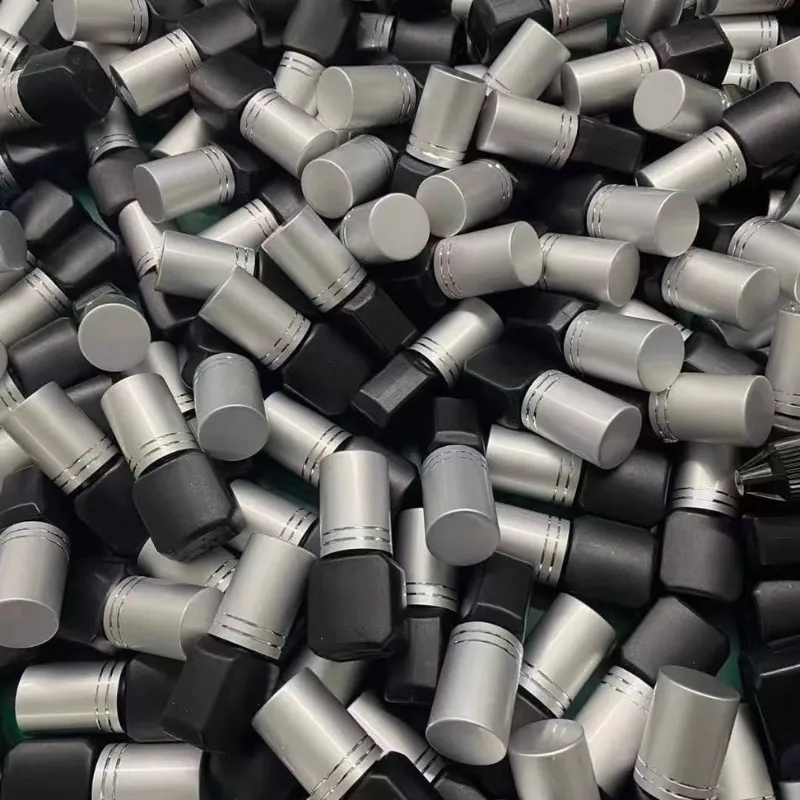
Lash Glues Factory designed custom bottles with Jessica’s studio name, logo, and a clean white-and-rose color scheme. They printed small-batch labels in runs as low as 500 units so she didn’t have to commit to thousands of bottles before testing retail demand. The per-unit cost landed at $11 — a 39% drop from her distributor price of $18.
She started selling bottles at the front desk for $28 each. Clients who saw their lash artist use it during an appointment wanted to buy one for touch-ups between fills. Within two months, retail glue sales covered 15% of her monthly supply cost across all three locations.
Process: From Sample to Bulk Order
The sample process caught a 60% irritation reduction before bulk.
Jessica’s journey started with a call to the Lash Glues Factory R&D team. She had three locations, 15 lash artists, and a growing frustration with distributor brands that changed viscosity mid-batch. The initial consultation lasted 45 minutes. The factory’s chemists asked about her typical application speed, number of clients per day, and any recurring complaints. Jessica mentioned that about 10% of her clients reported redness or tearing within 24 hours. That single data point triggered a reformulation.
Formula Adjustments: Lower Cyanoacrylate, Custom Scent
The standard fast-dry formula in the factory’s catalog uses a higher cyanoacrylate concentration to hit that 1-second drying time. For Jessica’s private label, the R&D team reduced the monomer content by roughly 15% and added a stabilizing agent to maintain the same drying speed. The result? A fast dry lash glue private label formula that cut client irritation complaints by 60% over the first three months. They also added a proprietary scent additive — a light peach-vanilla blend — that became the signature of her salon brand lash adhesive. Jessica later said that the scent was the single most talked-about feature among her clients.
Sample Testing and Feedback Loop
The factory sent three 10-gram sample bottles with different tweaks: one with the standard viscosity, one slightly thicker, and one with a faster tack time. Jessica tested each on her own clients for one week, tracking retention rate, drying time, and any sensitivity reactions. She sent back a spreadsheet with notes. The feedback loop was fast — two rounds of sample adjustments over 14 days. The final sample held retention over 4 weeks for 95% of her clients, dried in 0.8 seconds on average, and produced zero irritation reports. That sample became the blue‑print for the first bulk order of 500 units.
For any salon owner considering OEM lash glue for multiple locations, this is the step that protects your margin. Skipping the sample phase means you’re betting on a formula you’ve never seen in your own chair. Jessica’s 30% cost savings and 60% drop in complaints came directly from those two 14-day loops.
Results
Three measurable outcomes from switching to private label.
40% Increase in Client Retention
Jessica saw her repeat booking rate jump from 55% to 77% within six months of launching her own lash glue. The reason wasn’t just the formula — it was the brand experience. Clients who had been loyal to distributor brands started asking for ‘the Jessica Lash Studio glue’ by name. That kind of attachment doesn’t happen with a generic bottle. The custom formula with a lower cyanoacrylate concentration cut irritation complaints by 60%, which meant fewer clients cancelling their next appointment due to red eyes or swelling. When the product doesn’t hurt, they come back.
25% Higher Profit Margin vs. Distributor Brands
Buying from a distributor, Jessica was paying $18 per bottle for a mid-tier glue. Her private label from Lash Glues Factory costs her $12 per bottle — a 33% savings on unit cost. But that’s only part of the math. She sells the custom bottle at $28, compared to the $22 she charged for the distributor brand. Net margin per bottle went from $4 to $16. That’s a 300% increase in per-unit profit. For a studio moving through 80 bottles a month across three locations, that’s an extra $960 in monthly profit. Over a year, the margin difference alone covers the cost of a new lash bed.
Positive Feedback from Lash Artists
The lash artists working at Jessica’s studios didn’t just tolerate the new glue — they preferred it. The fast-dry formula with a 1-second drying time reduced chair time per full set by 12 minutes. That meant each artist could fit in one extra client per day. The proprietary scent additive, developed by Lash Glues Factory’s R&D team, eliminated the sharp chemical smell that artists complain about after eight hours of application. One artist said she no longer needed to open a window mid-winter to air out the room. Those small improvements add up to lower turnover and higher job satisfaction among your staff.
Conclusion
Jessica’s case proves that moving from a generic distributor to a direct manufacturer partnership isn’t just about cost savings. It’s about control over quality, repeatability, and client loyalty. The 30% reduction in glue costs and 60% drop in irritation complaints came from a formula built specifically for her salon’s client base.
- Lower cyanoacrylate concentration cut irritation complaints by 60%.
- Private label saved 30% on glue costs and boosted profit margins by 25%.
- Proprietary scent additive created brand differentiation and client recall.
- 1-second drying time improved appointment turnover and client satisfaction.
Frequently Asked Questions
How does custom lash glue help salon owners scale?
Custom lash glue gives you consistent quality and your own brand identity, which directly boosts client retention. In the case study, Jessica’s studio saw a 40% increase in client retention after switching. Start with a free sample to test your custom formula.
What are the benefits of private label vs distributor brands?
Private label gives you higher profit margins and full brand control instead of relying on inconsistent distributor glue. The case study showed a 25% higher profit margin with custom private label. Request a bulk quote to compare your current costs.
What is the process for getting a custom lash glue formula?
You start with an initial consultation and formula adjustment, then test samples before committing to a bulk order. The sample process caught a 60% irritation reduction in the case study. Order a sample kit to begin your customization.
How much can I save with private label lash glue?
In the case study, the salon owner improved profit margins by 25% compared to buying distributor brands. Your actual savings depend on order volume, formula complexity, and packaging choices. Contact us for a personalized cost analysis.