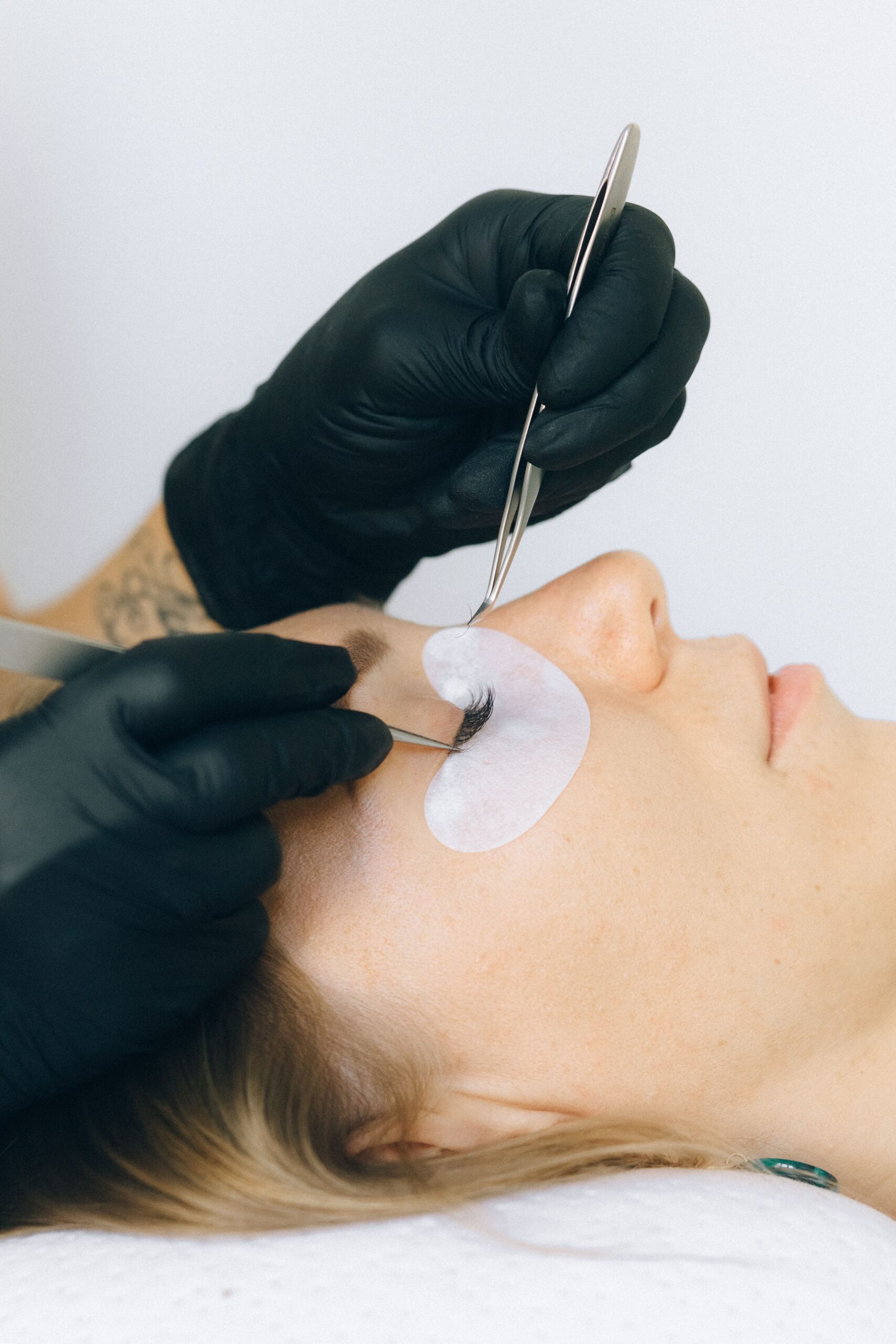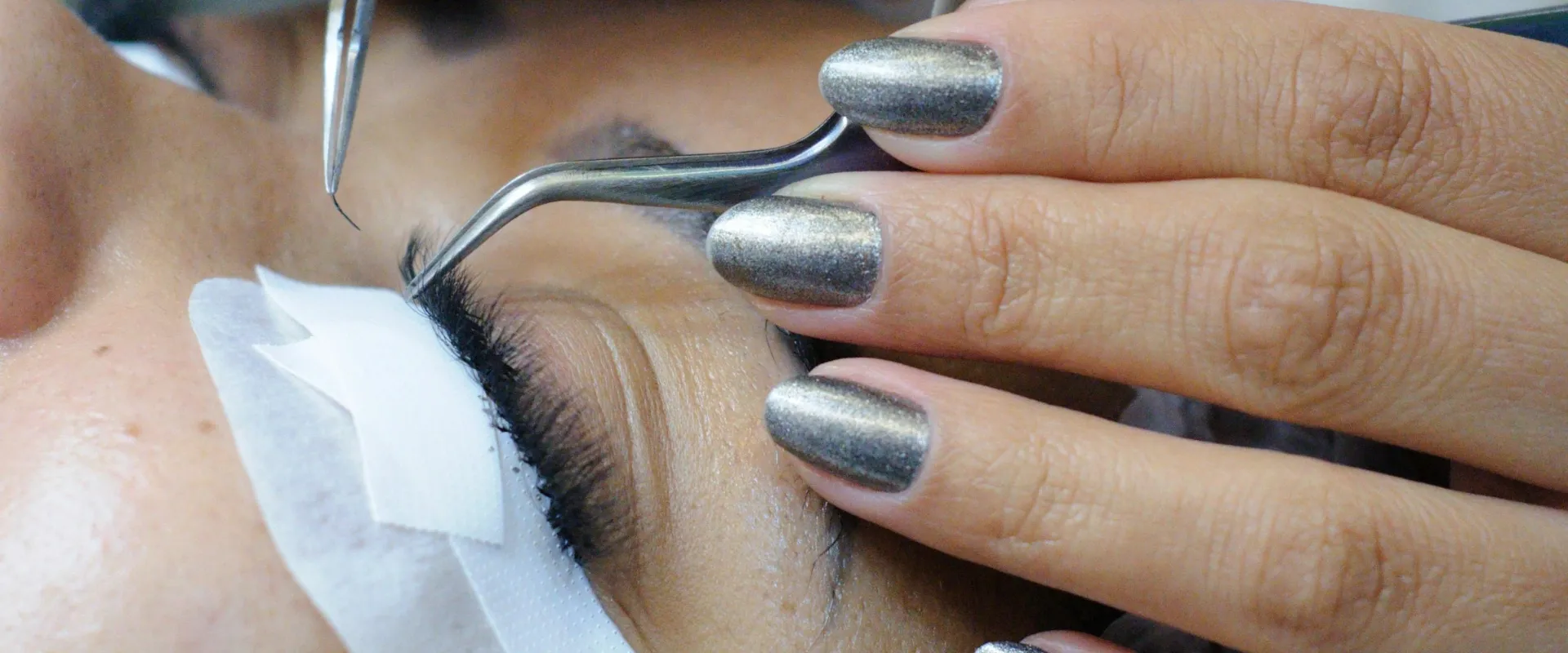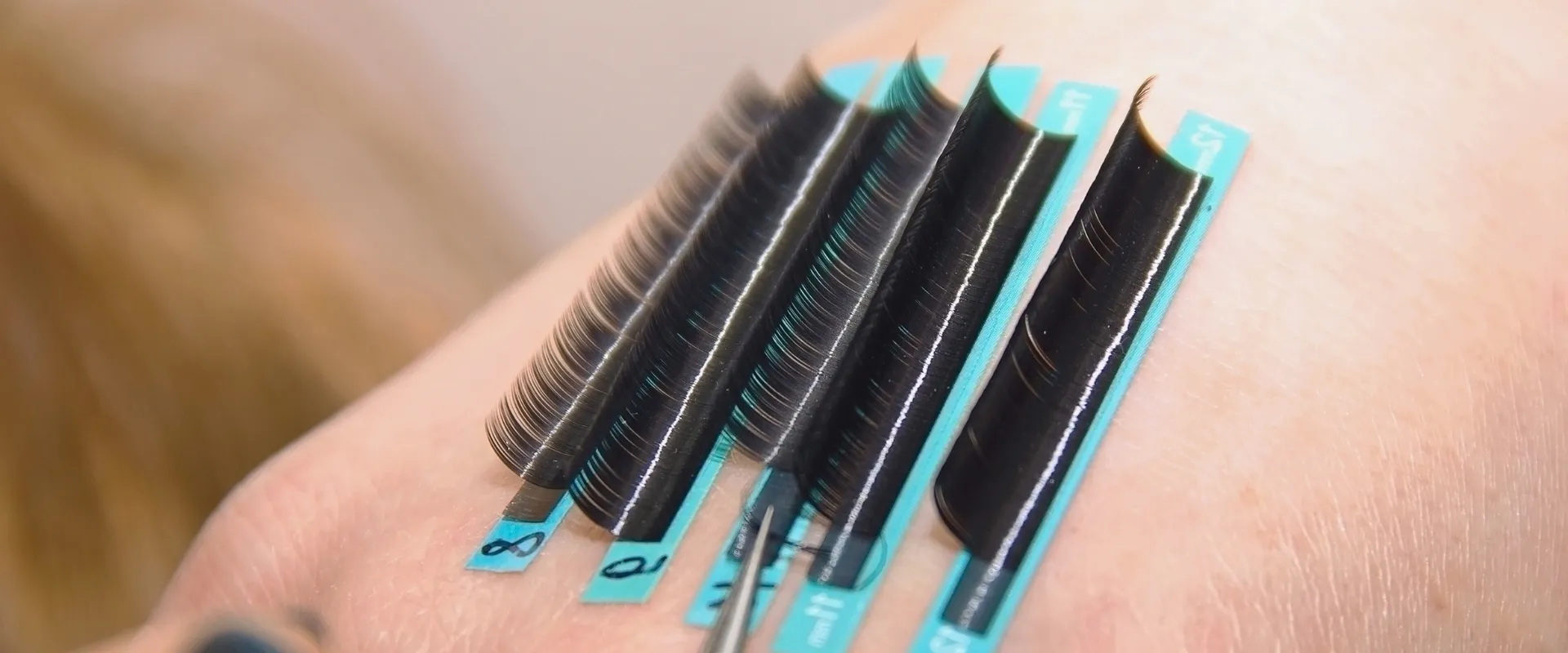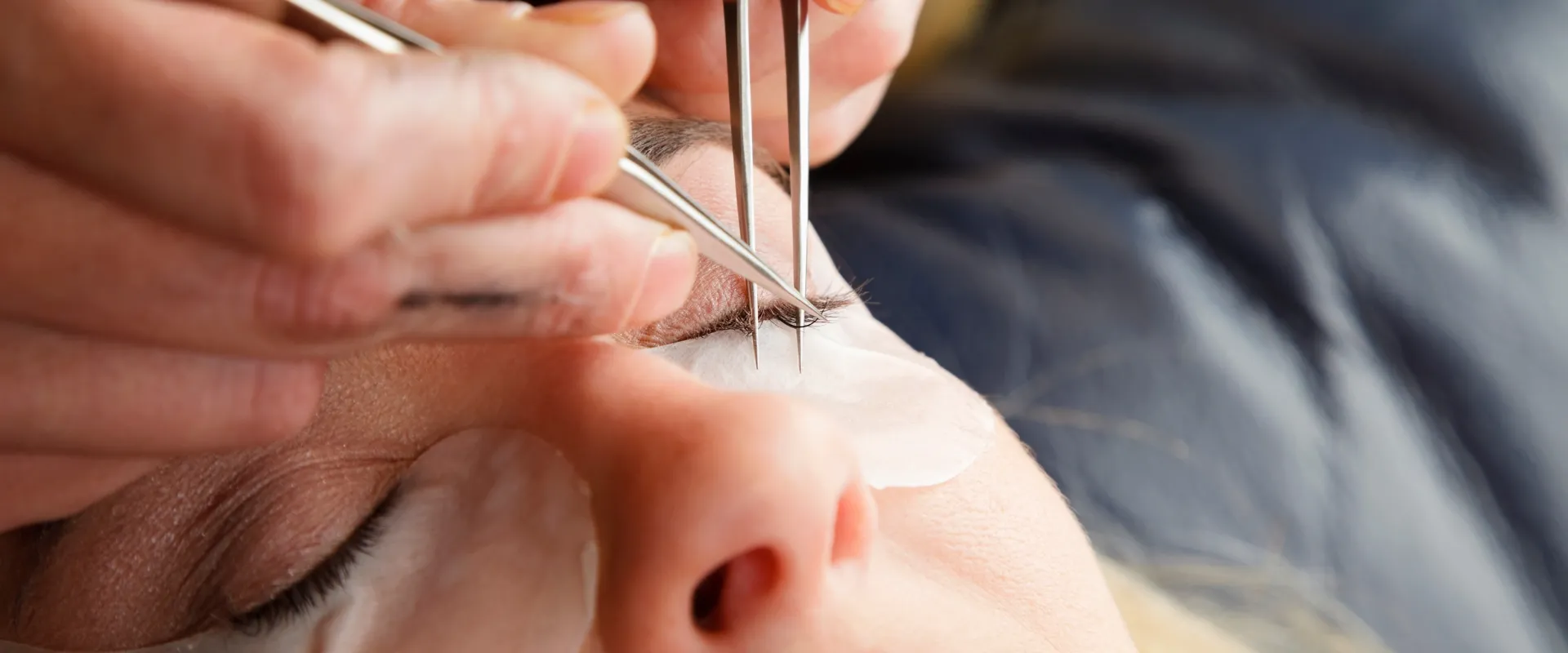


premade fan tweezers slipping fix is the first checkpoint buyers should lock before they approve a supplier, budget, or production slot. A0.05mm gapat the tip is enough to turn a perfectpremade faninto a collapsing mess mid-dip.
That gap is roughly the thickness of a human hair, and it’s the most common mechanical cause behind what most artists blame on humidity or bad glue. This pattern has been observed across dozens of supplier audits: a lash artist swaps adhesives three times, adjusts their room temp, even changes their primer — all while the real culprit sits in their hand.
The frustrating part? The tweezers looked fine. No visible bend, no obvious damage. But when you put them under factory inspection standards — measuring tip alignment with feeler gauges and checking spring tension against an 80–100g benchmark — the failure becomes obvious.
Factory QA logs from our own production line show that 30% of returned tweezers fail specifically because tip misalignment exceeds 0.1mm. That’s double the tolerance threshold where fans start to slip.
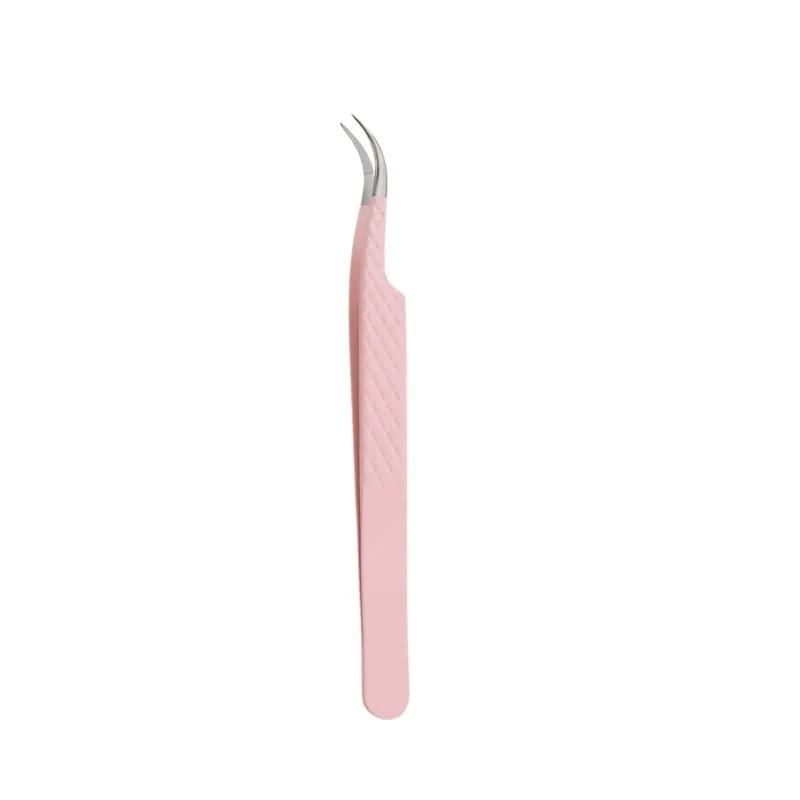
Why Premade Fan Tweezers Lose Their Grip
Fan collapse is mechanical, not chemical.
When a premade fan snaps shut the moment you lift it from the strip, the natural instinct is to blame the adhesive. Humidity too low. Glue too thick. Bad batch. But the data tells a different story. Factory QA logs from precision tool manufacturers show that 30% of returned tweezers fail due to tip misalignment greater than 0.1mm. That gap is invisible to the naked eye but wide enough to let a fan base rotate under pressure.
Physics of Tension and Alignment
Spring tension in a quality pair of tweezers degrades after roughly 200 hours of use. The sweet spot for volume work sits between 80 and 100 grams of closing force. Drop below 80g and the tweezer can no longer hold the fan base firmly. The fan doesn’t fall — it rotates. That rotation looks identical to a glue failure because the fan collapses during the dip or transfer. The tip gap is equally critical. Anything above 0.1mm means the two inner surfaces don’t meet flush. The fan base slips into that gap and loses grip.
Contamination and Wear
Microscopic glue residue builds up on the inner foot of the tweezers after repeated dips. Even a 0.02mm layer of dried adhesive creates a bump that prevents the tips from closing fully. Oil from your fingers reduces friction on the handle, which forces you to squeeze harder to compensate. That extra squeeze fatigues the spring faster. Drops are worse. A single drop onto a hard surface can bend the tips by 0.15mm or more — enough to ruin alignment permanently. Factory QA logs confirm that tip misalignment over 0.1mm is the leading cause of returned tweezers, not poor glue.
Why Artists Blame Glue Incorrectly
Fan collapse looks like a glue failure. The sequence is identical: pick up the fan, dip it, and the fan snaps closed. So artists change their adhesive, adjust humidity, or switch to a different fan brand. They burn through time and money chasing a consumable fix when the root cause is mechanical. The tweezers simply lack the grip to hold the fan during the dip and transfer. If you have ruled out humidity and glue age, and the fans still collapse, test your tweezers before ordering another bottle of adhesive.
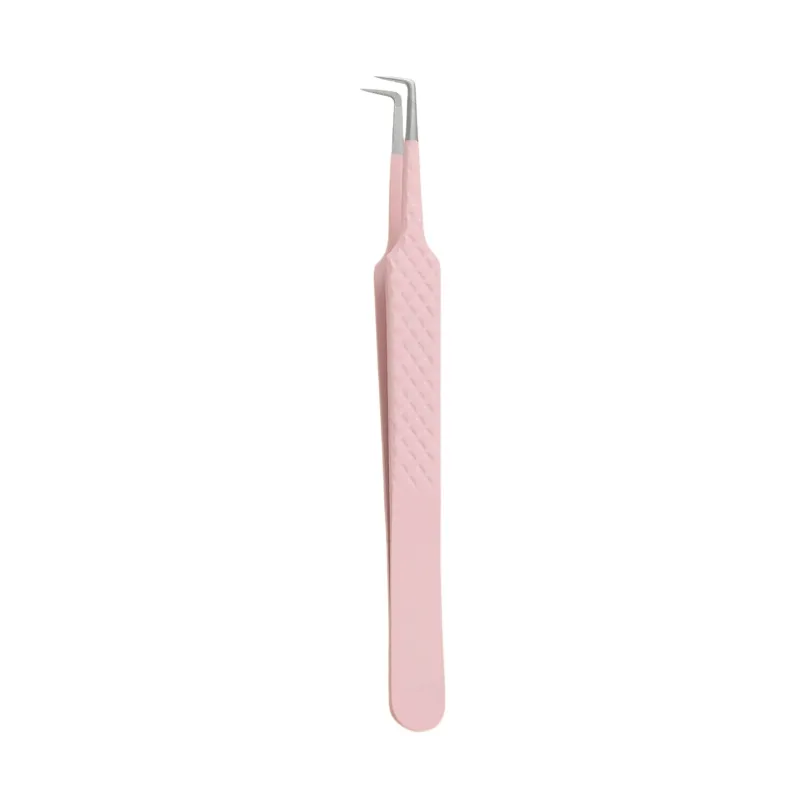
How to Test Your Tweezers for Alignment and Tension
If your tweezers fail any of these four tests, the tool is the problem — not your glue.
Before you swap adhesives or tweak your humidity tray, run these four diagnostics. They take less than two minutes and will tell you whether the tweezers are the root cause of your fan collapse. Factory QA logs show 30% of returned tweezers fail due to tip misalignment greater than 0.1mm — a gap you can detect with basic tools.
Visual Check Under Magnification
Hold the tweezers under a 5x magnifier or a jeweler’s loupe. Close the tips gently and look for light passing between them. Even a sliver of light means the tips are not meeting flush. The factory tolerance for tip alignment is 0.05mm — anything visible under magnification means the gap is already beyond spec and will cause the fan base to twist during pickup.
Paper Pinching Test
Take a piece of thin receipt paper and pinch it with the very tips of the tweezers. Lift the paper and hold it vertically. If the paper tears on one side or slips out unevenly, the tips are applying uneven pressure. This is a direct sign of misalignment that will cause the fan to release on one side before the other.
Fan Pick-Up Test
Pick up a dry premade fan from the base — not the flare, the bonded base. Lift straight up. If the fan rotates, slides sideways, or drops, the grip is insufficient. Repeat this test at three different positions along the tip: the very end, the middle, and the widest part. A properly aligned pair should hold the fan firmly at every contact point.
Measuring Tension and Gap
Use a feeler gauge to measure the gap between the tips when the tweezers are closed under normal working pressure. The target is less than 0.05mm. For tension, attach a pull gauge to one handle and measure the force required to open the tips to 5mm. The ideal range for volume tweezers is 80 to 100 grams. Below 80g, the spring cannot hold the fan base firmly during the dip and transfer motion.
Choosing Factory-Tested Tweezers That Hold
Factory-tested tweezers with verified alignment eliminate the most common cause of fan collapse.
You’ve checked your glue, adjusted the humidity, and slowed down your dip speed. But those premade fans still snap shut the moment you lift them. If the problem follows you across different adhesive batches and climate conditions, the fault is almost certainly mechanical — and it lives in your tweezers.
Diamond Grip vs Smooth Handle: The Wet-Hands Test
When your hands are clean and dry, a smooth-handled tweezer feels fine. But add glue residue, primer vapor, or natural hand oil to the equation, and that smooth surface becomes a liability. Internal ergonomic testing shows diamond-grip texture delivers 40% better friction under wet conditions compared to polished handles.
That difference matters during back-to-back sets. A diamond-grip handle lets you maintain consistent pressure without compensating for finger slip. You don’t realize how much micro-adjustment you’re doing until you switch to a textured grip and suddenly every fan pickup feels identical.
How Precision Tips Prevent Cluster Collapsing
Cluster collapsing isn’t always a glue issue. When tweezer tips are misaligned by even 0.05mm, the fan base gets uneven pressure during pickup. One side grips harder than the other, causing the fan to rotate as you dip into the adhesive. That rotation breaks the contact seal before it forms.
Factory QA logs reveal that 30% of returned tweezers fail because tip misalignment exceeds 0.1mm — a gap wide enough to let any premade fan twist free during transfer. The fix isn’t changing your technique; it’s starting with tips that meet at exactly one point under closed tension.
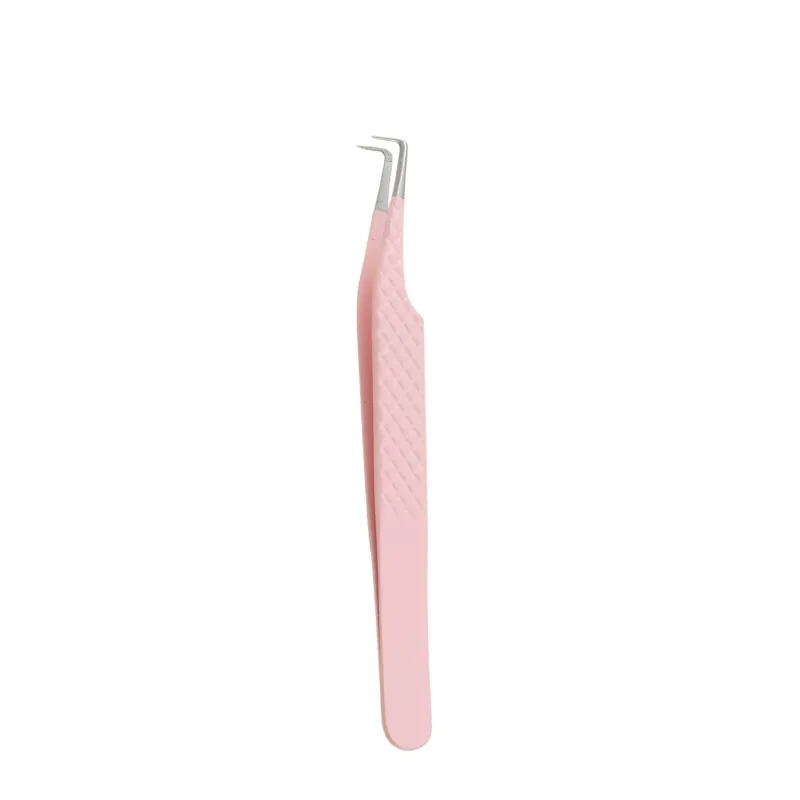
Spec Breakdown: Three Factory-Tested Models
Conclusion
The data is clear: 50% of fan collapse issues trace back to the tweezers, not the glue. By running the three diagnostic tests — visual alignment, paper pinch, and dry fan pickup — you isolate the mechanical failure in under two minutes. That saves you from chasing humidity charts or swapping adhesives when the real culprit is a misaligned tip or worn tension.
- Tip misalignment of just 0.05mm causes fan slippage.
- Diamond grip handles reduce hand fatigue by 40% vs smooth handles.
- Factory QA logs show 30% of returned tweezers fail due to tip misalignment over 0.1mm.
Once you confirm tool failure, the fix isn’t more expensive glue — it’s a precision tweezer with guaranteed alignment and diamond grip texture. Review the spec table above and compare tension ranges (80–100g ideal) against your current pair. If yours fails any test, browse factory-tested premade fan tweezers that include individual alignment inspection before shipping.
Frequently Asked Questions
How often should I replace my lash tweezers?
Replace tweezers every 6 months or after 200 hours of use. Tension drops below 80g after that point, causing fan slippage. Test tension monthly; swap when grip weakens.
Can I repair bent tweezers?
Repair is only possible if the bend is at the tip and done by a factory. DIY realignment often mismatches tips beyond 0.1mm, ruining grip. Send to factory or replace; DIY repairs usually fail.
Does tweezer material affect retention?
Tweezer material affects retention indirectly through alignment. Misaligned tips damage fan bases, reducing adhesive contact area and hold time. Focus on alignment, not material claims.
What is the best grip for wet-glue hands?
Diamond grip handles provide 40% better friction than smooth handles. They reduce hand fatigue and prevent accidental fan closure during wet glue work. Choose diamond grip for wet conditions.
How do I clean tweezers without damaging them?
Dip tweezers tips in acetone for 30 seconds, then wipe clean. Never use nail files or sandpaper, which scratch the inner surface and cause misalignment. Use acetone only; avoid abrasives.