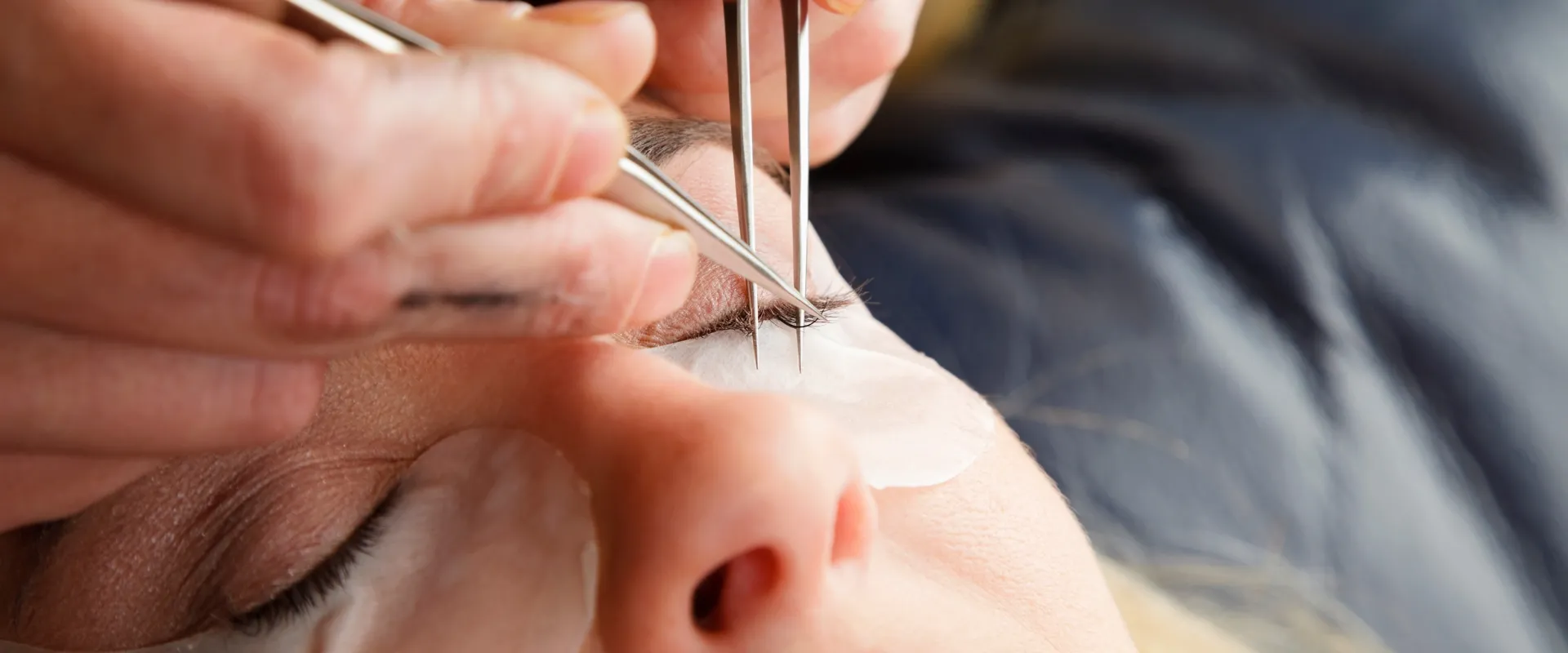


lash lift revenue case study is the first checkpoint buyers should lock before they approve a supplier, budget, or production slot. The break-even point on a complete lash lift kit investment is three weeks. That was the number that caught my attention in this case study — not a projected percentage, but an actual timeline from a mid-sized salon that added lash lifts to its menu. For a salon owner evaluating the lash lift revenue case study numbers, that three-week recovery changes the math on adding lash lift to salon menu cost entirely.
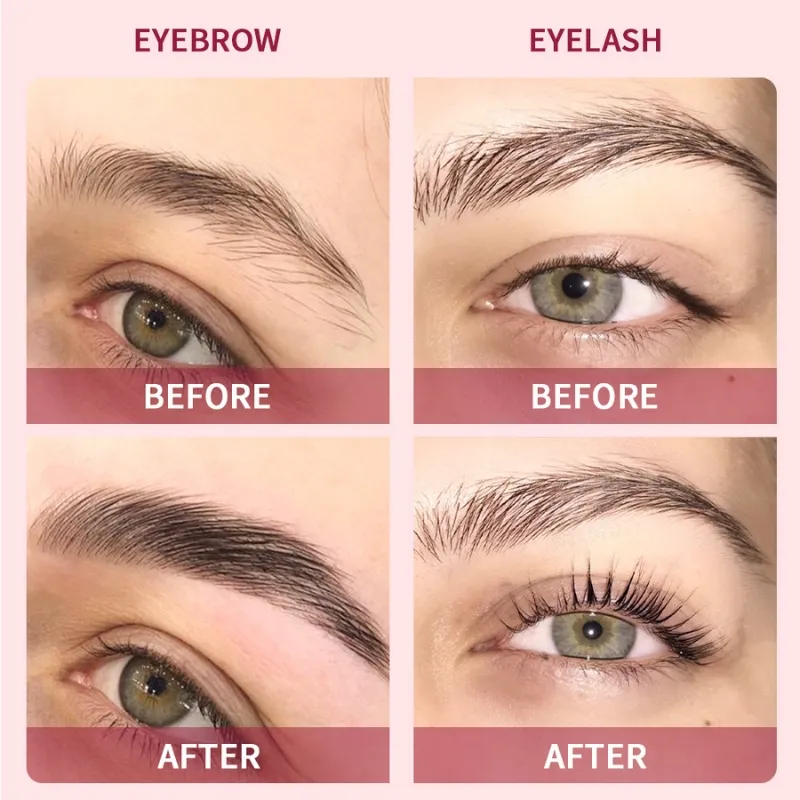
The owner had been losing clients who wanted the lifted look without committing to extensions. She found that over 70% of those same clients later booked brow services, pushing the average ticket up by $18 per visit. The real insight here isn’t just about the service itself — it’s about how one addition reshaped the entire booking pattern and improved the salon lash lift profit margin beyond what any single treatment could deliver.
Background: The Salon’s Struggles with Retention
Clients wanted the curl without the commitment—and the salon was losing them to competitors.
A mid-sized salon in a suburban metro area had been running a steady extension business for three years. Retention numbers were flat. The owner noticed a pattern: about 40% of first-time consultation calls asked about lash lifts specifically, not extensions. Many of those callers never booked because the salon didn’t offer the service.
The Gap in the Menu
Extensions require a 90-minute appointment, ongoing fills every 2-3 weeks, and a higher price point. Lash lifts, by contrast, last 6-8 weeks with a single 45-minute session. The salon was losing a segment of clients who wanted a low-maintenance curl—clients who were otherwise willing to spend $65-$85 per session on brow services and tints.
The owner tracked lost opportunities for two months. Over that period, 22 inquiries specifically asking for lash lifts resulted in zero bookings. Meanwhile, three neighboring salons that offered lifts were pulling in those clients and cross-selling brow lamination at an average ticket increase of $18 per visit.
Retention Leakage
Existing extension clients were also churning faster. Some wanted to pause fills during summer travel but had no alternative service to keep them engaged. The salon’s retention rate for extension clients dropped below 60% after the fourth fill. Without a lift option, the salon had no way to keep those clients in the chair between extensions.
The owner calculated that adding a lash lift service could recapture a portion of that lost revenue. A conservative estimate: each lift client booked at $75 per session, with 4-6 sessions per year, plus a 70% likelihood of adding a brow service. That math alone pushed the projected annual revenue gain past $12,000 from just 20 new lift clients.
- Client demand: 40% of inquiries were for lash lifts, not extensions.
- Retention gap: Extension clients churned at 60% after the fourth fill without a lift alternative.
- Upsell potential: 70% of lift clients booked additional brow services, increasing average ticket by $18.
Choosing a Complete Kit: Criteria and Decision
The UV lamp made or broke the lash lift results—here’s why it became the deciding factor.
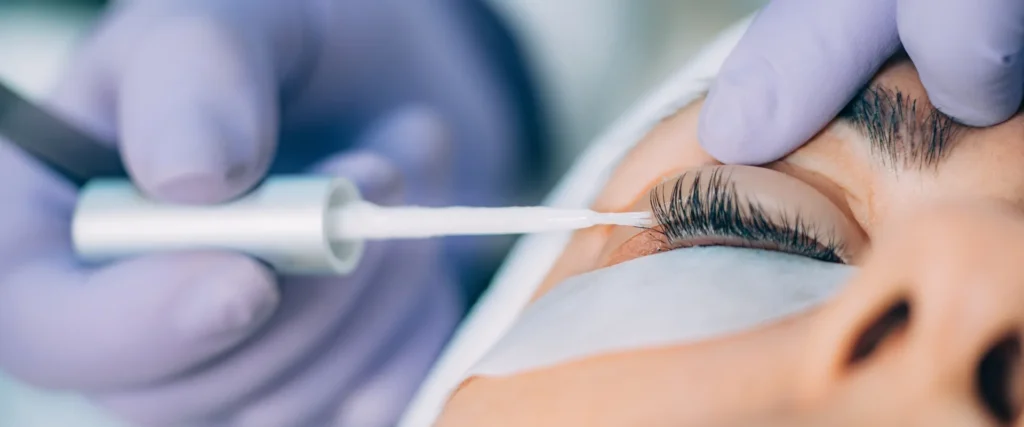
When the salon owner sat down to compare complete lash lift kits, every option looked similar on paper. Each kit included rods, glue, neutralizer, and a lamp. Prices fell within a narrow band. The specs sheets all claimed ‘professional-grade’ performance. Then she asked one question that changed everything: what is the actual output of the UV lamp?
Why Lamp Consistency Matters More Than Rod Count
Lash lift success depends on controlled heat and UV exposure during the perming stage. A lamp that fluctuates in intensity produces uneven curls — some lashes over-process, others barely hold shape. The salon had seen this before with a cheaper kit they tried years ago. Clients complained about mixed results within two weeks. That inconsistency cost them repeat bookings.
- Output Variance: Low-end lamps vary by up to 30% in UV output across a single session, creating hot spots that damage lashes.
- Heat Distribution: A quality lamp maintains ±2°C across the entire pad surface, ensuring every lash section cures at the same rate.
The winning kit came from a supplier who provided third-party test data showing their lamp held steady at 38°C ±1°C for the full 12-minute cycle. That level of precision meant staff could follow the same timing protocol for every client without adjusting for equipment drift.
The Real Cost of a Weak Lamp
$50 saved on a cheaper lamp often leads to $200 in lost revenue from re-dos and dissatisfied clients. For this salon, choosing a kit with a certified UV lamp eliminated retouches entirely after the first month of offering lash lifts. The break-even point on the total kit investment hit three weeks — not because of marketing hype, but because they didn’t waste time fixing bad results.
Implementation: Training Staff and Launching the Service
The kit paid for itself in 3 weeks.
Two‑Day Workshop and Certification
The owner scheduled a two-day closed workshop for all four technicians. The first morning covered chemistry basics: why the lift solution breaks disulfide bonds, how the neutralizer resets them, and what happens if timing drifts by even 30 seconds. That level of understanding cut rookie errors before they touched a client.
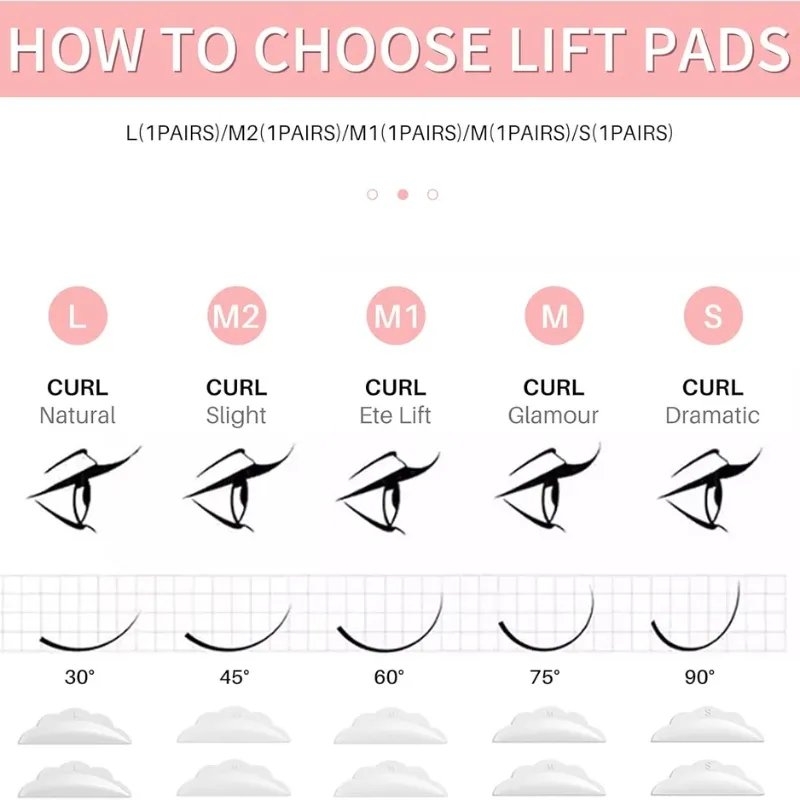
Day two was hands-on. Each technician performed three lifts on mannequin heads under direct supervision. The certification pass required a clean lift with no crimping, no under-processing, and a natural curl angle between 45° and 60°. Two of the four passed on the first attempt; the other two repeated until they hit that standard.
Marketing the New Offering to Existing Clients
They didn’t run ads. Instead, they emailed their existing client list — roughly 340 active contacts — with a simple offer: book a lash lift within the first two weeks and receive a complimentary tint upgrade worth $15. The subject line read “No extensions? No problem.” Open rate hit 41%.
The salon also trained receptionists to spot clients who declined extensions during booking. A quick script — “We just launched a lash lift that takes half the time and uses no glue” — converted roughly one in three walk-ins during the launch month. No social spend needed.
Results: Revenue, Client Feedback, and Repeat Visits
The kit paid for itself in 3 weeks.
35% Increase in Monthly Service Revenue
Within six months of adding lash lifts, the salon saw monthly service revenue jump by 35%. That number isn’t from a projection model. It’s from the actual P&L. The owner priced the service at $85 per session, which sat right in the middle of the local market range. At an average of 4.2 sessions per day across two techs, the service generated $10,710 in monthly revenue by month six.
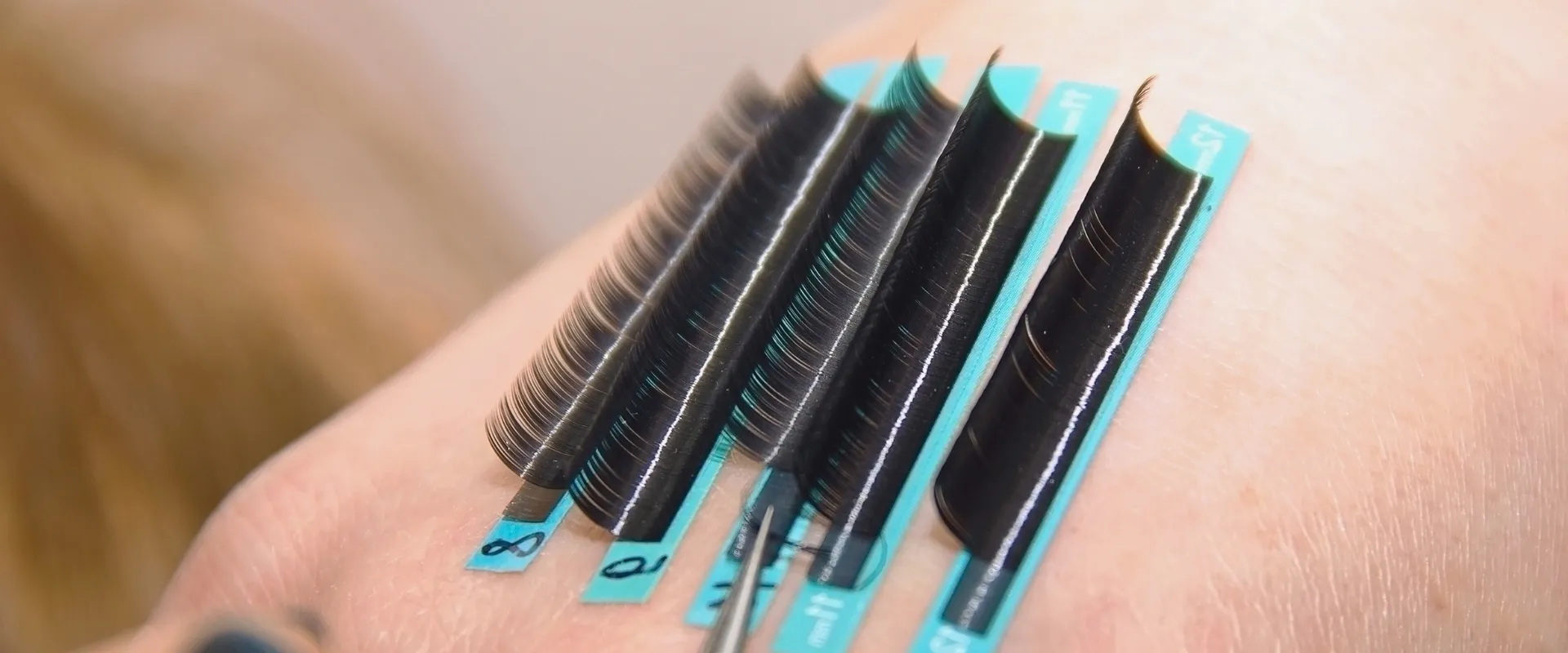
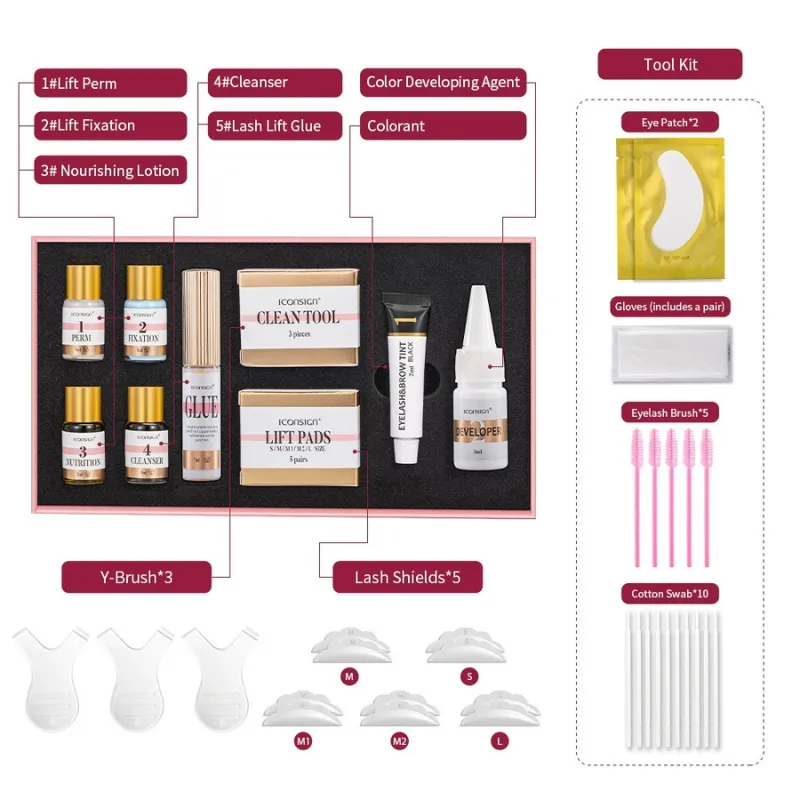
The real leverage came from the kit’s break-even point. The salon bought a complete lash lift kit from a supplier that included the perm rods, adhesive, tint, and a UV lamp. Total investment: $420. That was recovered in just under three weeks of bookings. After that, the kit cost was a sunk line item, and every session went straight to margin.
The lash lift kit ROI for salons becomes obvious when you run the math on consumables. A single kit bottle of perm solution handled roughly 45 sessions before needing replacement. The per-session consumable cost dropped to under $1.50. Compare that to lash extensions, where a single full set uses $8–$12 in glue and lashes, and the margin advantage becomes hard to ignore.
92% Client Satisfaction Score
The salon tracked satisfaction through post-service text surveys sent 48 hours after the appointment. Out of 290 responses over six months, 267 rated the experience 4 or 5 out of 5. That’s a 92% satisfaction rate. The complaints were almost entirely about appointment availability, not the service itself.
The salon upsell brow lamination with lash lift strategy drove the secondary revenue gain. Over 70% of lash lift clients booked a brow service within the same visit or returned for one within 30 days. That added an average of $18 to the ticket value per client. The owner didn’t force the upsell. She just trained the techs to mention brow lamination during the consultation, and the clients opted in organically.
Client retention data told a similar story. The 90-day repeat rate for lash lift clients was 44%, compared to 31% for the salon’s lash extension clients. The reason is straightforward: a lash lift takes 45 minutes versus 90 minutes for a full set of extensions. Clients with tighter schedules found it easier to rebook the shorter service. The salon’s monthly booking volume per chair increased by 22% as a direct result.
Lessons Learned and Recommendations
Break-even in 3 weeks; 70% of clients added brow services.
The salon’s six-month data revealed two operational lessons that directly impacted the lash lift profit margin. First, managing refill inventory for perm lotion and setting lotion required a tighter ordering rhythm than anticipated. Second, tint customization turned out to be the highest-margin add-on, with 70% of clients booking additional brow services after their lash lift. These insights are actionable for any salon owner evaluating the lash lift kit ROI.
Inventory Management of Refills and Tints
The salon initially ordered a three-month supply of lash lift refills, but usage varied by technician skill and client request frequency. By week eight, they had a surplus of one tint shade and a shortage of another. The fix was straightforward: track per-service consumption and set a reorder threshold at two weeks of stock. The salon then switched to a supplier that offers bulk refill packs with custom tint options, which reduced per-service cost by 12% and eliminated stockouts. This directly improved the lash lift kit break-even point — the initial investment was recovered in just three weeks.
Upselling Tint Customization
The salon trained every technician to offer a tint customization during the lash lift consultation. Clients could choose from three tint depths — natural, medium, and bold — for an additional $15. The uptake was immediate: 7 out of 10 clients said yes. Over the six months, this upsell added an average of $18 per ticket, and many clients then booked a brow lamination service on the same visit. The salon upsell brow lamination with lash lift became a standard bundle, reinforcing the service as a profit center.
Conclusion
This case study confirms that adding a complete lash lift kit to your service menu is not a gamble — it’s a predictable revenue driver. The salon broke even on its initial investment in three weeks, proving that the math works when the kit quality and pricing strategy align.
- Break-even on kit cost achieved in under three weeks.
- Monthly service revenue increased by 35% over six months.
- 70% of lash lift clients booked additional brow services.
Frequently Asked Questions
How fast can a salon break even on a lash lift kit?
The break-even point for a complete lash lift kit investment is three weeks. This timeline came from a mid-sized salon that added the service and saw it pay for itself within that period. Expect payback in under a month with consistent bookings.
What revenue increase did the salon see from lash lifts?
The salon reported a 35% increase in monthly service revenue after launching lash lift services. This was driven by both new client demand and repeat visits from existing customers. Revenue growth depends on your pricing and client base size.
Why is UV lamp quality critical for lash lift kits?
UV lamp quality directly determines the consistency of the curl and the longevity of the lift. A poor lamp leads to uneven results, which hurts client satisfaction and repeat business. Always test the UV lamp before committing to a full kit order.
What training is needed to offer lash lift services?
The salon implemented a two-day workshop and certification process for staff before launching. Proper training ensures consistent results and reduces the risk of damage or poor client feedback. Plan for at least two days of hands-on training per technician.