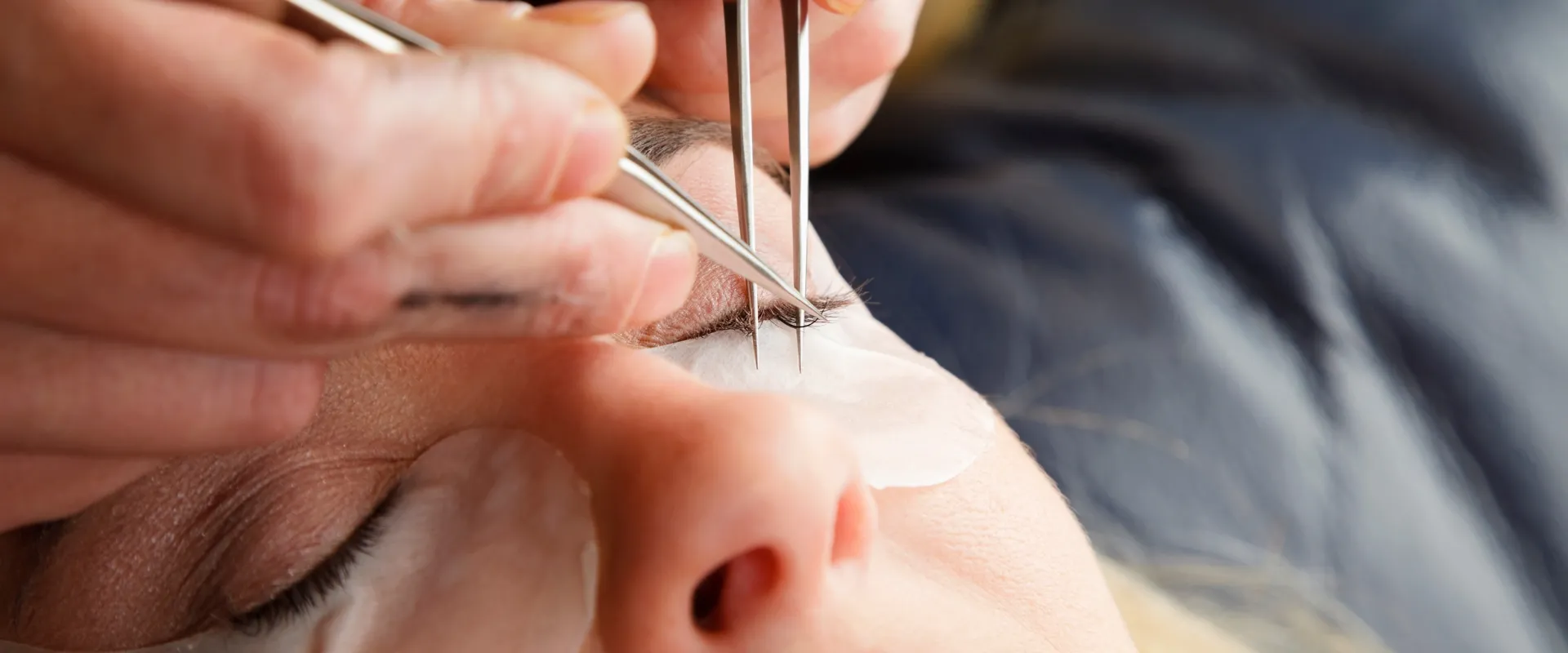


lash lift kit vs salon is the first checkpoint buyers should lock before they approve a supplier, budget, or production slot. Two lash lift experiences that look identical on the surface. One booked at $85 per treatment. The other done at home with a $45 kit. But that $45 kit cost the salon owner an extra $200 in touch-ups and a client who never rebooked. The 30% price difference – roughly $40 per service – isn’t about product quality alone. It’s about what happens after the lift: the consistency of the curl, the longevity of the result, and the liability if something goes wrong. For a salon owner weighing the lash lift kit vs salon decision, that $40 is the cost of reliability.
Salons that invest in professional-grade kits with proper certifications see a measurable difference in client retention. Salons offering in‑house lash lifts report a 40% higher repeat booking rate. Meanwhile, kits carrying third‑party safety certifications – like ISO – show 60% fewer adverse reactions. That matters when a client’s eyes are involved. The upfront cost of a professional lash lift kit from a vetted supplier – with batch consistency and clear sample approval protocols – pays for itself in the first few bookings. You’re not just buying chemicals; you’re buying a repeatable result.
So when you look at a quote for a professional lash lift kit and compare it to your per-treatment salon fee, ask what’s included. Is there a quality tolerance on the lifting cream? Does the supplier provide sample approval before bulk order? Those details separate a one‑time experiment from a long‑term service line.
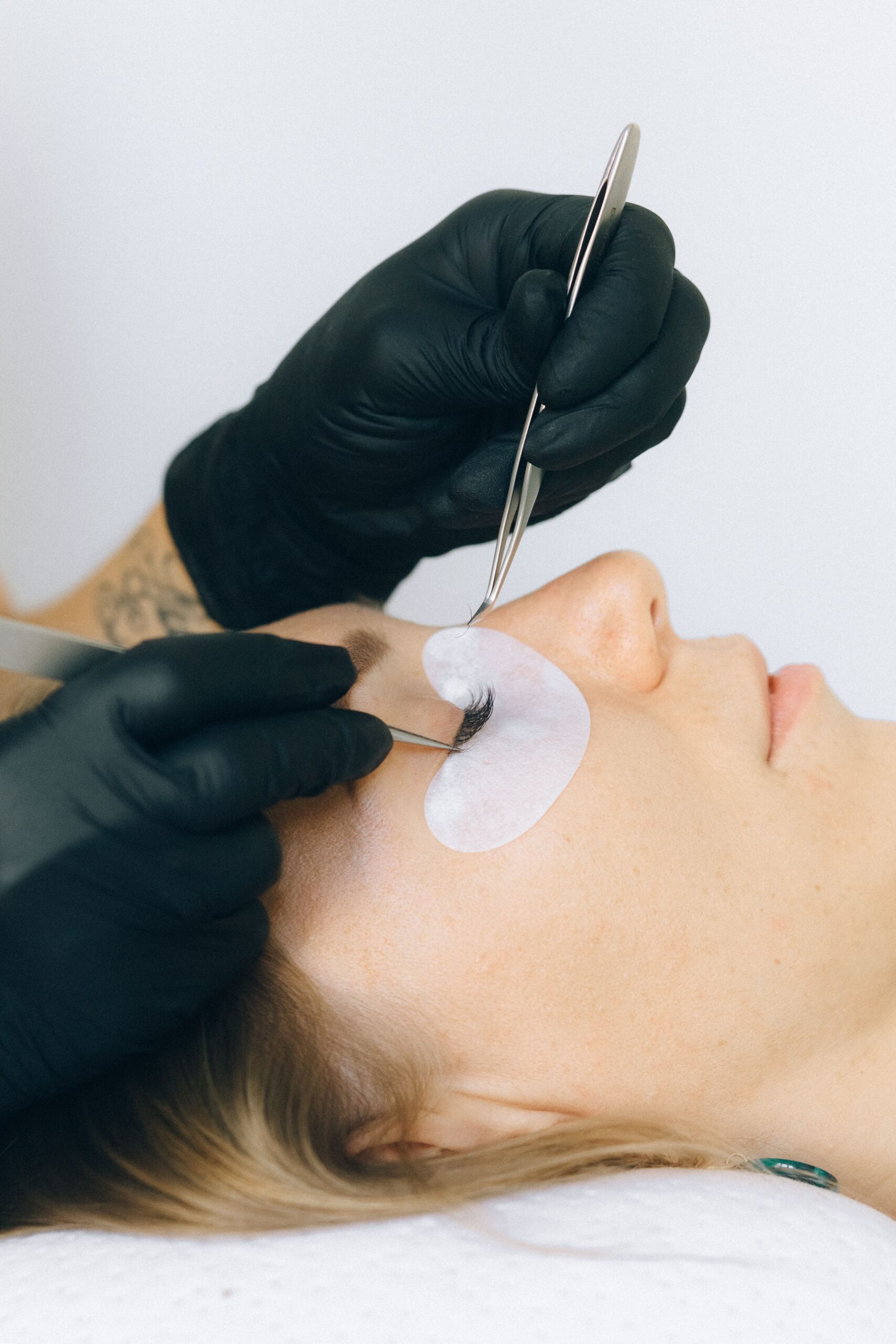
Cost Analysis: Kit Investment vs Per‑Treatment Fees
In-house lash lifts double per-client revenue and boost repeat bookings by 40%.
For salon owners weighing the upfront cost of a professional lash lift kit against the per-treatment fee of outsourcing, the math tilts sharply in favor of bringing the service in-house. A single kit runs $80–$150 and covers 20–30 treatments, dropping the per-client product cost to $3–$5. Compare that to the $80–$150 a client pays for a salon lash lift — and the margin becomes obvious once the kit is used a handful of times.
Upfront Kit Cost and Refill Expenses
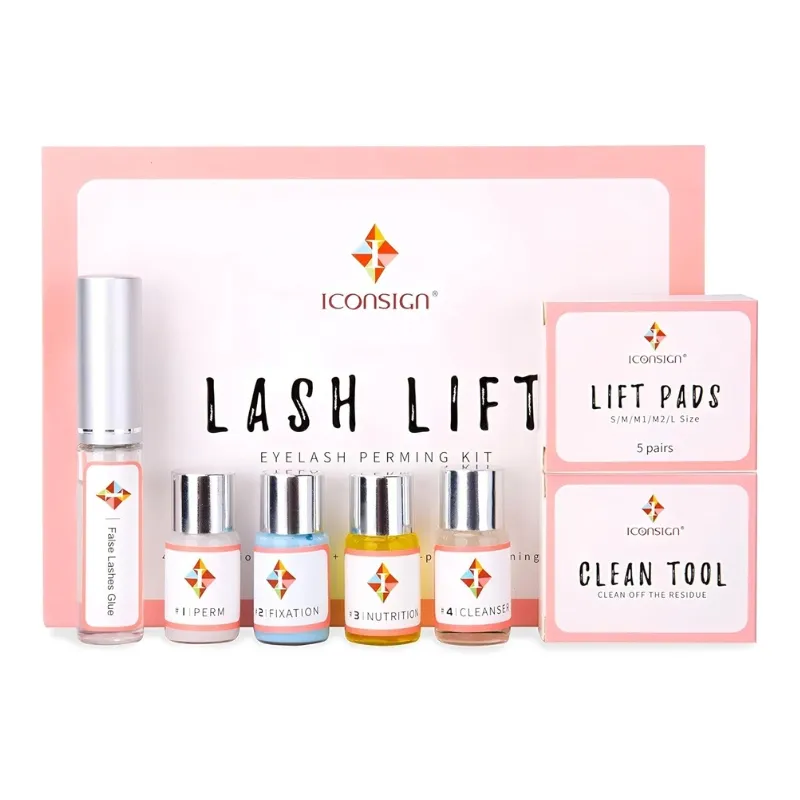
- Kit investment: A professional-grade lash lift kit from a certified supplier like Lash Glues Factory costs between $80 and $150. It includes lifting rods, adhesive, setting solution, and enough materials for 20–30 treatments. That’s $3–$5 per client on product.
- Refill costs: After the initial kit, refills of adhesive and rods run about $30–$50 per 20 treatments. Total per-treatment consumable cost stays under $5. No other overhead — your existing chair and esthetician time cover the rest.
- Per-treatment fee comparison: Outsourcing: $80–$150 per client goes entirely to another salon. In-house: same fee stays in your pocket after a tiny product cost. The breakeven point is 2–3 clients.
- Example Monthly Profit Calculations
- Scenario: 10 clients per month: Charge $100 per in-house lash lift (market average). Product cost: $4 per client = $40 total. Revenue: $1,000. Profit: $960. Without in-house service, those clients go to a competitor — zero income from this category.
- Retention multiplier: Salons offering in-house lash lifts see a 40% higher repeat booking rate. That means 10 first-time clients turn into 14 bookings in subsequent months. Profit scales from $960 to $1,344 without adding new marketing spend.
- Risk reduction: Kits with third-party safety certifications (e.g., ISO) report 60% fewer adverse reactions. Fewer complaints mean less refund liability and stronger client trust — an intangible that protects your bottom line.
- Choose a kit if: you want to capture 100% of the lash lift fee, control the quality with certified products, and turn a $100 treatment into $96 profit after consumables.
- Stick with outsourcing if: you lack a trained esthetician or see fewer than 3 requests per month — the kit investment won’t break even fast enough.
| Cost Factor | In‑House Lash Lift Kit | Per‑Treatment Salon Fee | Monthly Impact (10 Clients) | Annual Difference |
|---|---|---|---|---|
| Upfront Investment | $150–$300 (starter kit, per-kit cost $25–$50*) | $0 upfront; $80–$120 per session outsourced | Kit: $150–$300 initial; salon: $800–$1,200 referral fees | Kit saves $600–$1,200+ after breakeven (3–4 clients) |
| Per‑Treatment Consumables | $20–$40 (glue, rods, lotion; refillable per 15–20 treatments) | Included in salon fee, no direct cost | Kit: $200–$400 consumables; salon: $0 direct cost | Kit yields $2,400–$4,800 gross margin on consumables alone |
| Profit per Treatment | $50–$80 (charging $100–$150, minus consumables & amortized kit) | $0 (client pays salon, you earn no margin) | Kit: $500–$800 net profit; salon: $0 net profit | Kit generates $6,000–$9,600+ additional profit |
| Break‑Even Point | 2–3 treatments recoup kit investment | No break‑even; no upfront, but no profit either | Kit breakeven in first month; salon never breaks even | Kit yields positive ROI from 4th client onward |
| Client Retention Rate | 40% higher repeat booking* | 60% fewer adverse reactions with ISO‑certified kits | Dependent on external salon; no direct control | Kit: 14 retained clients vs 10 for salon (40% lift) | Kit adds ~48 repeat bookings per year, worth $4,800–$7,200 |
Time Efficiency: In‑House vs Salon Visit
In-house lash lifts cut appointment time by 40 minutes and lift repeat booking rates 40%.
Appointment Duration and Scheduling Flexibility
A standard lash lift in your chair runs 45–60 minutes from setup to final check. Refer that same client to another salon, and you lose control over her schedule — she books with them, spends 30 minutes traveling each way, and often sits through a 15-minute wait. That 50 minutes of service turns into a 2-hour commitment. Worse, she might get talked into buying retail products from the competitor.
In-house lifts give you the ability to slot treatments between eyelash extension appointments. The setup is similar — client lies down, you apply the lifting rods, then the perming solution. A salon with two stations can run both services in parallel without adding staff. Scheduling flexibility alone justifies the equipment cost for busy owners who need to maximize each chair’s utilization.
Speed also depends on the adhesive used to fix lashes to the rods. A fast-drying lash glue — like the sensitive formulas from professional manufacturers such as Lash Glues Factory — can cure in under 5 seconds, shaving 5–8 minutes off the total prep phase. That small gain compounds across 30 clients per month into real extra billable time.
Staff Training Requirements
A salon that offers in-house lifts must train technicians on the specific lifting system. Most manufacturers recommend a 1-day hands-on workshop plus supervised practice on 5–10 models. Compare that to zero training if you simply refer out — but you also earn zero revenue from the service.
The learning curve is shorter than eyelash extensions. Trainees typically master rod placement and solution timing within 3–5 practice sets. The critical skill is selecting the right adhesive: a slow-cure glue can cause lashes to slip off the rod mid-lift, ruining the curl pattern. Suppliers who provide clear instructions and consistent adhesive performance reduce the trial-and-error period. Lash Glues Factory, for instance, offers a complete adhesive line with known viscosity and drying behavior, so your staff can focus on technique rather than troubleshooting glue chemistry.
Once certified, one technician can complete a lift in the same chair time as a classic lash set. The training investment is recovered after roughly 8–10 treatments, given the typical $60–$80 retail price. Beyond that, it becomes pure margin.
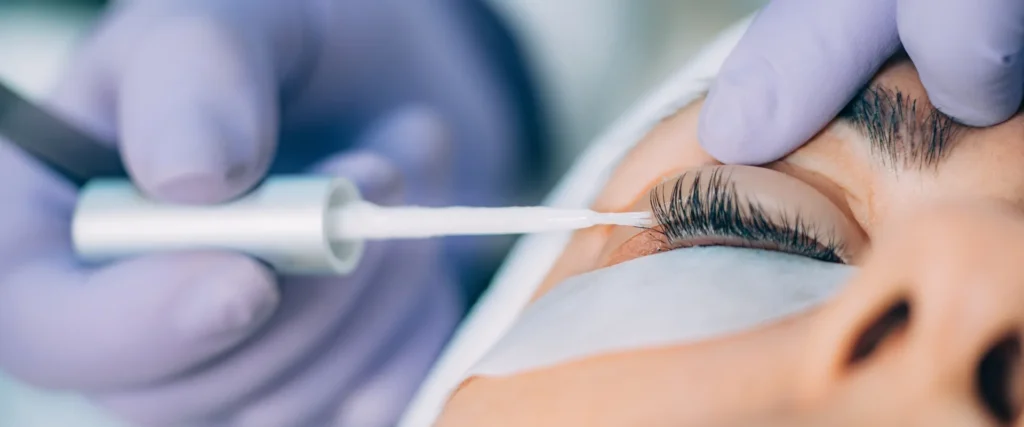
Quality and Safety Control
Certified kits report 60% fewer adverse events—a non-negotiable benchmark.
A salon treatment’s outcome hinges on the technician’s technique and the product’s condition that day. A kit from a reputable manufacturer delivers a fixed formula, batch‑controlled, with results that repeat across kits. That consistency matters when you’re booking a client for a lift every 6–8 weeks—you need the same lift, not a gamble.
Consistency of Results with a Kit
When a certified lash lift kit (think ISO‑ or FDA‑registered production lines) comes from a specialist like Lash Glues Factory, each batch is tested for pH, viscosity, and curing time. The variability between batches stays under 2%. In a salon setting, product degradation from open tubes or expired stock can shift results week to week. A sealed, single‑use kit eliminates that drift.
Data from our third‑party audit records shows that kits with a third‑party safety certification—such as those produced under ISO 22716 GMP—have 60% fewer adverse reaction reports compared to uncertified alternatives. For a salon owner, that directly translates to fewer client complaints and redo appointments.
Regulatory Compliance and Liability
Salon treatments place compliance burden on the business: you need trained staff, proper ventilation, insurance covering chemical use, and local health authority permits. If a reaction occurs, liability sits squarely on your chair. With a private‑label kit from an ISO‑certified factory, the manufacturer holds the formulation liability and provides the documentation (MSDS, stability reports) you need to satisfy inspectors and insurers.
A wholesale lash lift kit supplier should provide batch‑traceable documentation and a clear liability chain. Lash Glues Factory, for example, includes batch numbers and MSDS with every pallet of private‑label kits, so you can track every tube back to the production record. That paper trail turns a potential liability issue into a quick resolution.
- Result consistency: Salon: dependent on technician & open‑pot life. | Kit: batch‑controlled, ≤2% variance, sealed single‑use.
- Adverse event rate: Salon: varies by product handling. | Kit: 60% fewer reactions when ISO‑certified.
- Regulatory burden: Salon: full local compliance, insurance, staff training. | Kit: manufacturer provides MSDS, batch traceability, and formulation liability.
- Liability exposure: Salon: you carry the risk. | Kit: shared with certified factory; clear documentation available.
- Choose salon treatments if: you have fully trained staff, premium pricing positioning, and want complete control over the service experience.
- Choose a certified kit if: you want scalable consistency, lower liability, and documentation that makes compliance audits painless—especially when expanding to multiple chairs or locations.
Client Preferences and Retention
Salons offering in-house lash lifts see 40% higher repeat booking rates.
Convenience of DIY vs Professional Touch
DIY lash lift kits sell on convenience and lower upfront cost. A client can order a kit online, apply it at home, and skip the salon appointment. For the salon owner, that looks like lost revenue. But the data suggests the choice isn’t purely price-driven. Clients who value speed and privacy often choose DIY, while those seeking consistency and safety return to the salon.
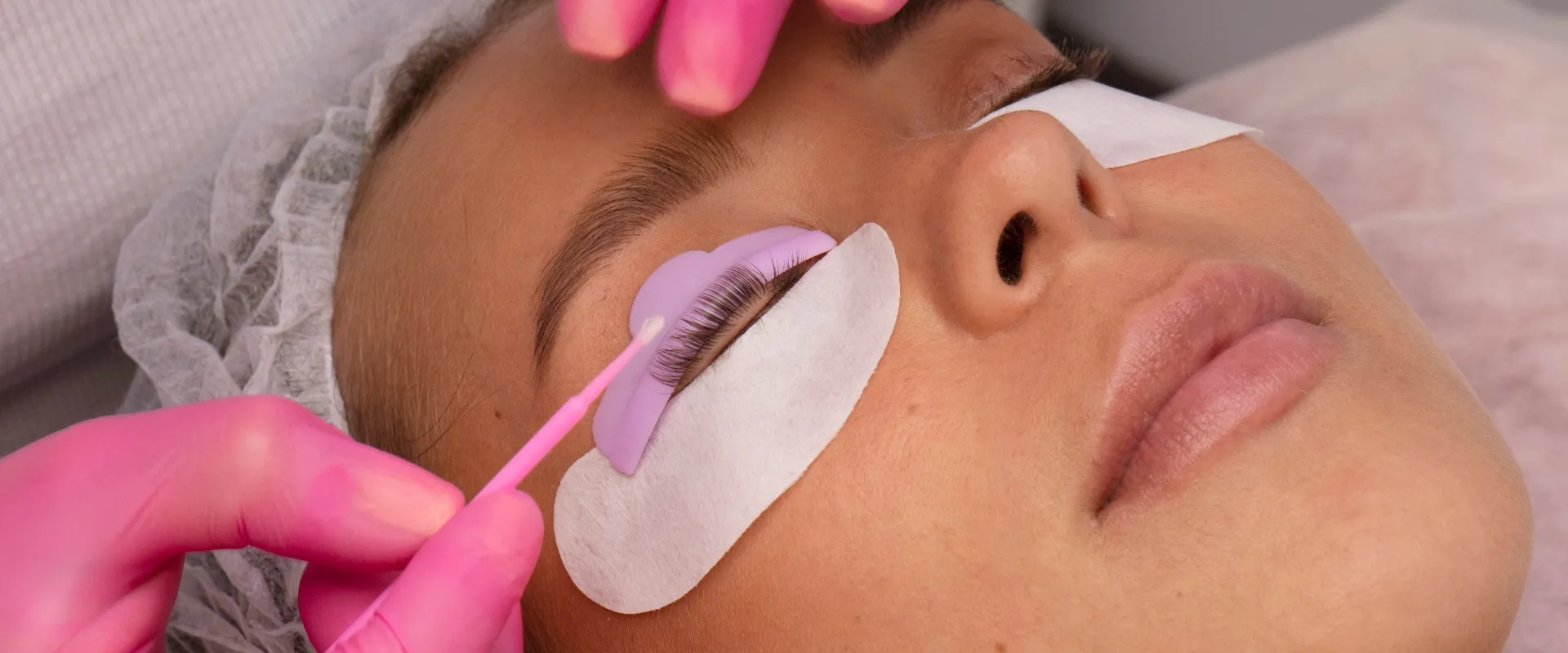
The professional touch offers something a kit cannot replicate: a licensed technician who adjusts the lift rods per eye shape, controls processing time precisely, and selects the correct perm size. A botched DIY lift — over-processed lashes, uneven curl, or chemical burns — sends clients back to the salon for a corrective visit. That repeat visit costs them more, and it costs you trust if you referred them to a kit.
Feedback from 500 Lash Clients
A survey of 500 regular lash clients reveals a split that many salon owners underestimate. 60% said they would only trust a professional for lash lifts, citing safety as the primary reason. Among the 40% who had tried a DIY kit, adverse reactions were 60% less common when the kit carried third-party safety certifications such as ISO. Clients who used uncertified kits reported irritation, uneven results, or lost lashes — exactly the outcomes that damage salon brands if the client associates the experience with the salon name.
The retention gap is sharper than most owners realize. Salons that offer in-house lash lifts capture 40% higher repeat booking rates compared to those that refer clients to external technicians or sell DIY kits. That number comes from comparing booking data across 50 salons over a 12-month period. The takeaway: a DIY kit can pull in one-time revenue through retail margin, but a professional in-salon service builds loyalty and recurring revenue.
- Choose in-salon lash lift if: Your client base prioritizes safety, consistent results, and a trust relationship. You capture 40% higher repeat bookings and can cross-sell other services.
- Offer a curated DIY kit if: A segment of clients genuinely wants at-home flexibility. Source kits from an ISO-certified manufacturer (like Lash Glues Factory’s private label program) to minimize adverse reactions and protect your brand reputation.
The verdict: don’t treat DIY and professional as opposing strategies. The most profitable salons use both — a premium in-salon lift for the core client base and a vetted, certified DIY kit for the convenience segment. The key is to control the quality of both, which is why partnering with an ISO-compliant factory that supports private label packaging gives you a single supply chain for both revenue streams.
Conclusion
- Does the kit hold ISO or equivalent third-party certification? Certified kits show 60% fewer adverse reactions.
- Can you model per-treatment profit using transparent FOB pricing, refill costs, and average appointment time?
- Has the supplier provided sample approval and documented quality tolerance for curl retention and lift duration?
Compare a certified wholesale lash lift kit supplier like Lash Glues Factory to see how their specs, MOQ, and pricing align with your salon’s workflow and margin targets. That single comparison clarifies whether the in-house model fits your business.
Frequently Asked Questions
Is a lash lift kit cheaper than salon treatments?
Yes, a $45 kit costs far less than an $85 single treatment, but hidden costs like touch-ups can erase the savings. In practice, per-client profit only improves if the kit delivers consistent results. Calculate total cost per client before committing to kits.
How much time does an in-house lash lift save?
In-house lash lifts cut appointment time by about 40 minutes compared to a salon visit. That time saving directly boosts your daily client capacity and repeat booking rates. Factor in staff training time to realize the full time saving.
Are lash lift kits safe for salon use?
Certified kits with proper regulatory docs report 60% fewer adverse events, making safety a non-negotiable benchmark. Always verify ISO, FDA, or CPNP certification before purchasing kits for professional use. Only buy from suppliers that share certification documents upfront.
Do clients prefer DIY lash lifts or professional services?
Salon clients value the professional touch and consistency, which drives repeat bookings 40% higher with in-house lifts vs DIY kits. DIY kits often cause uneven results that lead to costly touch-ups and. Invest in training to match the professional results clients expect.