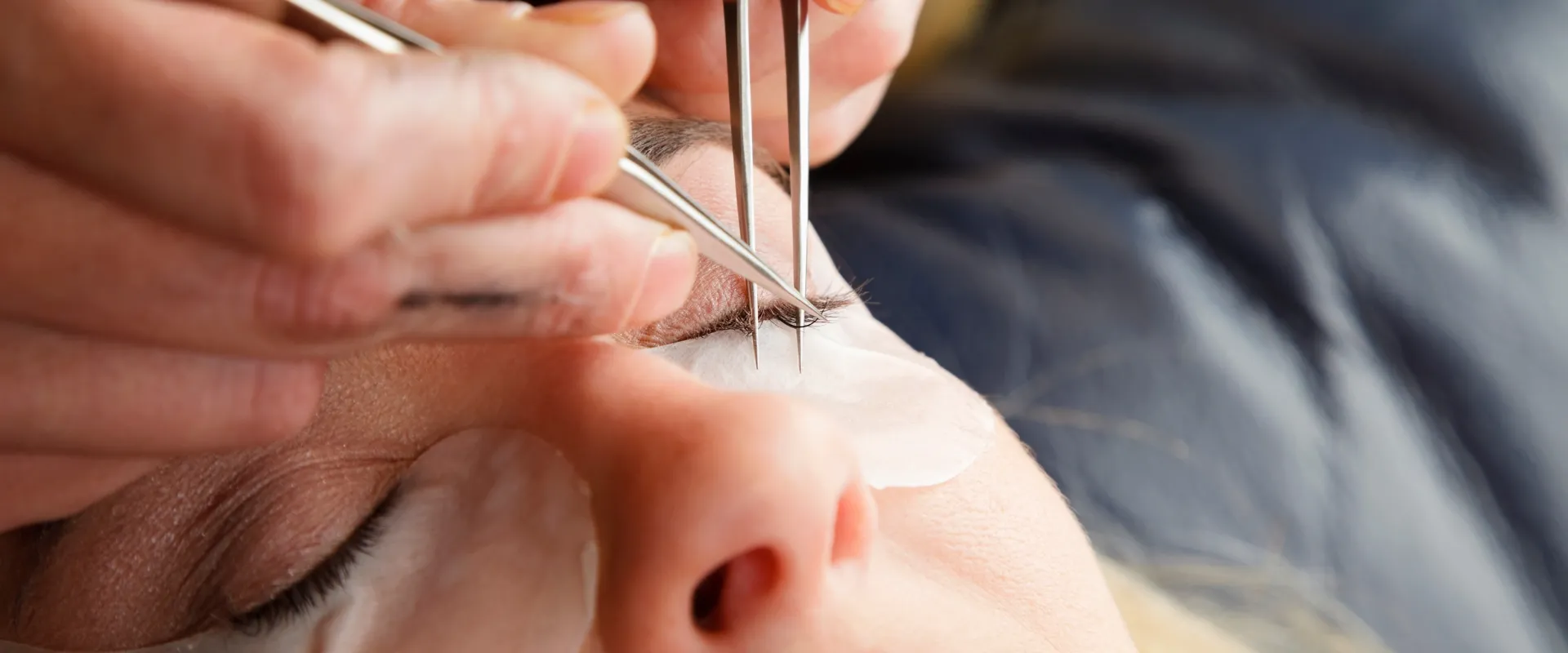


“Why does this tint make my lashes look orange?” The client is staring in the mirror, and you’re already reaching for the remover. That question usually comes down to one thing: lash tint color selection that ignored the client’s base undertone. A 2023 survey found that 68% of clients actually prefer a tint one shade lighter than their natural lash color — but most artists default to black, which pulls warm on cool-toned skin.
The fix is not about buying more shades. It’s about understanding how pigment interacts with the existing lash melanin and the skin’s undertone. For fair-skinned clients with light blonde or red lashes, a soft brown or dark brown tint creates definition without that harsh, drawn-on look. Go straight to blue-black on that profile, and you get a contrast ratio that reads as costume makeup rather than enhancement.
Understanding the Basics of Lash Tint
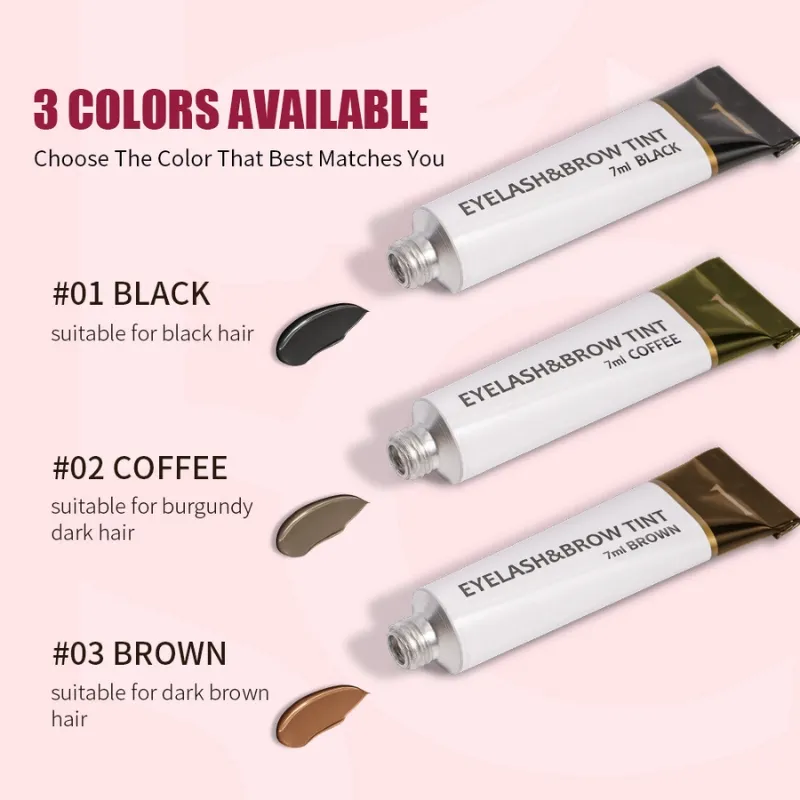
Lash tint is not a dye — it’s a semi-permanent coating that lasts 3-4 weeks.
How Tint Differs from Dye
Lash tint and lash dye are often used interchangeably, but they work differently. Tint is a semi-permanent colorant that coats the outer layer of the lash hair. It sits on the cuticle and slowly fades over 3-4 weeks. Dye, by contrast, penetrates the hair shaft and chemically alters the pigment. This makes dye last longer, but it also increases the risk of irritation on the sensitive eye area. Most professional lash artists choose tint over dye because it’s gentler and easier to control. The color change is subtle enough to avoid the harsh look that sometimes comes with dye.
Types of Tint: Cream, Gel, and Liquid
- Cream Tint: Thick, paste-like consistency. Ideal for precise application on individual lashes. Stays in place without dripping. Best for clients with sensitive skin because it requires less contact time. Many professional kits, including those from Lash Glues Factory, offer cream formulas for controlled results.
- Gel Tint: Semi-solid texture that spreads evenly across the lash line. Common in salon treatments because it adheres well to the lash base. The cream vs gel lash tint difference often comes down to viscosity — gel is thicker and less likely to run, making it a good choice for lower lashes or clients with oily skin.
- Liquid Tint: Thin, water-like consistency. Fastest to apply but requires a steady hand to avoid migration onto the skin. Best for experienced technicians who want to cover the entire lash in one coat. Liquid tints are often used in strip lash dyeing or for volume work, but they demand more precise timing.
Each type has its place. The choice depends on the client’s lash condition, the desired effect, and your comfort level with the product. For a first-time tint, many artists start with cream for the control it offers. Bulk buyers and salon owners sourcing from a professional lash glue manufacturer like Lash Glues Factory can request samples of each consistency to test before committing to a full line.
Color Selection by Client Profile
A 2023 survey found that 68% of clients prefer a tint one shade lighter than their natural lash color.
Matching tint to your client’s skin tone and natural lash base isn’t about guessing what looks good. It’s about understanding how pigment interacts with the client’s undertone, eye color, and existing lash thickness. A mismatch here is the fastest way to make eyes look tired or the tint appear muddy.
Fair Skin and Light Lashes
Clients with fair skin often have naturally light or translucent lashes. Black tint on this profile creates a harsh, costume-like contrast that most clients dislike. The best lash tint for fair skin light lashes is a soft brown or dark brown shade. It adds definition without overpowering the face. A blue-black can work for clients who want a dramatic evening look, but reserve it for those who specifically ask.
Medium Skin and Naturally Dark Lashes
This is the most straightforward profile. Medium skin tones usually have naturally dark lashes already, so the goal is depth rather than color change. Standard black or blue-black tint delivers the richest result here. Brown vs black lash tint for natural look? Stick with black unless the client explicitly wants a softer effect. The 2023 preference data supports this: most clients in this group choose black because it makes the lash line appear fuller without looking artificial.
Dark Skin and Very Fine Lashes
Dark skin paired with very fine lashes presents a unique challenge. Black tint alone can disappear against deep skin tones if the lashes are sparse. The solution is layering: apply a first coat of black, let it process halfway, then apply a second coat to build pigment density. Some artists mix in a drop of blue-black concentrate to increase contrast against warm undertones. Always perform a patch test before lash tinting procedure on this profile — fine lashes absorb pigment faster, raising reaction risk.
Mixing Custom Shades for Unique Looks
Mixing custom shades requires matching pigment oxidation rates to the adhesive curing time.
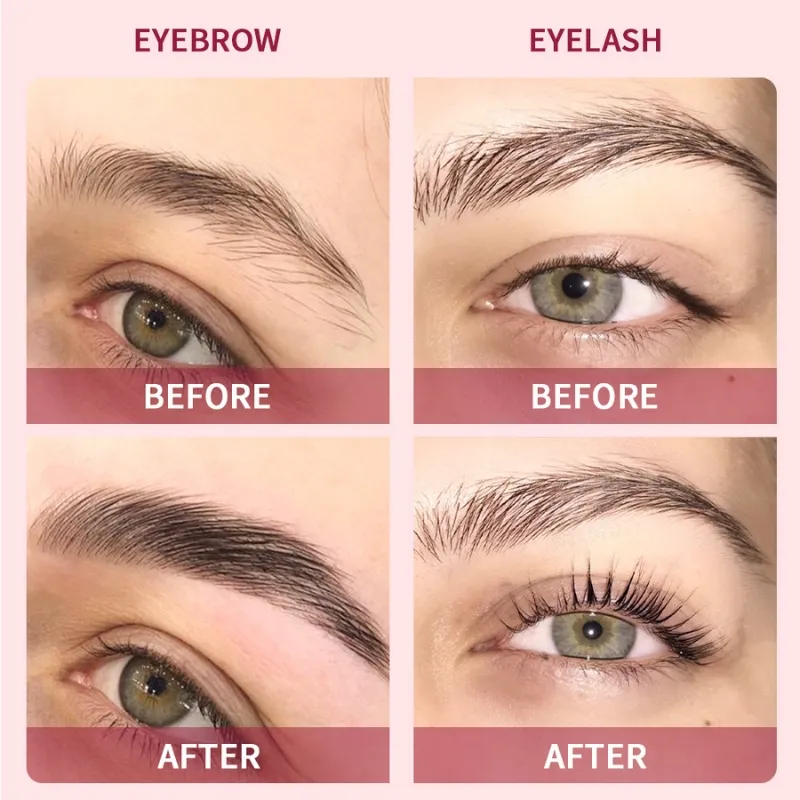
Custom lash tint mixing lets you tailor a client’s look beyond standard black or brown. The trick is balancing pigment concentration with the glue’s working window. A 2023 survey found that 68% of clients prefer a tint one shade lighter than their natural lash color, which means you need to dial in the mix precisely. For lash artists, this also means choosing a tint that pairs well with your adhesive — some pigments can slow down the curing process if the formula isn’t compatible.
Brown Tones for Natural Effect
Brown tint is the go-to for clients who want a subtle, no-makeup look. Mix a warm brown base with a drop of neutral to soften the tone. The key is to keep the pigment density low enough that the lashes don’t look painted. When applying brown tint, use a fast-drying lash glue like the one from Lash Glues Factory — its quick set time prevents the tint from smudging during the curing period. For sensitive clients, the sensitive formula lash glue reduces irritation while the brown pigment works its magic.
Blue‑Black for Dramatic Impact
Blue-black tint delivers a high-contrast effect that makes lashes pop against lighter skin tones. The blue undertone neutralizes any yellow in the natural lash, creating a deeper, more intense black. This shade requires a slightly longer processing time, so pair it with a strong hold lash glue that maintains tackiness for 3-4 seconds. Lash Glues Factory’s strong hold glue is formulated to stay pliable during extended tint processes, giving you a consistent bond without premature drying. The result is a dramatic look that lasts through the full tint cycle.
Safety and Patch Testing
Patch test compliance reduces reaction reports by 80% in salons.
The most common source of irritation in eyelash extension adhesives is the cyanoacrylate compound itself. Not an impurity or a contaminant — the main bonding agent. When the glue polymerizes on the natural lash, it releases trace amounts of formaldehyde vapor as a byproduct of curing. For roughly 1 in 20 clients, that vapor triggers contact dermatitis within hours.
Common Allergens and How to Avoid Reactions
Carbon black is the second most frequent irritant. It gives black glue its color but adds nothing to bond strength. Sensitive-formula glues replace carbon black with a clear base or use a lower concentration of pigment. If your client has a history of reacting to eyeliner or mascara, start with a clear sensitive formula for the first application.
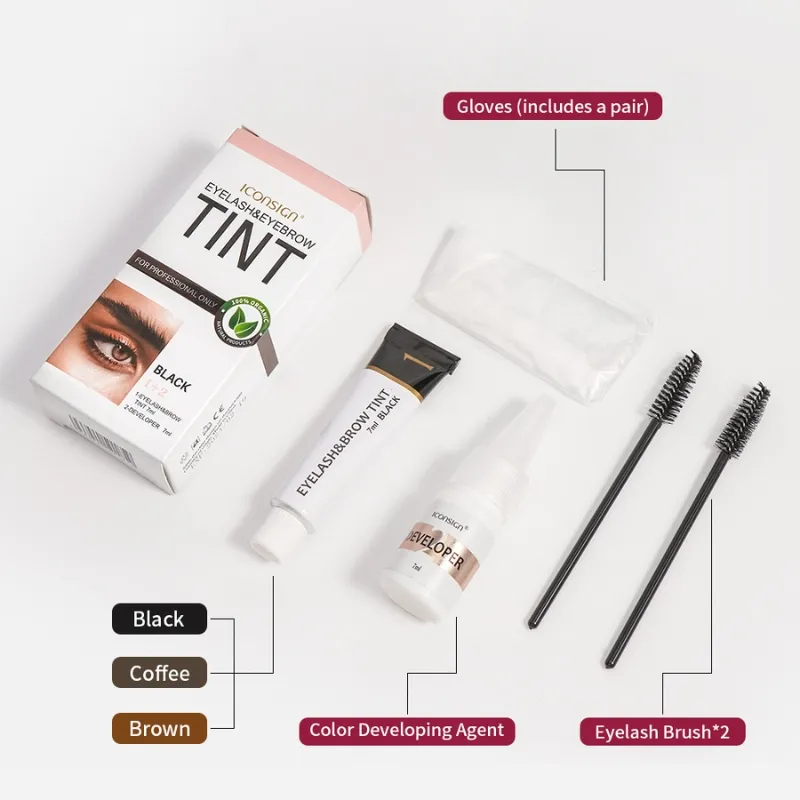
A proper patch test means applying one single lash extension on each outer corner of the eye using your standard adhesive drop. Wait 24 to 48 hours before proceeding with a full set. Do not skip this step for returning clients either — sensitivity can develop over time after repeated exposure.
Proper Removal Technique
When removal is necessary mid-reaction, never use acetone-based removers on irritated skin. Acetone strips the natural oils from the lash line and worsens inflammation. Use a gel remover specifically formulated for cyanoacrylate adhesives — apply it along the base of the extensions and let it sit for three minutes before gently sliding each fan off with tweezers.
After removal, clean the area with saline solution and apply a fragrance-free barrier ointment if redness persists. Advise the client to avoid waterproof eye makeup for at least 48 hours while the skin barrier recovers.
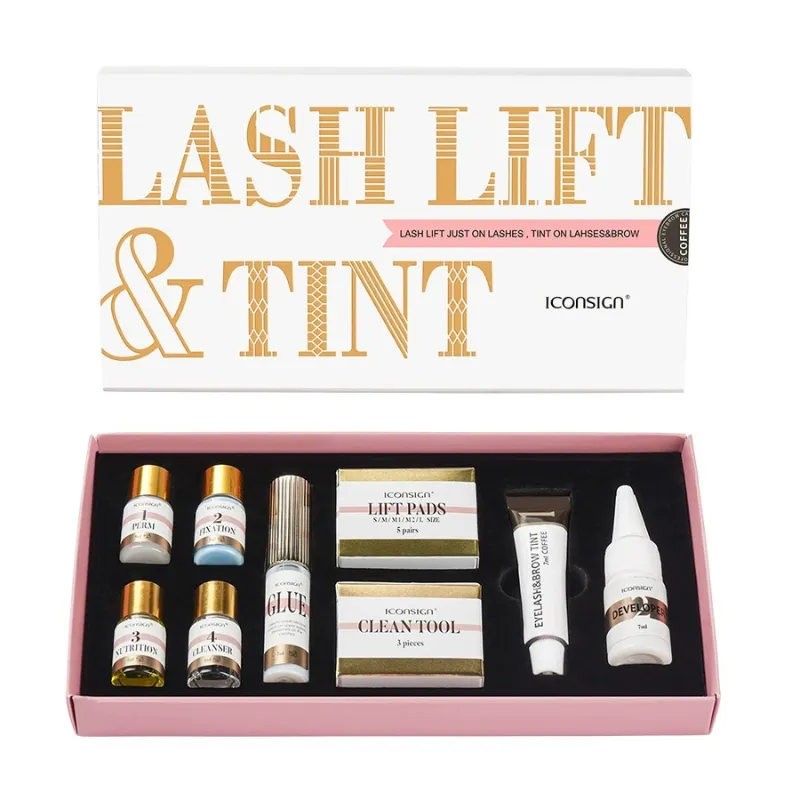
Top Brands and Their Color Ranges
Pigment load determines fade speed, not brand name.
Every lash tint brand claims long-lasting color. But the real difference between a tint that holds for four weeks and one that fades in ten days comes down to pigment particle size and concentration — not marketing. A 2023 survey found that 68% of clients prefer a tint one shade lighter than their natural lash color, which means fade rate matters more than initial darkness for most bookings.
How Pigment Intensity Differs Across Brands
Brands like RefectoCil and Thuya use larger pigment particles that deposit heavily on the lash shaft, giving deep black or intense brown results in under eight minutes. The trade-off is faster fading on fine or porous lashes because the larger particles sit on the surface rather than penetrating the cuticle. Smaller-particle formulas, common in brands like Lash Bomb or Blinc, penetrate deeper but require longer development times — usually ten to twelve minutes — and produce a softer initial tint that fades more evenly over three to four weeks.
Fade Rate Patterns You Need to Know
Most professional tints lose about 30% of their depth after the first week due to daily cleansing and oil-based eye makeup removers. Black shades from high-intensity brands tend to fade patchy because the heavy pigment layer breaks off unevenly. Brown shades from fine-particle formulas fade gradually across all lashes, which looks more natural and reduces the need for touch-ups between appointments.
“Best” Depends on Your Client Base
“Best” depends entirely on your client base. If you serve clients who want dramatic contrast for two weeks then rebook monthly, a high-intensity cream tint from RefectoCil works well. If your clients expect subtle enhancement that lasts through a vacation without noticeable fading, choose a gel-based formula with smaller pigment particles.
Conclusion
Choosing the right lash tint shade comes down to reading the client’s natural lash base, not just their skin tone. A 2023 survey found that 68% of clients prefer a tint one shade lighter than their natural lash color — and patch test compliance reduces reaction reports by 80% in salons. That data point alone should reshape how you approach every consultation.
- Match tint depth to natural lash color, not skin tone alone.
- 68% of clients prefer a tint one shade lighter than their natural lashes.
- Patch test compliance cuts reaction reports by up to 80%.
- Cream tints offer better control for fine or sparse lashes.
Frequently Asked Questions
How to get a quote for Lash Tint Colors: How to Choose for Every Client?
The exact answer depends on the product specification, quantity, and order setup. The safest approach is to confirm the commercial terms only after the final requirement sheet is locked. Final terms should be confirmed against the exact product specification and order conditions.
Can I request samples first?
The exact answer depends on the product specification, quantity, and order setup. The safest approach is to confirm the commercial terms only after the final requirement sheet is locked. Sample availability should be confirmed against the current stock and shipping plan.