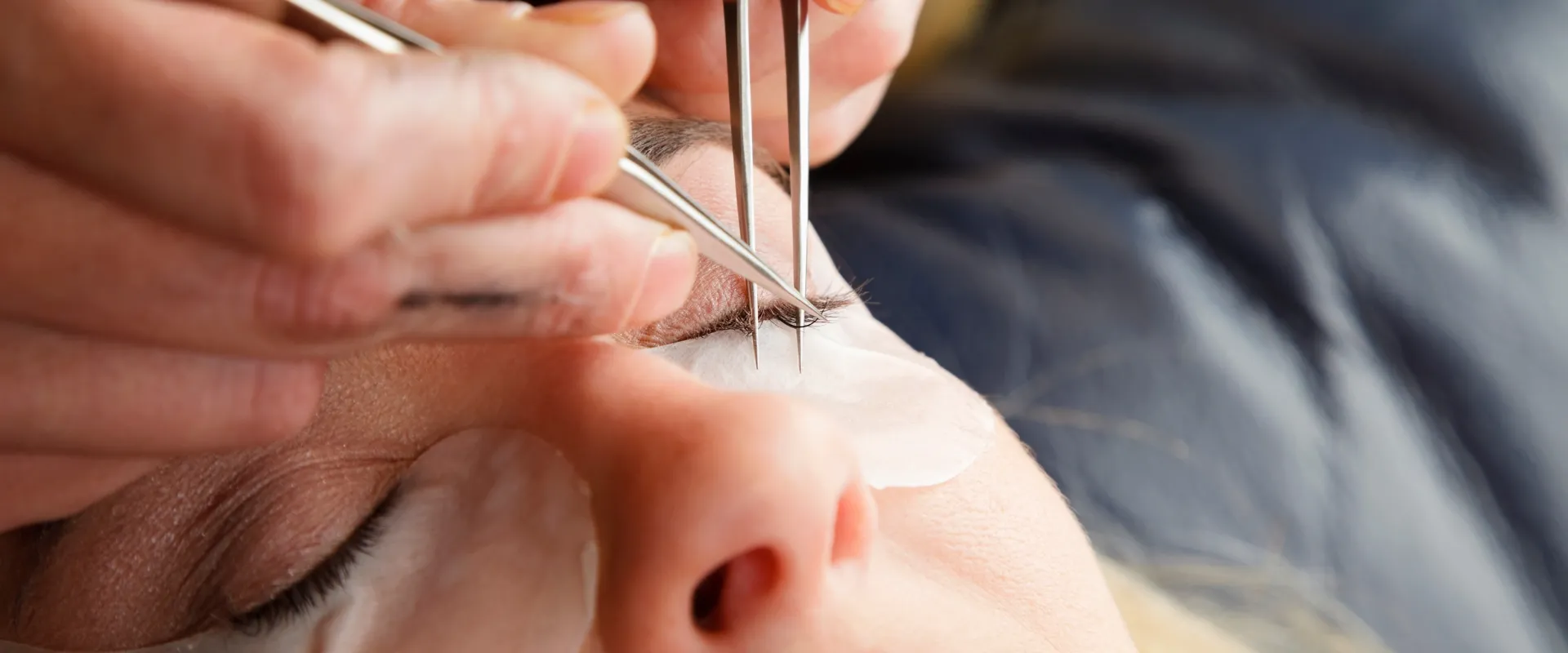


lash lift kit refill guide is the first checkpoint buyers should lock before they approve a supplier, budget, or production slot. A salon owner who refills her lash lift kit without checking the pH balance of the new solution is gambling with a $50 client’s results to save about $4 per treatment. That math rarely works out in her favor. The real question isn’t whether you can refill — it’s whether you can maintain the same curl angle, hold time, and safety profile that made clients book the service in the first place.
About 40% of salons use unbranded refills to cut costs, according to industry estimates. That figure alone tells you the pressure on margins is real. But here’s what gets missed: most lash lift kit warranties are voided the moment you pour a non-compatible solution into the original bottle. The risk isn’t just losing a warranty — it’s inconsistent results that drive clients to the salon down the street.
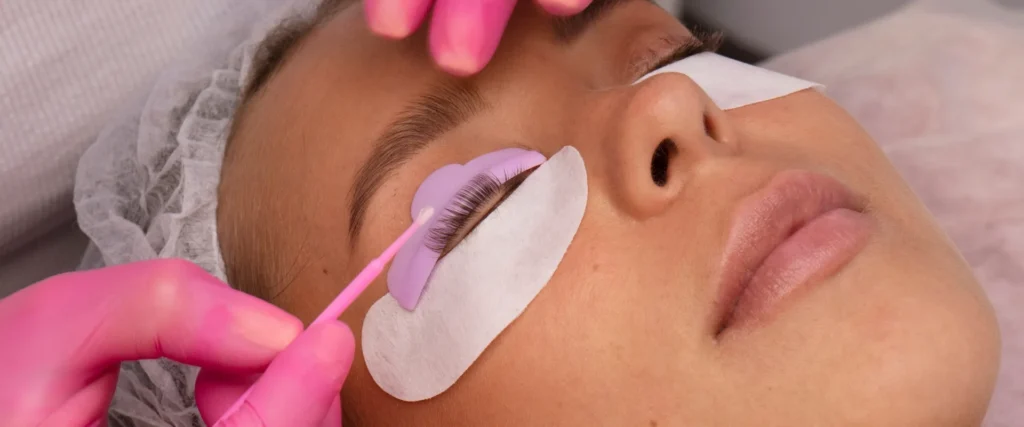
Why Refills Matter for Your Bottom Line
Refilling a lash lift kit can cut per-service costs by up to 40% without changing the result.
Most salon owners don’t realize how much margin they’re giving away on single-use kits. A standard lash lift kit retails around $25-$35 and covers about 10-15 services. That puts your cost per treatment at roughly $2.00-$3.50 before labor, rent, and disposables. But here’s where it gets interesting: the perm solution and setting lotion account for over 70% of the product cost in that kit, while the rods, glue, and applicators are cheap disposables you already buy in bulk.
Cost Per Service Analysis
When you switch to a professional lash lift solution refill — buying just the two active solutions in larger volumes — your cost per service drops significantly. A bulk lash lift refill pack from a verified manufacturer runs roughly $15-$20 per bottle set and yields 30-40 services depending on application volume. That brings your per-treatment cost down to $0.50-$0.67 for the solutions alone. Even accounting for new rods and glue each time, your total consumable cost sits around $1.00-$1.20 per service versus $2.00+ with disposable kits.
For a salon doing 20 lash lifts per week, that difference adds up fast: roughly $80-$100 saved weekly on consumables alone, or over $4,000 annually from one treatment category. The math becomes even clearer when you factor in retail markup on those kits — refilling lets you keep the same client price while pocketing the margin gap.
Environmental and Waste Reduction Benefits
Beyond the numbers, there’s a practical waste issue that most salon owners overlook until they’re staring at a bin full of half-used plastic bottles every month. Each single-use kit generates roughly 80-100 grams of plastic waste — bottles, caps, droppers, foil pouches — most of which isn’t recyclable because of chemical residue.
Switching to compatible lash lift refill brands that supply concentrated solutions in larger containers cuts packaging waste by about 60-70% per treatment cycle. You reuse the original applicator bottles from your starter kit (provided they’re properly sterilized between fills), which means fewer plastic units entering the waste stream every week.
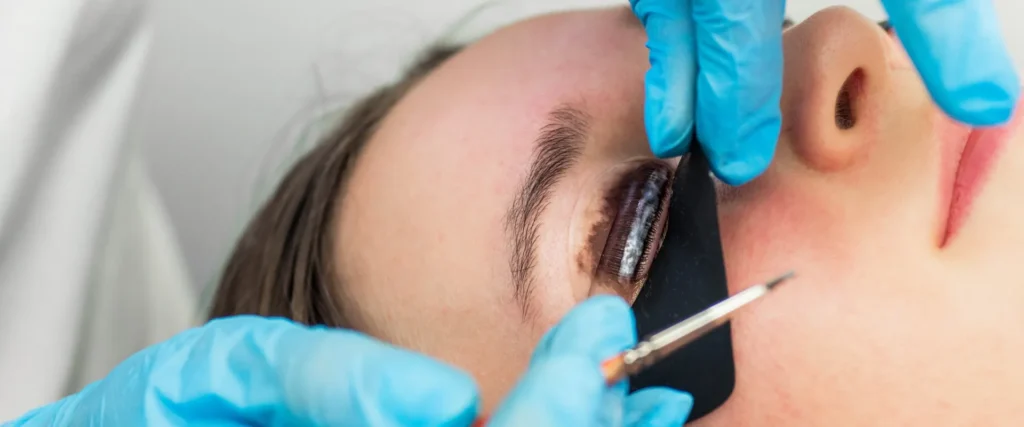
Identifying Compatible Refill Products
A 0.5 pH point mismatch can ruin lift results.
Matching Solution pH and Viscosity
Lash lift solutions operate within a narrow pH band — typically 7.5 to 8.5. A refill that drifts even 0.3 points outside that range can cause uneven curling or chemical burns to the lash line. Reputable suppliers like Lash Glues Factory provide spec sheets with exact pH and viscosity values for every batch of their professional lash lift solution refill. Always request that data before buying.
Viscosity is equally critical. Thicker solutions stay on the lash longer, allowing better control; thinner ones run into the client’s eye. If the refill’s viscosity doesn’t match the original, you’ll get inconsistent results and wasted product. Test a small batch first. Use a pH strip and a simple flow test — tilt the bottle, watch the droplet speed. If it’s noticeably different, don’t use it.
Avoiding Off‑Brand Adulterated Fillers
Off‑brand refills often cut costs by swapping active ingredients with cheap thickeners or alcohols. Those additives degrade the solution’s shelf life — sometimes by 50% or more — and can trigger unexpected allergic reactions. Using unbranded refills also voids the manufacturer’s warranty. I’ve seen salons lose $800 in replacement costs because a counterfeit batch caused a client’s lashes to break off.
To avoid counterfeit lash lift refills, look for three red flags: sediment floating in the bottle, a strong chemical smell (ammonia or solvent), and missing batch lot numbers. Stick to compatible lash lift refill brands that publish full ingredient lists and third-party test reports. When you order bulk lash lift refill packs, ask for a sample certificate of analysis. That single document tells you whether the pH, viscosity, and purity match the original spec. It’s the simplest way to enforce lash lift kit refill quality control without guesswork.
Step‑by‑Step: How to Safely Refill Your Kit
One contaminated bottle can ruin an entire batch of solution.
Most salon owners skip the cleaning step because the bottles look clean. That is where the trouble starts. Residual perm solution from the last refill reacts with fresh formula and shifts the pH. A shift of just 0.3 pH points changes how the solution breaks down the disulfide bonds in lashes, which leads to uneven curls or over-processed tips.
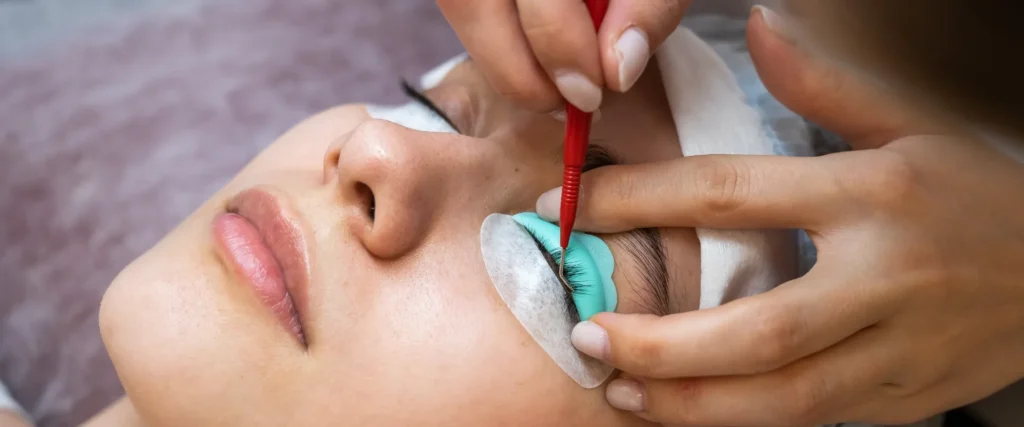
Cleaning and Sterilizing Reusable Containers
Start with hot water and a dedicated bottle brush — not soap. Soap leaves a film that interferes with the next batch of solution. Rinse three times with distilled water, then fill each container with 70% isopropyl alcohol and let it sit for five minutes. Pour out the alcohol and air-dry upside down on a clean paper towel for at least two hours.
Do not use dishwashers or UV sterilizers designed for baby bottles. The heat from a dishwasher cycle can warp dropper tips, changing drop size by as much as 20%. That inconsistency alone throws off your mixing ratios when you combine solution A and B.
Measuring and Mixing Without Cross-Contamination
Use separate syringes for each solution component — never dip the same syringe into both bottles. Mark them clearly with a permanent marker so you do not grab the wrong one mid-service. A single droplet of solution A contaminating your solution B bottle changes the chemical balance enough to produce inconsistent lift results across clients.
When mixing refill packs from bulk lash lift refill packs, pour only what you need for that day’s services into a clean mixing dish. Do not pour directly from the refill bottle back into your salon-use container unless both have been sterilized using the alcohol method above. Any bacteria introduced during pouring accelerates degradation of active ingredients, cutting your lash lift perm solution shelf life by weeks.
Storing Refill Products for Maximum Shelf Life
Proper storage can extend lash lift solution effectiveness by up to 6 months.
Temperature and Light Exposure Guidelines
Lash lift perm solution shelf life shortens dramatically when stored above 25°C. A cabinet near a heat source or a sunny window can raise internal temperatures enough to accelerate chemical breakdown. The active ingredients in thioglycolate-based formulas start degrading at 30°C, which means the lift result weakens per application.
UV exposure is the second threat. Clear or amber bottles block some light, but prolonged direct sunlight still penetrates. Store refill bottles in a dark drawer or opaque box. A salon treatment room with south-facing windows should keep solutions in a closed cabinet, not on the counter.
Tracking Expiration Dates
Most professional lash lift solution refill bottles carry a 12-month shelf life from manufacture, but the clock starts ticking once opened. Write the opening date on the bottle with a permanent marker. A solution that sat on a distributor shelf for 8 months before reaching you may only have 4 months of reliable performance left.
- Open date: Mark the first-use date. Unopened bottles stored correctly can last the full 12 months from manufacture.
- Consistency check: If the solution thickens, separates, or develops a sulfur smell, discard it immediately. These are signs of chemical instability.
- Batch tracking: Keep a simple log of batch numbers when you receive bulk refill packs. This helps identify which batch may have been exposed to heat during transit.
For salons refilling reusable containers, transfer only the amount needed for the day. A bulk bottle opened and closed repeatedly introduces moisture and air, accelerating oxidation. A 50ml bottle stored at 20°C with minimal headspace keeps its full lift potential for 10–12 months, while a bottle that’s been opened 40 times may drop in efficacy by month 6.
Red Flags: When to Buy a New Kit Instead
Color, odor, or thickness shifts signal chemical degradation.
A fresh lash lift perm solution should be a clear, slightly viscous liquid with a mild, chemical-but-stable odor. Any deviation from that baseline is a warning that the formula has started to break down. The cause is almost always one of three things: exposure to heat above 25°C, contamination from repeated dipping, or simply age beyond the manufacturer’s shelf life.
Color Changes: More Than Aesthetic
If the solution turns yellow, brown, or develops a cloudy haze, the active thioglycolate or hydroxide components have partially oxidized. That oxidation reduces the lift efficacy — the solution may not curl lashes evenly, or it may take longer to process. In some cases, degraded color correlates with a pH shift, which can cause irritation or uneven results. A professional lash lift solution refill that looks different from the original batch should be discarded, not tested on a client.
Odor Shifts: Chemical Breakdown Warning
A strong ammonia-like smell or a sulfurous, rotten-egg odor indicates that the reducing agents are decomposing. This is not a minor issue — it means the solution has lost its chemical balance and could damage the hair structure. Salons that try to save a few dollars by using a smelly solution risk over-processing the lashes, leading to breakage or poor curl retention. The lash lift perm solution shelf life is typically 12–24 months from manufacture, but once opened, the clock accelerates. If the odor changes, discard the bottle immediately.
Thickness Variations: Formula Integrity Loss
Thickening suggests partial evaporation of the water or solvent content, which concentrates the active chemicals and increases the risk of over-processing. Thinning, on the other hand, often means the solution has been diluted (intentionally or accidentally) by cross-contamination from a wet dip or a mixing error. Neither scenario is safe. A reputable supplier like Lash Glues Factory formulates each batch to a specific viscosity that ensures consistent application and predictable results. If the refill feels noticeably different, the solution no longer meets the original spec.
The safest approach is to perform a visual and olfactory check before every refill. If you see a color change, smell an off odor, or feel a different thickness, do not use it. Buy a new kit instead. The cost of a replacement is far lower than the cost of a client complaint, a refund, or damage to your salon’s reputation.
Conclusion
Refilling your lash lift kits can cut your salon cost per treatment significantly, but only if you source compatible, high-quality refills. Before you commit to a refill supplier, ask these three questions.
- Does the refill solution match the pH and viscosity of your original kit?
- Is the refill from a manufacturer with batch traceability and quality certifications?
- Have you tested the refill for color, odor, and thickness consistency against your standard?
For a reliable source of professional lash lift solution refills that maintain pH balance and viscosity, browse the lash lift refill lotions at Lash Glues Factory. Bulk packs and private label options are available to match your salon’s volume and branding needs.
Frequently Asked Questions
Can I refill any lash lift kit?
No, you must match the exact pH and viscosity of the original solution. A 0.5 pH point mismatch can ruin lift results and cause client irritation. Always verify pH and viscosity before refilling.
How do I store refill solution?
Store refill solution in a cool, dark place between 15-25°C to maintain stability. Avoid temperature fluctuations and direct sunlight to prevent degradation. Keep away from heat and light for maximum shelf life.
When should I buy a new kit instead of refilling?
Buy a new kit if the solution has changed color, odor, or thickness, or if the kit has passed its expiration date. Refilling compromised products can cause poor results or client irritation. If in doubt, replace the kit.
How do I clean reusable containers for refill?
Clean containers with isopropyl alcohol and let them air dry completely before refilling. One contaminated bottle can ruin an entire batch of solution. Sterilize every time you refill.