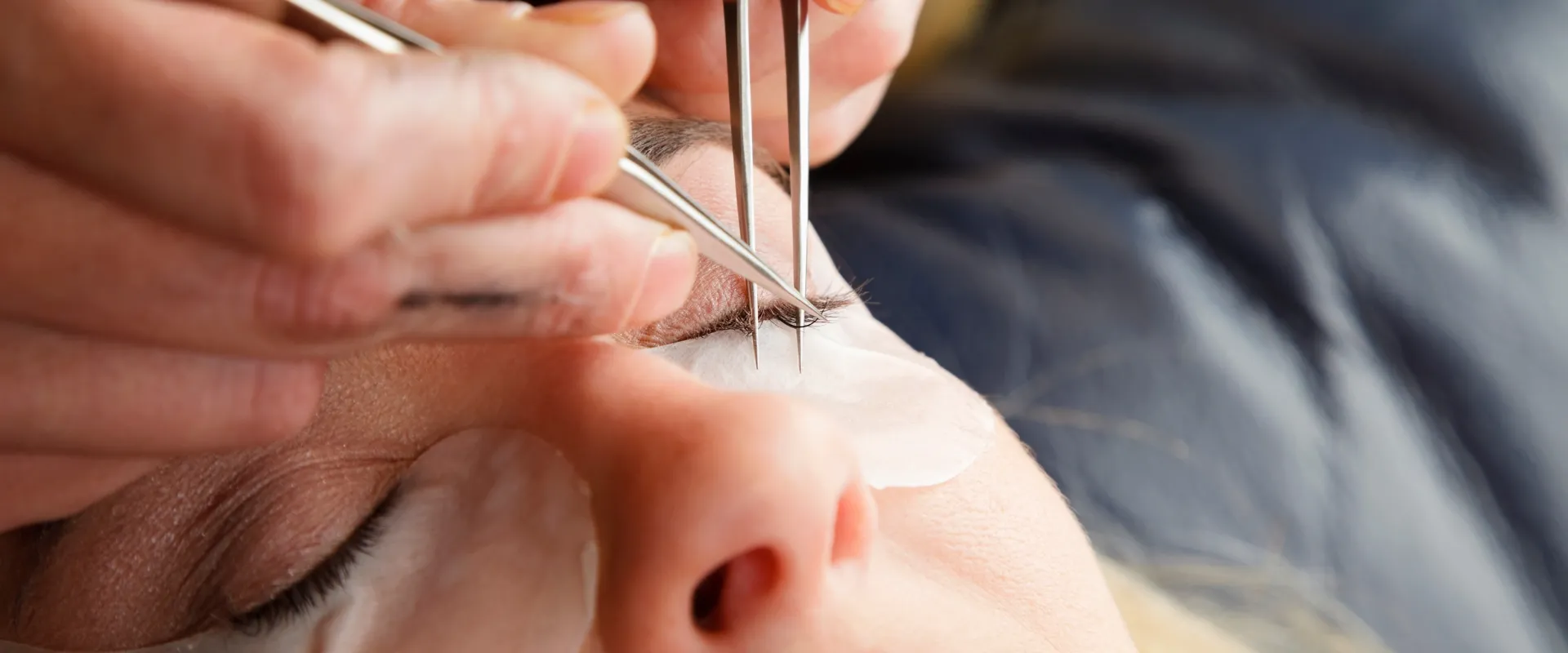


choose lash glue manufacturer is the first checkpoint buyers should lock before they approve a supplier, budget, or production slot. When you choose a lash glue manufacturer, you’re betting on consistency. Picture this: you approved a sample batch that held perfectly for six weeks with zero irritation. Three months and a $50K order later, the production bottles start causing redness within hours. The pre-production sample passed your tests, but the mass production run had a subtle shift in viscosity — just enough to throw off the drying time. That gap between sample approval and full shipment is where most buyers lose money, not on the FOB pricing or the MOQ.
The root cause is rarely malicious. It’s usually a breakdown in batch-to-batch consistency or a change in raw material sourcing that the manufacturer didn’t flag. A reliable lash glue manufacturer maintains tight quality tolerances on every batch and documents those tolerances in a batch-specific MSDS. If a supplier cannot provide that documentation or hesitates on a live video factory tour, you should consider that a red flag before you commit to a private label partnership.
Why Buying Direct from a Manufacturer Matters
Eliminate the middleman markup.
Two bottles of lash glue sit on the table. Both claim a 1-2 second drying time and strong hold. One costs $8.50 at wholesale from a distributor. The other, sourced directly from the manufacturer, costs $5.80. That $2.70 difference is not a currency fluctuation or a shipping trick. It is the distributor’s margin for warehousing, repackaging, and sales commission.
Cost Savings vs. Distributors
Distributors buy in bulk from the factory and add 30-50% to the unit price before it reaches you. On an order of 500 units, that spread covers the cost of an extra batch of sensitive formula glue or a custom packaging run for your salon brand. Direct sourcing lets you reinvest that difference into product development, better raw materials, or simply a healthier margin.
The savings compound with volume. A bulk lash glue supplier MOQ around 100-200 units often unlocks a separate pricing tier. Distributors rarely pass that down. The factory does, because the cost structure is flat. That is why buying direct matters for a small brand scaling up.
Control Over Quality and Consistency
When you buy through a distributor, the product has already been bottled, labeled, and warehoused. You have zero insight into how long it sat on a shelf or under what temperature conditions. Lash glue is chemically sensitive. A batch stored above 25°C for three weeks will degrade bond strength before you ever open the cap.
Working directly with a manufacturer gives you batch-specific data. You can request the MSDS for that production run, verify the cure curve, and run a simple stability check before committing to a full order. Here is a test that takes 24 hours and tells you more than any sales sheet: drop a bead of glue on a clean glass slide. If it cracks or turns yellow within a day, the formula lacks the stabilizers needed for a reliable shelf life. That test is impossible with repackaged distributor stock because you do not know the batch age.
Batch-to-Batch Consistency
A reputable factory maintains a controlled production environment. Temperature and humidity are logged during every fill. The same raw material suppliers are used across batches. When you establish a direct partnership, your spec sheet becomes the production standard. That is how you avoid the surprise of a formula change halfway through your first private label lash glue run.
Step 1: Verify Certifications and Compliance
A compliant manufacturer provides batch-specific MSDS and third-party lab reports on request.
Certifications separate a legitimate lash glue manufacturer from a seller mixing labels. Suppliers who hesitate to share documents are either hiding unstable formulas or lack the regulatory knowledge to enter your market. For a beauty distributor or salon owner, this step is non-negotiable.
MSDS, SGS, and FDA Registration
- MSDS (Material Safety Data Sheet): Must list all chemical components, flash point, and handling precautions. Batch-specific MSDS — like what Lash Glues Factory provides — ensures the glue you receive matches what was originally tested.
- SGS Testing Report: Confirms the adhesive is free from formaldehyde, heavy metals, and other banned substances. Without one, you risk importing products that fail customs inspection or cause allergic reactions.
- FDA Registration: Required for lash products sold in the US market. A manufacturer with FDA registration has submitted their facility and formula for FDA review. It is a baseline trust signal for any private label lash glue supplier audit.
- Cure Time: Measured under standard conditions (25°C, 50% humidity). Fast-dry glues cure in 1–2 seconds, sensitive formulas take 3–5. The lab report should state the exact test environment.
- Viscosity: Affects fanning and bubble formation. A stable formula maintains the same viscosity across production lots. Look for a narrow cP range in the report.
- Stability Test: Leave a drop on a glass slide — if it cracks or turns yellow within 24 hours, the formula is unstable. The best suppliers include this data in their lab reports.
What to Look for in a Lab Report
A complete lab report goes beyond pass/fail. It should list curing time (1–2 seconds vs. 3–5 seconds), bond strength in grams, viscosity in centipoise, and light sensitivity. Missing these makes it impossible to compare formulations or predict batch consistency.
When a manufacturer provides batch-specific MSDS and detailed lab reports, you can trust the next order will match the sample. Lash Glues Factory offers both, plus live video tours for buyers who want to see the production line before committing to a bulk lash glue supplier.
Step 2: Evaluate the Factory’s Production Capabilities
Temperature swings during production ruin batch consistency.
Lash glue is a cyanoacrylate-based adhesive. Its curing reaction depends on precise temperature and humidity. A factory that cannot stabilize these variables will produce batches that dry differently, bond inconsistently, and fail in your clients’ eyes. This is not theory — it’s the difference between a loyal customer and a refund request.
Temperature and Humidity Control
Most lash adhesives require a production environment of 20–25°C and 40–60% relative humidity. Any deviation shifts the cure speed. A glue that dries 0.5 seconds faster in the factory might take 3 seconds longer when bottled in uncontrolled air. Ask for documented environmental logs. A manufacturer that offers live video factory tours — as Lash Glues Factory does — lets you verify the climate-controlled filling area in real time.
Batch-to-Batch Consistency
Inconsistent batches cause drying time drift, weaker hold, and increased irritation reports. Here is a test you can run yourself: leave a drop of glue on a glass slide at room temperature and check it after 24 hours. If it cracks or turns yellow, the formula is unstable and the factory’s quality control has failed. The supplier should also provide batch-specific MSDS for every production run — Lash Glues Factory does this as standard, giving you traceability from mixing line to your shelf.
Step 3: Request Samples and Test Them
A 7-day stress test reveals storage life, not just initial adhesion.
How to Test Bond Strength, Drying Time, and Irritation
Don’t evaluate samples in your office chair. Set a controlled environment — 22–25°C and 45–55% humidity. Apply a single drop of adhesive to a mannequin lash strip, start a timer, and note the exact second the surface becomes tack-free. Anything over 3 seconds for a fast-dry formula is a warning sign. For bond strength, apply lashes to a clean mannequin pad and let cure for 24 hours. Use tweezers to gently peel back the lash extension; if the glue releases cleanly without tearing the lash base, the bond is weak.
Irritation testing is straightforward — and non-negotiable. Place a small drop on the inside of your wrist, let it dry for 10 seconds, then rinse. Any redness or tingling within 30 minutes means the formula is too aggressive for sensitive clients. A reliable manufacturer like Lash Glues Factory provides batch-specific MSDS to back their claim of low-odor, formaldehyde-free formulations. If the supplier hesitates to share a MSDS for the sample batch, that’s a red flag.
The 7-Day Shelf Life Stress Test
This is the test that most buyers skip. Take one sealed sample bottle and leave it on your counter at room temperature (not in a fridge). Open it once per day, squeeze out one drop onto a glass slide, and observe. By day 3, does the glue thicken noticeably? By day 5, does the drop appear yellow or crack as it dries? A stable formula will remain clear, amber, and smooth for the full 7 days. If it turns brittle or discolors, the polymer matrix is degrading — and the bulk batch will fail within weeks of shipping.
Cross-check against the supplier’s stated shelf life. If their label says 6 months but a 7-day stress test shows visible degradation, their storage claim is fictional. Lash Glues Factory uses temperature-controlled filling lines and nitrogen sealing to extend usable shelf life, and they can arrange a live video tour of that process so you verify the conditions yourself. That level of transparency is rare — and it’s the benchmark you should demand in every supplier audit.

Step 4: Check Communication and Lead Times
Response time reveals more than helpfulness — it reveals production discipline.
A supplier that takes 48 hours to reply to a sample inquiry is likely to take 48 hours to answer a complaint when a batch goes wrong. The gap between a quick reply and a delayed one is the difference between a factory that controls its line and one that reacts to chaos. Lash Glues Factory provides batch-specific MSDS and can arrange live video factory tours on request. That level of transparency isn’t a luxury — it’s a baseline for a partner you trust with your brand.
MOQ and Shipping Logistics
Minimum order quantities for private label lash glue usually fall between 500 and 2,000 units, depending on bottle type and label complexity. Some manufacturers lock you into rigid MOQs that choke a growing salon or small distributor. Lash Glues Factory supports flexible bulk orders and custom packaging, letting you scale without holding dead inventory. Shipping is where hidden costs surface. A supplier that offers DDP (Delivered Duty Paid) eliminates customs surprises. Ask for lead times upfront: 15 to 30 working days is standard for OEM orders. Anything beyond that without a clear reason — raw material shortage, peak season backlog — warrants a second look.
Step 5: Read Reviews and Ask for References
A supplier that dodges a simple glass slide test is hiding something.
Reviews and references tell you whether a manufacturer delivers on its promises. But in the lash glue space, fake reviews are common, and vague answers hide real problems. A reliable manufacturer should have documented proof of what they claim — not just a polished sales page.
The Three Red Flags That Kill a Deal
No MSDS on request. The Material Safety Data Sheet is the baseline document for any chemical adhesive. If a supplier cannot produce a batch-specific MSDS within 24 hours, they either don’t test their batches or they’re repackaging someone else’s formula without knowing what’s inside. Lash Glues Factory provides batch-specific MSDS for every production run — that means the document matches the exact bottle you receive, not a generic template from last year.
Fake certifications or expired registrations. Some suppliers list “FDA registered” or “CE certified” on their website but cannot show the current certificate with their company name and address. Ask for the certificate number and verify it with the issuing body. If they hesitate or send a blurred PDF, walk away. The cost of a failed compliance audit at customs far exceeds the time spent verifying one document.
Vague answers about formulation and production. A trustworthy manufacturer can tell you their cyanoacrylate base, stabilizer system, and viscosity range off the top of their head. If you ask “What’s the ethyl concentration?” and get “It’s a professional-grade formula,” that’s a dodge. Lash Glues Factory offers live video factory tours so you can see the mixing room, the filling line, and the QC lab in real time. No script, no prepared walkthrough — just the production floor as it runs.
The Glass Slide Test That Exposes Instability
Here is a practical test that requires zero lab equipment. Place one drop of the glue sample on a clean glass slide and leave it at room temperature for 24 hours. If the cured film cracks, turns yellow, or develops a cloudy haze, the formula lacks stabilizers or the monomer purity is substandard. A stable lash glue should remain clear and flexible. Run this test on every sample batch before you commit to a bulk order. One cracked film tells you more about production consistency than ten five-star reviews.
Distributors and salon owners who skip this section often end up with a container of glue that separates after three months in storage. The label says “premium adhesive,” but the liquid inside tells a different story. Read reviews critically, ask for real client references, and inspect every claim with a test you can see and touch.
Conclusion
The difference between a manufacturer that delivers consistent results and one that doesn’t comes down to three things: verified certifications, batch-controlled production, and your own sample testing. A 24-hour glass slide stability check can reveal formula weaknesses that a product spec sheet won’t show. That’s the kind of hands-on verification that separates a reliable long-term partner from a one-order problem.
- Verify batch-specific MSDS and FDA registration before first order.
- Run a 7-day shelf life stress test on every sample batch.
- Use a glass slide drop test to detect formula cracking or yellowing.
- Demand batch-to-batch consistency records from the manufacturer.
Use the 7-day stress test as your minimum quality tolerance benchmark on the next supplier call. Ask for batch-specific lab reports and a live video tour of the filling line. If the manufacturer hesitates on sample approval procedures, move on. Check current pricing and MOQ details at Lash Glues Factory to start.
Frequently Asked Questions
How do I verify a lash glue manufacturer’s certifications?
Request a batch-specific MSDS and third-party lab report like SGS or FDA registration. A reliable manufacturer provides these on demand without hesitation. Always cross-check the lab report date and batch number.
What should I test in a lash glue sample before bulk order?
Test bond strength, drying time, and irritation potential using your own application conditions. Run a 7-day shelf life stress test to catch viscosity changes. Only move to production after consistent results across three sample batches.
What is the typical MOQ for private label lash glue?
Stock items often have low MOQs around 100–500 units, while custom formulations and packaging require 1,000+ units. Always confirm MOQ after finalizing your spec, not before. Negotiate a phased order plan if your initial volume is tight.
How can I check batch consistency from a lash glue factory?
Ask for batch records showing temperature and humidity controls during production. Compare viscosity and drying time from at least three different batch numbers. A factory that refuses batch records is a red flag.
What are red flags when choosing a lash glue supplier?
No MSDS, fake or expired certifications, vague answers about lead times, or refusal to provide customer references. Also watch for factories that pressure you to skip sample testing. Walk away if they can’t supply three verifiable client references.