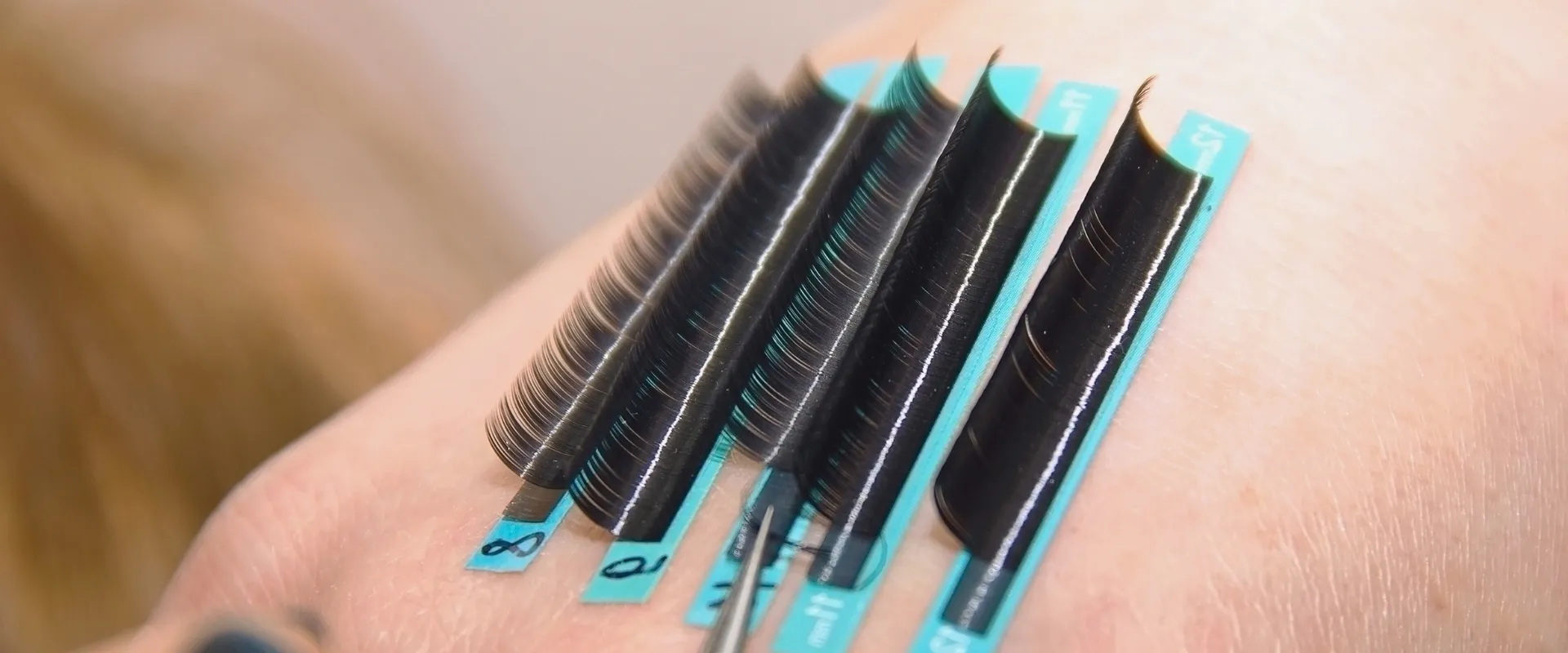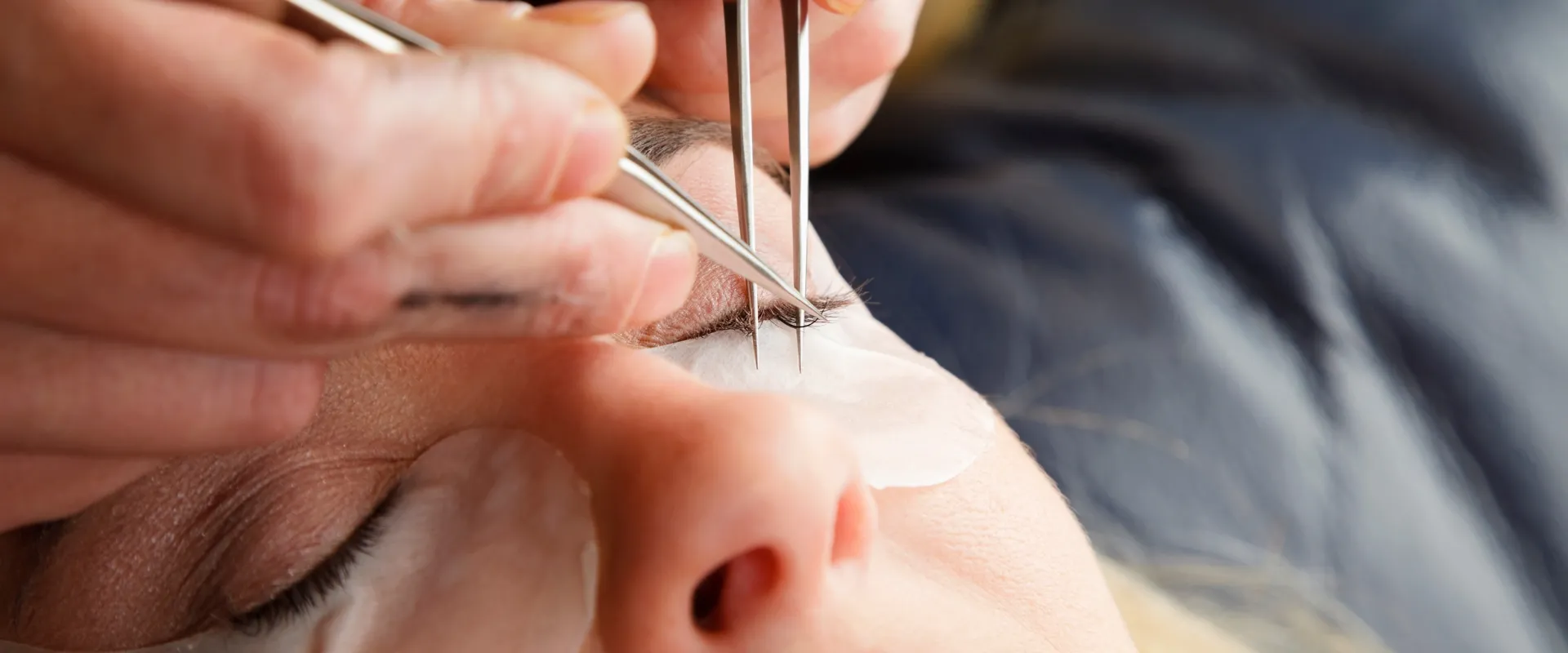


oem vs private label lash is the first checkpoint buyers should lock before they approve a supplier, budget, or production slot. The difference between OEM and private label lash glue often comes down to one conversation. A salon owner who just burned a $50K order calls the supplier: “The pre-production sample was perfect. How is the bulk shipment different?” The supplier hesitates. “The sample was hand-mixed. The production line runs at a different speed, and our quality tolerance is plus or minus two seconds on drying time.” See the problem? The sample approval process didn’t account for the variance in mass production. That’s where the decision between owning the formula or using a pre-developed one really matters.
With OEM, you control the entire formula, from the initial viscosity to the curing curve. That means you can lock in that sample’s exact performance across every batch. But you also commit to a higher MOQ — usually 500–1,000 units minimum — and a timeline of 8–12 weeks for formulation and stability testing. Private label flips that: you’re using a proven formula, so you can ship in 2–3 weeks. You still get custom packaging and your own brand. The trade-off is that the formula isn’t exclusive.
For most salon owners, private label makes more sense. You don’t need a unique chemical composition; you need a glue that holds well, doesn’t irritate sensitive eyes, and comes at a predictable FOB price. But what if you want something between the two extremes? Lash Glues Factory offers a hybrid model: we take an existing fast-dry or sensitive formula and adjust a variable like drying time or viscosity. That gets you a semi-custom product without the full OEM lead time or MOQ requirements. It’s the fastest way to brand lash glue with a bit of differentiation.
OEM: Full Custom Formulation
OEM gives full formula control but demands 8–12 weeks and higher MOQ.
OEM (Original Equipment Manufacturing) means the glue formula is developed from scratch for your brand. No shared recipes. No off-the-shelf base. The manufacturer adjusts every parameter — drying speed, viscosity, retention, sensitivity profile — to match your exact spec. For a salon owner running one or two studios, that level of control usually exceeds what you need. For a distributor building a brand line with retail ambitions, it’s the only path that protects your margin long-term.
Pros: Unique Formula, Brand Exclusivity, Differentiation
- Formula exclusivity: Your recipe is locked. No competitor can buy the same glue and undercut you on price. That matters when a distributor invests in marketing a specific drying time or a sensitive-skin variant.
- Custom performance tuning: You can request a 1-second dry time, a specific viscosity for easy fanning, or a low-fume formula for allergy-prone clients. These tweaks become your brand’s signature.
- Full ownership of the formula: Once developed, you own the intellectual property. If you switch manufacturers later, you can take the recipe (subject to NDA) to another certified facility.
- MOQ requirements: Most OEM lash glue programs start at 1,000–2,000 units per SKU. For a salon owner using 50–100 bottles a month, that’s 10–20 months of inventory — and the shelf life of cyanoacrylate-based adhesives is typically 12–18 months.
- Development timeline: From formulation to stability testing to final approval, expect 8–12 weeks. A private label option ships in 2–3 weeks. If you need product in hand next quarter, OEM isn’t the fastest way to brand your lash glue.
- Upfront investment: R&D fees, mold costs (if custom packaging is part of the deal), and minimum order value can push the first invoice to $5,000–$15,000. Compare that to private label, where entry cost is often under $1,000.
Cons: Higher MOQ, Longer Development Time, Higher Cost
OEM makes sense when you’re building a brand identity tied to a specific formula — a hypoallergenic line for sensitive clients, or a humidity-resistant glue for humid climates. But for the majority of salon owners, the cost and inventory risk outweigh the exclusivity benefit. A hybrid model (customizing an existing formula without a full OEM cycle) offers a middle ground.
Private Label: Pre-Formulated, Your Branding
Private label cuts launch time from weeks to months.
A salon owner who wants branded lash glue fast does not have 12 weeks. That is the timeline for full OEM formulation — custom R&D, stability testing, bottleneck after bottleneck. Private label skips all of that. The formula exists, tested and stable. You order bottles, apply your logo, and ship in 2 to 3 weeks. The difference between waiting a quarter and waiting a month is the difference between launching for the holiday season and missing it.
Faster Time to Market, Lower MOQ
The minimum order for a private label run at Lash Glues Factory starts at 200 units. For a single-salon owner testing a brand, that is manageable inventory. OEM runs typically demand 1,000 units or more because the factory must allocate R&D staff, raw material sourcing, and multiple stability batches. Private label uses existing production lines. The factory fills, caps, labels, and ships. No development fees, no 8-week wait.
Most buyers do not realize private label still allows custom packaging and labeling. The formula is pre-set, but the bottle, the dropper, the box, the carton art — all of that is yours. Your brand name on the front. Your color scheme. Your instruction card inside. The product itself is a proven seller, but the customer experience is entirely your own.
Less Product Differentiation, Shared Formula
The trade-off is real. Another salon owner down the street could be selling the same glue under a different label. If you compete on formula alone, private label gives you no edge. The advantage comes from how you package, position, and support it. Some brands use this model to test demand before investing in a custom formulation. Lash Glues Factory offers a hybrid approach — adjust drying time or viscosity on an existing base without restarting the full OEM cycle. That gets you partial differentiation with private label speed.
Comparison Table: OEM vs Private Label
Choose OEM for full formula control or private label for speed and lower MOQ.
This table breaks down the key differences between OEM and private label for lash glue. The factors that matter most — development timeline, minimum order quantity, and formula exclusivity — shift depending on your business stage. A salon owner testing a new product line has different constraints than a distributor locking in a proprietary formula for a chain of 50 studios.
- Formula Control: OEM: Full custom formulation from raw ingredients — you own the recipe. Private label: Pre-developed formula, branded under your label. You cannot change the chemistry, but Lash Glues Factory offers a hybrid option where existing formulas can be modified (e.g., adjust drying time) without a full OEM cycle.
- Development Timeline: OEM: 8–12 weeks from brief to production-ready batch. Includes R&D iterations, stability testing, and sample approval. Private label: 2–3 weeks from order to shipment. The formula is already tested and documented.
- Minimum Order Quantity (MOQ): OEM: Typically requires 1,000+ units per SKU due to raw material procurement and line changeover costs. Private label: MOQ can be as low as 100–500 units, making it the fastest way to brand lash glue for salon owners with limited monthly usage.
- Cost per Unit: OEM: Higher upfront cost — R&D fees, stability testing, and potential custom packaging molds. Long-run unit cost can be lower once amortized. Private label: Lower entry cost. No formula development fees. Unit price reflects the pre-validated formula and standard packaging.
- Market Differentiation: OEM: Full exclusivity. No other brand can replicate your formula. Private label: Shared formula — competitors may use the same base. Differentiation relies on packaging, branding, and positioning. However, private label still allows custom bottle shapes, label designs, and eco-friendly lash glue packaging.
- Certifications & Compliance: Both OEM and private label can carry FDA, CE, and ISO certifications when produced by a qualified manufacturer. Lash Glues Factory maintains these certifications for both models — ensure your supplier provides audit-ready documentation regardless of the route chosen.
- Choose Private Label if: You are a salon owner launching your first branded lash glue, need low MOQ, and want to be selling within 3 weeks. The lower risk and faster time to market outweigh the lack of formula exclusivity.
- Choose OEM if: You are a distributor or established brand that requires a truly unique formula — proprietary retention time, custom scent, or allergen-reduced chemistry. You have the budget for 8–12 weeks of development and can commit to higher volumes.
- Consider Hybrid if: You want partial customization without the full OEM commitment. For example, adjusting the drying speed of an existing fast-drying lash glue B2B formula. This bridges the gap between speed and differentiation.
Which Model Fits Your Business?
| Comparison Factor | OEM | Private Label | Best For |
|---|---|---|---|
| Formula Control | Full custom R&D – create a unique formula from scratch | Pre-formulated proven recipe – no formula changes | Brands needing exclusivity & differentiation |
| Minimum Order Quantity (MOQ) | High (often 500–1,000+ units per SKU) | Low (50–100 units) – ideal for testing the market | Salon owners testing private label lash glue with low MOQ requirements |
| Time to Market | 8–12 weeks for formulation and stability testing | 2–3 weeks from order to shipment | Fastest way to brand lash glue and launch quickly |
| Cost Investment | Higher upfront – R&D, stability testing, mold fees | Lower – only labeling and packaging costs | Budget-conscious buyers comparing OEM vs private label cost |
| Branding & Packaging | Full custom packaging, labeling, and bottle design | Custom packaging and labeling allowed on pre-made formula | Both models support custom branding; private label often sufficient for salon owners |
| Market Differentiation | Exclusive proprietary formula – stand out from competitors | Shared base formula – differentiation relies on packaging & price | Distributors seeking unique selling points vs. salon owners needing proven performance |
| Ideal Business Type | Beauty distributors, large brands, multi-SKU lines | Salon owners, small brands, first-time lash glue buyers | Understanding the difference between OEM and private label lash adhesive for your growth stage |
Which One Is Right for Your Business?
For salon owners, private label is the winner.
For Salon Owners: Private Label Often Wins
If you run a single salon or a small chain, private label lash glue makes the most sense. The fastest way to brand lash glue without waiting months is to take a proven formula and put your own label on it. Private label lets you ship from the factory in 2–3 weeks, compared to 8–12 weeks for a completely custom OEM formulation. That matters when you have product launch dates or a full appointment book to manage.
Most procurement managers don’t realize that private label still allows full packaging customization — bottle style, label design, box inserts, even the dropper tip. You get brand ownership without the cost and lead time of R&D from scratch. At Lash Glues Factory, salon owners routinely choose our fast-drying, sensitive, or clear formulas and customize the packaging to match their brand palette. The MOQ starts low, so you’re not stuck with six months of inventory.
For Distributors: OEM Offers Better Margins
When you’re distributing to multiple salons or selling under your own brand across a region, exclusivity drives margin. OEM lash glue cost per unit is higher upfront, but the unique formula lets you command a premium. A distributor who locks in a exclusive custom formula can price it 30–50% above commodity private label products. The difference between OEM and private label lash adhesive here is control over the formulation — you can adjust drying speed, viscosity, or add sensitive components that competitors can’t copy directly.
OEM does demand a higher investment. You’ll need to budget for stability testing, sample iterations, and a larger first order. But for distributors with established sales channels, the margin expansion offsets the longer OEM lash glue development timeline. Lash Glues Factory supports both models, and also offers a hybrid approach — modify an existing formula (e.g., adjust drying time) without a full OEM cycle, marrying speed with differentiation.
- Choose private label if: you need a fast, low-risk entry to branded lash glue, MOQ under 500 units, and you’re satisfied with a proven formula + custom packaging.
- Choose OEM if: you have the budget for a 12-week development cycle, want a proprietary formula that only you can sell, and need higher per-unit margins to protect your distribution network.
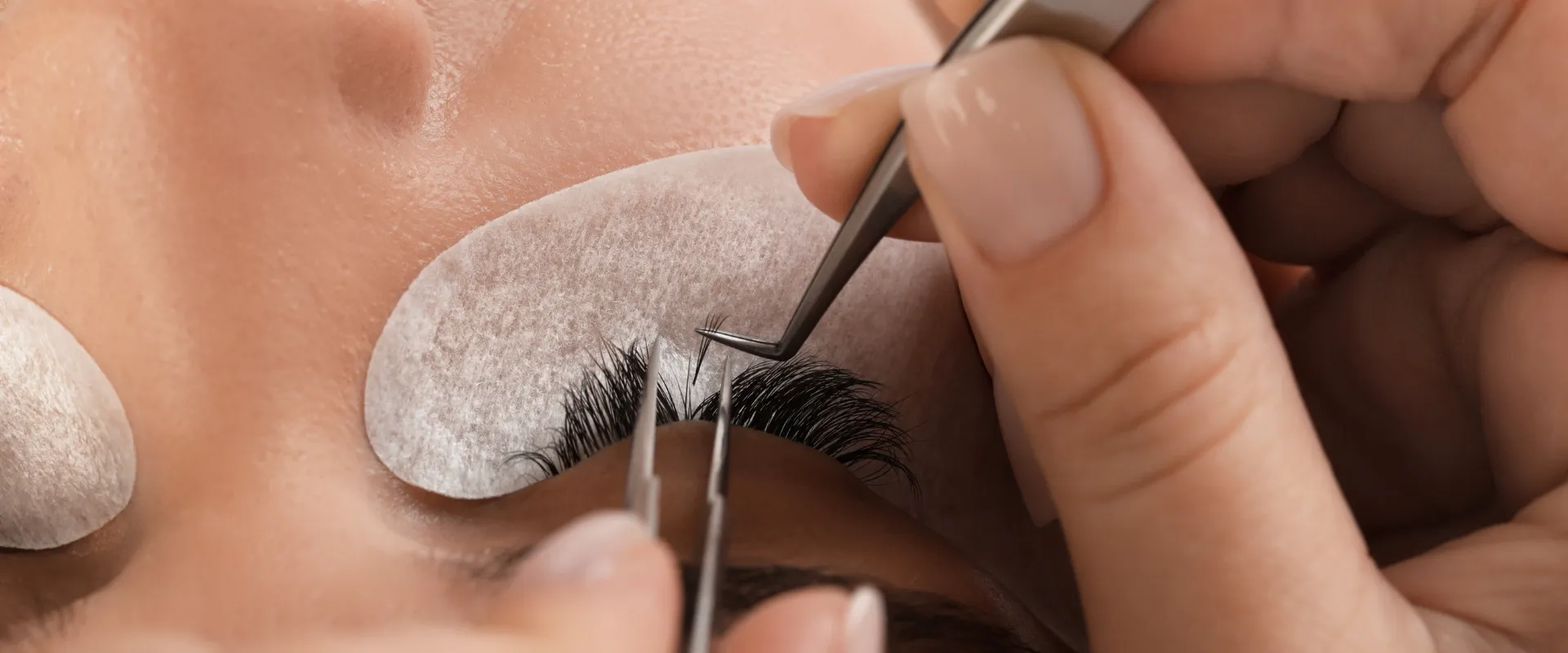
How Lash Glues Factory Supports Both Models
Most manufacturers can’t do both well — we built the line to split at the filling station.
OEM Services: Custom R&D and Stability Testing
If you need a formula built from scratch — a specific drying speed, a unique viscosity for easy fanning, or a sensitive version that skips the cyanoacrylate kick — OEM is the route. The OEM lash glue development timeline runs 8 to 12 weeks from brief to production-ready batch. That’s four weeks for lab formulation, two weeks for accelerated aging tests, and two weeks for stability validation at 50°C and 60% humidity. Every custom formula lash glue for salon owners goes through three rounds: small-batch test, 48-hour cure observation, then a full retention trial on live models.
Most buyers don’t realize the hidden cost isn’t the formulation fee — it’s the stability testing. If the bonding strength drops below 85% after 30 days in the tube, the batch gets reformulated. We run that cycle internally because third-party labs charge $2,000 per stability panel and add three weeks to the timeline. For distributors who want exclusivity in their region, OEM locks the formula to your brand — no other buyer gets that exact blend.
Private Label: Ready-to-Brand Fast-Dry, Sensitive, Clear Formulas
Private label solves the opposite problem: speed. Your branding goes on a formula we already validated across 10,000+ units. The fastest way to brand lash glue is to pick from our three core bases — fast-dry (1–2 second tack), sensitive (low-fume, 3–4 second tack), or clear (translucent dry for luxury sets). Private label lash glue MOQ requirements sit at 500 units per SKU, compared to 2,000 for OEM. That matters when you’re testing a new market or a seasonal drop.
What most B2B buyers miss: private label still allows custom packaging, label design, and even tweaking one variable like drying time without triggering a full OEM cycle. That hybrid OEM private label lash glue model — start with a proven base, shift one parameter — cuts lead time to three to four weeks. Your branding prints on the tube, the box, and the instruction card. The factory handles compliance paperwork for FDA registration and EU REACH, so you get a sellable product without hiring a chemist.
The difference between OEM and private label lash adhesive comes down to how much control you need versus how fast you need shelf-ready stock. If you’re a salon owner opening a second location and want your own name on the tube within a month, private label gets you there. If you’re building a national brand and need a proprietary formula that no competitor can reverse-engineer, OEM is the only real option.
Conclusion
Deciding between OEM and private label lash glue isn’t a binary choice. The professionals who move fastest know that a hybrid model — modifying a proven base formula — often delivers the best balance of speed and exclusivity.
- OEM gives you an exclusive formula but takes 8–12 weeks.
- Private label ships in 2–3 weeks with your own packaging.
- A hybrid approach lets you adjust drying time or sensitivity without full R&D.
- Most buyers miss that private label allows custom labeling and branding.
For salon owners ready to bring their own brand to market, the fastest path is to start with a private label base and tweak the setting time to match your client base. Review the ready-to-brand formulas available — fast-dry, sensitive, clear — and request a stability test batch before committing to volume. Lash Glues Factory supports both routes, so you can scale from a 2-week turnaround to a fully custom formulation as your brand grows.
Frequently Asked Questions
What is the difference between OEM and private label lash glue?
OEM means you develop a custom formula from scratch, while private label uses a pre-formulated glue that you brand as your own. OEM gives full control but costs more and takes longer; private. Choose based on your budget and need for exclusivity.
Which option is best for a salon owner?
Private label often wins for salon owners because it offers lower MOQs and faster time to market. It lets you test the market with minimal financial risk before committing to a. Start with private label and scale to OEM later if needed.
What is the minimum order quantity for private label?
Private label MOQ typically starts at a few hundred units, depending on bottle size and packaging complexity. For OEM, the MOQ is significantly higher due to custom formulation and stability. Request a precise MOQ quote after defining your bottle and label specs.
How long does OEM development take?
OEM development usually takes 8 to 12 weeks from formulation through stability testing. This includes multiple sampling rounds and adjustments to match your performance requirements. Add extra buffer for regulatory paperwork if exporting internationally.