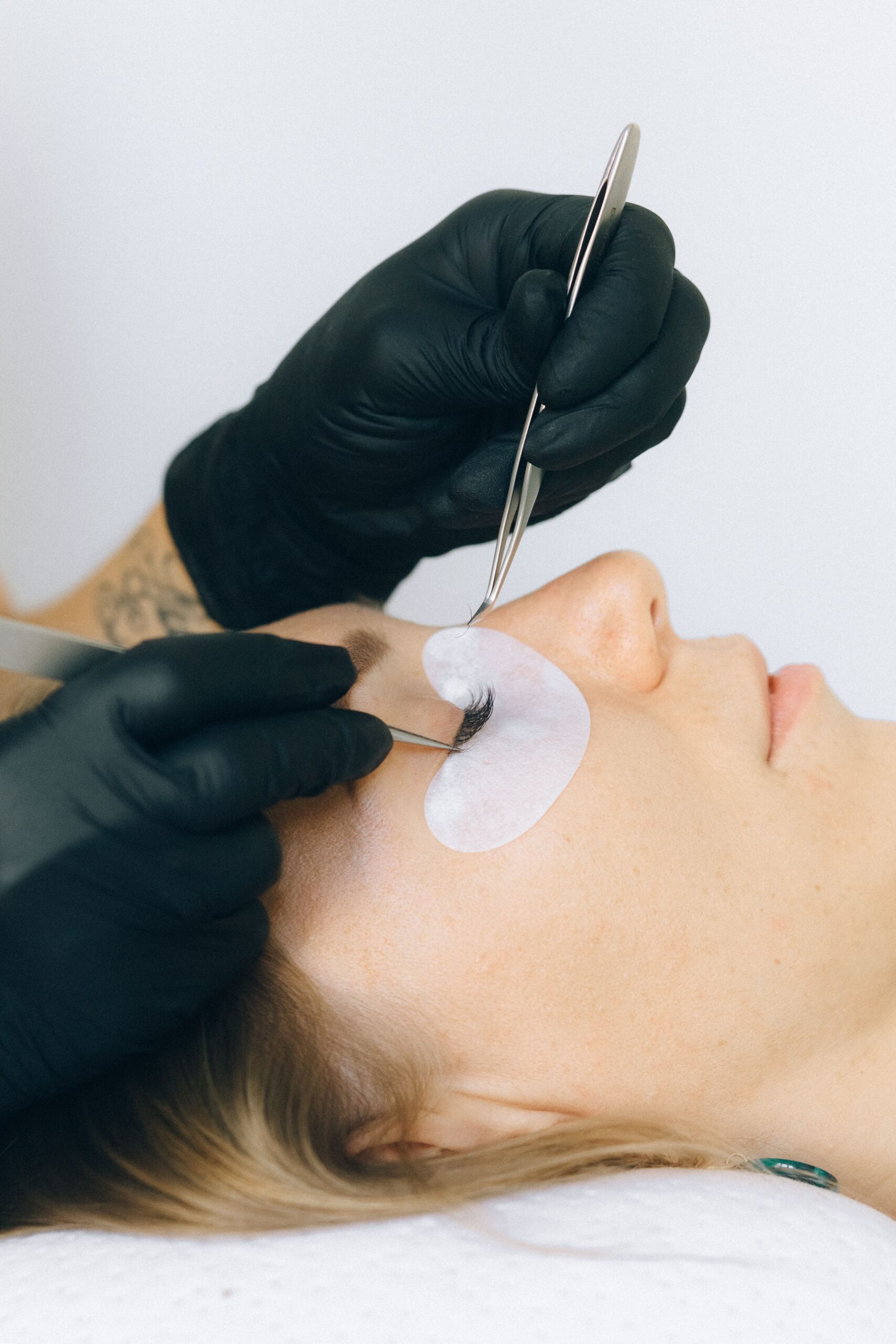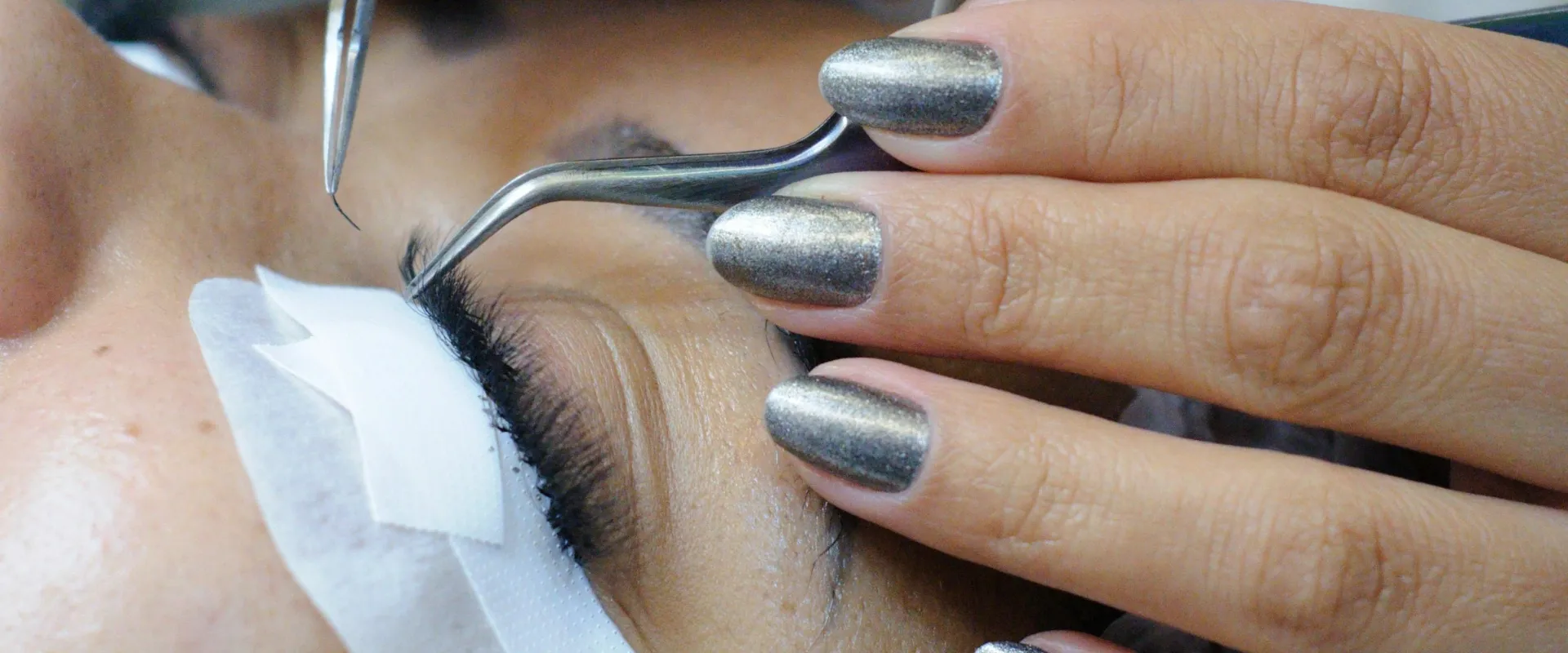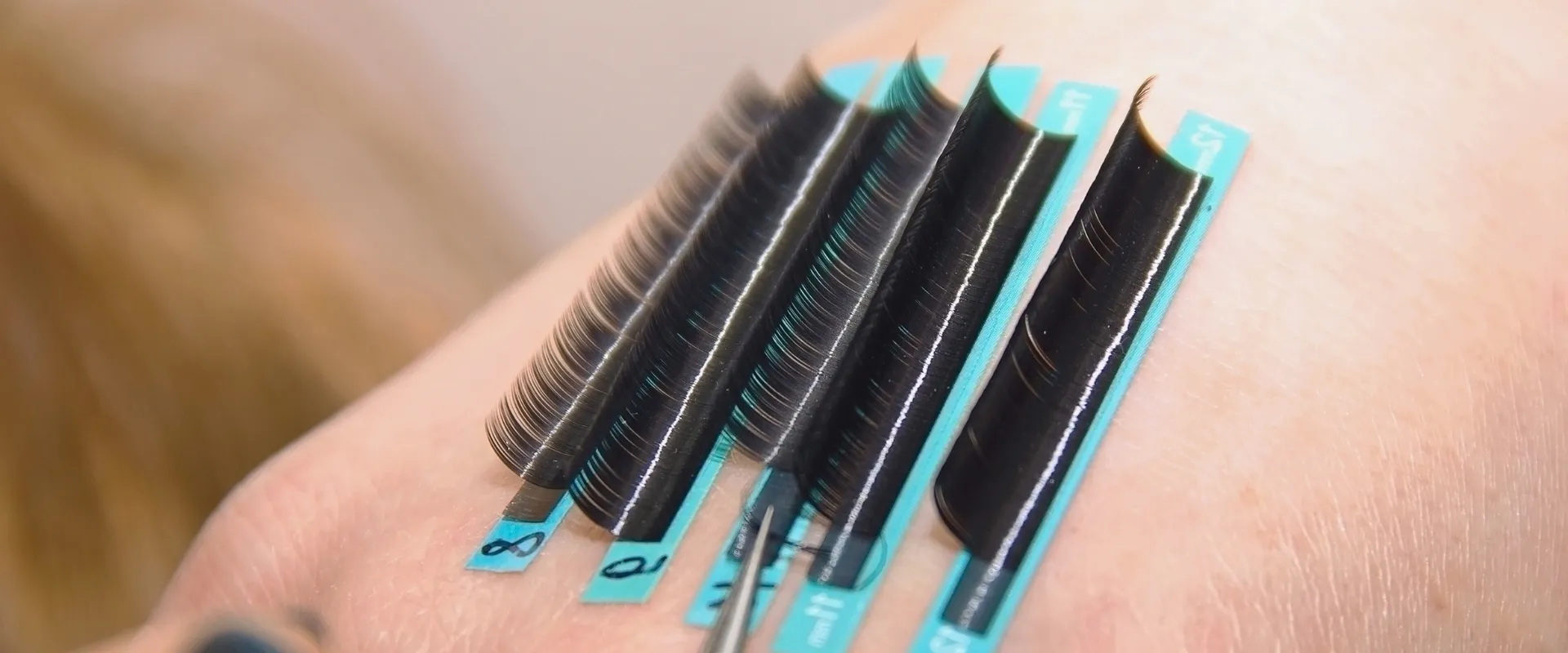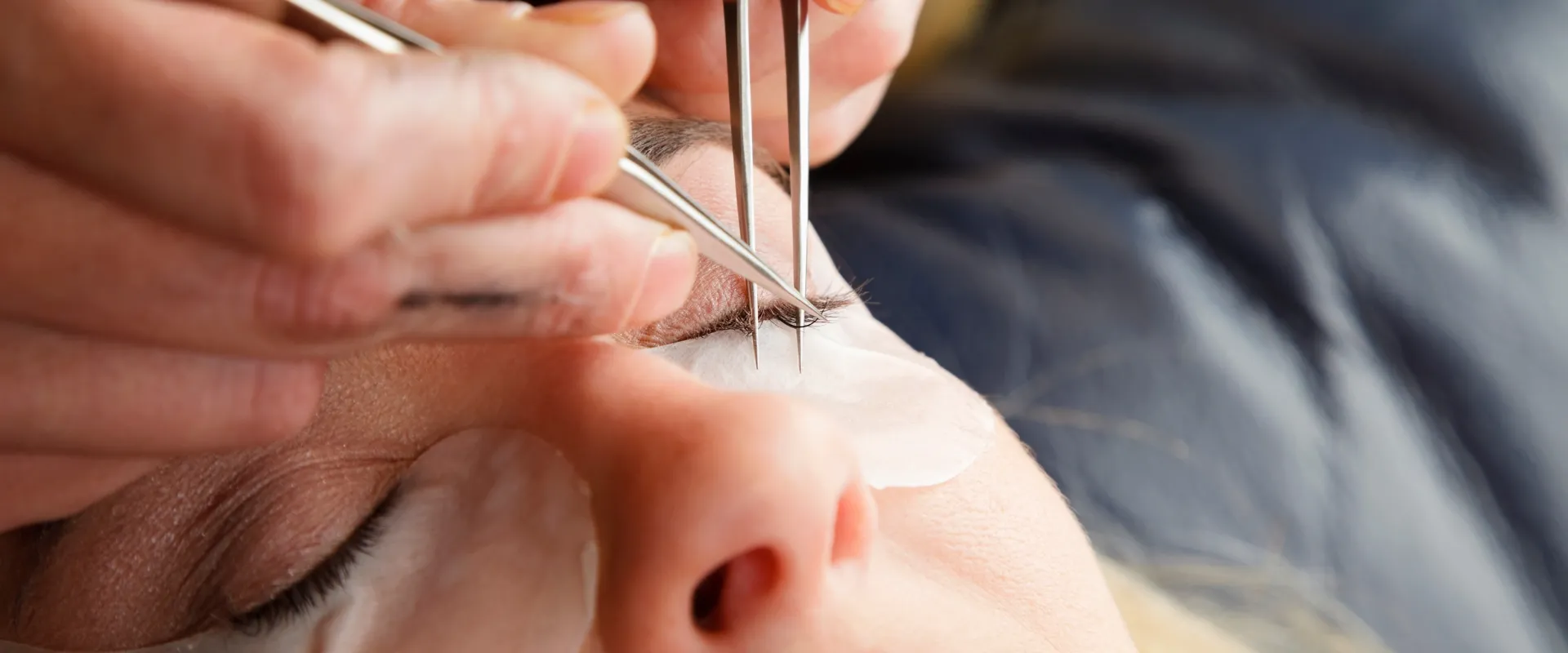


The lash glue factory vs trading company decision becomes painfully real when a $50K order fails because the pre-production sample didn’t match mass production. Viscosity was off, cure time differed, and the entire batch was rejected. That’s the risk of working with a middleman who doesn’t control the manufacturing process.
A genuine factory owns the formulation and production line. They can show you batch records, adjust the formula for your specific needs, and guarantee consistency across runs. A trading company subcontracts—often to multiple factories, sometimes switching suppliers between sample approval and bulk production. You pay a 30-50% markup and get limited traceability.
You can verify factory authenticity without a plane ticket. Check the business address on Google Maps Street View. A shared office or residential unit is a red flag. Request a business license with ‘manufacturing’ scope. Ask for a video tour of the production floor. Real factories accommodate; traders make excuses. That’s the difference between a partner and a pass-through.
The Core Difference: Who Actually Makes the Glue?
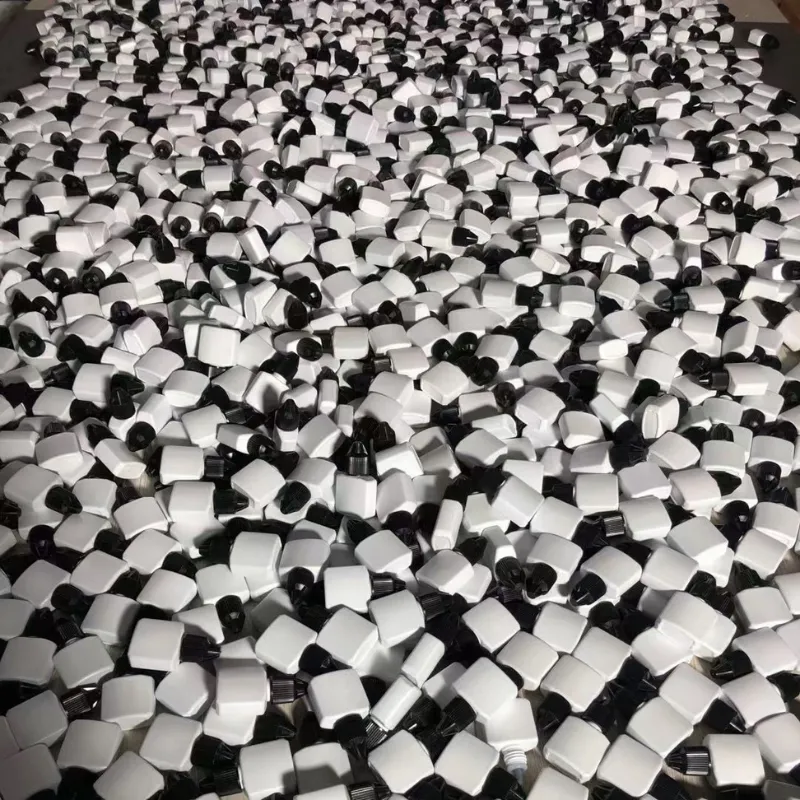
Owning the production line means controlling formula stability.
The single most important question when vetting a private label lash glue supplier is simple: does this company own a production line, or do they subcontract to one? The difference between a lash glue factory and a trader isn’t just a line on a business card—it directly affects your cost structure, formula consistency, and ability to trace problems back to a specific batch.
Factory: Full Control Over Chemistry
A genuine manufacturer like Lash Glues Factory operates its own mixing, filling, and packaging lines. Every batch of cyanoacrylate-based adhesive is blended under controlled humidity and temperature, with in-process viscosity checks before bottling. When a batch fails a quality tolerance test, the factory isolates it immediately—no need to wait for a third party to report back.
Trader: No Production, Just Markup
A trading company typically has no factory floor, no chemistry lab, and no batch records. They source from multiple unknown factories, relabel the bottles, and add a 30–50% markup. The true cost of trading company markup lash glue often emerges only after a consistency problem arises—the trader has no visibility into why batch A dried in 2 seconds and batch B took 8.
- The Verification Test: Ask for a live video tour of the production floor. A factory will show you the mixing tanks and filling nozzles. A trader will redirect to a warehouse or show stock photos.
- The Business License Check: A valid Chinese business license with ‘manufacturing’ in the scope confirms production capability. A license with only ‘trade’ or ‘import/export’ signals a middleman.
- The Address Cross-Check: Paste the registered address into Google Maps. A factory shows a compound with multiple buildings. A trading company often lists a shared office tower or a virtual office.
- Choose a factory if: You need consistent batch quality, full traceability, and direct access to formula adjustments. The higher MOQ (typically 500–1000 units per SKU) is offset by lower per-unit cost.
- Choose a trader if: Your order volume is too small for a factory MOQ and you are willing to accept batch variation. Expect to pay a premium and lose direct control over formulation.
Pricing & Minimum Orders
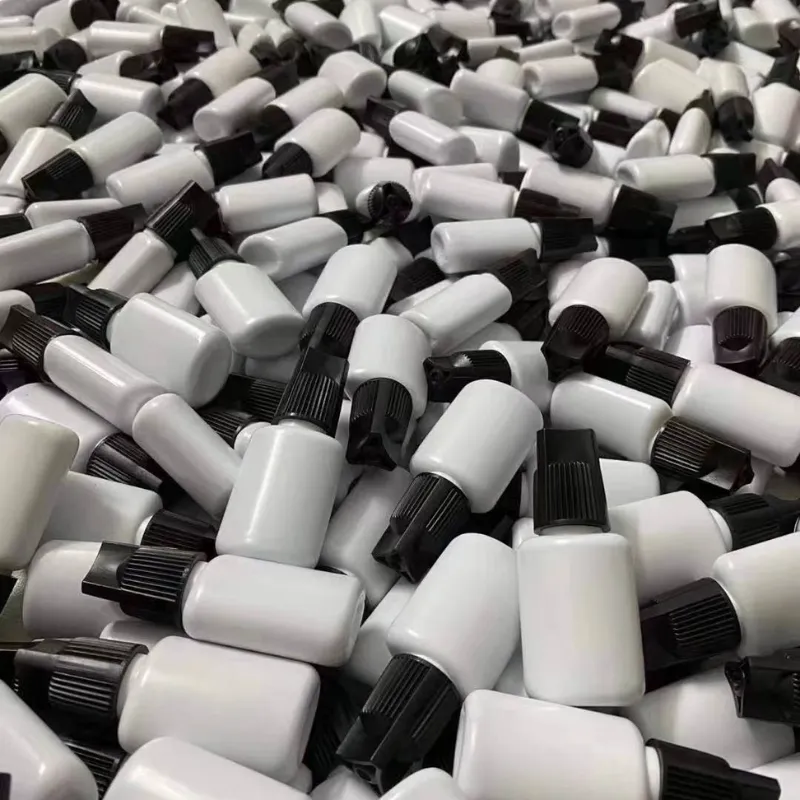
Traders mark up 30–50% by bundling orders; factories cut per-unit cost at higher MOQ.
The pricing gap between a factory and a trading company isn’t just about the number on the quote. It’s about how that number is built. A factory that owns the production line calculates cost from raw materials, labor, and overhead — then adds a margin. A trader buys from that same factory, adds their own markup, and passes it to you.
Factory MOQ: Higher floor, lower ceiling
A direct factory will typically set a minimum order quantity of 500 to 1,000 units per SKU for private label lash glue. That number exists because production runs require setup time for mixing, filling, and curing. Below that threshold, the machine changeover cost eats into any margin advantage.
But once you hit that MOQ, the per-unit price drops significantly — often by 20–40% compared to what a trader would quote for the same volume. The savings come from removing the middleman layer entirely.
Trader model: Low entry point, hidden tax
Traders exist precisely because they solve the MOQ problem for small buyers. They bundle orders from multiple clients into one factory run. That means you can order 100 units instead of 1,000.
Quality Control & Traceability
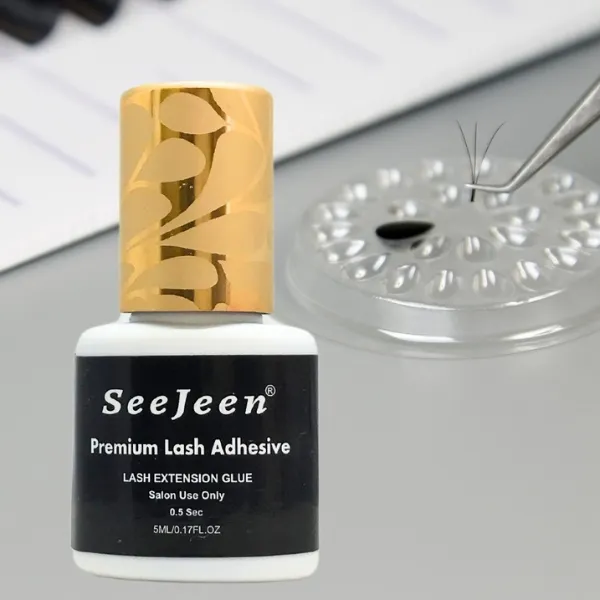
Without batch records, a recall becomes a guessing game.
When you’re sourcing private label lash glue, traceability isn’t a nice-to-have—it’s the difference between a 30-minute recall phone call and a reputation-destroying two-month investigation. A factory that produces the adhesive keeps a batch record for every production run: raw material lot numbers, mixing timestamps, cure testing results, and packaging dates. A trading company that drop-ships from a third factory has none of that. They can’t tell you which batch went to which client, because they never saw the production floor.
The Real Cost of Limited Visibility
- Factory traceability: Every batch is logged with a unique code. If a client reports an adhesion failure, the factory can pull the exact batch record, check the raw material lot, and isolate the issue within hours.
- Trader traceability: Most traders operate from shared offices without a warehouse. They mark up the glue 30-50%, ship direct from the factory, and have no access to production records. If something goes wrong, they forward your complaint to the factory—and you wait.
For a distributor like David, who needs to protect his downstream salon clients, this gap is critical. A certified lash glue factory verification step should include asking for batch records from the last three production runs. If the supplier hesitates or provides a generic document, you’re dealing with a middleman.
A genuine factory will have a separate facility address visible on Google Maps Street View and a business license with ‘manufacturing’ scope. That’s how you verify the difference between a lash glue trader and manufacturer.
Certification & Documentation
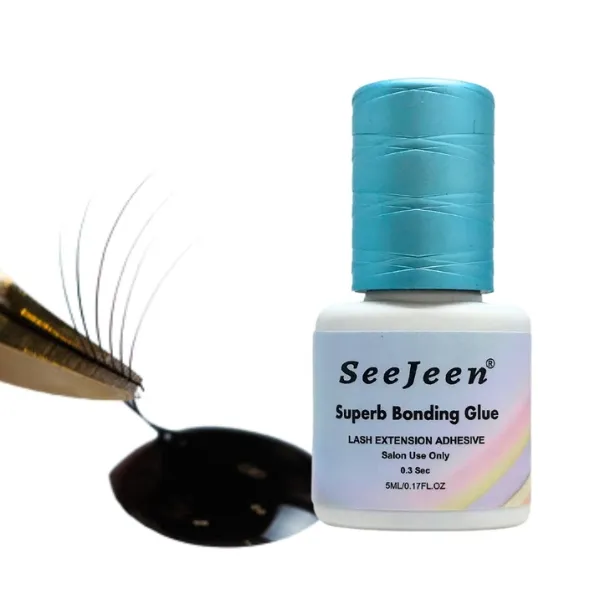
A generic SDS is a red flag.
Why Traders Rely on Generic Documents
Trading companies don’t control the production process. They buy from multiple factories and resell under their own label. The SDS they send you is often a template downloaded from a chemical database, not a document specific to your batch. The same applies to test reports — a trader may hand you a report from a batch that was produced six months ago by a different factory entirely.
How to Verify Authenticity
- Check the manufacturer details: The SDS must list the actual manufacturer‘s name, address, and emergency contact. If the address matches a shared office building or a residential address, that’s a warning sign. A genuine factory will have an industrial facility address you can verify on Google Maps Street View.
- Match the batch number: Every SDS should carry a unique batch number or production date. Ask the supplier to photograph the batch label on the drum itself. If the number on the document doesn’t match the one on the physical product, the document is generic.
- Request a third-party test report from a recognized lab: SGS, Bureau Veritas, or Intertek reports are verifiable by their report number. Traders often alter the header or expiration date. Visit the lab’s website to confirm the report exists and matches the supplier’s name.
- Ask for a video audit of the production line: A factory that makes its own glue can show you the mixing room, the filling line, and the quality control station. A trader cannot. Lash Glues Factory, for example, offers batch-specific documentation and can provide a live video tour of its manufacturing facility.
The Real Cost of Fake Documents
Buying from a trader with generic SDS might save you 10-15% on the unit price. But if customs flags your shipment for inadequate documentation, the delay and storage fees can wipe out that margin. Worse, if a client has an allergic reaction and the SDS doesn’t match the actual formulation, you face liability without a paper trail. A direct factory with batch-specific documentation protects your brand.
Red Flags to Watch For
A trader claiming an R&D lab but refusing a video tour is the fastest way to disqualify a supplier.
You ask for a live walkthrough of the mixing room. They say the camera is not allowed due to proprietary formulas. That is a red flag. Most traders in the lash space operate from a shared office building with no warehouse. They drop-ship directly from the factory and mark up 30-50%. A genuine factory has a separate facility address visible on Google Maps Street View. Check the business license for a “manufacturing” scope. If it says “trading” or “wholesale,” you are not dealing with a factory.
What happens when you skip this check? You get a batch that does not match the pre-production sample. The glue dries differently. The bottle label is slightly off. You have no control over the formula. The factory has no record of your order. The trader just placed an order with the lowest bidder. You lose time, money, and credibility with your customers.
The difference between a professional distributor and an amateur one is knowing how to verify a lash glue factory’s authenticity. Request a batch number from production records. A real factory can trace every batch. A trader cannot. That is the last 10% that separates professionals from amateurs. If a supplier cannot provide a batch number, walk away. You have too much to lose.
Conclusion
The difference between a factory and a trading company isn’t just about price — it’s about control. Control over your batch records, your certification chain, and your supply continuity. Skip the verification step, and you’re betting a private label launch on someone else’s phone book.
-
- Factories own production lines; traders subcontract them.
- Trader markups typically range from 30% to 50% per unit.
- A genuine factory address will match Google Maps Street View.
- Batch traceability is only possible with direct factory access.
Frequently Asked Questions
How to get a quote for Lash Glue Factory vs Trading Company: Which Private Label Partner??
The exact answer depends on the product specification, quantity, and order setup. The safest approach is to confirm the commercial terms only after the final requirement sheet is locked. Final terms should be confirmed against the exact product specification and order conditions.
Can I request samples first?
The exact answer depends on the product specification, quantity, and order setup. The safest approach is to confirm the commercial terms only after the final requirement sheet is locked. Sample availability should be confirmed against the current stock and shipping plan.