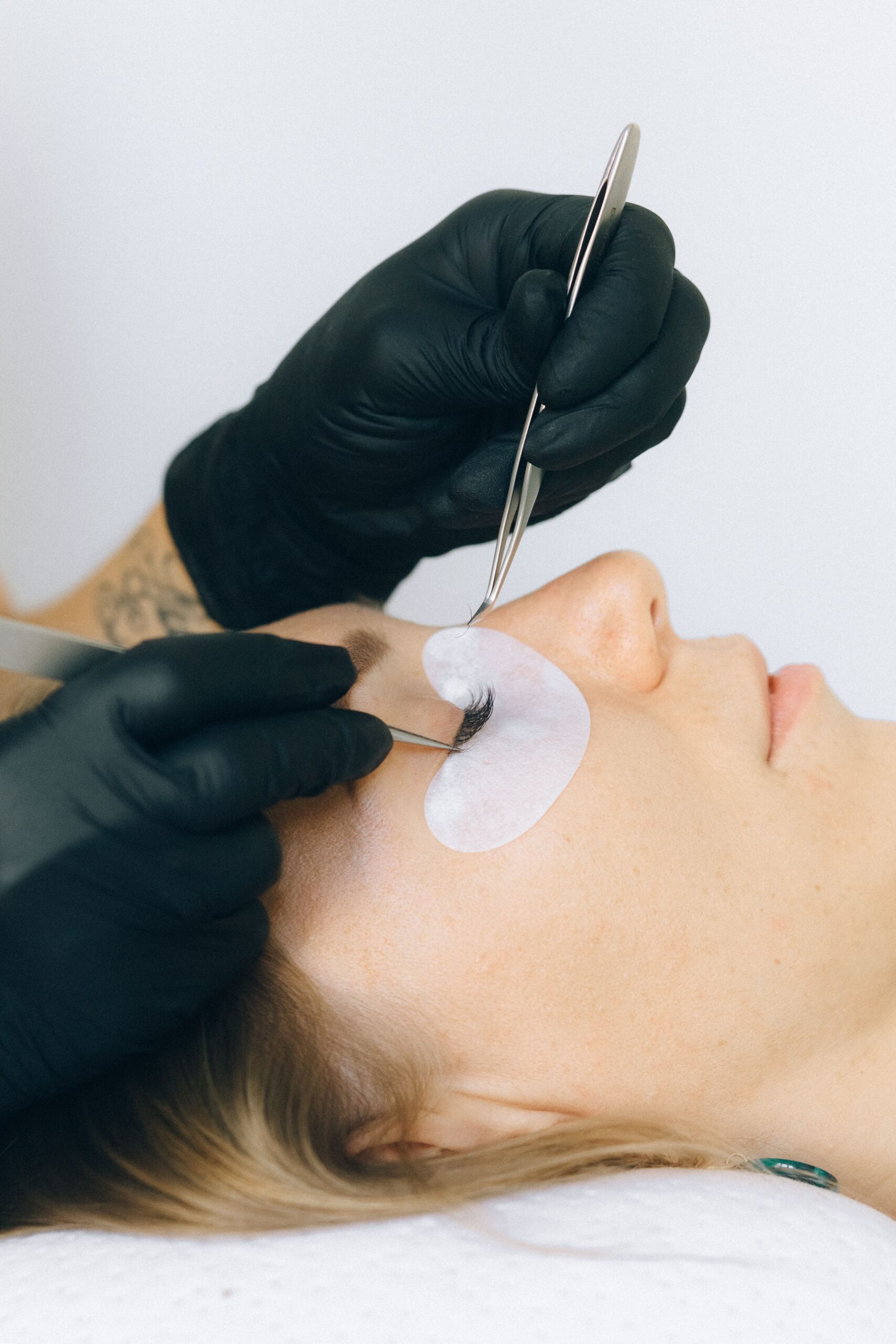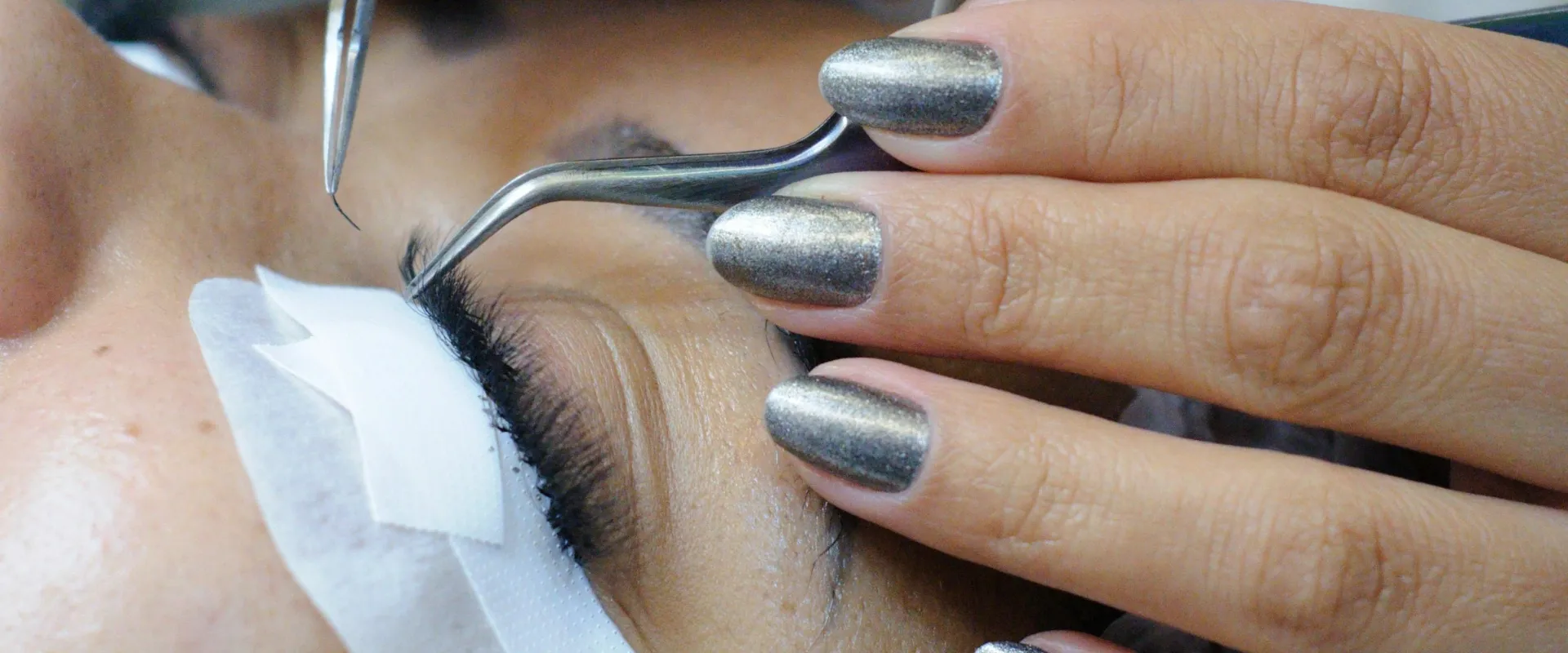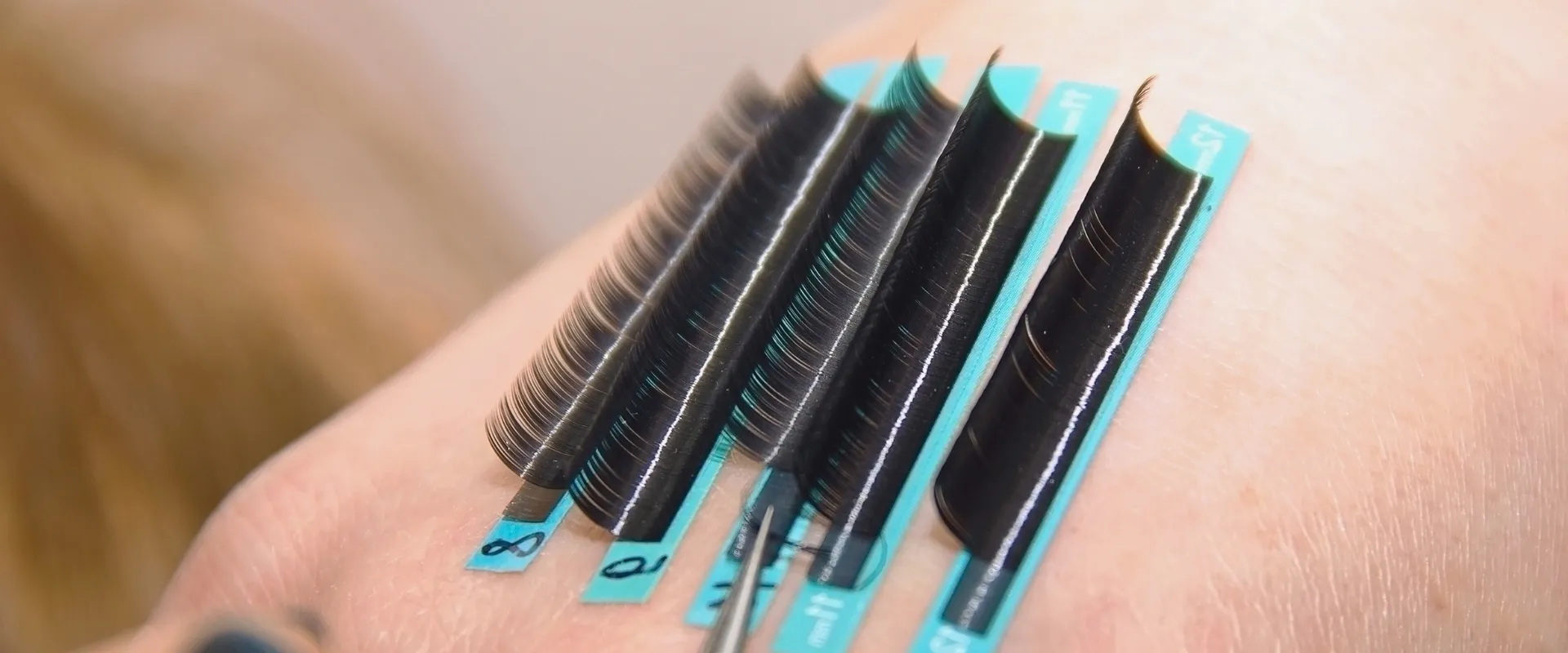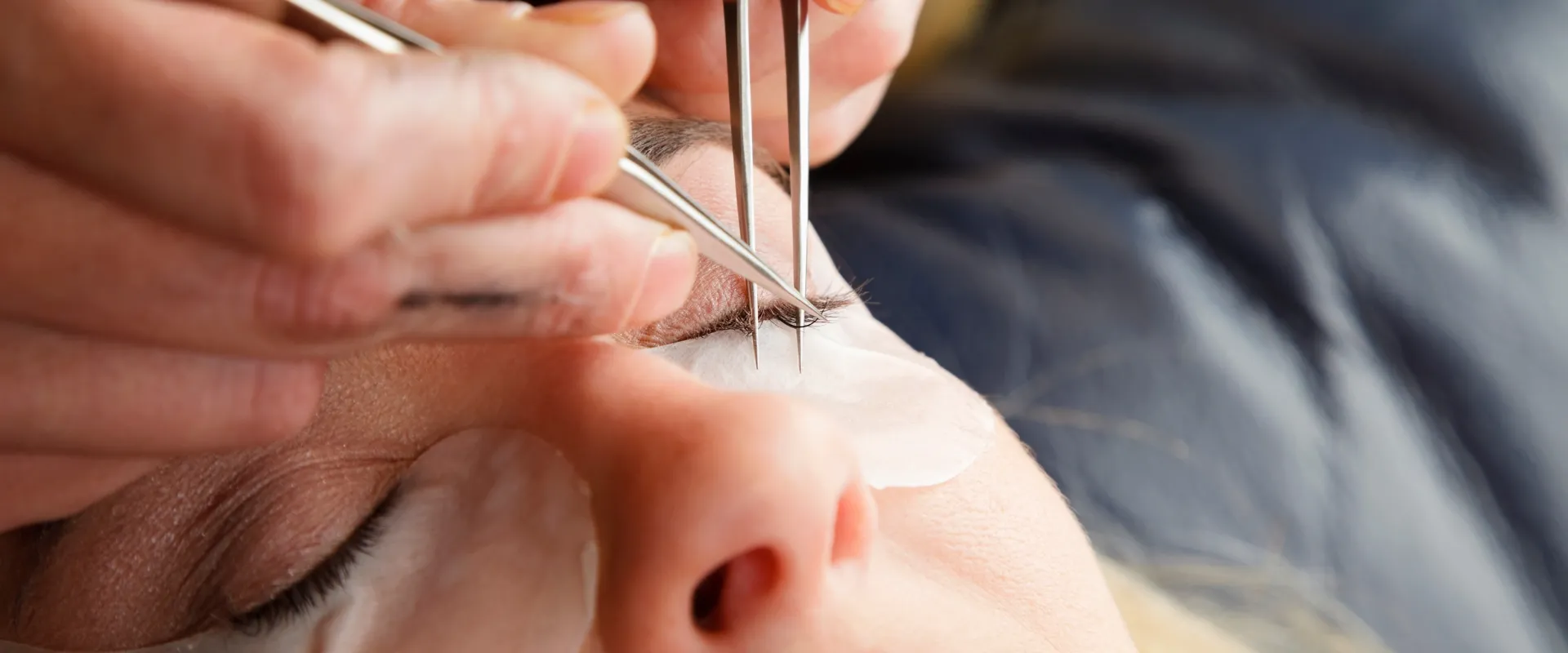


The usual path from reselling to owning a brand is shorter and cheaper than most people expect, because you do not have to invent a product to earn the right to brand one. The proven route: buy wholesale stock at the small end of the factory’s range, sell it as-is while you learn what your customers actually reorder, and then move the winning formula into a private label run at the entry MOQ, carrying the same trusted glue into your own bottle. This article walks through what that transition changes in practice, the paperwork that switches to your name, the batch and consistency habits a brand owner inherits, and how to plan the jump so your first branded run looks like a promotion of the product your customers already know, not a gamble.
Why Wholesale First Is Not Wasting Money
Wholesale exists so that your market can vote before you spend on branding. Every month you sell unbranded or factory-branded stock, you collect the information a private label launch needs: which formula tier your salons reorder, what complaints arrive, which price point holds, and which customers are ready to follow you into your own brand.
The economics work because the commitment ladder is genuinely low at the entry. This factory runs wholesale orders from 30 units, which is small enough to treat a first purchase as a market test rather than an inventory bet. Sell through the test batch, note what you would have changed, and only then price up the branded run. If the test batch sells out with reorder requests, you have proof. If it sits, you have saved the cost of artwork, plates, and a private label minimum on a product nobody asked for twice.
There is a quieter benefit too. Handling the product for a few months teaches you its real behavior: how it travels, how it stores, how the label survives transit, what your customers ask about it. That operational knowledge is what separates a brand owner who answers questions from one who forwards them to the factory.
What Actually Changes When You Go Private Label
Four things change the day your brand goes on the bottle. Each one is manageable if it is expected.
1. Identity and artwork become your job. The formula may stay identical, but the product identity moves to you: name, label, warnings, net quantity, batch coding, and the story on the box. This is the work that justifies the brand premium, and it is entirely in your control from the first run.
2. The safety documentation changes hands. When you resell factory stock, the factory’s paperwork is the story. When the bottle carries your brand, the documents have to line up with your label: an SDS that names the right responsible party, warnings that match your container text, and batch records that trace to your product. Our guide to whose name goes in Section 1 of a private label SDS covers exactly what to request from the factory before your artwork goes to print. If you want the underlying requirement, OSHA’s interpretation letter on SDS responsible parties states the Section 1 rules for imported products directly. Handling this early is the difference between a launch and a paperwork scramble.
3. You become the quality witness. A wholesale buyer judges batches by how they sell. A brand owner also judges them against the specification: the viscosity clause, set-time behavior, appearance, and batch traceability that define “your” product in production. The clause structure for those acceptance criteria, and what each batch’s records should show, is set out in our viscosity acceptance criteria guide. You do not need a laboratory to operate this discipline; you need a written spec and a receiving routine.

4. Inventory planning becomes real. Stock you buy wholesale is someone else’s SKU that you can buy again next month. A private label batch is yours alone: the MOQ, the production window, and the shelf life all belong to your planning sheet now. That is an upgrade, but it is a planning job, and it is worth doing with the lead time in front of you.
The MOQ and Lead-Time Reality
Run the numbers before the excitement. This factory’s entry private label MOQ is 100 units, up from the 30-unit wholesale start, and a standard branded production run reaches finished product in 10–15 business days once artwork is approved.
Three planning consequences fall out of those two facts. First, artwork approval is the gate: your label, warnings, and packaging files are what the production calendar waits on, so finish them before you announce anything. Second, your first branded run should be sized to sell through in a sensible window, not to fill a warehouse; the MOQ is a floor, and there is no prize for climbing it faster than demand allows. Third, the reorder clock starts the day the batch ships, not the day you place the next order: keep at least one production window plus shipping time of cover between runs. Our MOQ guide covers how wholesale and private label minimums compare in more detail.
Choosing the Formula to Brand
The strongest choice is also the least dramatic: brand the formula your customers already buy. The transition should change the packaging, not the product inside, at least for run one. Your wholesale months already ranked the candidates by reorder rate and complaint count, and that ranking is more trustworthy than any launch-time preference.
Two refinements are worth considering for the branded version. If your sales split across seasons or skill levels, plan the line to keep the proven tier as the anchor and add a second tier only after the first branded batch validates demand. And if you have been selling a factory-branded formula whose labeling you could not control, take the opportunity to rebuild the product page and education materials around how your customers actually use it. The private label lash glue overview shows how the labeling and packaging scope is structured when you take a library formula into your brand.
Label and Packaging Work Before the Run
The label is where the transition becomes visible, and it is also where a launch most often stalls. Build the packaging file list early: product name and identity, net quantity, ingredient and warning statements consistent with the SDS, batch code placement, and the storage line your customers will need. If your business sells into retail or through distributors, treat the label as a compliance surface, not a design exercise; our guide to lash glue packaging for retail covers the elements and the checkpoints. Because the batch number on a private label bottle is your traceability hook, settle with the factory where and how it is printed, and confirm at the first production run that the printed code matches the batch records you received.
After the First Branded Batch
Run one more piece of wholesale discipline into your branded life: keep a retained sample of every batch you sell. When a salon reports a problem in month six, the retained bottle and the batch record turn an argument into an inspection. Store it the way you expect salons to store their working stock, sealed and out of heat, and log the shelf life so older stock ships first. The receiving and shelf routine this factory recommends for lash glue is in our storage guide.
Documentation completes the picture. By your second branded run you should be able to produce, on request: the SDS matching your label, the spec your batch was checked against, and the batch records for any lot you shipped. Distributors and chains ask for exactly this set, and a brand that answers in an hour wins lists that a brand answering in a week does not.
Frequently Asked Questions
Can I sell wholesale stock while my private label batch is in production?
Yes, and you should plan for the overlap. The wholesale line keeps your channel supplied and your customers talking while the branded run is printed and filled, and it prevents the worst launch move: going silent for a month and letting a competitor take the reorder.
Does my first private label run need a new formula?
No. The standard and strongest first run brands a proven formula from the factory’s library. Formula development is a separate project that belongs on the roadmap once your branded product has shown which specific gap is worth solving.
What documents do I need before the first run ships?
At minimum: an SDS consistent with your label and naming the right responsible party, the product specification the factory will produce against, and confirmation of batch coding and the certificates that travel with the order, such as MSDS, SGS and RoHS paperwork, which this factory ships with orders by default.
How do I keep the transition invisible to my customers?
Keep the glue the same and say so. Carry the proven formula into the new packaging and tell your customers the product they trust is now in your own bottle. Continuity is the feature; the redesign is only the wrapper.
The Bottom Line
Wholesale proves the product; private label makes it yours. The transition is a sequence of small, answerable jobs: prove demand at 30 units, lock the formula and its acceptance criteria, move the paperwork to your name, finish the artwork early, and plan the reorder clock from the day the first branded batch ships. Nothing in that list requires a leap of faith, which is exactly why it works. If your test batch has earned the next step, start the transition by requesting the specification and document set for the formula you are branding, then follow the private label process from artwork to first delivery.