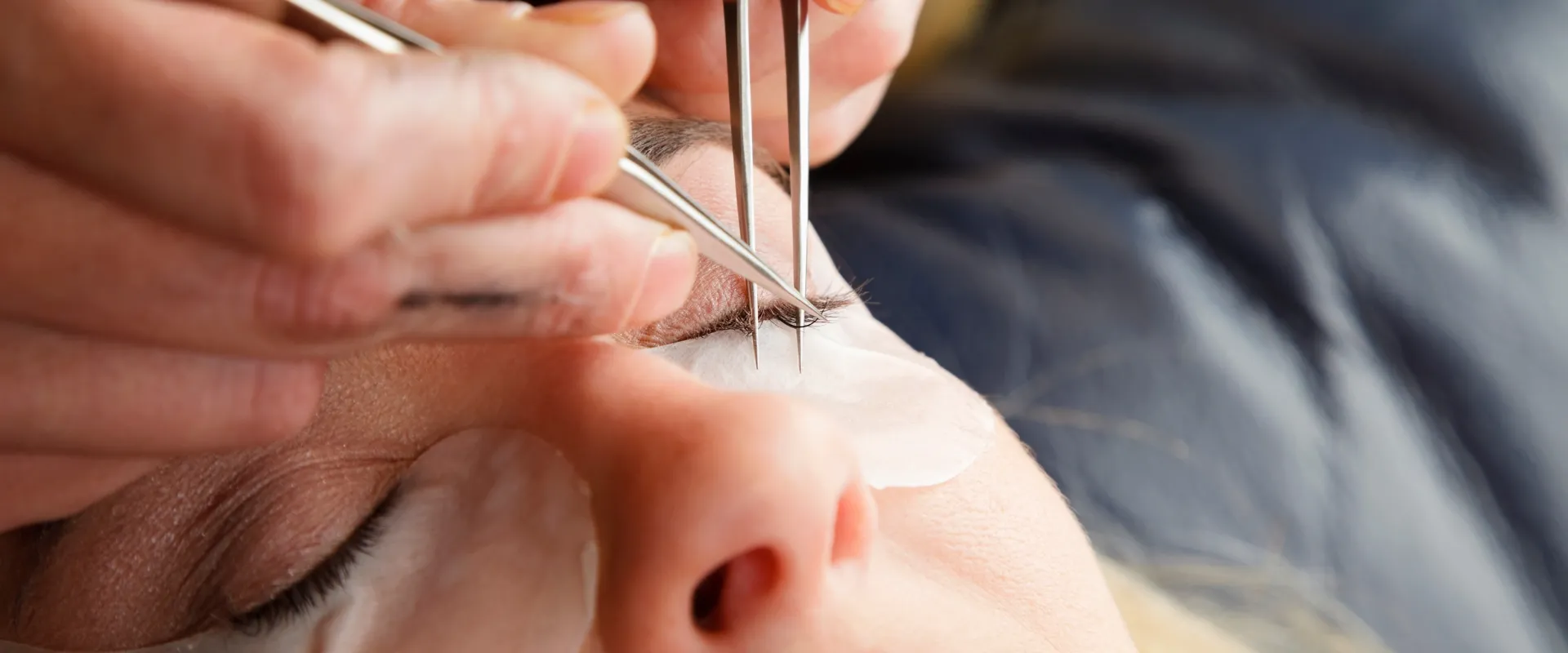


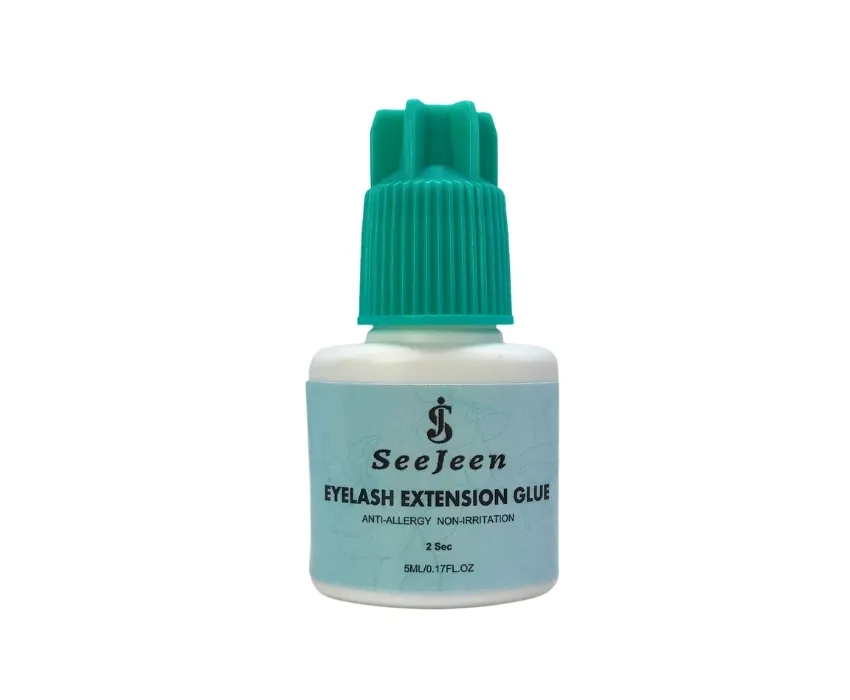
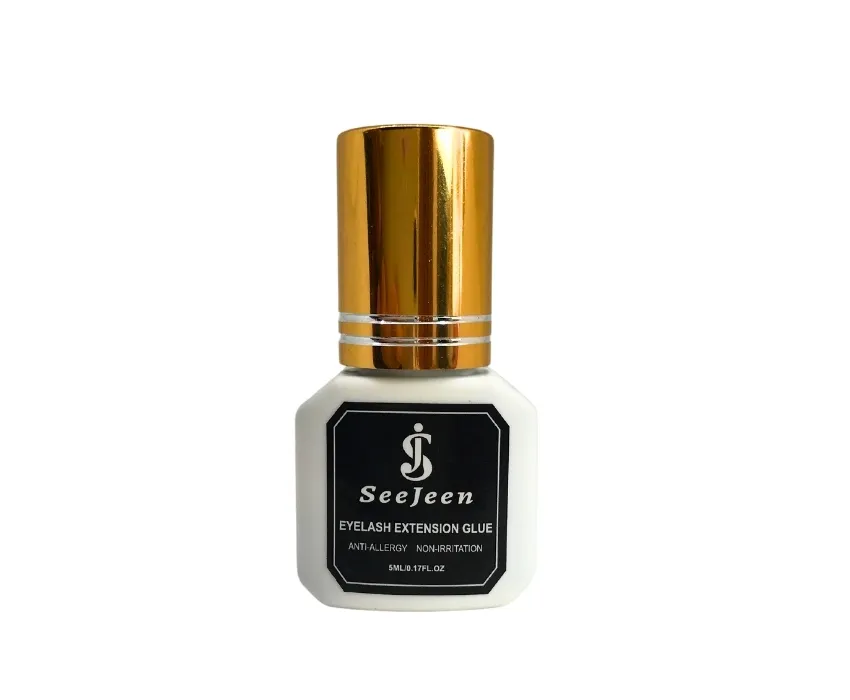
lash glue moq is the first checkpoint buyers should lock before they approve a supplier, budget, or production slot. Picture two bottles of lash glue on a distributor’s desk. One costs $2.80 per unit with a standard label and a MOQ of 10,000. The other is $4.50 per unit with your brand name on it and a minimum of 200. That price gap is not about greed — it reflects the real cost of customization, packaging setup, and production line changeovers that go into a private label run versus a straight bulk order.
Understanding lash glue MOQ is what separates distributors who lock favorable unit pricing from those who get stuck with inventory they can’t move or pay too much for small runs. The difference between private label and bulk orders is not just about quantity — it’s about how the factory allocates costs for raw materials, bottling, and label application. A distributor who knows this can negotiate terms that match their cash flow instead of accepting whatever number lands on the quote sheet.
Why MOQ Matters in Lash Glue Sourcing
MOQ isn’t a sales tactic — it’s the factory’s break-even math for raw materials, bottling, and packaging.
Private Label vs Bulk MOQ: What You’re Actually Paying For
A distributor calls asking for 50 private-label bottles. The factory says no. That’s not arrogance — it’s arithmetic. Private label means your brand name on the bottle, your label artwork, often a custom cap or box insert. Each new SKU triggers a setup run: cleaning the filling line to avoid formula cross-contamination, printing a short batch of labels (which costs more per unit than a long run), and allocating QA time for sample approval against your specific color match and viscosity tolerance.
Bulk orders skip most of that. You get the factory’s standard bottle, their stock label or no label at all, and one glue formula they already produce in volume. The MOQ jumps higher — typically 1,000 to 10,000 units — because the factory is optimizing for raw material drum sizes and filling line throughput. A single batch of adhesive might use a 200kg drum of cyanoacrylate base. That drum yields roughly 4,000 bottles at 5ml each. If you order only 500 bottles in bulk, the factory eats the cost of leftover raw material that expires before the next run.

How Factories Calculate MOQ: Raw Materials, Bottling, Packaging
Three cost buckets determine where that number lands. First is raw material procurement. Lash glue uses sensitive monomers that degrade once opened. A factory won’t split a drum for a small order unless you pay a premium for partial-use waste. Second is bottling line setup — every formula change requires purging the nozzles and recalibrating drop weight, which takes 30-45 minutes of downtime. Third is packaging: custom boxes have their own MOQ from the print supplier (usually 500-1,000 units), and if you want a custom bottle shape, there’s a separate mold fee ranging from $800 to $3,000 that can be amortized into larger production runs.
Some factories offer hybrid MOQs where you combine multiple glue formulas — fast-dry plus sensitive plus clear — into one production slot to hit the minimum. This works because the raw material cost is spread across SKUs while sharing the same bottling line setup and packaging procurement cycle.
Typical MOQ Ranges in 2026
MOQ isn’t a barrier — it’s a pricing lever.
If you’re a distributor looking at lash glue MOQ for the first time, the numbers can feel like a gatekeeper. But once you understand how factories structure these minimums, they start looking more like a volume discount ladder than a wall. In 2026, three distinct MOQ bands dominate the market — and each one serves a different business model.
Private Label MOQ: 100–500 Units Per SKU
Private label is where most salon owners and small distributors start. You want your brand name on the bottle, your label design, maybe a custom box. Factories set this range low because they’re already running standard bottle shapes and filling lines. The MOQ covers label printing, application labor, and batch testing for that specific SKU. At 100 units per SKU, you’re paying for setup time more than materials. At 500 units, the per-unit cost drops noticeably — usually by 15–20% compared to the 100-unit price point.
Bulk (White Label) MOQ: 1,000–10,000 Units
Bulk orders are the domain of established distributors who don’t need custom branding on every bottle. White label means you get the factory’s standard packaging — maybe a plain bottle with a generic cap. The factory’s cost structure changes here because they can run longer production cycles without stopping to change labels or tooling. A bulk lash glue MOQ China factory will typically quote 1,000 units as an entry point for standard formulas like fast-dry or sensitive glue. Push past 5,000 units and you start seeing FOB pricing that makes serious margin stacking possible.
Custom Packaging MOQ: 500–2,000 Units
This is the middle ground that catches many buyers off guard. Custom packaging means unique bottle shapes, branded dropper tips, foil seals with your logo, or specialty cartons. The factory charges a separate mold fee for custom bottle shapes — typically $300 to $800 per cavity — but that fee can be amortized into larger orders if you ask upfront. Most factories will reduce or waive the mold fee if you commit to 2,000+ units across multiple refills within six months.

How to Negotiate MOQ with Lash Glue Factories
A hybrid MOQ lets you test demand without overcommitting.
Most factories set MOQs based on raw material minimums and production line setup costs. For lash glue, a single batch run requires filling equipment calibration, bottle mold preparation, and label alignment. That setup cost gets baked into the MOQ. If you push for a number below that threshold, the unit price spikes or the factory simply says no.
Start with a trial order
A trial order proves the formula works with your clients before you commit to thousands of units. Many suppliers, including Lash Glues Factory, offer sample runs of 50–100 bottles per SKU under a private label arrangement. You pay slightly more per unit, but you validate drying time, retention, and packaging quality without tying up capital.
Combine multiple SKUs into one order
This is the most overlooked lever in MOQ negotiation. Instead of ordering 500 bottles of one fast-dry formula, split that quantity across three variants: sensitive formula, strong hold, and clear lash glue. The factory still runs one production shift — same setup cost — so they often accept a combined total of 500 units as the minimum. You get three products to sell instead of one.
Offer a longer lead time
Factories schedule production in batches. If you need everything shipped in two weeks, you’re competing for slot space with larger buyers. Offer a 30- to 45-day lead time and the factory can fit your order into an existing production window without disrupting their main line. That flexibility often drops the MOQ requirement by 20–30% because they aren’t stopping the line just for you.
MOQ vs. Unit Price: Finding the Sweet Spot
The cheapest unit price means nothing if hidden costs eat your margin.
Every distributor chasing a low per-bottle price learns the same lesson: the quote you sign is rarely the total you pay. The real math starts when you layer in tooling, artwork, and compliance testing — costs that don’t show up on the first line of the invoice but determine whether your margin holds or vanishes.
Cost per bottle at different quantities
At 200 units for a private label run, you’re paying for small-batch filling, manual label application, and single-use packaging components. Per-bottle cost typically sits 40-60% higher than a 5,000-unit bulk order where automated lines run continuously and labels are printed in rolls. The factory’s raw material cost doesn’t change much — cyanoacrylate base prices are relatively flat above 50kg — but labor allocation drops sharply once the line runs past a full shift.
A common benchmark: private label orders under 500 bottles average $3.80-$5.20 per unit depending on formula complexity. Bulk white-label orders at 5,000 units drop to $1.90-$2.60 per bottle. That spread looks like easy savings until you factor what’s missing from the bulk price.
Hidden costs that shift the real number
- Tooling / mold fee: Custom bottle shapes require an aluminum mold — typically $800-$2,500 depending on complexity. Some factories amortize this into larger orders (waive it at 10,000 units), but most charge it upfront for private label runs under 1,000 bottles.
- Artwork setup: Label design files need plate preparation for digital or flexo printing. Expect $150-$400 per SKU for color separations and die-cut registration. Revisions add cost if your brand guide changes mid-process.
- Compliance testing: $300-$600 per formula variant for stability and microbial testing if your target market requires FDA or CE documentation. This is non-negotiable for distributors selling to regulated markets — skip it once and a customs hold wipes out any unit-price gain.
>
Real-World Example: Distributor’s First Order
A 200-bottle private label order can cost more than 5,000 bulk units.
Consider a distributor placing their first order. They have $8,000 budgeted and need to decide between launching a private label brand or buying 5,000 bottles of bulk white-label glue. The choice isn’t just about unit price — it’s about total landed cost including setup fees, packaging, and shipping.
The Private Label Route (200 Bottles)
For a 200-bottle private label run, the factory charges a mold fee of $300–$500 if the bottle shape is custom, plus label design and application costs around $200–$400. Unit price for the glue itself sits at $2.80–$3.50 per bottle at this volume. That brings the subtotal to roughly $1,200–$1,800 before shipping. Because the order is small, air freight is often the only option, adding $200–$400. Total: $1,400–$2,200.
The Bulk Route (5,000 Bottles)
A 5,000-bottle bulk order skips the mold and label design fees entirely. The factory’s unit price drops to $0.90–$1.20 per bottle for a standard white-label bottle. The glue cost is $4,500–$6,000. Shipping by sea freight for a pallet of this size adds $600–$900. The distributor must apply their own labels separately, which costs about $0.10–$0.15 per bottle ($500–$750). Total: $5,600–$7,650.
The Real Difference
The private label order costs $1,400–$2,200 for 200 bottles ($7–$11 per bottle). The bulk order costs $5,600–$7,650 for 5,000 bottles ($1.12–$1.53 per bottle). The distributor pays 6–10x more per bottle for private label, but gets a branded product ready to sell at a higher margin. Some factories, like Lash Glues Factory, let you combine multiple formulas into one private label order to reach the minimum — a hybrid MOQ that can lower the effective per-unit cost without jumping to 5,000 units.
Questions to Ask Your Supplier About MOQ
Three questions that separate a smart first order from a costly mistake.
Most distributors rush past the MOQ conversation and end up with a pallet of glue they didn’t need or a shortage of the SKU that actually sells. Here are the three questions that matter.
Is MOQ per order or per SKU?
Most factories set the minimum per SKU, not per order. That means ordering 200 bottles of fast-drying glue and 200 bottles of sensitive formula might not count as 400 units toward the total. If the supplier requires 500 units per SKU, you’re stuck halfway. Ask upfront. Some factories offer a hybrid MOQ where you can combine multiple formulas to hit the minimum. That’s worth negotiating for a trial run.
Can MOQ be reduced for repeat orders?
Suppliers often lower the threshold after the first batch. Why? Because the tooling, artwork setup, and formula calibration are already paid for. A first-time private label order might require 300 units, but a repeat order could drop to 100 units per SKU. Confirm this in writing. Some factories will also reduce the min if you commit to a schedule — say, 200 units every 60 days rather than 500 units all at once.
What packaging is included in MOQ?
This is where hidden costs live. A standard MOQ from a low MOQ lash glue supplier might include a generic bottle and cap, but not the custom label, outer carton, or dropper. If you’re branding under private label, check whether the quoted MOQ covers label design and application or if that’s priced separately. For bulk orders, the supplier may expect you to apply your own labels. Always ask for a packaging breakdown before signing.
Conclusion
The choice between private label and bulk lash glue orders comes down to volume, branding, and cost structure. A 200-unit private label run gives you custom packaging and label design, but the FOB pricing per bottle is higher than a 5,000-unit bulk order. The key is to match the MOQ to your distribution plan without overcommitting on inventory.
- Private label MOQ: 100–500 units per SKU, includes label design and application.
- Bulk (white label) MOQ: 1,000–10,000 units, often requires self-applied labels.
- Hybrid MOQ lets you mix glue formulas to reach the minimum without separate runs.
- Custom bottle shapes incur a mold fee that can be amortized into larger orders.
For a distributor evaluating their first order, the immediate next step is to review the current MOQ and pricing tiers for private label and bulk lash glue. Compare the total landed cost including mold fees, artwork setup, and shipping. Then request a sample approval to verify the quality tolerance before placing the full order.
Frequently Asked Questions
How to get a quote for Lash Glue Minimum Order Quantities: Private Label vs Bulk Orders in 2026?
The exact answer depends on the product specification, quantity, and order setup. The safest approach is to confirm the commercial terms only after the final requirement sheet is locked. Confirm MOQ after the final spec and customization scope are fixed.
Can I request samples first?
The exact answer depends on the product specification, quantity, and order setup. The safest approach is to confirm the commercial terms only after the final requirement sheet is locked. Sample availability should be confirmed against the current stock and shipping plan.