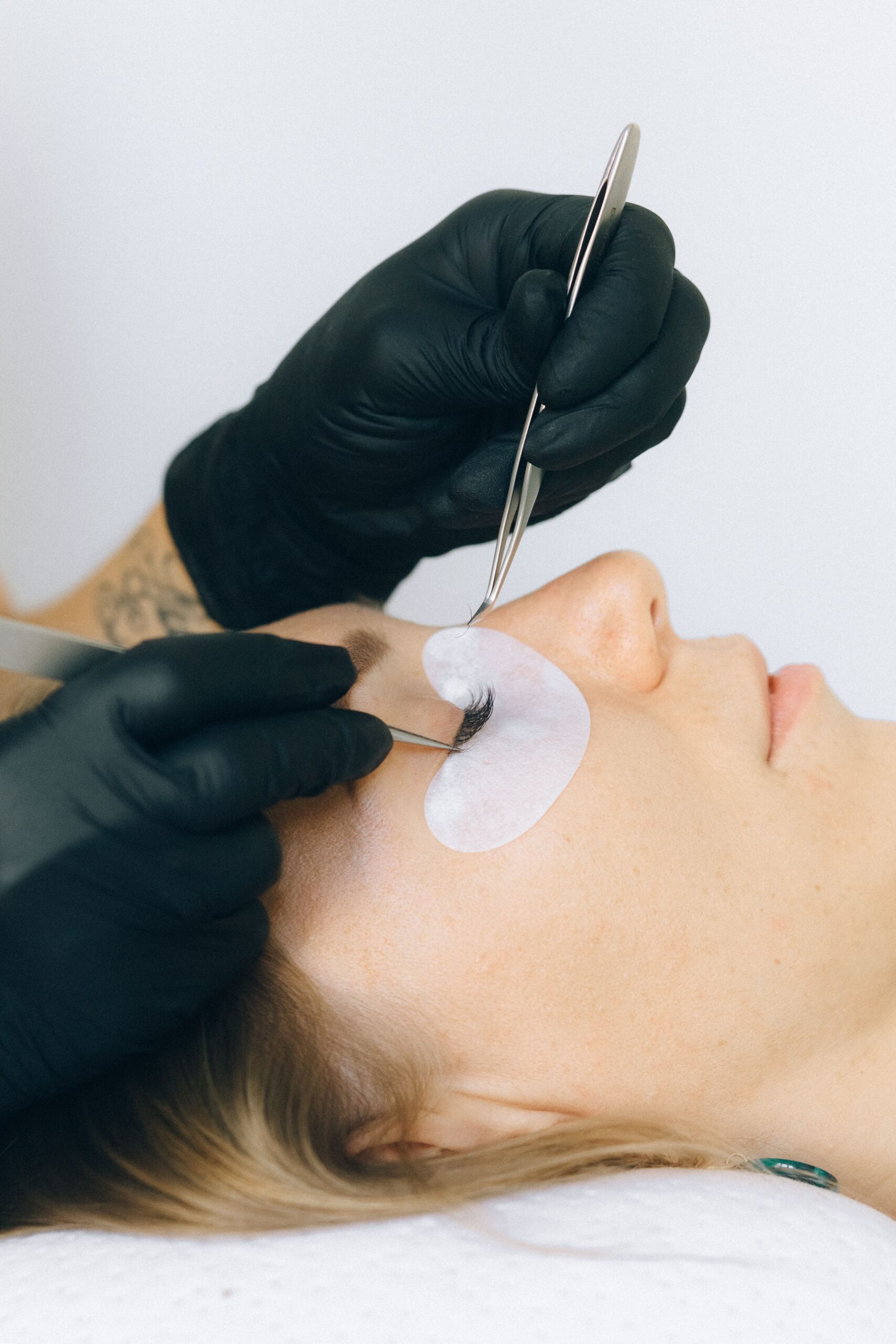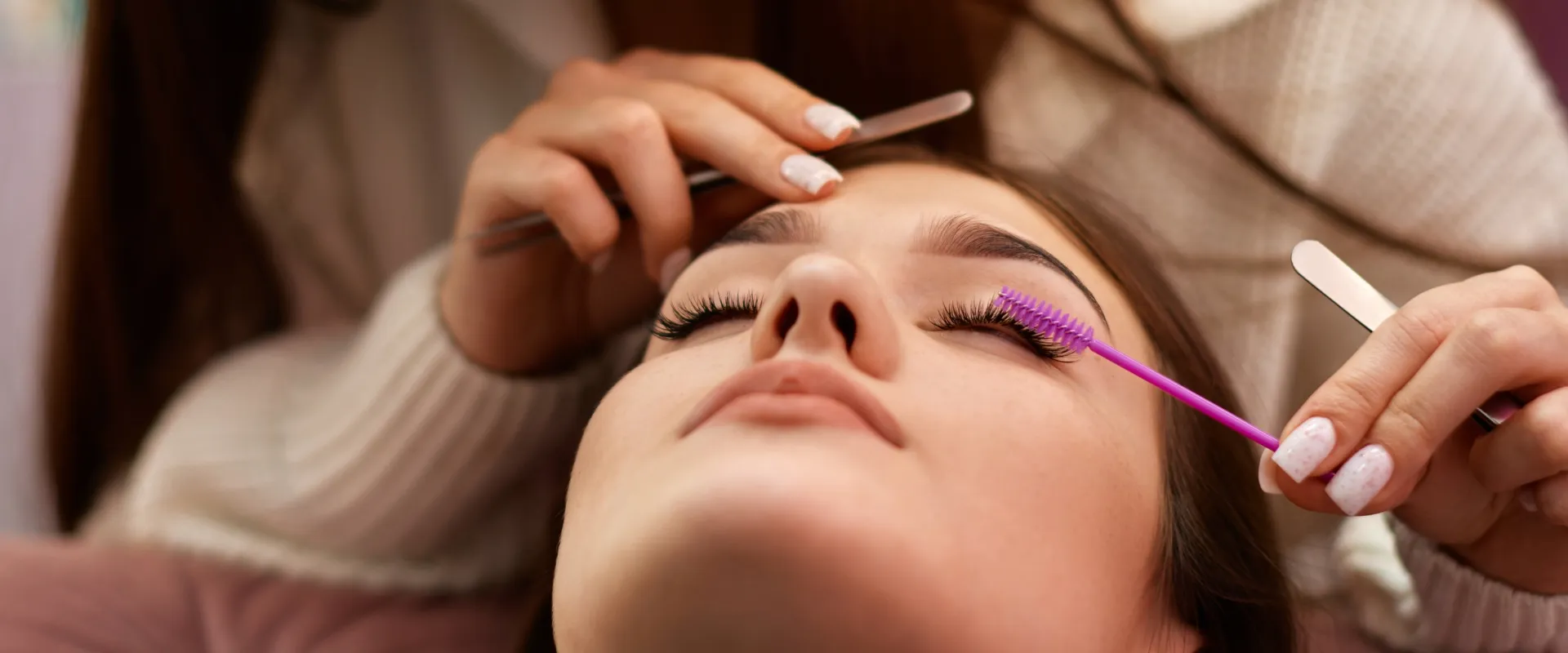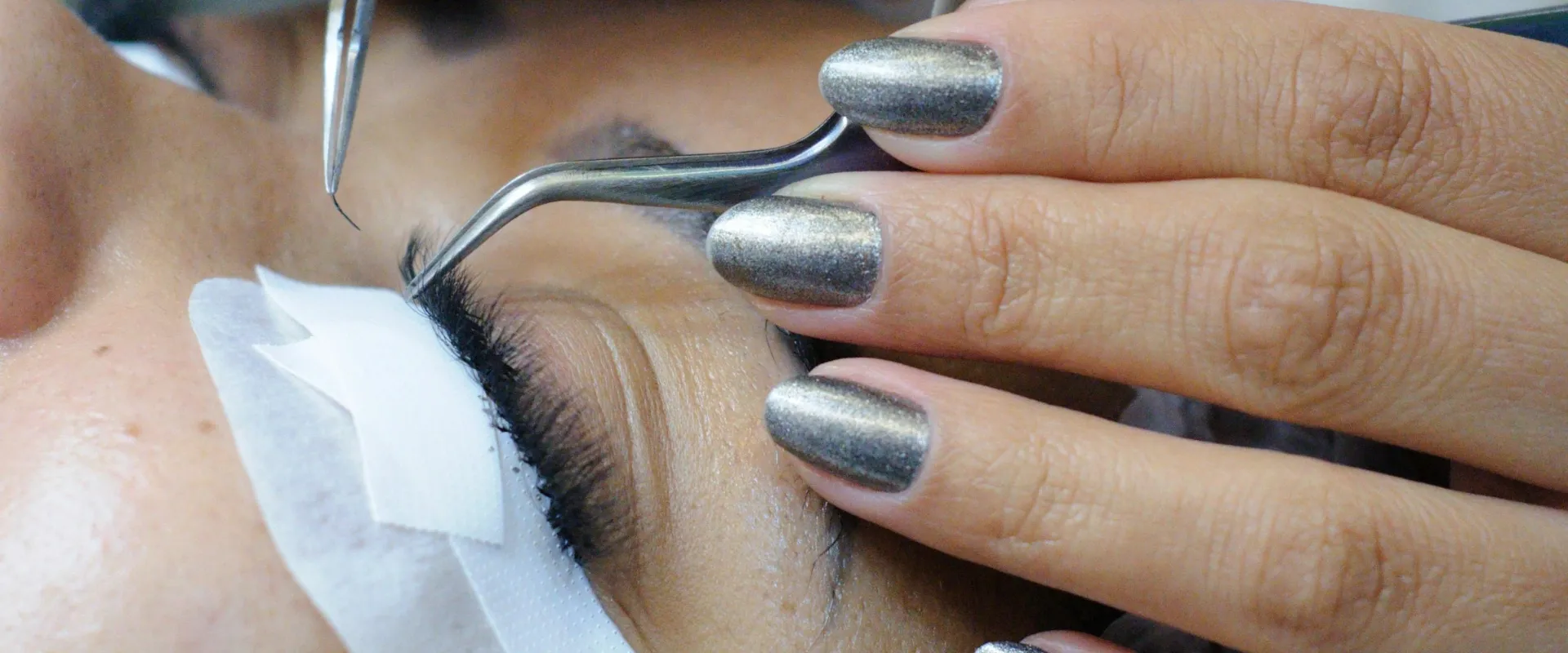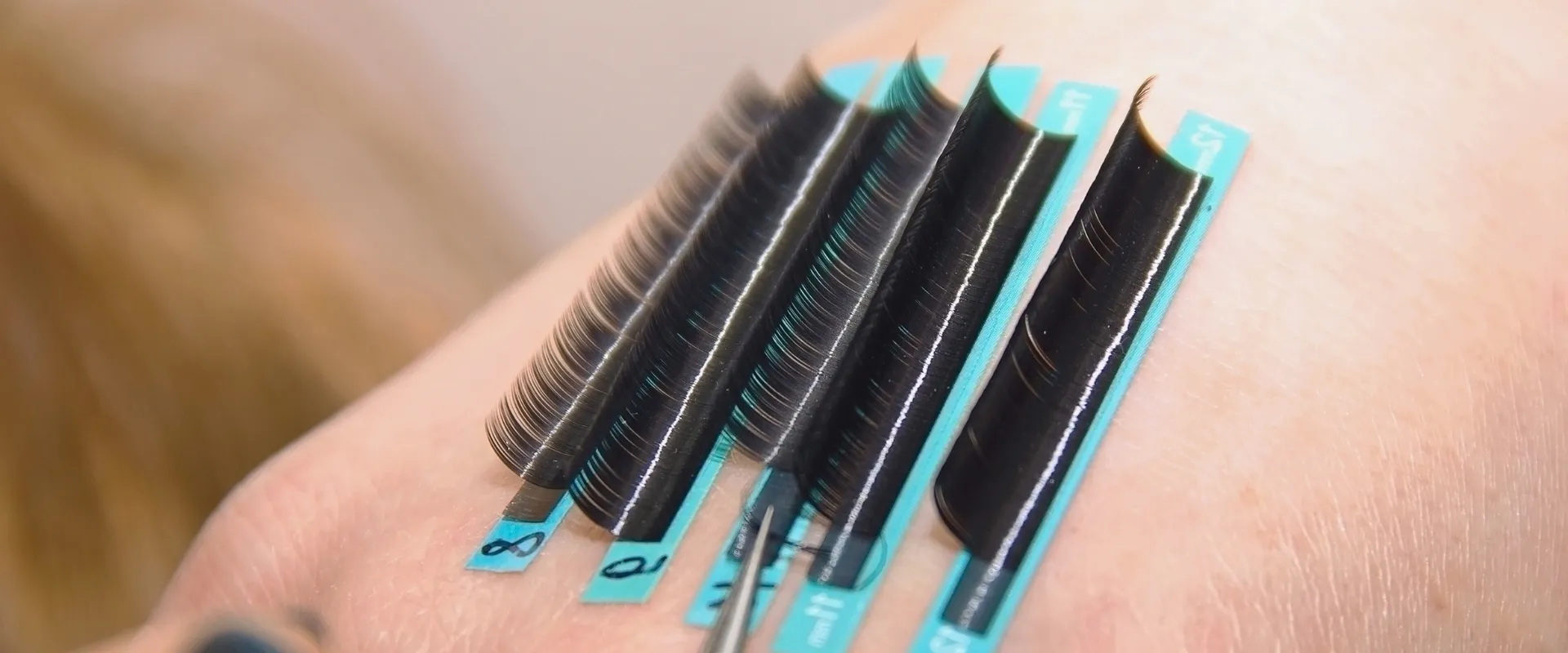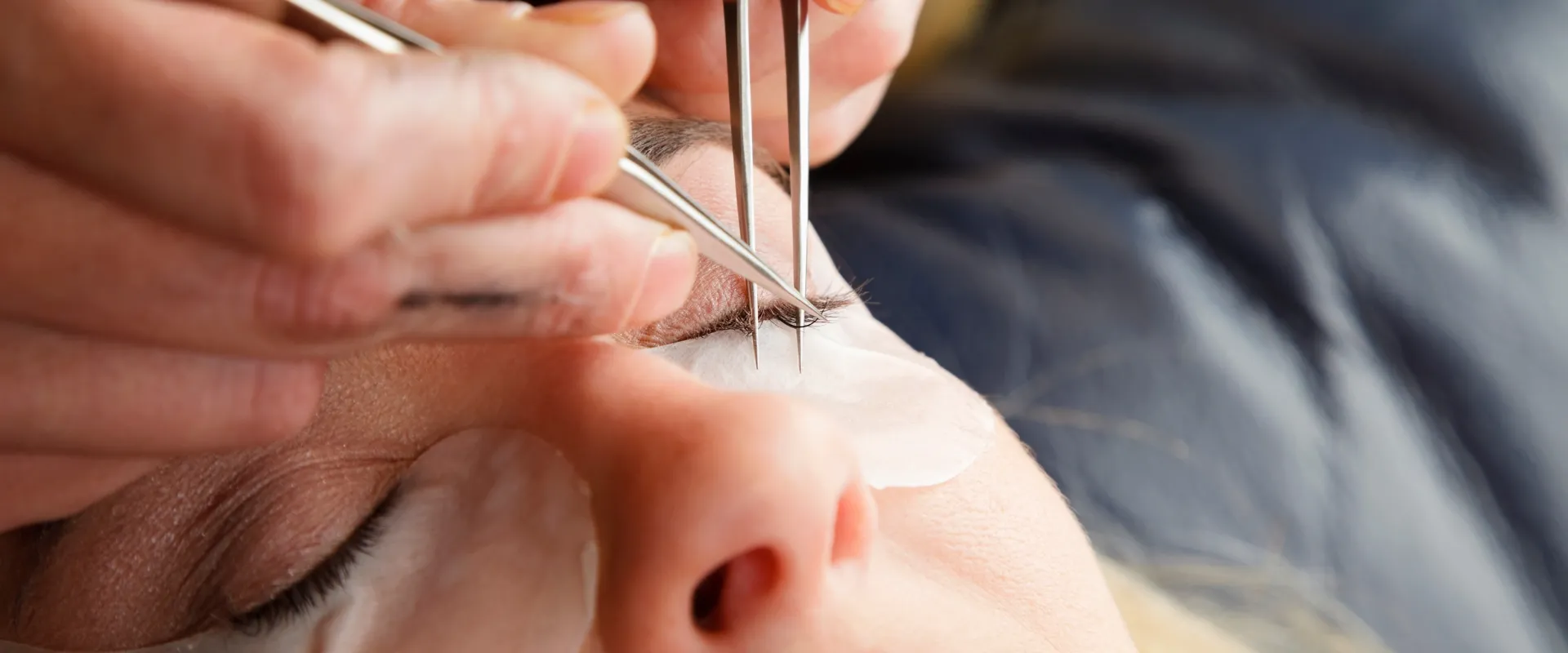


lash glue allergy patch test is the first checkpoint buyers should lock before they approve a supplier, budget, or production slot. A client walks into your studio, sits in the chair, and says she’s never had lashes before but wants a full set. You grab your strongest hold black glue, apply the full fan, and thirty minutes later her eyelids are red and swollen. The lash glue allergy patch test could have prevented that — but only if done right. Most reactions don’t show up in the first five minutes; they’re delayed, appearing 12 to 72 hours after exposure, which is why the standard wrist dot test often misses them.
Here’s what separates professionals from amateurs on this one: using clear glue as the first test material. Many clients react not to the cyanoacrylate but to the carbon black pigment in black glue. A clear-sensitive formula with lower ethyl cyanoacrylate content — around 50% versus 80% — reduces the chance of sensitization without sacrificing retention, though you’ll need to account for a slightly longer drying time. A proper patch test with a single drop behind the ear or on the inner arm, observed for a full 24 to 48 hours, gives you real data before you commit a full set. That’s not a CYA formality; it’s how you protect both the client’s skin and your chair time for the next rebook.
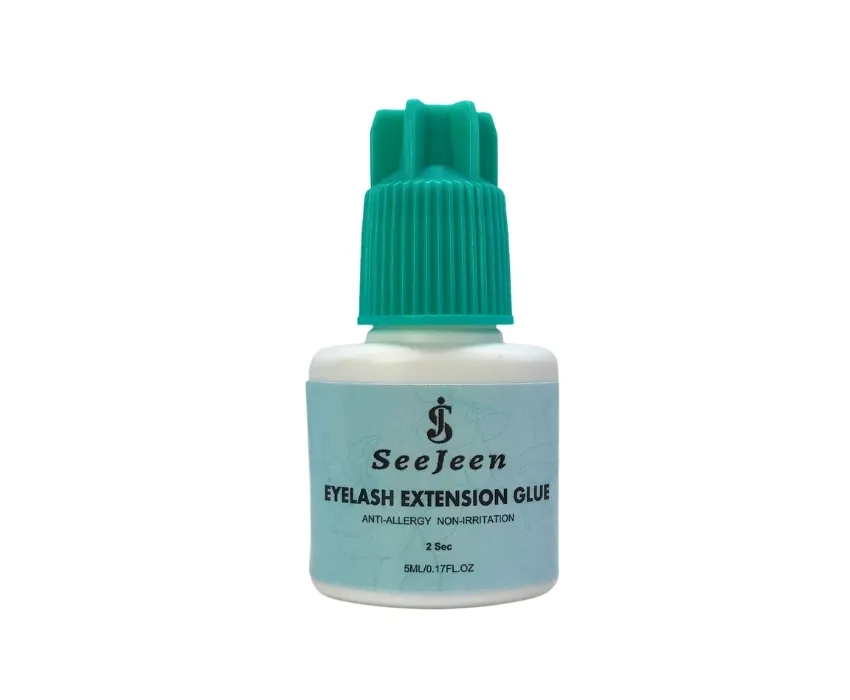
Why Patch Testing is Essential for Lash Adhesives
A delayed allergic reaction to cyanoacrylate can appear 12–72 hours after exposure.
Lash glue is a medical-grade cyanoacrylate adhesive. That chemical is the primary cause of allergic contact dermatitis in eyelash extension clients. Sensitization builds over repeated exposure — the immune system doesn’t react the first time but can mount a strong response on the fifth or tenth application. This delayed nature means a simple wrist dot test observed for 15 minutes is useless. A proper patch test must stay on the skin for 24 to 48 hours to catch the true allergic window.
The Carbon Black Variable
Black lash glue contains carbon black pigment, a known irritant for some skin types. A client who reacts to black glue may actually be reacting to the pigment, not the cyanoacrylate itself. Clear lash glue removes that variable, making it the safer first test for any new client. Many manufacturers, including Lash Glues Factory, offer clear glue specifically designed for sensitive skin testing and low-irritation applications.
Legal Liability and Client Safety
A severe reaction — swelling, blistering, or corneal irritation — doesn’t just hurt the client. It creates a legal exposure for the salon owner. Documented patch test results and signed consent forms are the only defense if a claim arises. Without that paper trail, a single incident can cost more than a year of lash services revenue.
Even formula changes between batches warrant re-testing. Some suppliers now offer low-sensitization formulations with lower ethyl cyanoacrylate content — around 50% versus the standard 80%. Those reduce the allergy risk but may extend drying time slightly. If you switch formulations, run the patch test again. One distributor who switched to a 50% formulation caught reactions in two clients who had tolerated the old formula perfectly. That re-test saved the salon from two potential lawsuits.
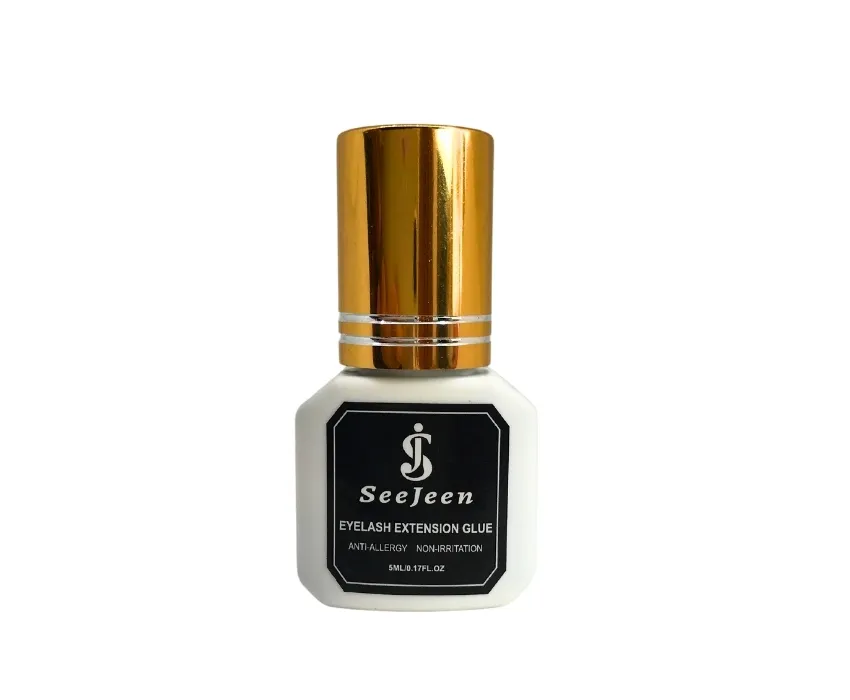
Preparing for a Patch Test
A single drop of clear glue on the inner arm catches delayed allergic reactions that a wrist dot test misses.
Setting up a patch test is straightforward, but skipping even one step invalidates the result. Get it right, and you filter out clients likely to develop contact dermatitis before they sit in your chair.
Materials for the Test
You need a small amount of fresh glue—just one drop is enough. Use a fine applicator (the same type you use for extensions) to place it on the skin. A clean adhesive patch or medical tape holds the drop in place. Set a timer for 24 to 48 hours and tell the client not to wash the area.
Many pros reach for their standard black glue. That can be misleading. The carbon black pigment in standard formulas is a separate allergen. Using clear glue for the patch test isolates the cyanoacrylate reaction. Our clear lash glue at Lash Glues Factory contains the same base adhesive but omits the pigment, giving you a cleaner diagnostic.
Choosing the Test Area: Behind the Ear or Inner Arm
The skin behind the ear is thin and sensitive—close to what the eyelids experience. The inner forearm is often preferred because it is easier to document and monitor. Pick one and stay consistent for every client. Do not test on the wrist. Wrist skin moves more, friction from clothing or hand washing can disturb the glue, and a false negative is too common there.
Client Consent Form and Documentation
A verbal waiver is not enough. You need a signed consent form that specifically mentions cyanoacrylate allergy risk and acknowledges the client agreed to the test. Document the glue batch number, date applied, and exact test location. If a reaction occurs later, that record protects you and helps identify whether the issue is the glue itself or a contamination.
One more detail: if a client shows mild redness at the 24-hour mark, do not automatically clear them for service. Cyanoacrylate allergy is often delayed, appearing 12 to 72 hours after exposure. A full 48-hour wait with no reaction is the only pass we recommend. For clients with reactive skin, our sensitive formula lash glue, which uses a lower ethyl cyanoacrylate content around 50% instead of 80%, gives you an alternative that reduces sensitization risk while still holding well.

Step-by-Step Patch Test Protocol
A single-drop patch test catches delayed cyanoacrylate reactions that a wrist dot test misses.
Cyanoacrylate allergy doesn’t show up in minutes. The reaction often appears 12 to 72 hours after exposure — well after the client has left your chair. That’s why a wrist dot test, checked after 30 minutes, gives false confidence. A proper patch test uses a single drop on a low-visibility area and waits a full 24 to 48 hours.
Step 1: Clean the Test Area with Alcohol
Use a lint-free pad with 70% isopropyl alcohol to clean the skin behind the ear or on the inner forearm. This removes oils, lotion, and debris that could trap moisture under the glue. Wait 10 seconds for the alcohol to dry completely. A wet surface changes the cure chemistry and can produce a false irritant response.
Step 2: Apply a Tiny Drop of Glue and Let It Cure
Dispense one drop no larger than 1–2 mm from your standard lash glue. Place it on the cleaned skin and leave it undisturbed. Do not spread it. The glue must cure naturally into a solid film — typically 2–3 seconds for fast-drying formulas, longer for sensitive formulas. Curing in contact with skin is the point; you’re testing the cured adhesive, not the wet monomer.
Step 3: Wait 24–48 Hours Without Washing
Instruct the client to avoid scrubbing, soaking, or applying lotion to the test site. Gentle water contact during routine washing is fine. The cured glue film will remain intact. If it peels off early, the test is invalid and must be repeated. Document the exact time of application in the client record.
Step 4: Observe for Redness, Swelling, Itching, or Blistering
At 24 hours and again at 48 hours, examine the site under good lighting. Look for three categories: no reaction (skin appears normal), mild reaction (redness or slight itch without swelling), or severe reaction (raised bumps, blisters, or spreading redness). A severe reaction means the client must not receive any cyanoacrylate-based lash glue.
If mild redness appears, consider switching to a clear sensitive formula. Many reactions are triggered by carbon black pigment in black glue. Clear glue eliminates that variable. Lash Glues Factory offers sensitive formula adhesives with lower ethyl cyanoacrylate content — roughly 50% vs. the standard 80% — which reduces sensitization risk while still achieving reliable hold times.
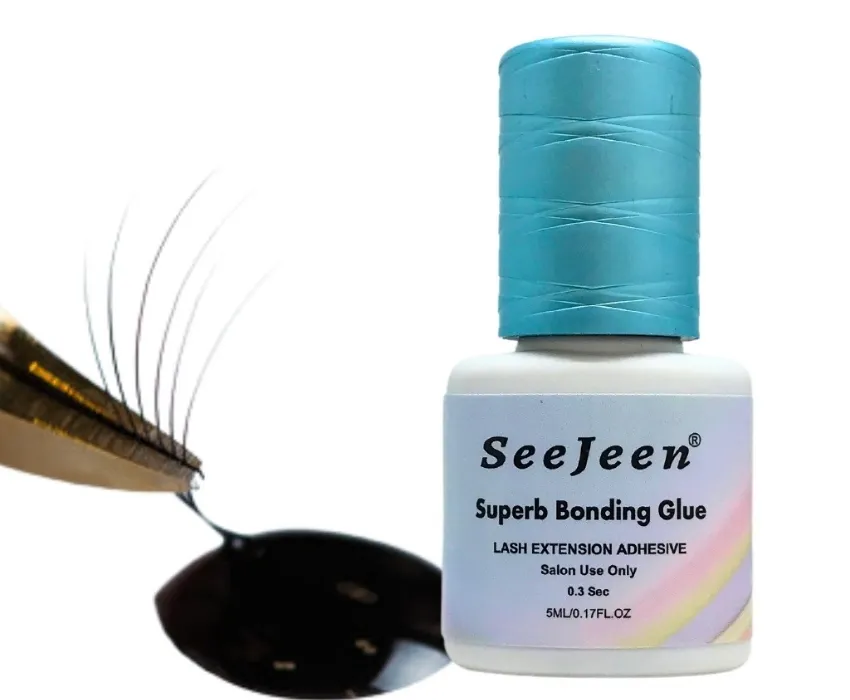
Interpreting Results
Cyanoacrylate allergy often appears 12–72 hours after exposure — a single-drop patch test is more reliable than a wrist dot test.
After the 24–48 hour observation window, the patch test reveals one of three outcomes. Each result demands a specific response. Ignoring a mild reaction or rushing past a clear negative can lead to a compromised service, a delayed allergic flare-up, or a liability issue.
No Reaction: Proceed with Full Set
No redness, swelling, itching, or blistering means the client’s skin tolerated the cyanoacrylate and carbon black (if using black glue). Document the result, have the client sign the consent form, and schedule the full application. Note the glue batch number in the record — if you ever reformulate, a new patch test is required.
Mild Redness: Consider Sensitive Formula Lash Glue
A faint pink zone or slight itch that fades within an hour signals low-level irritation, not a true allergy. Switch to a sensitive formula lash glue — these contain lower ethyl cyanoacrylate content (around 50% vs 80%) and fewer additives like carbon black. The trade-off is a slightly longer dry time (2–3 seconds), but the client stays safe.
Lash Glues Factory offers a sensitive formula that maintains strong hold while reducing sensitization risk. For salon owners buying in bulk, this is the adhesive to stock for clients who report mild reactions or have a history of skin sensitivity. Always re-test the sensitive formula with a fresh patch before proceeding.
Severe Reaction: Do Not Use
If the test area shows pronounced redness, swelling, blistering, or spreading rash within the observation window, do not apply any lash adhesive. The client has developed a cyanoacrylate allergy. Advise them to wash the site with soap and water, apply a hydrocortisone cream if safe, and consult a dermatologist. Do not attempt a slower-drying or clear glue — the allergen is the cyanoacrylate monomer itself, not the pigment.
Record the reaction in your client file, including the glue brand, batch, and test date. If you supply a private-label lash glue, share the MSDS with the client’s doctor. Some clients can tolerate an alternative adhesive from a different manufacturer, but only after a dermatologist clears them. Liability rests on you to refuse service when the test says no.
One more thing: a severe reaction today does not guarantee the same result tomorrow. Repeated exposure can escalate sensitization. Re-testing every six months or after any formula change is the professional standard. It takes two minutes and protects your reputation — and your insurance.

When to Switch to Sensitive Formula Lash Glue
Mild redness on a 48-hour patch test means switch to sensitive formula.
That flicker of pink on the test site — no swelling, no blisters — is the body sending a signal. Cyanoacrylate allergy is dose-dependent and cumulative. A mild reaction today can escalate into full contact dermatitis after a few more exposures. If the patch test shows even light redness, standard glue is off the table.
What Makes Sensitive Formula Different
Standard lash adhesives contain 80% to 90% ethyl cyanoacrylate. Sensitive formulas drop that to around 50%. Less monomer means fewer molecules available to bind with skin proteins and trigger an immune response. Many sensitive formulas also add antioxidants and stabilizers that slow the curing exotherm, reducing heat irritation on the eyelid.
There’s a trade-off: lower cyanoacrylate content extends the drying time. A standard glue might set in 1-2 seconds; a sensitive version can take 3-5 seconds. That extra window requires technique adjustment — slower placement, less fanning pressure. But for the client, it means zero burning sensation and minimal risk of reaction.
Transitioning Clients Without Losing Retention
The biggest fear lash artists have about switching to sensitive formula is that retention drops. It doesn’t have to. The key is matching the glue to the client’s natural lash condition and environment. For oily skin or humid climates, pair sensitive glue with a strong lash primer. For fine or straight lashes, use a slightly thicker drop and increase isolation time.
Explain the change to the client before the service: ‘Your skin showed a mild reaction to the patch test, so I’m switching to a gentler formula that still holds for 3-4 weeks. You’ll feel less heat during application.’ Most clients appreciate the transparency and stay loyal because you prioritized their safety.
Test the sensitive formula on yourself first. Apply a single lash on your own arm or behind your ear. See how it handles. Then run a full set on a forgiving client — someone who has never reacted before. Measure retention at day 7 and day 14. You’ll likely find the numbers match your standard glue once you adjust your speed.
Record Keeping and Best Practices
A patch test log is more than paperwork — it’s your first defense against liability.
Logging Patch Test Results
For every client, record the date, the glue batch number, test location, and the exact observation at 24 and 48 hours. Use a standardized form that includes signed consent. Retain these records for at least 12 months past the last service. This log becomes critical if a client claims a delayed reaction after a full set — without it, you have no proof you followed protocol.
Periodic Re-Testing When Formulas Change
A formula tweak — even a minor shift in ethyl cyanoacrylate concentration — invalidates previous patch test results. Cyanoacrylate allergy is cumulative; some clients build sensitization over repeated exposures. Always re-test when you switch batches or move to a different product line, like our sensitive formula lash glue, which uses a lower cyanoacrylate content to reduce allergic potential while maintaining hold.
For first-time clients or those with known sensitivities, our clear lash glue offers a safer initial test. The absence of carbon black pigment removes one common irritant, and the lower monomer ratio means you catch true cyanoacrylate reactions without the noise of pigment sensitivity.
Educating Clients on Post-Service Reactions
Make sure every client understands that a reaction can appear 12 to 72 hours after service — not immediately. Many assume same-day itching is normal. Provide written aftercare instructions listing specific symptoms: redness, swelling, itching, blistering. Instruct them to remove the lashes immediately if symptoms appear and to contact you and their healthcare provider.
Document this education in your log alongside the patch test result and consent. You tested, you recorded, you informed. That sequence is the standard of care.
Conclusion
Skipping the patch test is a gamble with your client’s health and your reputation. A single delayed reaction — often showing up 12 to 72 hours later — can lead to a lost client, a refund, and even a liability claim. The quality tolerance for this protocol is zero: one missed test can undo years of trust.
- Cyanoacrylate reactions are typically delayed by 12-72 hours.
- Use clear glue for the first test to rule out carbon black sensitivity.
- Lower ethyl cyanoacrylate formulas reduce sensitization risk.
- Document every patch test result with a signed consent form.
Frequently Asked Questions
How long should a patch test last?
A patch test requires 24 to 48 hours of observation without washing the area. This window captures delayed cyanoacrylate reactions that a quick wrist test misses. Always document the start and end time for each client.
Where do you apply patch test glue?
Apply a tiny drop behind the ear or on the inner arm. These areas mimic eyelid sensitivity and are easy to monitor. Avoid directly behind the eye or on irritated skin.
What if a client shows mild redness?
Mild redness means consider switching to a sensitive formula lash glue with lower cyanoacrylate content. Do not proceed with the standard strong hold glue. Offer a fresh patch test with the sensitive glue before booking a full set.
Do you offer free samples for patch testing?
Yes, we provide free samples of our lash glues so you can conduct proper patch tests before committing to bulk orders. This helps verify adhesion performance and client tolerance in. Contact our sales team to request samples for your patch test protocol.