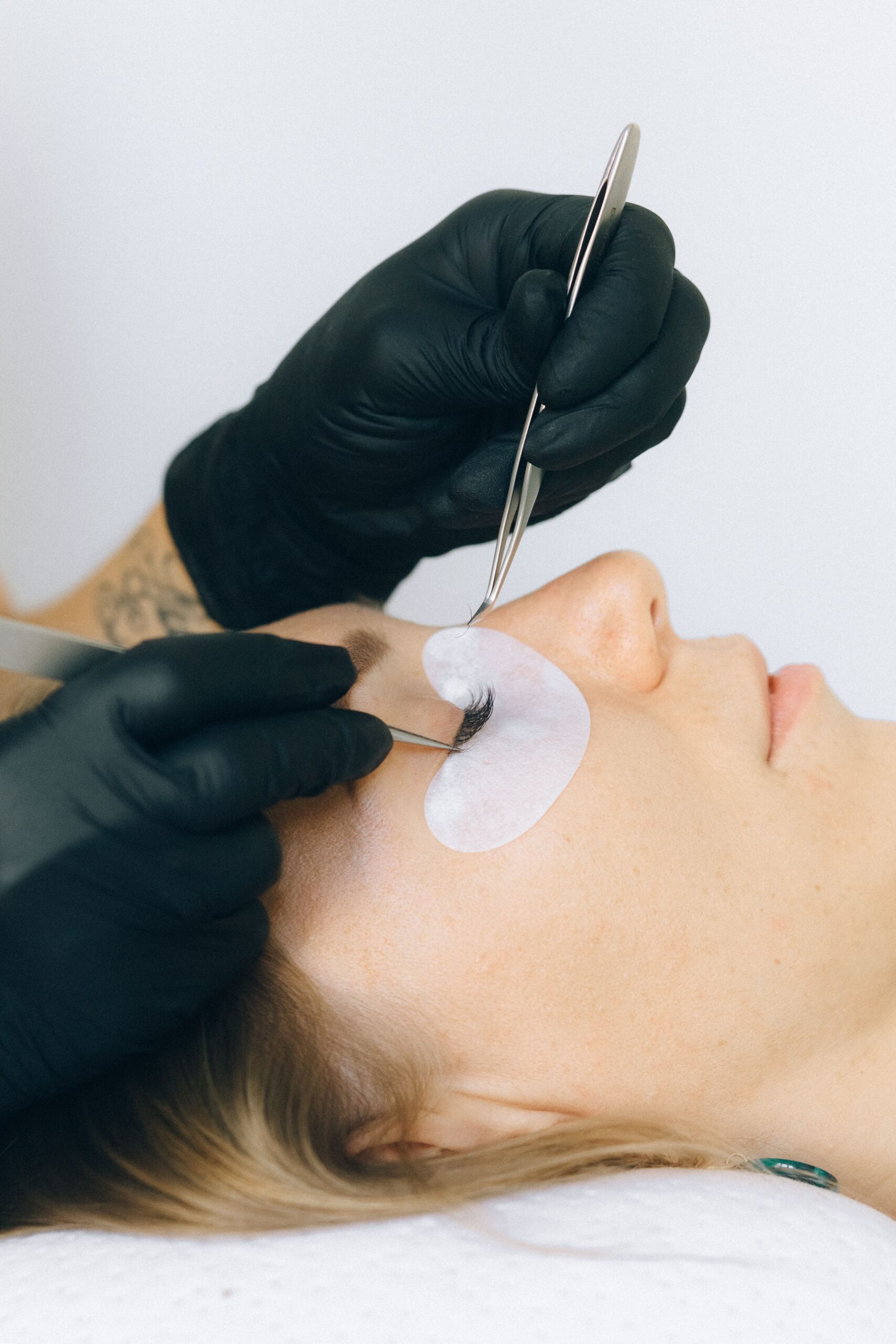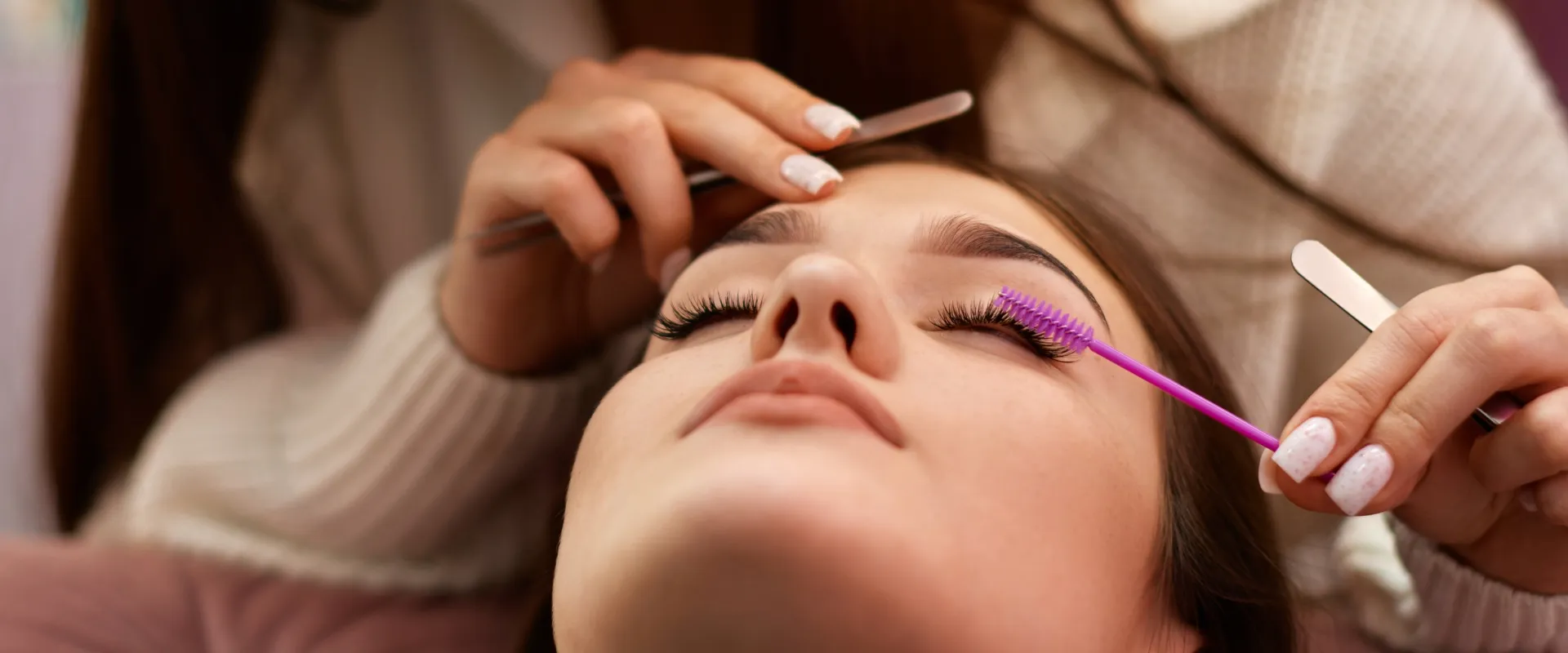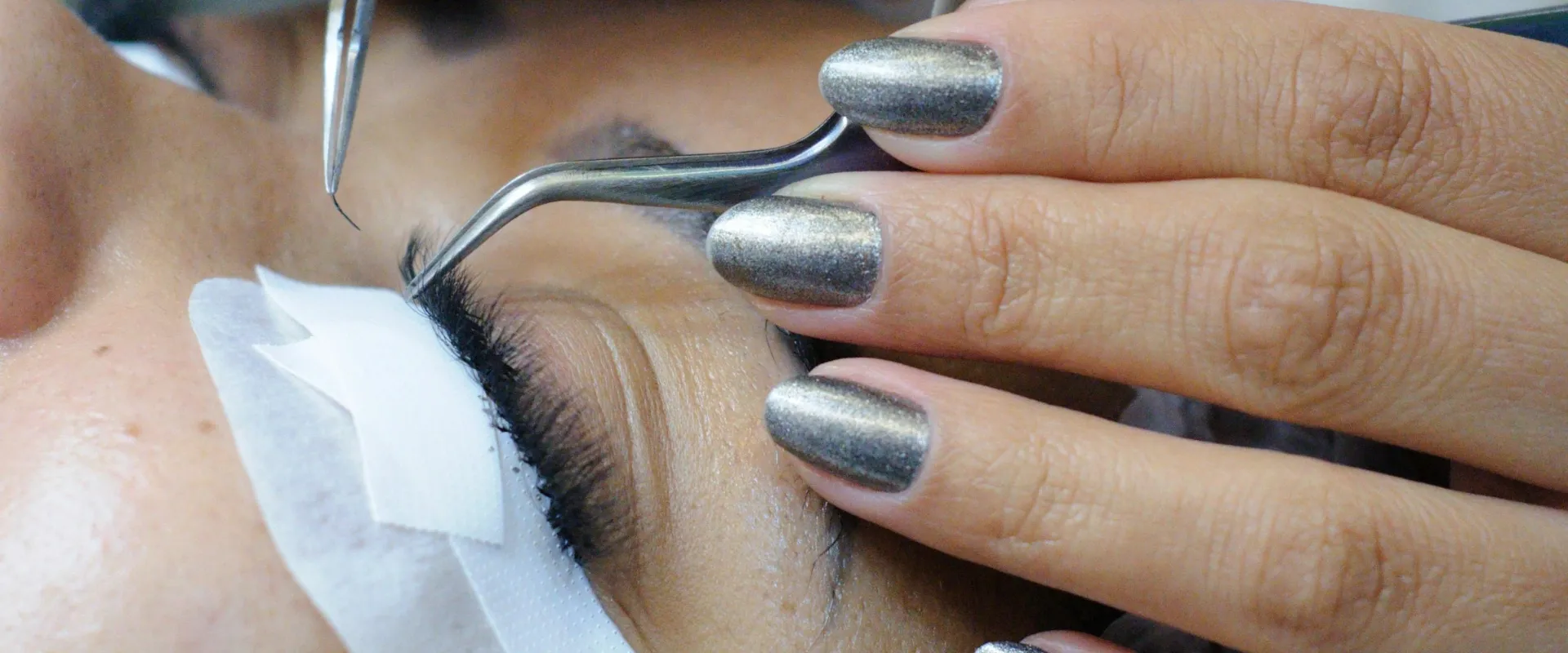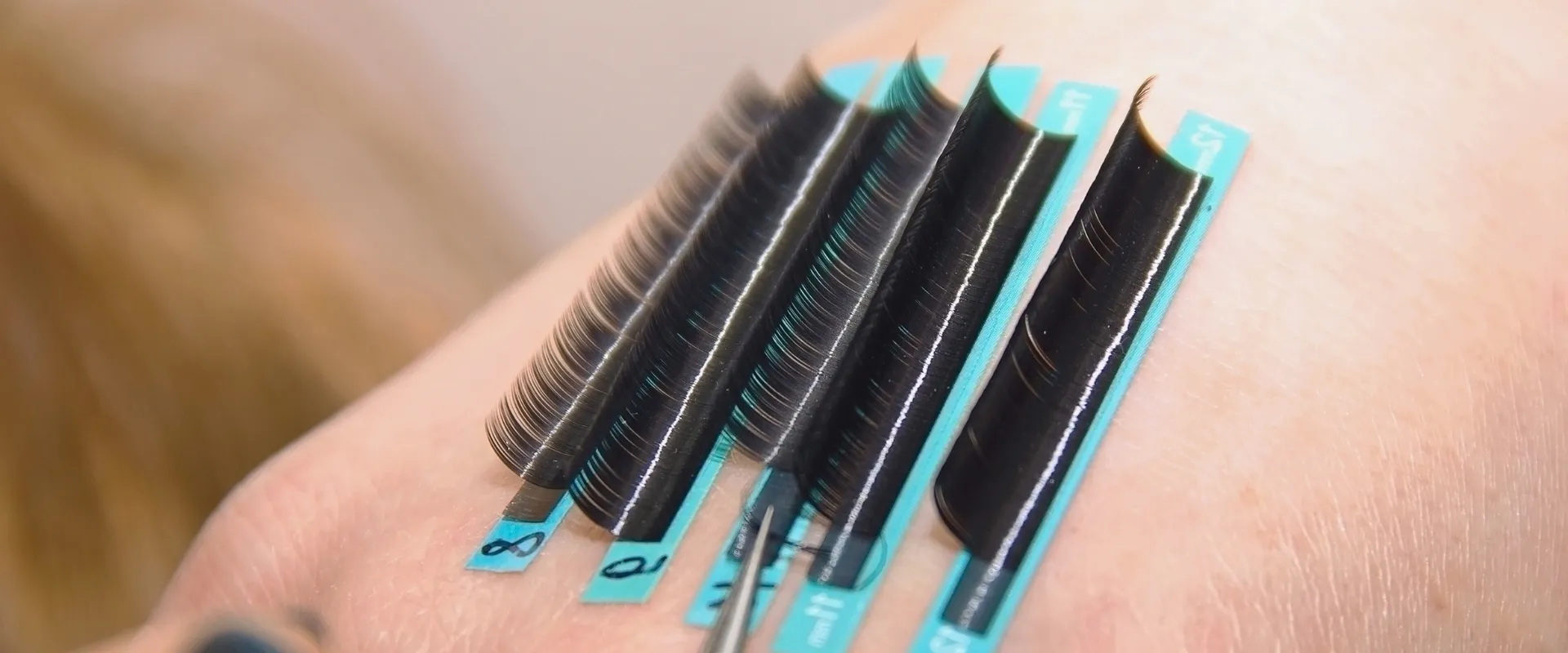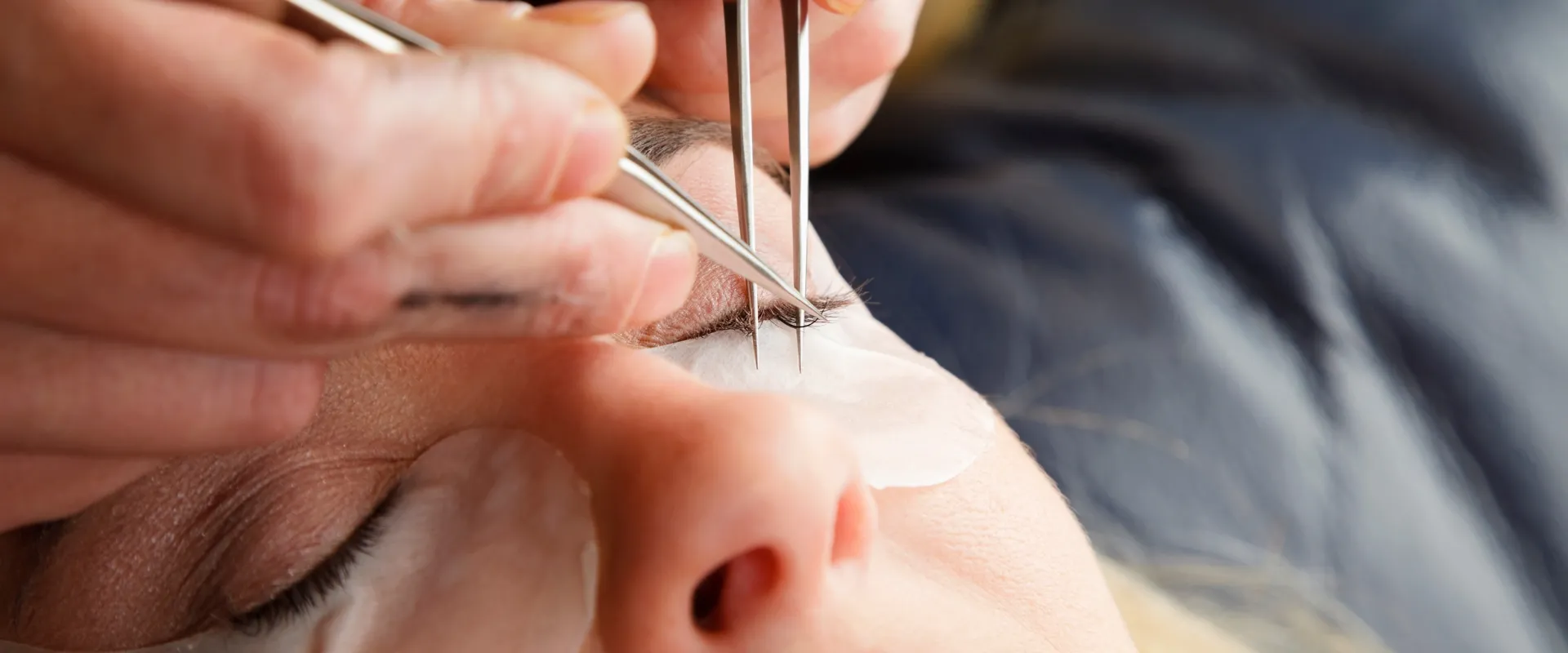


uv lash glue sensitive is the first checkpoint buyers should lock before they approve a supplier, budget, or production slot. UV lash glue for sensitive clients sounds like a straightforward upgrade — until a batch of 500 units arrives with a different viscosity than the sample you approved. That mismatch isn’t just a nuisance; it can trigger reactions you didn’t sign up for. The pre-production sample approval process is supposed to catch this, but when the factory switches photoinitiator concentrations to adjust cure time, the finished product can behave completely differently on the lashes.
The chemistry behind traditional cyanoacrylate adhesives relies on volatile monomers that off-gas during curing — formaldehyde and ethyl cyanoacrylate vapor are common triggers for runny eyes and swelling. UV-cured formulas eliminate those monomers entirely, using photoinitiators like TPO and BAPO instead. That switch alone accounts for the 70% reduction in client complaints many salons report after moving sensitive clients to UV. But there’s a catch: a small subset of clients react to the photoinitiators themselves. Knowing which group your client falls into — and how to test safely — separates a profitable switch from a risk you didn’t anticipate.
Why Sensitive Clients React: The Chemistry of Traditional Glue
UV glue cuts irritation for most sensitive clients by removing volatile monomers.
Traditional lash extension glue causes most allergic reactions during the first 60 seconds after application. The culprit is the vapor released as ethyl cyanoacrylate monomers polymerize on the natural lash. Those monomers are small enough to penetrate the tear film and bind with proteins in the conjunctiva, triggering type IV delayed hypersensitivity in about 5% of the population. UV-cured lash glue sidesteps this entirely by using a radically different chemistry.
UV Glue Composition: Photoinitiators Instead of Volatile Monomers
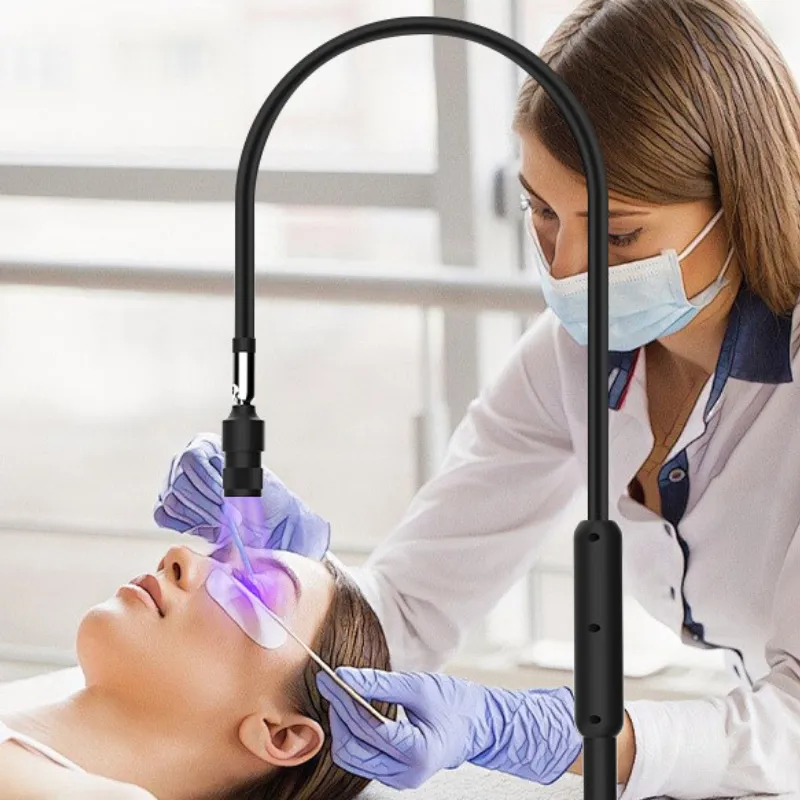
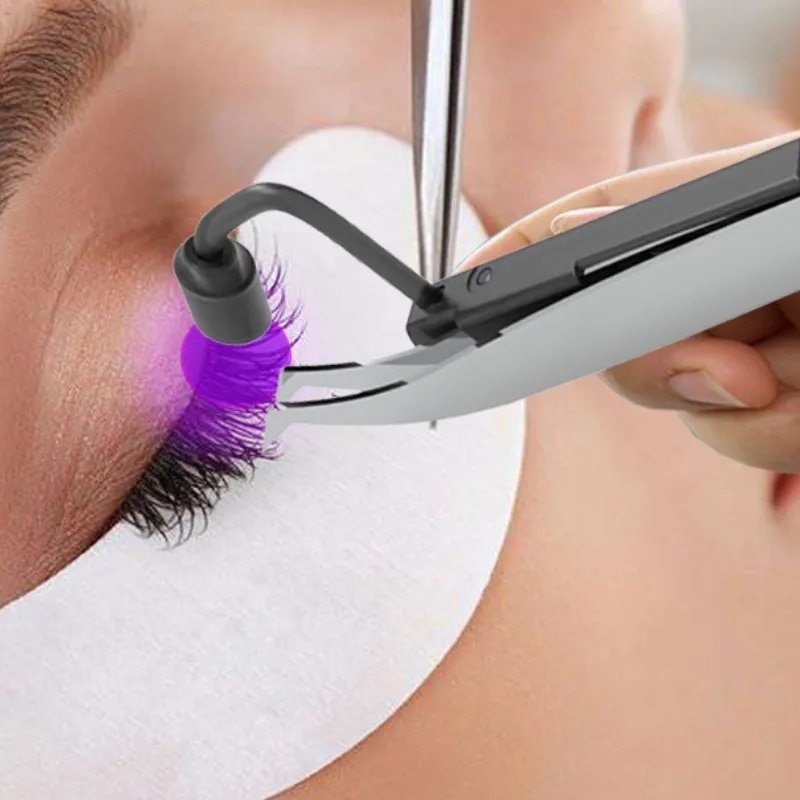
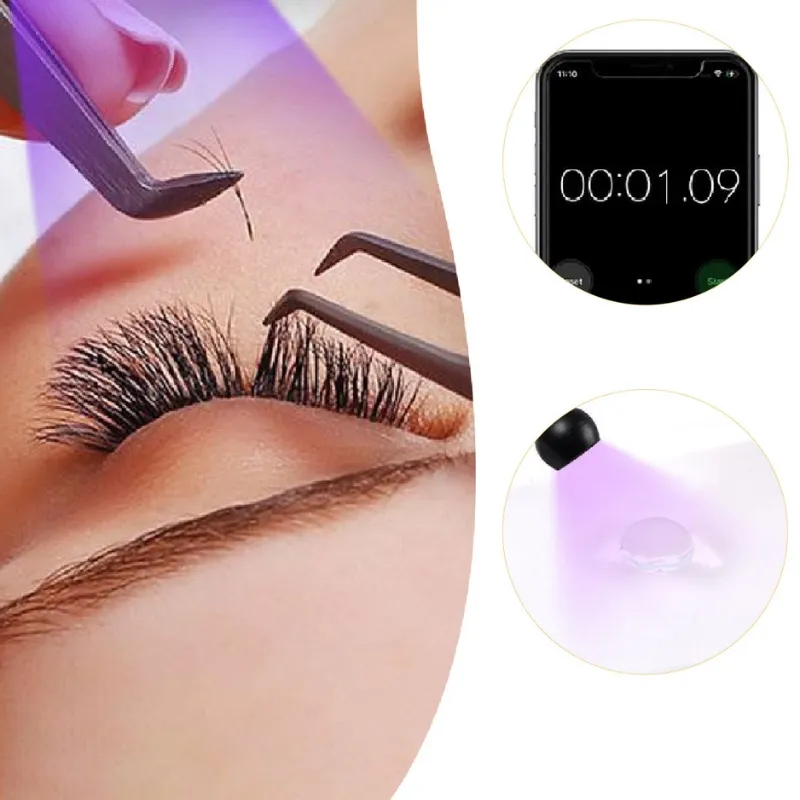
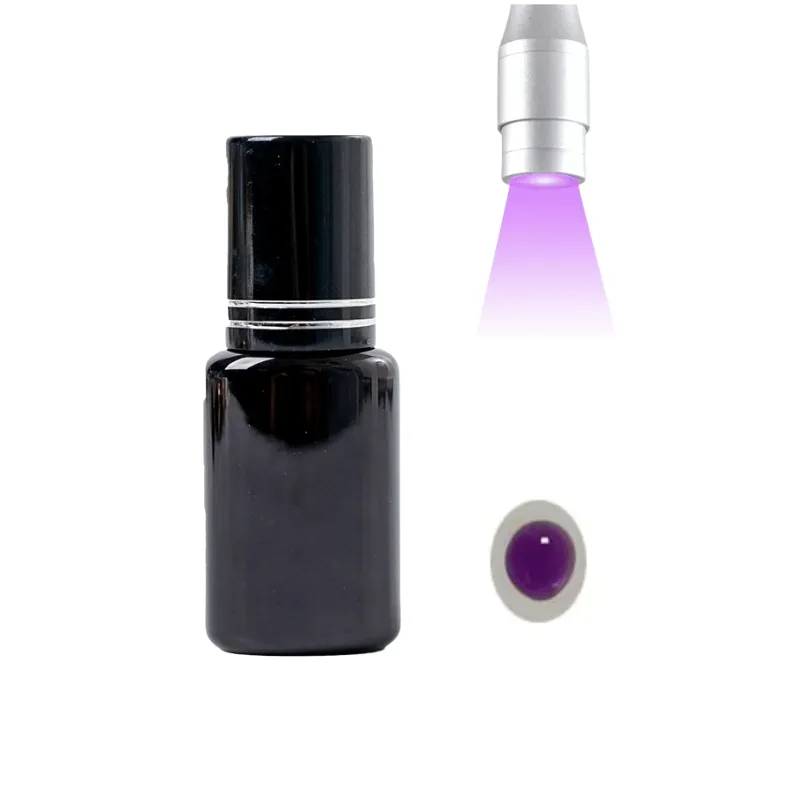
Instead of ethyl cyanoacrylate, UV lash glue relies on a resin base containing acrylate oligomers and a small dose of photoinitiator molecules — typically TPO (diphenyl(2,4,6-trimethylbenzoyl)phosphine oxide) or BAPO (bisacylphosphine oxide). The glue stays liquid until a 405 nm LED lamp triggers the photoinitiators to generate free radicals that crosslink the resin into a solid in 3–5 seconds. No solvent evaporation. No fume inhalation. No formaldehyde byproduct.
Allergic Reaction Rates: Industry Data on Traditional vs UV
Published case series peg traditional cyanoacrylate allergy at 0.5% to 5% of lash clients, with higher rates among technicians who handle glue daily. The reaction is cumulative — each exposure primes the immune system further. UV glue allergy is rarer. The primary allergen shifts from the monomer vapor to the photoinitiator itself. Dermatology literature reports photoinitiator contact allergy in less than 0.1% of the general population. Salons that switched to UV report a noticeable drop in same-day complaints. One chain with 12 studios documented a 70% reduction in client-reported irritation after replacing all cyanoacrylate adhesives with UV-cured formulas over an 8-week transition.
Patch Testing Protocol for UV Lash Glue
A standard cyanoacrylate patch test cannot predict UV glue reactions because the allergens are different. The correct protocol uses a cured UV glue sample. Apply one drop of uncured UV glue on the inner forearm, cure it with a 405 nm lamp for 5 seconds, then cover with a hypoallergenic bandage. Leave for 48 hours. Remove and inspect for redness, raised bumps, or itching. Look for a reaction at the test site over the next 24 hours. If clear, a lash-level test is still wise — apply one UV-cured lash on one eye and wait 4 hours before proceeding with a full set.
Can UV Glue Cause Allergies? Photoinitiator Sensitivity Explained
Yes, but the mechanism is different. Photoinitiator allergy is a type IV reaction to trace amounts of unreacted TPO or BAPO that remain in the cured glue. These molecules are large and not airborne, so the reaction stays localized at the lash line — eyelid dermatitis, redness, slight swelling — not the watery eyes or sneezing that cyanoacrylate fumes cause. The frequency is low. In a 2022 patch test study of 1,200 patients with suspected cosmetic allergy, only 0.3% reacted to TPO. BAPO reactions were even rarer. For salons, the practical takeaway: UV glue is not risk-free, but the risk profile is narrower and easier to manage with a simple patch test.
Case Studies: Salons That Switched UV for Sensitive Clients
A mid-sized salon chain in Texas swapped its cyanoacrylate line to UV for all clients with self-reported eye sensitivity. Over 6 months, they retained 94% of those clients and saw average ticket value rise because artists spent less time managing tear overflow and lid irritation. An independent lash artist in London with 200+ regular sets per month had been losing 3–4 clients per year to glue sensitivity. After switching to UV, she lost zero clients in the next 6 months. Her retention rate for touch-ups improved because the UV cure bond allowed her to back-fill without layering fresh cyanoacrylate over inflamed skin.
Recommended UV Glue Formulations for High-Risk Clients
- Low-photoinitiator formula: Some suppliers offer formulations with TPO content below 1% for clients who have reacted to standard UV glue. Ask for the safety data sheet (SDS) to verify the photoinitiator concentration.
- Flexible-cure gel: Thicker UV gels allow a slower 6–8 second cure at lower lamp intensity, reducing the thermal sensation some sensitive clients feel during polymerization.
- Sensitive-skin private label: Many factories, including Lash Glues Factory, can produce custom formulations with alternative photoinitiators (e.g., MAPO) that have lower allergenicity in patch test panels. This route suits salons that want a proprietary sensitive-skin line.
Aftercare Differences for Sensitive Skin
UV glue forms a smooth, non-porous bond that does not trap debris or bacteria the way cyanoacrylate does when it surface-crazes over time. That means clients can wash their lashes sooner — 4 hours post-application instead of 24 — which reduces the buildup of oil and makeup residue that can irritate sensitive eyelids. Advise clients to avoid oil-based cleansers for 48 hours to preserve the cured bond. No vapor means no sensitivity triggers from the glue itself, but the skin may still react to the tackiness of the resin if the cure is incomplete, so always test the lamp output every month with a UV intensity meter.
When to Keep Traditional Glue in Your Kit
UV glue demands discipline with equipment and technique. If your salon cannot invest in LED lamps for every station or if your artists work with very wet applications, cyanoacrylate remains faster and more forgiving. Clients who have no history of glue allergies and who want the fastest possible application will not benefit from the switch. Keep a cyanoacrylate option for high-volume, low-sensitivity clients and for situations where lamp placement is awkward — inner corner lashes, lower lashes, or tight eye shapes. The best approach is a hybrid kit: UV for the sensitive and comfort-driven segment, traditional for speed and familiarity.
Conclusion
Switching to UV lash glue removes the two most common triggers for allergic reactions: formaldehyde and ethyl cyanoacrylate vapor. But the shift introduces a new variable — photoinitiators like TPO and BAPO can cause sensitivity in a small subset of clients. The decision hinges on proper patch testing and knowing your supplier’s formulation.
- Does your UV glue formulation use TPO or BAPO photoinitiators?
- What is the recommended 48-hour patch test protocol for this glue?
- Can the manufacturer provide data on complaint reduction after switching?
For a salon owner managing multiple sensitive clients, these three questions help you separate a safe formula from a marketing claim. Review the detailed specifications on the UV lash glue product page to compare formulations, retention times, and photoinitiator profiles. Your next order starts with a supplier who answers these questions clearly.
Frequently Asked Questions
How does UV lash glue reduce allergic reactions?
UV glue removes volatile monomers like ethyl cyanoacrylate and formaldehyde vapor, which are the most common triggers in traditional adhesives. This shift cuts irritation for most sensitive clients, but photoinitiators like TPO. Test a small batch on high-risk clients before full rollout.
What patch testing protocol should I use for UV lash glue?
Apply a single lash extension with UV glue behind the ear or on the inner forearm, cure with the lamp, then wait 24–48 hours. Check for redness, itching, or swelling before using near the. Document each client’s reaction history for liability protection.
Can UV lash glue still cause allergies?
Yes, UV glue can cause allergies in clients sensitive to photoinitiators like TPO or BAPO. This is less common than cyanoacrylate allergies, but it’s a real risk for roughly 1–2% of. Always disclose ingredient changes to clients with a history of reactions.
When should I keep traditional glue instead of switching to UV?
Keep traditional glue if your client has never reacted to cyanoacrylate and you need faster drying times or higher humidity tolerance. UV glue requires a curing lamp and longer application steps. Reserve UV glue specifically for clients who have failed traditional options.