

A buyer once asked the factory manager about UV lash glue quality checks: ‘Why does the UV glue from the pre-production sample cure in 3 seconds but the bulk batch takes 10?’ The manager shrugged. ‘We swapped the photoinitiator batch yesterday. Same spec, different supplier.’ That $50K order was already sealed in drums. The sample approval process had passed, but the quality tolerance between batches was the hidden fault line.
That kind of gap is exactly why a structured quality check protocol matters. For a beauty distributor, a single bad batch of UV lash glue can trigger a cascade of returns, refunds, and damaged retail relationships. The factory’s willingness to share batch-specific data—like the cure-through test for cluster lashes or the stabilizer ratio in ppm—tells you more than any sales pitch.
Many factories use low-grade photoinitiators that yellow under sunlight. A proper UV aging test simulating six months of shelf life is non-negotiable. Viscosity tolerances wider than ±5% indicate poor process control. These are the checks that separate a reliable bulk UV lash glue supplier from one that will cost you your reputation.
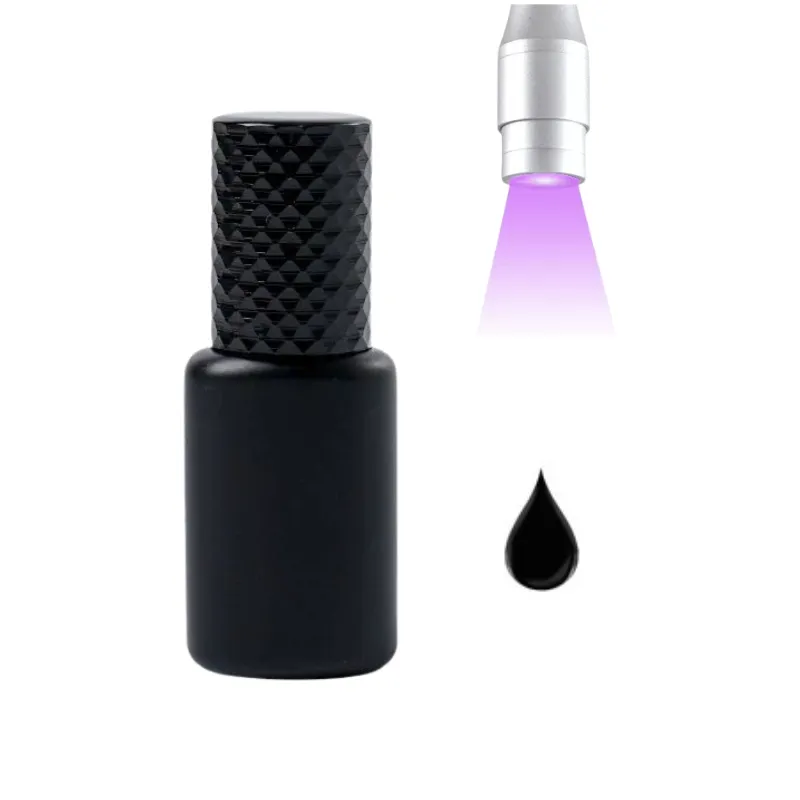
Why Factory Quality Checks Prevent Returns and Bad Reviews
A ±5% viscosity tolerance is the industry cutoff for acceptable process control.
A distributor placed a 10,000-unit order for UV lash glue. The first 3,000 units sold fast. Then the complaints started — the glue wasn’t curing under the lamp, the clear finish turned yellow after two weeks on the shelf, and the return rate hit 18%. The factory had passed every visual inspection. But they never ran a UV aging test or a cure-through depth check. That’s the difference between a factory that ships product and one that ships problems.
Check 1: Raw Material Traceability (Cyanoacrylate vs Photoinitiator Sources)
UV lash glue relies on two critical raw materials: cyanoacrylate monomers and photoinitiators. The cyanoacrylate base determines bond strength and flexibility. The photoinitiator triggers curing under UV light. Many factories source low-grade photoinitiators from spot chemical traders — these contain impurities that accelerate yellowing when exposed to sunlight. A proper factory maintains batch-level traceability for both inputs. They can tell you the exact supplier, purity grade, and stabilizer ratio for every drum. If the factory can’t produce a certificate of analysis for the photoinitiator batch, you’re gambling on color stability.
For distributors, the photoinitiator yellowing test is non-negotiable. The factory should be able to run a controlled UV aging test that simulates six months of shelf exposure. Apply the cured glue to a glass slide, expose it to a calibrated UV lamp for 48 hours, and measure the color shift. A delta E of less than 2 is acceptable. Anything above means the glue will discolor before the end consumer uses it.
Check 2: Viscosity Consistency Across Batches
Viscosity determines how the glue flows, how it spreads under a lash, and how it behaves in a bottle. A ±5% viscosity tolerance is the industry cutoff for acceptable process control. Wider than that, and you’ll get bottles that run thick or thin from the same order. Your customers will notice — one batch fans beautifully, the next clumps. The factory should provide viscosity measurement data from every production batch, recorded at the same temperature (25°C) using a Brookfield viscometer. Request the last three batch certificates. If they can’t produce them, or the numbers jump more than 5% between runs, that factory has poor process control.
Check 3: UV Curing Speed Test Under Controlled Conditions
Curing speed is the headline spec for UV lash glue, but most factories test it under ideal conditions — thin film, high-intensity lamp, room temperature. That tells you nothing about real-world performance. A distributor needs a cure-through test using a 5mm depth of glue to simulate cluster lashes where the adhesive sits in a thicker layer. If the lamp can’t penetrate to the bottom, the core stays liquid and the bond fails. The factory should test with the same lamp wavelength (typically 365nm or 405nm) that your customers will use. Ask for the cure-through time at 5mm thickness. If they can’t provide it, they haven’t validated their product for cluster lashes.
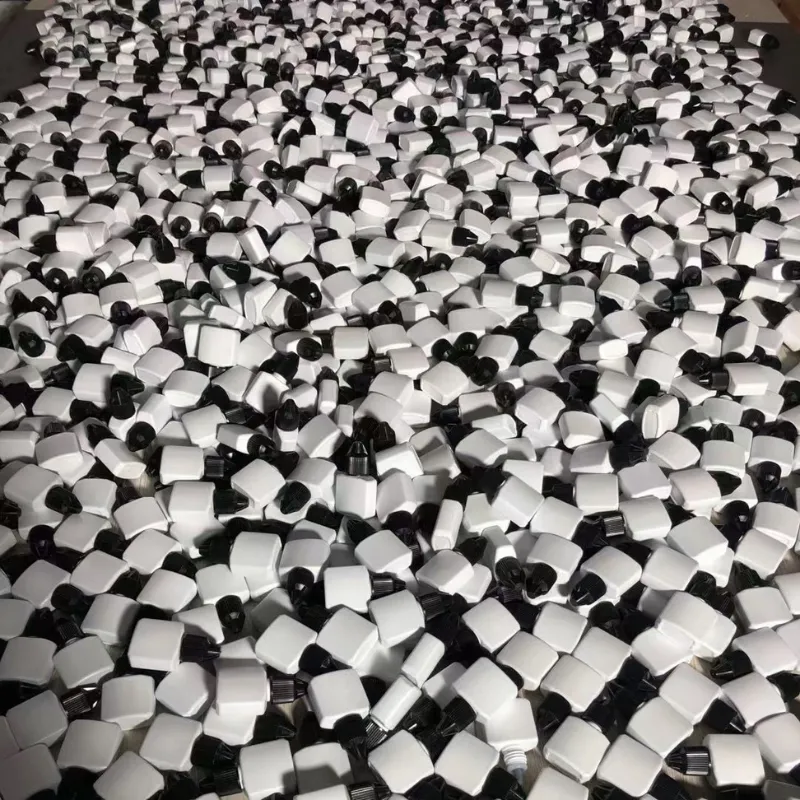
Check 4: Accelerated Aging Test for Shelf Life Claims
Every UV lash glue comes with a shelf life — usually 12 to 24 months. But that number is meaningless without an accelerated aging test. The factory should store glue samples at 50°C for 6 weeks, which simulates roughly 12 months at room temperature. After aging, they test viscosity, curing speed, and bond strength. If the glue thickens beyond the ±5% tolerance or curing time doubles, the formula needs stabilizer adjustment. The stabilizer ratio (typically measured in parts per million) is the key variable. Too little, and the glue degrades early. Too much, and it won’t cure at all. A factory that can share aging test data is a factory that has validated its formula.
Check 5: Packaging and Seal Integrity for Bulk Orders
UV lash glue is sensitive to moisture and light. A leaky seal or a bottle that lets in ambient UV will ruin the entire batch. For bulk orders, the factory must verify seal integrity on every bottle using a vacuum decay test or equivalent. The packaging material should be amber or opaque PET to block UV transmission. Ask for the seal integrity test report from the last production run. Also, check the cap design — some factories use a silicone insert that degrades after 6 months, causing the glue to dry out. A quality factory will use a medical-grade silicone gasket that lasts the full shelf life.
Check 6: MSDS, REACH, and FDA Compliance Documentation
Compliance is not optional for beauty distributors. You need a Material Safety Data Sheet (MSDS) that lists all hazardous components, a REACH declaration for EU markets, and an FDA certificate if the product is sold in the US. A factory that can’t provide these documents on request is a factory you should not order from. But documentation alone is not enough. Verify that the MSDS matches the actual formula — some factories use a generic template that doesn’t reflect the specific photoinitiator or stabilizer in your batch. Cross-check the chemical names against the certificate of analysis. If the MSDS lists a different cyanoacrylate type than what’s in the product, that’s a compliance risk.
Check 7: Private Label Experience and Custom Formulation Support
If you’re building a brand, the factory’s private label experience matters. A factory that only does stock products will have limited flexibility with viscosity, cure speed, or packaging. At Lash Glues Factory, we support OEM and private label with custom formulation — adjusting the photoinitiator concentration for different lamp intensities, adding stabilizers for longer shelf life, or modifying the color (clear, black, or tinted). We also handle custom packaging including bottle shape, label design, and outer carton. When vetting a factory, ask for a portfolio of previous private label projects. Look for consistency in quality across their client brands.
Red Flags: No Testing Reports, Unwilling to Share COA
The single biggest red flag is a factory that says “we test internally” but won’t share the raw data. Any serious factory treats their test reports as a sales tool — they want you to see them. If a factory hesitates to provide a certificate of analysis (COA) for a batch, or claims the data is “confidential”, walk away. Other red flags: viscosity tolerance wider than ±5%, no UV aging test, no cure-through test, and a generic MSDS that doesn’t match the product. A factory that passes all seven checks is a factory you can trust with your brand reputation.

Sample Request Protocol: What to Ask Before Placing Bulk Order
Before you commit to a bulk order, request a production sample from the exact batch that will be shipped. Do not accept a pre-production sample made on a lab bench — it may not represent the actual production line. Ask for 10 bottles from the same batch. Test each one for viscosity, curing speed at 5mm depth, and color stability under UV light. Also, test the seal integrity by inverting the bottle and pressing the nozzle. If any sample fails, the factory should explain the root cause and offer a corrective action plan. A factory that is transparent about failures is more reliable than one that hides them.
The benchmark to remember: a factory that can provide a UV aging test report (simulating 6 months), a cure-through test at 5mm depth, and a COA showing ±5% viscosity tolerance across three consecutive batches is a factory that has its process under control. Write that down. Use it as your checklist in every supplier call.
Conclusion
Skipping these seven checks turns a bulk order into a liability. A $50,000 shipment of UV lash glue can land in month 3 with yellowed bottles, inconsistent viscosity, and failed cure-through on cluster lashes. The cost of inaction is not just a return — it’s a damaged distribution channel and lost reorder trust.
- Request a UV aging test simulating 6 months of shelf life.
- Accept only viscosity tolerance of ±5% across batches.
- Perform a cure-through test at 5mm depth for cluster lashes.
- Verify MSDS, REACH, and FDA compliance documentation upfront.
Before committing to a bulk UV lash glue supplier, use the checklist above to compare sample approval protocols and quality tolerance specs. Review the product page at Lash Glues Factory to see how one manufacturer addresses these checks in its standard production process.
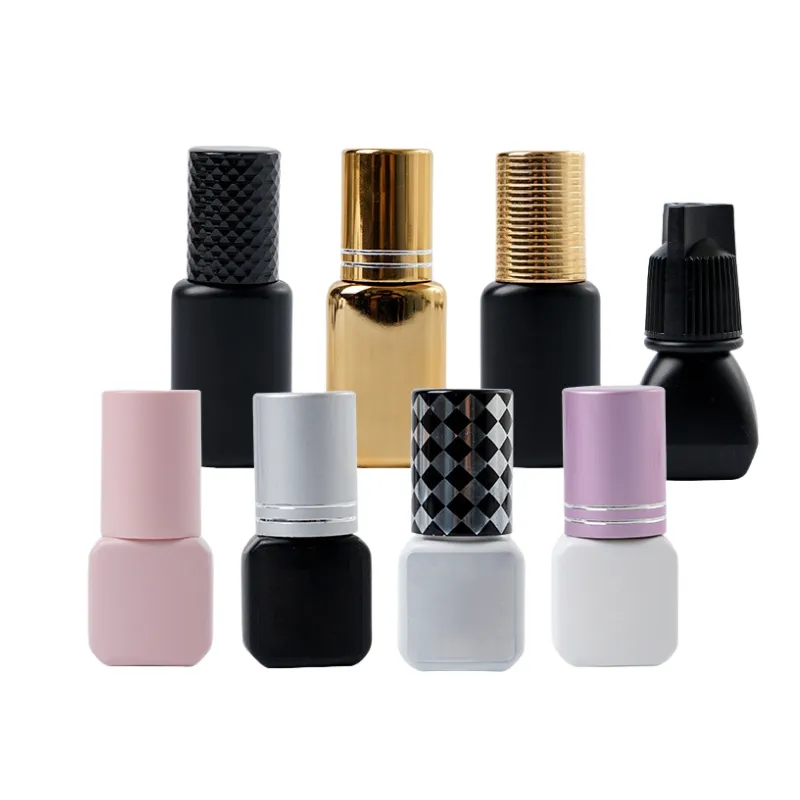
Frequently Asked Questions
How to get a quote for 7 Quality Checks for UV Lash Glue Factories Before Bulk Orders?
The exact answer depends on the product specification, quantity, and order setup. The safest approach is to confirm the commercial terms only after the final requirement sheet is locked. Final terms should be confirmed against the exact product specification and order conditions.
Can I request samples first?
The exact answer depends on the product specification, quantity, and order setup. The safest approach is to confirm the commercial terms only after the final requirement sheet is locked. Sample availability should be confirmed against the current stock and shipping plan.