


The #1 piece of advice you’ll find on lash glue storage best practices is to refrigerate unopened bottles to extend shelf life. That advice sounds logical — keep it cool, keep it stable — but it skips a critical detail that can wreck an entire batch. I’ve watched a salon owner lose a $50K order because every pre-production sample passed, then the mass production run failed on retention. The root cause wasn’t the formula; it was how the glue had been stored between batches. The refrigerator trick works only if you bring the bottle to room temperature for at least 30 minutes before use. Skip that, and condensation forms inside the bottle, introducing moisture that accelerates polymerization and shortens cure time.
Why Proper Storage Matters for Lash Glue Performance
Cyanoacrylate glue doesn’t spoil — it polymerizes.
Lash glue is a cyanoacrylate adhesive. The chemistry is straightforward: the monomers in the liquid glue stay stable until they contact hydroxyl ions — moisture from the air, your client’s natural lash, or even humidity inside the bottle. Polymerization happens in seconds. That’s what makes it cure. But heat and moisture don’t just trigger curing during application. They degrade the glue while it’s sitting in your drawer.
How Heat Accelerates Degradation
Cyanoacrylate monomers are designed to stay in a liquid state at room temperature. Every 10°F above 75°F roughly halves the chemical’s shelf life. At 85°F, the molecular movement inside the bottle increases, causing monomers to slowly react with trace moisture in the headspace. The result? A bottle that thickens before you’ve used it a dozen times. Many lash artists don’t realize that even unopened bottles lose potency if stored above 80°F. That brand-new glue you picked up from the supply shop might already be compromised if it sat in a hot delivery truck.
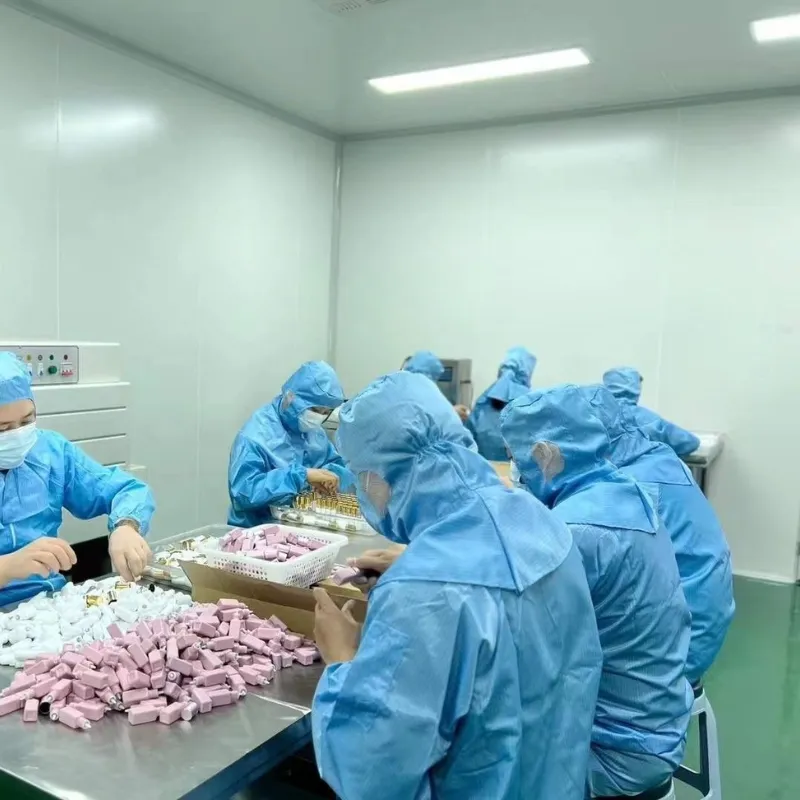
Lash Glues Factory tests every batch for cure speed and viscosity at 72°F. We pack each bottle with a moisture-absorbing cap liner. But once the bottle leaves our facility, the storage environment becomes your variable.
Moisture: The Silent Killer Inside the Bottle
Even a 5-second open-to-air exposure during a lash fill pulls ambient humidity into the bottle. The moisture content in the headspace triggers micro-polymerization. Over time, the glue thickens, clogs nozzles, and produces a weaker bond. That’s why condensation inside the bottle is worse than ambient moisture — it’s liquid water droplets directly catalyzing the monomer.
Storing lash glue in the refrigerator can extend shelf life by 3-4 months. But here’s the catch: the bottle must be brought to room temperature for 30 minutes before use. If you take a cold bottle straight to your workspace, condensation forms on the interior walls and mixes with the glue. That moisture load can ruin the entire bottle within days.
The lesson is simple: control both temperature and humidity. Keep your glue between 60-75°F and under 60% relative humidity. Your retention rate depends on it.

Ideal Storage Conditions: Temperature, Humidity, and Light
Store lash glue between 60-75°F (15-24°C) and 40-60% humidity — anything outside this range accelerates curing inside the bottle.
Cyanoacrylate adhesives respond directly to their environment. Temperature shifts alter the polymerization rate — heat speeds it up, cold slows it down. Humidity introduces extra moisture molecules that trigger premature curing inside the bottle. Lash Glues Factory formulates each batch within these parameters, so deviation from the recommended range directly shortens usable life and compromises retention on the lash line.
Why 60-75°F Matters
Below 60°F, the glue thickens and becomes sluggish — cure times stretch and application gets messy. Above 75°F, the chemical reaction accelerates, gradually reducing adhesive strength even before the bottle is opened. A surprisingly common mistake: leaving unopened stock in a warm room where temperatures climb above 80°F. That alone shaves months off the shelf life, yet many lash artists never check their storage spot.
Humidity Control – The 40-60% Window
Humidity below 40% starves the glue of enough moisture for proper curing, leading to weak bonds and longer clamp times. Above 60%, moisture seeps past the nozzle seal and starts curing the adhesive inside the bottle — stringing, thickening, and eventual clogging. A small hygrometer in your storage area costs under $20 and pays for itself in saved glue. Lash Glues Factory also recommends keeping opened bottles with a silica gel desiccant pack inside the original bag to buffer against humidity spikes.
How to Store Unopened vs. Opened Bottles
Unopened bottles last 12-18 months stored properly; opened glue expires in 3-6 months without extra care.
Unopened lash glue tolerates a wider temperature range — 60–75°F (15–24°C) and 40–60% humidity keep the cyanoacrylate stable. Above 80°F, the chemical crosslinking accelerates even in sealed bottles, robbing you of curing speed and retention before the first squeeze. Opened bottles are far more vulnerable. Every time you lift the cap, airborne moisture triggers polymerization inside the nozzle. That’s why a bottle that tested perfectly on day one can thicken or drip by week three.
Desiccant Packs and Vacuum Sealing for Opened Glue
- Desiccant packs: Drop a silica gel pouch (5–10 grams) into the same storage bag or container as the opened glue bottle. The pack absorbs ambient moisture, slowing the cure reaction inside the tip. Replace the pack every 30 days or when it changes color.
- Vacuum sealing: Use a small household vacuum sealer to remove air around the closed bottle. Without oxygen and moisture vapor, the adhesive stays liquid months longer. The trade-off: you must reseal after every use, which takes 10 seconds.

The Refrigerator Exception and Condensation Trap
Refrigeration can stretch shelf life by 3–4 months for both unopened and opened bottles — but only if you let the bottle sit at room temperature for 30 minutes before uncapping. Skip that step and condensation forms inside the bottle, contaminating the adhesive with water droplets that cause instant thickening. The lash glue storage humidity control rule still applies: never store glue in a fridge that cycles warm air (like a kitchen fridge door). A dedicated mini-fridge at 40–50°F works best.
Common Storage Mistakes That Shorten Shelf Life
Heat above 80°F damages unopened bottles; condensation from fridge ruins opened ones.
A bottle of lash glue left in a parked car in summer can hit 140°F inside the cabin. That temperature spike accelerates the curing process inside the sealed bottle, turning a fresh batch into a thick, stringy mess within hours. Many lash artists don’t realize that even unopened bottles lose potency if exposed to ambient temperatures above 80°F for extended periods — the cyanoacrylate starts to polymerize, and the bond strength drops noticeably.
Leaving Glue in a Hot Car or Direct Sunlight
Direct sunlight does the same damage faster. UV light breaks down the polymer chains, and heat accelerates the reaction. If you transport your glue kit in a car, take it inside with you. A cooler bag with a desiccant pack works for short trips, but never leave it in a trunk or glove compartment. The visible symptom is a sudden thickening — if your strong hold lash glue pours like honey instead of water, it’s already compromised.
Storing in the Refrigerator: Pros and Cons
- Fridge advantage: Refrigeration can extend the shelf life of unopened bottles by 3-4 months by slowing the chemical curing reaction.
- The condensation trap: Bringing a cold bottle straight to your worktable creates moisture inside the nozzle and bottle. Water triggers cyanoacrylate to cure instantly. Always let the bottle sit at room temperature for 30 minutes before opening.
- Manufacturing best practice: At Lash Glues Factory, we store unopened bulk inventory in a climate-controlled warehouse at 65-70°F with 50% humidity. For opened bottles, a dark drawer at room temperature with a desiccant pack outperforms the fridge in practice because most artists can’t wait the half-hour warm-up.
The refrigerator is a valid option only if you can commit to the warm-up ritual. For opened bottles, the risk of condensation outweighs the benefit. A consistent room-temperature environment with controlled humidity (40-60%) gives the most predictable performance and longest usable life for your sensitive formula glue or fast-drying adhesive.
How to Tell If Your Lash Glue Has Gone Bad
Three signs your glue is dead — before you waste a full set on it.
Visual Cues: What Your Glue Bottle Is Telling You
A healthy cyanoacrylate lash glue is clear or slightly translucent. When it starts to degrade, you’ll see cloudiness, yellowing, or even small dark particles suspended inside. That cloudiness means moisture has penetrated the bottle — the polymer chains are cross-linking prematurely. If you stored it in the fridge, check for condensation rings around the cap. That moisture is the enemy. Opened lash glue storage tips from the factory: always wipe the nozzle clean after each use and keep the cap tight.
Consistency Changes: From Syrup to String
Fresh lash glue flows like thin syrup. As it ages or is exposed to humidity and temperature swings, it thickens into a stringy, honey-like consistency that won’t spread evenly — or worse, it becomes watery and runny. Both extremes ruin retention. A thickening fast-drying glue will cure too fast on the lash, causing brittle bonds. A thinning sensitive formula loses its hold entirely. The fix isn’t adding thinner; it’s buying fresh stock. If your glue has been opened for more than 4-8 weeks depending on storage conditions, it’s time to replace it — check the lash glue shelf life temperature guidelines.
Cure Time Tests: The 5-Second Reality Check
The most reliable field test is a cure time check. Apply a small dot on a clean surface and time how long it takes to stop being tacky. Your reference: a fresh bottle of fast-drying glue should skin over in 1-2 seconds and fully cure in 3-5 seconds. If it takes 8 seconds or longer, the cyanoacrylate has started to polymerize inside the bottle. That glue will never achieve its rated retention. For sensitive formulas, allow a slightly longer window, but any drift beyond 3 seconds extra means the bottle has gone bad. Don’t save a questionable bottle — one failed set costs more than the glue.
Best Practices for Traveling with Lash Glue
Traveling with lash glue?
You’re flying to a training event with a dozen bottles of lash glue. The TSA agent pulls your bag because the bottles are loose in a makeup pouch. That’s a preventable delay. Cyanoacrylate adhesives fall under the same liquid rules as any gel or paste — 3.4 ounces (100 milliliters) per container in carry-on, all bottles in a single quart-sized clear bag.
The Real Risk Isn’t the Screening — It’s the Environment
Even if TSA clears your glue, the temperature swings in a cargo hold or an unpressurized baggage compartment can destabilize the formula. Repeated expansion and contraction forces moisture into the nozzle. That’s why many lash artists prefer to carry their glue on board, where the cabin is climate-controlled.
- Carry-on limit: 3.4 oz (100ml) per container in a clear quart bag.
- Label requirement: Bottles must have original labeling showing contents. Repackaged glue in unmarked droppers can be confiscated.
- Cargo hold risk: Temperature fluctuations above 80°F accelerate potency loss. Even unopened bottles degrade faster after a hot flight.
For bulk orders, suppliers like Lash Glues Factory design custom packaging that includes clear labeling compliant with transport regulations. If you’re ordering private label glue for a salon chain, specify that each bottle includes a TSA-friendly label and a tamper-evident seal. It saves headaches at the security checkpoint.
The 30-Minute Thaw Rule Applies After Landing Too
If your glue sat in a cold cargo hold, let it rest at room temperature for 30 minutes before opening. Same logic as storing glue in the fridge — condensation inside the bottle ruins the adhesive. This step alone can save a bottle that looks fine but cures in half the time.
Conclusion
You now have the full picture on lash glue storage. Temperature and humidity control are non-negotiable, but the real differentiator is that refrigeration trick. It can extend shelf life by 3-4 months, but only if you let the bottle warm up for 30 minutes before use. Skip that step, and condensation inside the bottle kills the glue faster than heat ever could.
- Store unopened glue at 60-75°F and 40-60% humidity.
- Refrigeration adds 3-4 months, but warm 30 minutes first.
- Opened bottles need desiccant packs and an airtight seal.
- Test cure time — anything over 2 seconds means the glue is degrading.
Frequently Asked Questions
What is the best temperature to store lash glue?
Store lash glue between 60-75°F (15-24°C) with 40-60% humidity to prevent premature polymerization. Temperatures above or below that range can accelerate curing or cause condensation damage. Keep glue in a stable indoor environment away from heat sources.
How long does opened lash glue last?
Opened lash glue typically expires in 3-6 months depending on storage conditions and frequency of use. Unopened bottles can last 12-18 months when stored properly. Replace opened glue if cure time slows beyond 2-3 seconds.
Can you store lash glue in the fridge?
Refrigerating unopened glue can extend shelf life, but opened glue should never be refrigerated due to condensation. Condensation introduces moisture that degrades the cyanoacrylate bond and spoils the glue. If you refrigerate unopened bottles, let them warm to room temperature before opening.
How can you tell if lash glue has gone bad?
Signs include thick or stringy consistency, yellow discoloration, and a cure time over 5 seconds. These visual and performance changes indicate the glue has polymerized and. Test a small drop on a surface; if it stays wet longer than usual, discard it.

One Response