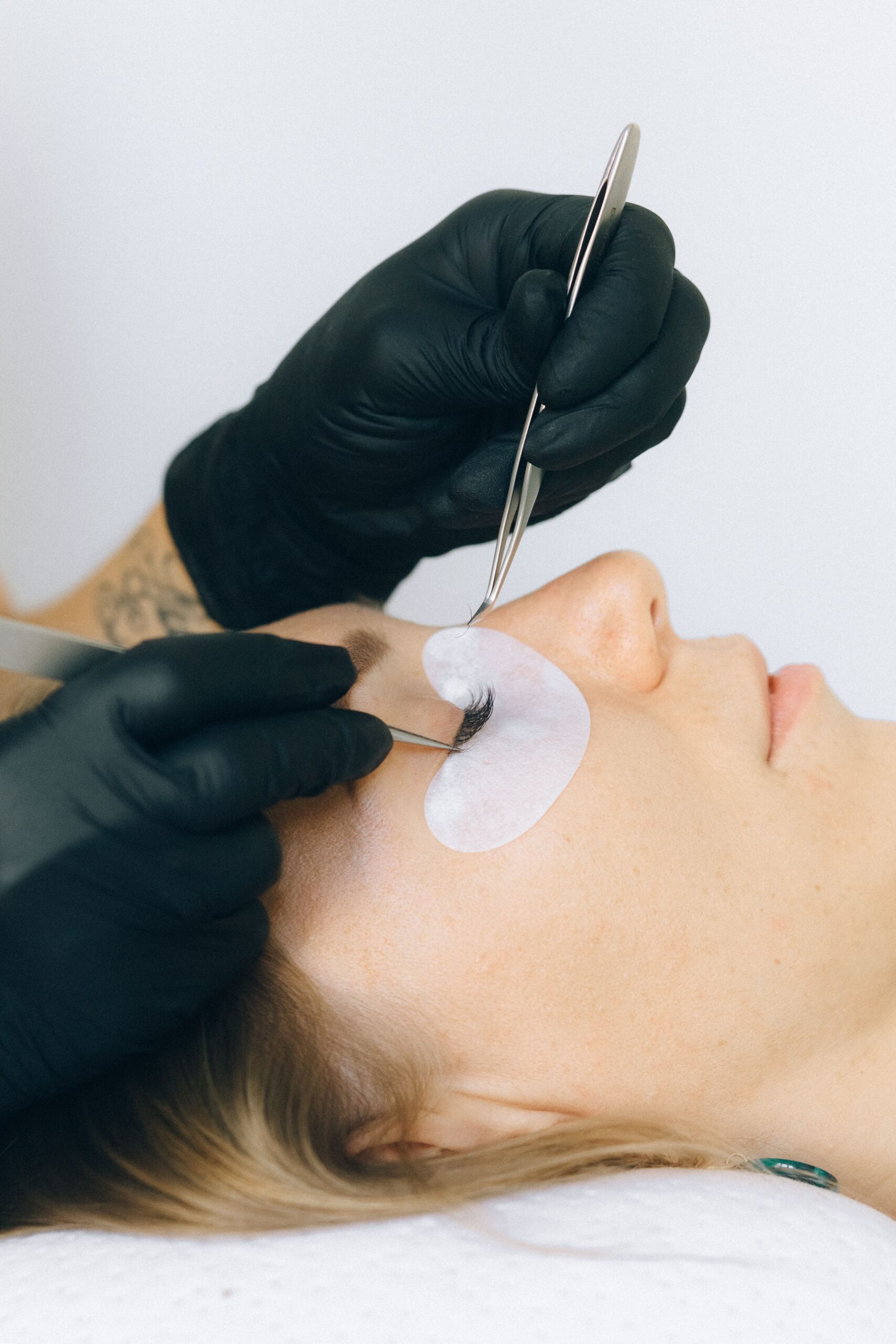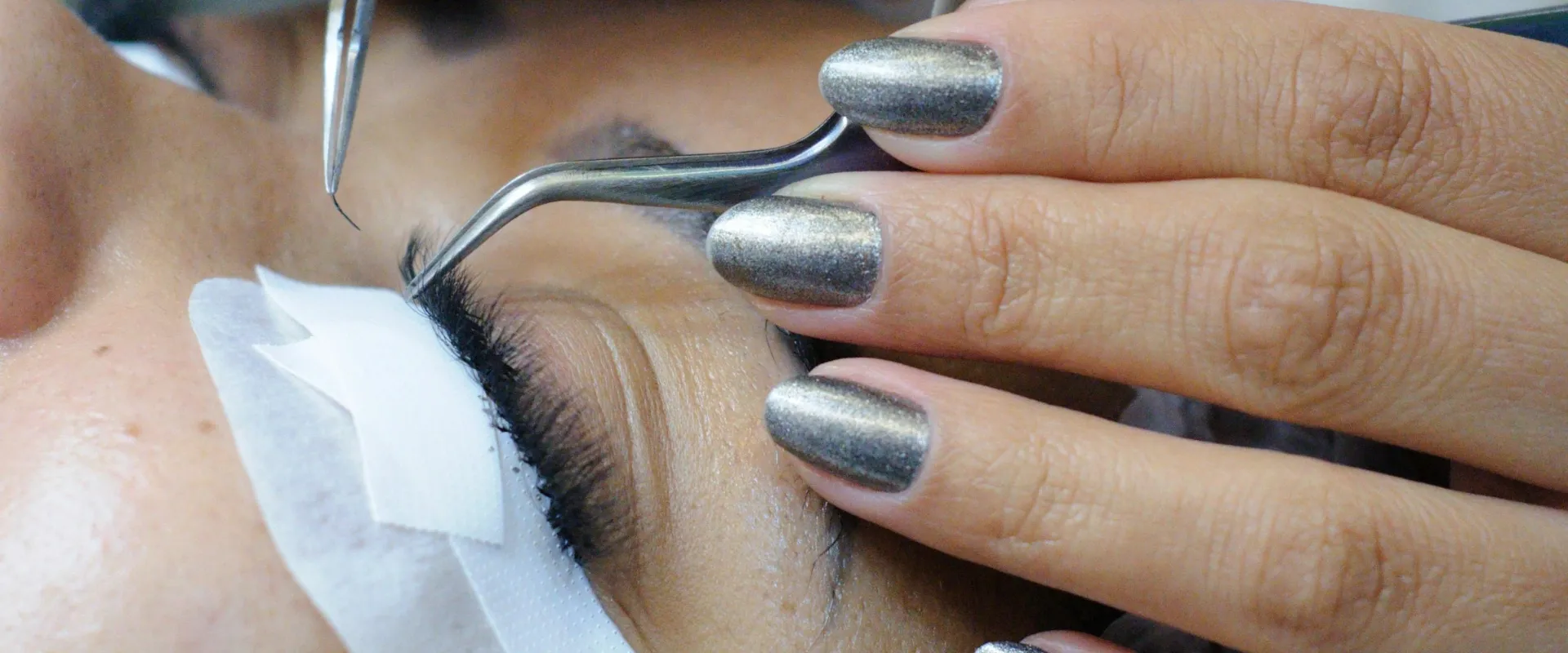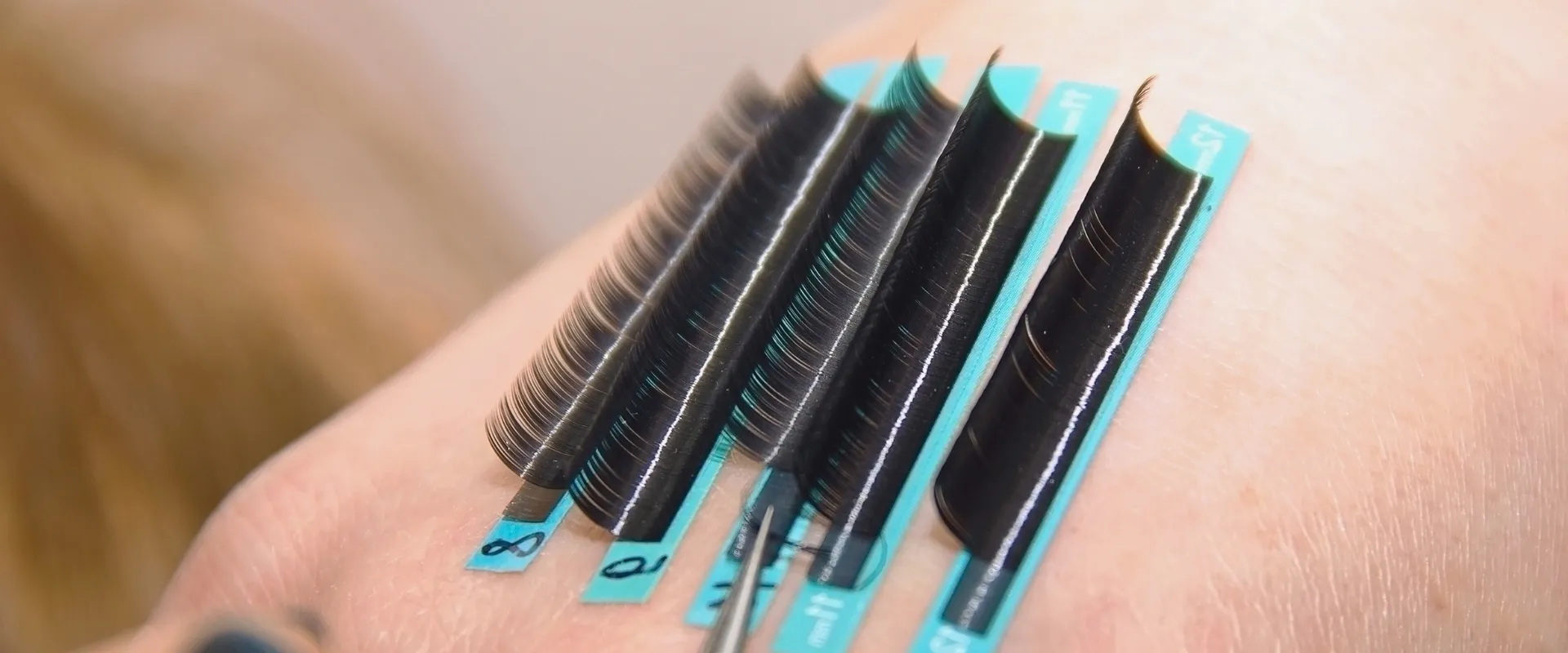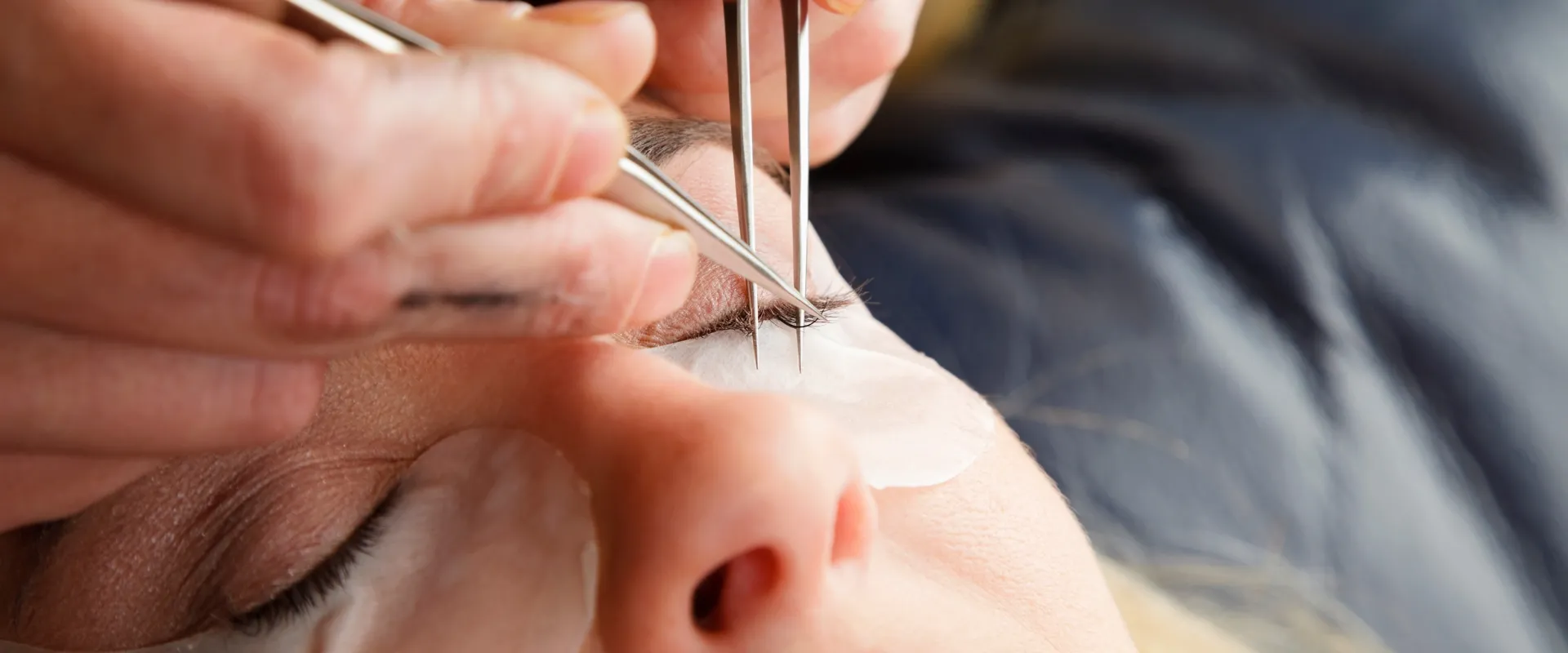


Forwarded email: Subject: shipping lash glue China — QA, we’ve got a $50K order sitting at customs because the declared HS code (3304) doesn’t match the actual product. The sample they approved had a different viscosity, and the SDS is outdated. This is the kind of oversight that derails a shipment timeline fast, and it’s more common than you’d think.
Most beauty distributors focus on sample approval and quality tolerance up front, but the shipping documentation is where the real friction lives. Lash glue is cyanoacrylate-based, classified as a Class 3 flammable liquid, so it triggers dangerous goods surcharges on air freight and requires a specific HS code (3506.10). Get the code wrong, or skip the DDP shipping from China to USA, and you’re looking at seized inventory and back-and-forth with customs brokers. A smart supplier includes a pre-verified SDS with every order and handles the clearance paperwork — that’s the difference between a 30-day sea freight lead time and an indefinite delay.
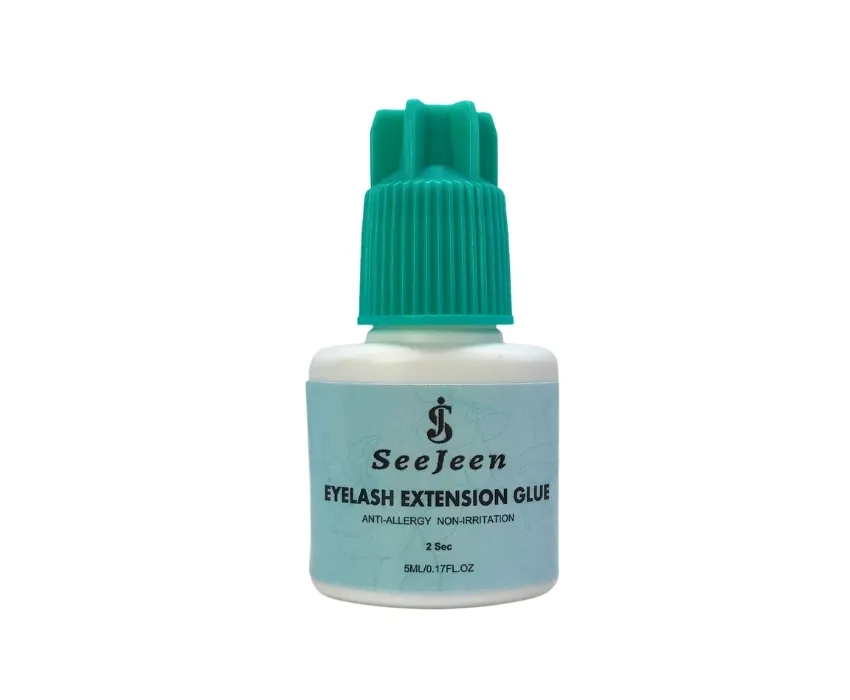
Why Lash Glue is Classified as Dangerous Goods
Lash glue is classified as a Class 3 Flammable Liquid under international shipping regulations.
Cyanoacrylate Composition and Shipping Regulations
The active ingredient in professional lash adhesives is cyanoacrylate — the same chemical family used in industrial super glues. When exposed to moisture in the air, it polymerizes rapidly, creating a strong bond. That fast cure time is exactly what makes it hazardous for transport.
Cyanoacrylate emits heat during curing and can ignite if confined in a container with inadequate ventilation. International air and sea regulations classify any adhesive with more than 5% cyanoacrylate as dangerous goods. Most professional-grade lash glues sit well above that threshold.
The UN number assigned is UN1133, under Class 3 Flammable Liquids. This classification triggers mandatory labeling, specialized packaging, and certified handling procedures. A standard cardboard box won’t pass inspection — the inner bottles must be packed with absorbent material and leak-proof liners.
Why Air Freight Is More Expensive and Restricted
Air carriers apply a surcharge on dangerous goods shipments that typically adds 30–50% to the base freight cost. The reason isn’t arbitrary — it reflects the additional training required for ground handlers, the segregation distance from other cargo, and the limited quantity allowed per flight.
IATA regulations cap the net quantity of Class 3 liquids per package at 1 liter for passenger aircraft. Cargo aircraft allow up to 5 liters per package, but many airlines still refuse dangerous goods altogether to simplify their operations. That shrinking pool of willing carriers drives rates higher.
For beauty distributors evaluating suppliers, this has a direct impact on landed cost calculations. A $500 air freight quote for regular cargo can jump to $750+ once the dangerous goods surcharge is applied. Sea freight avoids most of these restrictions — containers are ventilated differently — but requires an additional Dangerous Goods Declaration at origin.
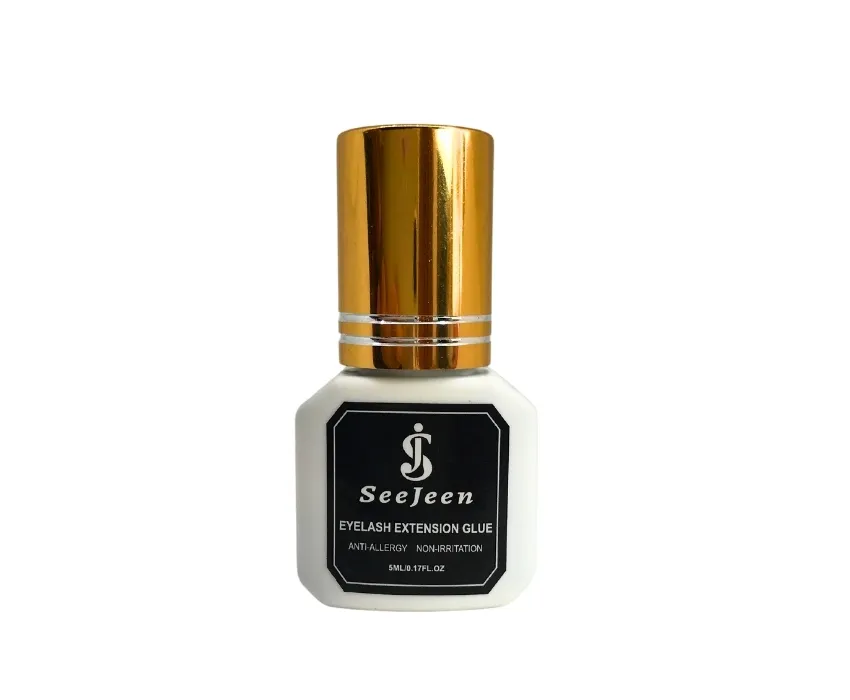
HS Code and Customs Classification
Using HS code 3304 for lash glue is a common mistake that can trigger seizure.
The correct HS code for lash glue is 3506.10. That covers glues based on cyanoacrylate, which is the active ingredient in nearly all professional eyelash adhesives. If your supplier ships under a different code — especially 3304 (cosmetics) — customs will flag the shipment.
Primary HS Code: 3506.10
Harmonized System code 3506.10 specifically covers “products suitable for use as glues or adhesives, put up for retail sale as glues or adhesives, net weight not exceeding 1 kg.” Lash glue bottles typically fall between 2g and 15g, so this subheading fits perfectly. The broader heading includes all cyanoacrylate-based adhesives.
Sub-codes for Viscosity and Packaging

Required Documentation for Import
Missing one document and your container sits at port for 3–5 days, costing $200–$500 in demurrage.
Customs clearance for eyelash adhesive China shipments hinges on four documents. Miss any one, and the container gets flagged for inspection — a delay that typically runs 3–5 days at port, with demurrage fees piling up at $200–$500 per day depending on the terminal.
Safety Data Sheet (SDS) – Language Matters
The SDS must be in the destination country’s language. A Chinese-language SDS won’t pass customs in the US or EU. Lash Glues Factory provides a pre-verified SDS in English with every order, covering all 16 sections required under GHS Rev.7. If you’re importing to Germany or France, request a localized version before shipping.
Certificate of Origin – Tariff Preferences
A Certificate of Origin (CO) issued by the China Chamber of Commerce lets you claim preferential tariff rates under Free Trade Agreements. Without it, you pay the standard MFN rate — which on HS code 3506.10 can be 2–4% higher depending on the destination country. The CO costs roughly $30–50 and takes one business day to issue.
Commercial Invoice & Packing List Specifics
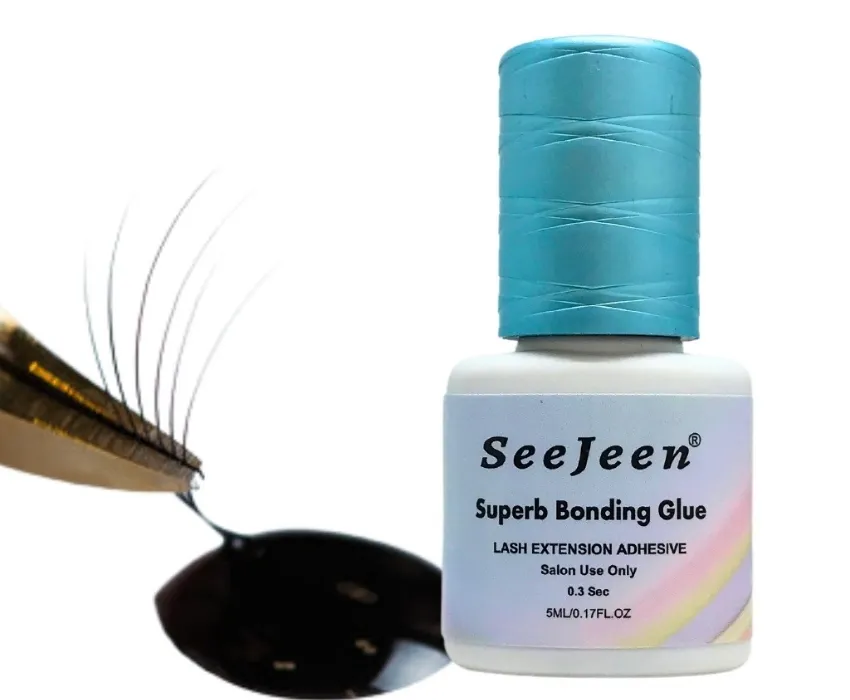
Shipping Methods and Lead Times
Choosing the wrong shipping method can cost you 3 weeks and $800 in storage fees.
A beauty distributor placing a 500-unit private label order for lash glue faces three freight options. Each has a different trade-off between speed, cost, and regulatory handling for Class 3 Flammable Liquid cargo.
Sea Freight: LCL vs. FCL
Sea freight is the default for bulk orders. Transit time runs 20–30 days from port to port, depending on the route (China to Los Angeles averages 18 days sailing, plus customs). For orders under 8 cubic meters, LCL (Less than Container Load) works — you share space and pay per CBM. But LCL carries risks: your glue bottles get jostled against other cargo, and if another shipper’s goods are flagged for inspection, your container gets delayed too.
FCL (Full Container Load) costs more upfront but eliminates those variables. A 20-foot container holds roughly 10 pallets of lash glue — enough for a 5,000-unit run with retail packaging. The per-unit savings over LCL kick in around the 7–8 CBM mark. For private label buyers scaling past the first order, FCL is the right call.
Air Freight: Speed at a Premium
Air freight cuts transit to 5–10 days. But here’s the catch most new importers miss: because lash glue contains cyanoacrylate, it ships as dangerous goods. Airlines impose strict quantity limits per shipment (typically under 1 liter per inner package) and add a dangerous goods surcharge of $50–$150 per shipment on top of the base rate.
The total air freight cost can be 4–6 times higher than sea freight for the same weight. Use air only for urgent restocks or sample approval runs — never for full inventory builds if margins matter.
Express Courier: DHL and FedEx for Small Quantities
For small orders — samples, test runs under 20 kg, or emergency refills — express courier is the simplest option. DHL and FedEx both accept dangerous goods shipments with proper documentation (SDS and DG declaration). Delivery takes 3–7 business days door-to-door.
The downside? Cost per unit spikes hard above 10 kg. A 5 kg box of lash glue shipped via DHL from China to New York runs roughly $120–$180. That same weight by sea LCL costs about $30–$50 but takes three weeks longer. Match the method to the order size, not the calendar.
Customs Clearance Process
A pre-verified SDS cuts customs clearance time by days, not hours.
Your shipment arrives at the destination port. Customs officers flag it because the HS code on the commercial invoice reads 3304 — cosmetics — when the correct classification for cyanoacrylate adhesives is 3506.10. That single mismatch can hold your container at the port for a week while officials verify the product composition.
Steps from Port Arrival to Final Delivery
After the vessel docks, the shipping line files an arrival notice. Your customs broker submits the entry summary with the commercial invoice, packing list, bill of lading, and Safety Data Sheet. If every document matches, clearance takes one to three business days for sea freight.
Air freight moves faster — often same-day clearance — provided the dangerous goods declaration is attached. Once cleared, the cargo transfers to a domestic carrier for final delivery. The entire port-to-door process for sea shipments typically spans five to seven business days after clearance.
Common Reasons for Delays
Missing or incorrect documents top the list. An SDS written only in Chinese, when the destination requires English or the local language, triggers an automatic hold. A missing dangerous goods declaration for Class 3 Flammable Liquids stops air freight shipments entirely. Incorrect labeling on individual bottles — missing the hazard pictogram or using a generic ‘cosmetic adhesive’ label — flags the shipment for physical inspection.
Hiring a Customs Broker and What to Pay
Licensed customs brokers charge $150 to $400 per shipment for a standard sea freight entry, plus any disbursement fees for duties paid upfront. Air freight entries run $75 to $150 because the documentation is simpler. Ask whether the broker has handled Class 3 Flammable Liquid imports before. A broker who files lash glue as a cosmetic product will create the exact delay you are trying to avoid.
Lash Glues Factory includes a pre-verified SDS with every order and offers DDP shipping to the US and EU, covering all customs duties and clearance fees. First-time importers receive one landed price with no hidden fees. If you prefer to handle clearance yourself, request HS code 3506.10 on the commercial invoice and confirm the SDS matches your destination country’s language requirements.
Tips for Smooth Shipping from Lash Glues Factory
Pre-cleared docs cut customs delays from weeks to hours.
Most customs seizures on lash glue happen because the paperwork doesn’t match the product. The importer files under HS code 3304 (cosmetics) when the glue is actually a cyanoacrylate adhesive under 3506.10. That mismatch flags the shipment, and you lose a week minimum while your broker re-files.
Pre-cleared shipping documents
Every order from Lash Glues Factory ships with a pre-verified Safety Data Sheet in English and Chinese, a commercial invoice that lists the correct HS code for lash glue (3506.10), and a Dangerous Goods Declaration for Class 3 Flammable Liquid classification. You don’t need to chase your supplier for these after payment — they’re included at the packing stage.
Packaging that survives transit
Standard bottle caps can loosen during sea freight temperature shifts. The factory uses spill-proof inner bags that seal each bottle individually, plus outer cartons labeled with UN1133 (adhesives containing flammable liquid) markings. Proper labeling isn’t optional — it’s how you avoid having your container flagged for inspection at the destination port.
DDP terms for first-time buyers
“How to import lash glue without customs delay” is usually about who handles clearance on the receiving end. DDP shipping means the factory covers all duties, taxes, and brokerage fees up to your door. First-time buyers avoid the risk of misclassifying goods or missing a local filing deadline. Request DDP terms at quote stage — it adds roughly 12–15% to the CIF value but removes every clearance variable from your side.
Conclusion
A single misclassified shipment can delay a $5,000 order by two weeks and trigger storage fees that eat your margin. Getting the HS code right (3506.10, not 3304), having the SDS translated before the container lands, and labeling bottles as Class 3 Flammable Liquid are not optional steps — they are the cost of entry for importing lash glue from China.
- Use HS code 3506.10 for cyanoacrylate-based lash glue.
- Air freight adds a dangerous goods surcharge of $50-$150 per shipment.
- Sea freight takes 20-30 days but costs significantly less per unit.
- Missing or untranslated SDS is the top reason for customs holds.
If you skip verifying these documents with your supplier, you risk paying demurrage fees that wipe out any savings from a lower FOB price. The smarter route is to work with a factory that includes pre-verified shipping documentation and offers DDP terms so you know the total landed cost before the order ships. Review Lash Glues Factory’s shipping guidelines on their product page to see how they handle dangerous goods classification and customs clearance for first-time importers.
Frequently Asked Questions
How to get a quote for Shipping Lash Glue from China: Customs, HS Codes, and Lead Times?
The exact answer depends on the product specification, quantity, and order setup. The safest approach is to confirm the commercial terms only after the final requirement sheet is. Final tax should be checked against the HS code and destination country’s tariff rules.
Can I request samples first?
The exact answer depends on the product specification, quantity, and order setup. The safest approach is to confirm the commercial terms only after the final requirement sheet is locked. Sample availability should be confirmed against the current stock and shipping plan.