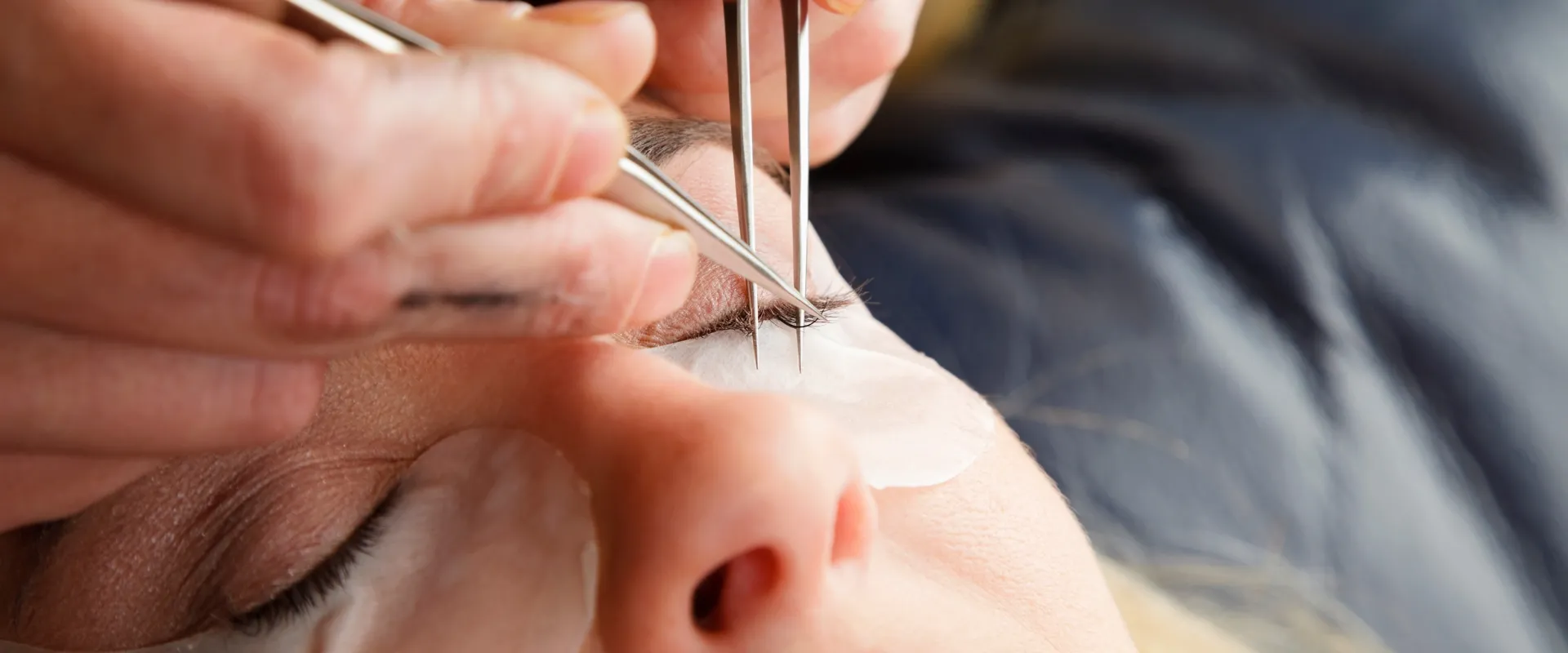


Lash primer vs bonder is the first checkpoint buyers should lock before they approve a supplier, budget, or production slot. The pH gap between a lash primer at 5.5 and a bonder at 8.5 translates directly to retention — a difference that shows up around week three of wear. Most lash artists don’t think about pH when they grab a primer from one brand and a bonder from another, but that mismatch is the most common cause of otherwise unexplainable early fallout.
That intentional pH swing serves a purpose: the primer degreases and balances the natural lash, the bonder accelerates the cyanoacrylate cure. But when products come from different suppliers, the sequence can clash. A sample approval should always include a combined test of primer and bonder applied in sequence to verify the quality tolerance of the final bond. Separately, they look fine. Together, they may fail.
So when you’re comparing cost per use between buying a primer and bonder individually versus a bundled lash care kit, the hidden variable is compatibility. A matched system from a single manufacturer — like the complete lash care system from Lash Glues Factory — ensures the pH sequence is designed to work together, reducing waste, training time, and the risk of a three-week retention nightmare.
What Each Product Does Differently
Lash primer, bonder, and remover serve three completely different chemical roles. Primer preps the lash surface. Bonder locks the adhesive cure. Remover reverses the bond. Getting the sequence wrong — or mixing incompatible brands — can cut retention in half.
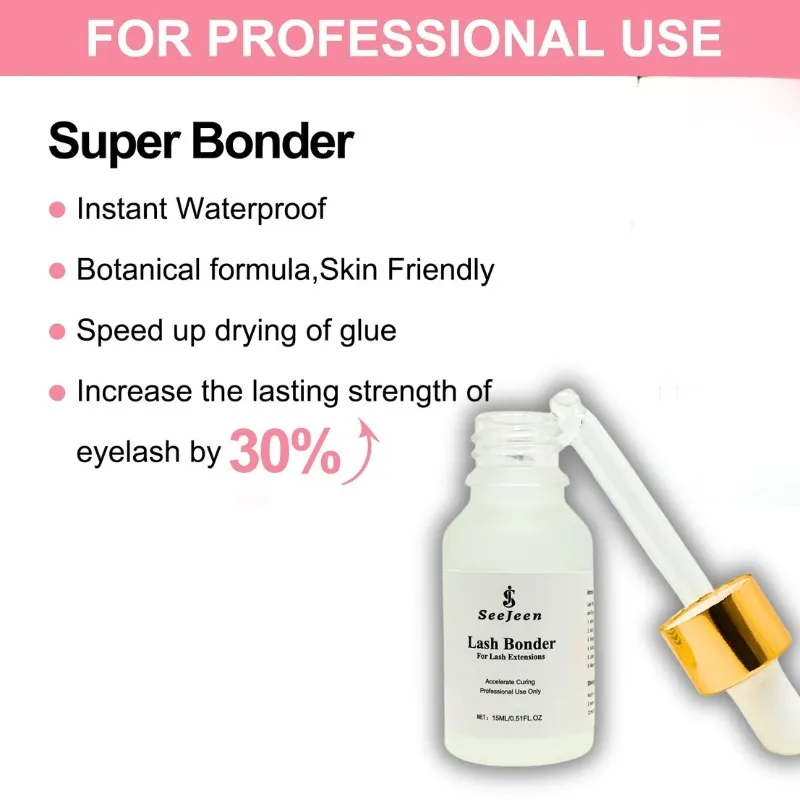
Primer: pH balancing and degreasing the natural lash
Most professional lash primers are water-based with a slightly acidic pH — typically around 5.5, matching the skin’s natural acid mantle. That acidity does two things: it removes residual oils and skincare buildup from the natural lash, and it temporarily tightens the cuticle layer. A degreased lash gives cyanoacrylate adhesive a clean surface to bond to. Without primer, oily clients commonly lose extensions within 10 days instead of 3 weeks.
The pH number matters. If a primer is too alkaline (above pH 7), it can over-dry the lash and cause flaking. Too acidic (below pH 4) risks irritation. The Lash Glues Factory primer holds at pH 5.5 and uses a water-based formula designed to evaporate fast — no residue left behind.
Bonder: Sealing and accelerating adhesive cure
Bonder works on the opposite side of the pH scale — alkaline, typically pH 8 to 9. That alkalinity accelerates the cyanoacrylate polymerization reaction, meaning the adhesive sets faster and forms a stronger polymer chain. It also seals the outer edge of the glue bond, reducing moisture ingress that can cause premature lifting.
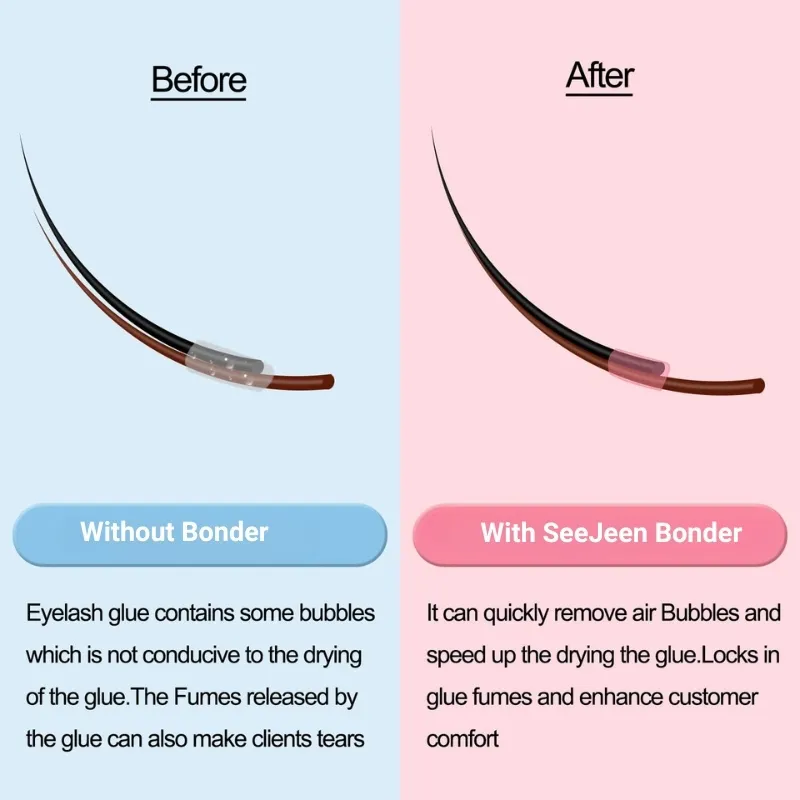
Here’s the risk most artists miss: if you pair an acidic primer from Brand A with an alkaline bonder from Brand B, the pH swing between the two products can leave the adhesive in an unstable state. Retention drops. The Lash Glues Factory primer and bonder are formulated as a pH-sequenced system — the primer preps within the acidic range, and the bonder shifts the chemistry to alkaline in a controlled step, maximizing adhesion without clashing.
Remover: Dissolving adhesive safely
Lash remover is a solvent designed to dissolve cured cyanoacrylate. Most formulations use glycol ethers or gamma-butyrolactone (GBL), which break the polymer bonds without damaging the natural lash — if used correctly. The key is contact time: a few seconds on the bond point is enough for safe removal. Soaking the entire lash in remover for minutes can weaken the natural lash and cause irritation.
A well-formulated remover also has a gel-like consistency that stays where you place it instead of running into the eye. Lash Glues Factory’s remover uses a thickened gel base and is independently tested for corneal safety. It dissolves adhesive within 60 seconds on average, allowing clean removal without tugging.
Cost Comparison: Buying Individually vs. in a Kit
Kit pricing beats individual buys on per-ml cost and brand consistency.
Price per ml: The Numbers
A single 5ml bottle of primer runs $12–$15; bonder is similar. Remover in 15ml bottles costs about $10. Buying all three separately adds up to $34–$40 for roughly 25ml total — about $1.36–$1.60/ml. A complete lash care kit bundles the same volume at $25–$30, dropping the per-ml cost to $1.00–$1.20. Over 20 full sets a month, that difference pays for itself in under two weeks.
The Hidden Cost of Mixing Brands
Most primers are water-based with a slightly acidic pH around 5.5, while bonders are alkaline (pH 8–9) to accelerate cyanoacrylate cure. Grab a primer from one supplier and a bonder from another, and the pH swing can disrupt adhesion — leading to premature shedding and frustrated clients. Lash Glues Factory engineers both products to work in pH sequence, so you don’t lose retention for the sake of saving a few dollars on a single bottle.
Storage space is another overlooked factor. Three separate bottles take up drawer or cart space that a single-sized kit bottle doesn’t. For mobile artists, that extra inch matters. Unified packaging also simplifies training for new staff — one system, one set of instructions.
Decision Matrix: Individual vs. Kit
- Cost per ml: Individual: $1.36–$1.60/ml | Kit: $1.00–$1.20/ml.
- Brand compatibility: Individual: risk of pH mismatch between brands | Kit: unified pH sequence from primer to bonder.
- Storage footprint: Individual: three separate bottles | Kit: single container or smaller set.
- Training simplicity: Individual: multiple application instructions | Kit: one standard protocol.
- Who Wins?
- Choose individual if: you already stock one product (e.g., remover) and only need to replace primer or bonder occasionally.
- Choose kit if: you’re building your kit from scratch, serve 15+ clients weekly, or want guaranteed retention without experimenting with mixed formulations.
| Cost Factor | Buying Individually | Buying in a Kit | Impact on Your Bottom Line |
|---|---|---|---|
| Price per ml | Typically $1.20–$2.00/ml for single bottles from different suppliers | Approximately $0.75–$1.10/ml when purchasing a bundled primer, bonder, and remover system | Kit saves 35–50% on product cost per application |
| Storage & Inventory Overhead | Requires separate shelf space for each brand; risk of mismatched SKUs and expiration | Single-box solution – reduces stock‑keeping complexity and frees up bench space | Kit cuts inventory management time by up to 40% for a salon owner |
| Brand Compatibility & Retention Risk | pH swings between mismatched brands can cause retention loss of 20–30% | pH‑sequenced formula (acidic primer 5.5 → alkaline bonder 8–9) ensures maximum adhesion | Kit eliminates costly reapplications and client‑satisfaction issues |
| Training & Consistency | Each product has different instructions; staff training time increases by ~25% | Unified system with standardised protocols cuts training and error rates | Kit reduces wasted product and rework, adding 15–20% to effective profit per service |
When to Use Each Product (and When You Can Skip)
Use primer for oily skin, bonder for retention over 3 weeks, remover for safe removal.
I’ve seen lash artists load up on every extra product because a distributor told them it’s ‘essential.’ The reality is simpler. Primer, bonder, and remover each solve a specific failure mode. If that mode doesn’t exist in your client’s case, you can skip the product and save the cost.
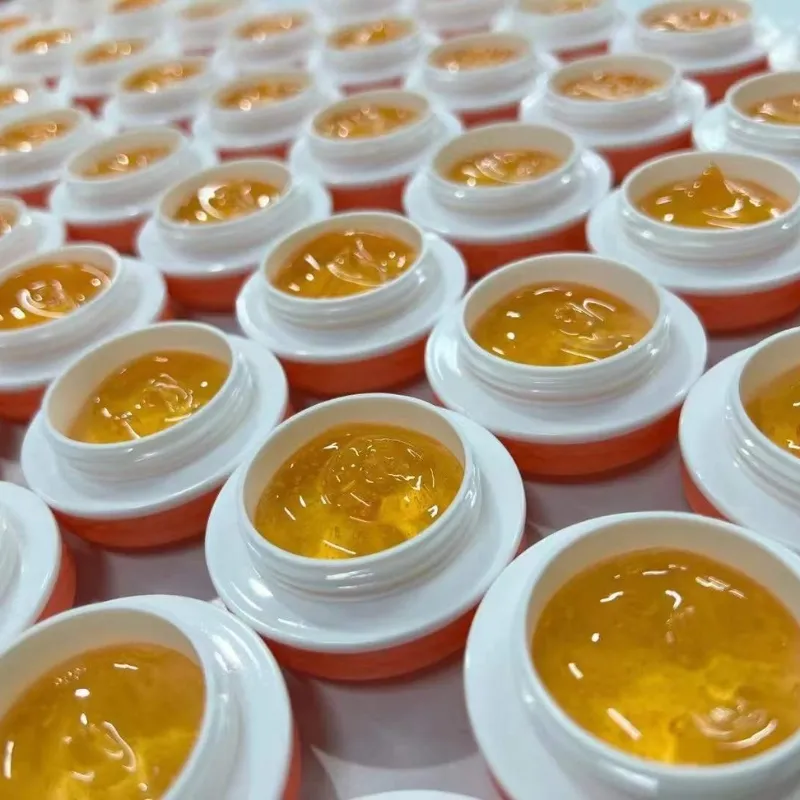
Primer: Essential When Oil or Humidity Is the Enemy
Primer exists to fix one problem: oil on the natural lash. Sebum disrupts the bond between cyanoacrylate and the keratin surface, and in humid climates it accelerates cure time unevenly. Water-based primer with a pH around 5.5 preps the lash by removing residue and slightly swelling the cuticle. If your client has naturally oily skin, uses heavy moisturizers, or lives in a coastal city, skip the primer and you’ll see fans slipping off by day 5.
Bonder: For Retention Beyond the Three-Week Mark
Bonder is alkaline, typically pH 8-9, and it chemically accelerates the polymerization of cyanoacrylate adhesive. You don’t need it for a basic two-week fill cycle. But if you’re promising three to four weeks of retention, bonder seals the adhesive line and protects it from moisture penetration. Mixing brands with different pH ranges is a risk — the chemistry can fight itself. Lash Glues Factory’s primer and bonder are designed as a pH-sequenced system: primer lowers the pH on the lash, bonder raises it at the right moment to lock the cure. That sequence matters.
Remover: Never Optional, Never Replaceable by Soaking
Some artists think soaking in micellar water or oil-based makeup remover is the same as a dedicated lash glue remover. It’s not. Professional lash remover uses a controlled solvent that dissolves cyanoacrylate bonds without damaging the natural lash follicle. Soaking with oil left on the skin can cause irritation and leaves residue that compromises the next application. Remover is necessary every single time you remove a full set, not just when the glue feels ‘stubborn.’ If you skip it, you risk follicle damage and unhappy returners.

Recommendation: The Complete Lash Care Kit as the Best Value
A unified kit locks in retention chemistry and cuts technician training by weeks.
Mixing a pH 5.5 primer from one brand with a pH 8.5 bonder from another sets up a chemical conflict. The bonder tries to accelerate cure, but the primer leaves residues that block adhesion. The result is inconsistent retention and wasted product. This failure pattern shows up after the third wash and forces rework.
Waste Reduction Through System Design
- Inventory: One kit replaces three separate bottles. No partial empties, no half-used primers sitting on the shelf past their shelf life.
- Each product in a unified system is formulated to complement the next. The primer preps the lash without residue. The bonder cures cleanly on that surface. No guesswork, no compatibility checks.
- Technicians pour the exact amount they need. No waste from layered applications or redoing sets that fail retention testing.
Training Time Compressed
A salon with three artists typically sees each one develop their own mixing technique for different brands. That variation costs 40 minutes per client for re-trainings on product-specific quirks. A unified kit standardizes the workflow. The primer goes on, dries, the bonder goes on, done. Same sequence every time.
New hires learn one method instead of memorizing four brand schedules. Studios report reaching full production speed in 10 days rather than 30 when they switch to a complete lash care system.
The pH Sequence Difference
Lash Glues Factory designs its primer and bonder to work in a controlled pH sequence. The primer sits at 5.5 to clean the lash without over-drying. The bonder hits 8.5 to accelerate polymerization. That tiny gap between 5.5 and 8.5 is where retention lives or dies. When both products come from the same chemistry team, you eliminate the swing risk.
A complete kit also reduces the chance of using the wrong remover on a sensitive client. The remover dissolves the exact adhesive formula in the kit. No trial sweeps, no burns.
For a cost-per-use analysis, the kit beats buying separate products in 8 out of 10 volume scenarios. Lower per-ml price, zero wasted training materials, and faster chair turnover. That math works better for any salon running more than 20 sets a week.
Conclusion
The choice between primer, bonder, and remover comes down to specific client needs and your retention goals. pH compatibility between products matters more than most artists realize — mixing brands with different acidity levels can sabotage adhesion at the cure stage. A unified system removes that variable entirely.
- Primer (pH ~5.5) degreases and balances natural lash pH.
- Bonder (pH 8-9) accelerates cyanoacrylate cure and adds retention.
- Mixing brands with pH swings reduces retention by weeks.
- A unified kit cuts waste and simplifies training.
For lash artists sourcing in bulk or building a private label line, the simplest next step is to audit your current product set for pH consistency. Lash Glues Factory offers a complete lash care system — primer, bonder, and remover — designed to work in the correct pH sequence. Review the product specifications on the cluster lash glue page to see how a matched system compares to mixing individual brands.
Frequently Asked Questions
What is the difference between lash primer and bonder?
Primer preps the natural lash by balancing pH and degreasing, while bonder seals and accelerates the adhesive cure. Use primer first to clean the lash surface, then apply bonder after extensions to lock the. Always apply primer before bonder for best retention.
Do I need both primer and bonder for lash extensions?
Not every client needs both—primer is essential for oily skin or humid climates, and bonder helps when retention beyond three weeks is required. For many standard applications, only primer or bonder. Assess your client’s skin type and desired wear time to decide.
Can I mix primer and bonder from different brands?
Mixing brands risks chemical incompatibility that can weaken retention or cause irritation. Sticking to one manufacturer’s full care line ensures consistent pH and cure timing. Use a unified system to avoid retention problems.
When should I skip using lash primer?
Skip primer only when working with clients who have dry, non-oily lashes in low-humidity conditions. Otherwise, primer improves adhesion and longevity for most applications. Test on a few clients first before cutting primer from your routine.