

The pallet of wholesale lash care kits lands at your warehouse. You crack open a case four weeks later to verify the private label packaging before distributing to salons. The lash shampoo has separated into an oily layer at the top. The primer smells more like solvent than it did in the pre-production sample you approved eight weeks ago. That $50K bulk order just became a returns and reputation problem — and the supplier’s pre-shipment sample looked flawless.
That gap between a hand-packed sample and a full production run is where the real vetting happens. Lash care liquids — shampoo, primer, bonder, remover — are chemically active formulations with alcohol and solvent bases. They don’t behave like a stable oil. Their quality tolerance is narrow, and the wrong batch chemistry can make a kit unusable long before the labeled shelf life expires. A distributor who relies only on FOB pricing and sample approval is playing a dangerous game.
Finding a reliable manufacturer for wholesale lash care kits means looking past the glossy catalog. You need to verify formulation stability, raw material sourcing consistency, and how the factory handles hazardous goods shipping. The rest of this guide walks through the certifications, MOQ tiers, and logistics traps that separate a one-time shipment from a long-term supply partner.

Why Distributors Need a Complete Lash Care Line
Bundling four aftercare products into one kit can increase distributor margins and reduce salon churn.
A salon owner managing 12 lash beds places weekly orders for adhesive, shampoo, primer, bonder, and remover. If each product comes from a different vendor, that’s five purchase orders, five freight bills, and five sets of lead times to track. Distributors who consolidate the whole care routine into a single kit become the default supplier — and the one less likely to be replaced.
Salons prefer one purchase order over multiple suppliers
Salon managers rank inventory simplification as a top operational pain point. A complete lash care kit eliminates cross-shipment delays and reduces the risk of running out of a single SKU. For liquid products, the advantage compounds: mixing shampoo, primer, bonder, and remover in one box can cut dangerous-goods shipping costs by as much as 30% compared to four separate parcels. Distributors who offer this save their clients time and freight — and that stickiness protects the account.
Bundled kits deliver better margins per unit
Selling individual aftercare items leaves margin on the table. Each standalone product requires its own label, bottle, and packaging design — costs that don’t scale. A four-product kit uses a single outer box and one instruction leaflet, dropping per-unit packaging expense by roughly 15–20%. Distributors typically price a kit at a 25–35% premium over the sum of individual wholesale prices because salons value the convenience. That higher ticket, combined with lower fulfillment costs, directly lifts gross margin.
Criteria for Vetting a Lash Care Kit Manufacturer
Vetting a lash care kit manufacturer is not about finding the prettiest catalog. It is about verifying three layers of capability: certification, testing reliability, and customization flexibility. Miss any one, and your margin on a private label aftercare kit line gets eaten by compliance headaches or branding inconsistencies.
Factory Certifications: ISO 22716, GMP, MSDS
ISO 22716 is the cosmetic Good Manufacturing Practices standard. It guarantees that filling, sealing, and labeling procedures are documented and audited. Without it, a factory can claim quality but has no third-party proof. GMP certification (often national-level) adds local regulatory compliance. MSDS (Material Safety Data Sheet) is the document that keeps your shipment moving through customs — especially when the products contain alcohol-based primers or removers classified as hazardous goods. An ISO certified lash shampoo factory will have these on file for every formulation. A common trap: accepting a photocopy of a certificate without checking the issuing body. Always confirm the certification number on the accreditation portal.
Product Testing: Stability, Microbiological, Irritation
Three tests separate a market-ready formula from a batch that spoils on the shelf.
- Stability: Thermal cycling at 40°C and 4°C for 4 weeks. Predicts separation, color shift, or pH drift.
- Microbiological: Preservative challenge test (USP 51 or equivalent). Verifies that bacteria and fungi cannot grow inside the bottle after opening.
- Irritation: In vitro cell assay or human patch test. Protects your brand from liability if a salon client reacts to a new primer formulation.
Customization: Private Label, Bottle Design, Branding
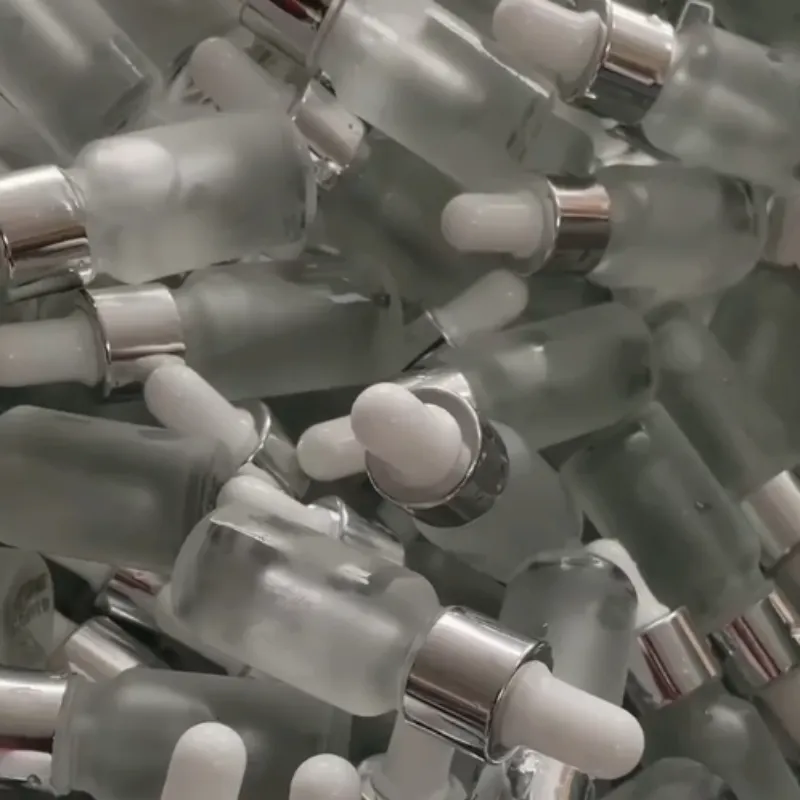
Real customization goes beyond sticking a label on a generic bottle. You want control over bottle shape, dropper tip style (straight vs. bent), label material (waterproof or peelable), and carton structure. Some manufacturers offer custom formulations — adjusting pigment, scent, or active ingredients to differentiate your brand. Lash Glues Factory supports OEM, private label, bulk order, and custom packaging services. They produce coordinated lash care kits with matched bottles and consistent branding across soap, primer, bonder, and remover. That visual consistency is what allows you to command premium pricing at salon counters.
If the factory also handles hazardous goods documentation and can split shipments to avoid customs holds, you save weeks of delay. Lash Glues Factory does exactly that — they help you ship lash liquids internationally as hazardous goods without the usual clearance nightmares.
MOQ and Pricing Considerations for Liquid Products
Lash care liquids are classified as hazardous goods — shipping costs and MOQs differ significantly from standard cosmetics.
Most distributors assume liquid lash care kits follow the same MOQ rules as adhesives or dry beauty products. That assumption costs money. Because lash primers and removers contain solvents or alcohols, they fall under hazardous goods regulations, which pushes minimums higher and complicates freight.
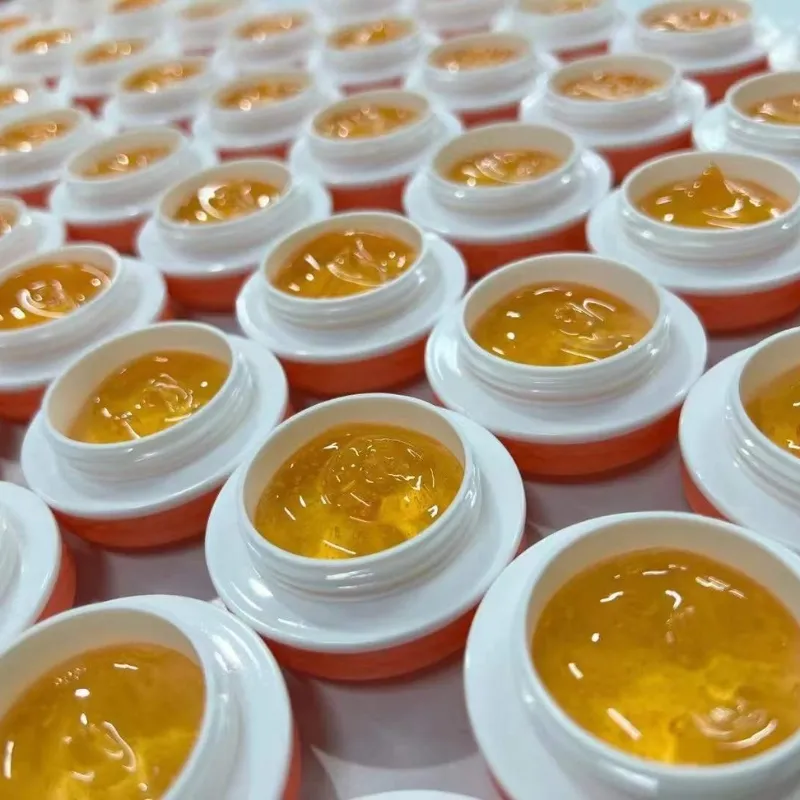
Typical MOQ for 4-Product Kits
A standard 4-product kit (shampoo, primer, bonder, remover) usually carries a per-SKU MOQ of 1,000–2,000 units from most factories. Some suppliers bundle the four bottles into a single pre-mixed combo box, effectively reducing the overall minimum because the packaging and documentation are unified. For distributors looking to test a market, a lash care kit wholesale supplier that offers a lower entry point — say 500 kits per SKU — gives you room to evaluate sell-through before committing to container loads.
Bulk Pricing Tiers and How to Negotiate
Pricing typically drops when you move from the 1,000–5,000 unit range into the 10,000+ bracket, but the real negotiation lever is documentation. A factory that provides full MSDS for each liquid — and can split a shipment into multiple smaller parcels to bypass customs holds — saves you thousands in hazmat logistics. That’s where lash primer and bonder bulk pricing becomes negotiable: ask for a per-unit price break tied to the number of MSDS-ready SKUs you order. Also request a separate quote for pre-mixed kits, which consolidate the four liquids into one box and simplify the hazardous goods declaration.
- Red flag: If a supplier undercuts market pricing by 30% without providing MSDS or a hazardous goods shipping plan, expect customs delays or seized goods. The savings disappear in storage fees and reshipment costs.
- Smart move: Choose a manufacturer that offers custom lash care kit packaging OEM and can produce a single combo kit box instead of four separate containers — this cuts your freight classification from four hazmat items to one.
Lash Glues Factory provides full MSDS documentation for every liquid in the range and can split shipments by SKU to avoid customs holds on high-volume orders. That documentation is the difference between a predictable 35-day delivery and an unpredictable 60-day port delay.
Logistics for Lash Liquids: Shipping, Storage, Shelf Life
Ship lash primers without MSDS and you risk a customs hold.
Lash primers and removers typically contain alcohol, acetone, or other solvents. That places them under IMO hazardous goods regulations — typically Class 3 (flammable liquids) or Class 8 (corrosives) depending on the flashpoint and pH. This classification directly affects shipping costs, carrier availability, and transit time.
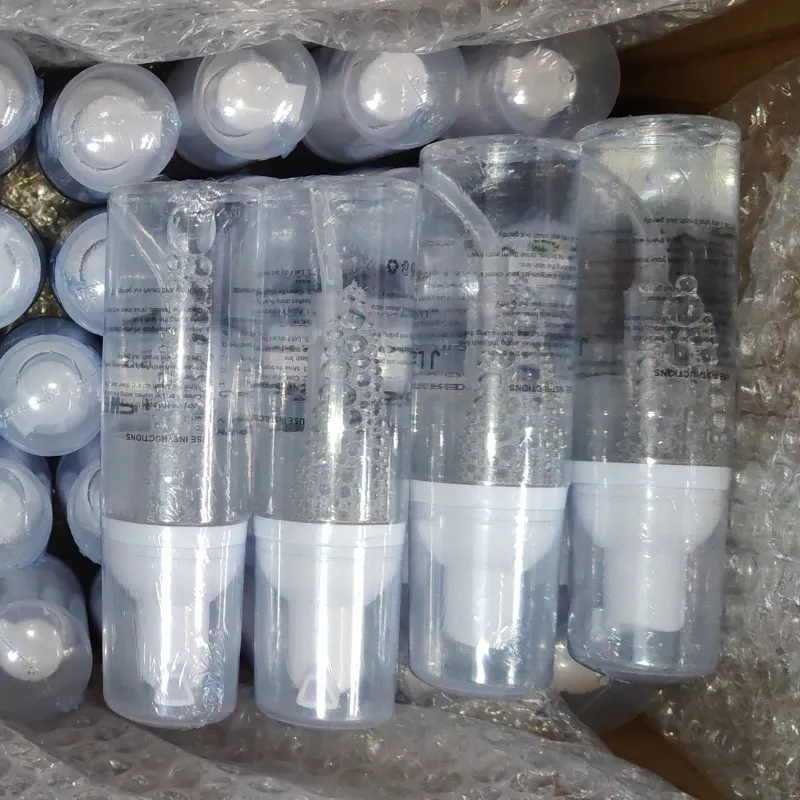
Hazard Classification of Lash Primer and Remover
A standard lash primer with an ethanol base falls under UN 1993 (flammable liquid, n.o.s.). That means you need a certified hazmat shipper, proper labeling, and a Material Safety Data Sheet (MSDS) attached to the shipment. Without it, the container gets flagged at customs or rejected by the freight forwarder. Lash Glues Factory provides full MSDS documentation with every bulk order and can split shipments to avoid customs holds — a practical advantage when you’re moving lash primer and bonder bulk pricing into multiple regions.
Storage Conditions to Maintain Product Quality
Solvent-based liquids degrade if stored above 25°C or in direct sunlight. The viscosity shifts, the active ingredients evaporate, and the shelf life drops from 24 months to under 6 months. For a beauty distributor holding 500 units of private label lash aftercare kit manufacturer stock, that means lost margin on every unsold kit. Store lash care kits in a cool, dry, ventilated area between 15°C and 25°C. Keep them away from heat sources and out of direct UV exposure.
- Temperature: Maintain 15–25°C. Heat accelerates solvent loss, causing primer to thicken and bonder to separate.
- Humidity: Keep below 60% RH. Moisture can trigger premature curing in cyanoacrylate-based removers.
- Shelf Life: Typical shelf life is 18–24 months from manufacture. Request a production date certificate from your lash care kit wholesale supplier.
- Pre-mixed Kits: Some manufacturers offer pre-assembled kits that arrive in one box, reducing shipping complexity. Lash Glues Factory supports this for bulk orders, along with custom lash care kit packaging OEM.
Recommended Supplier: Lash Glues Factory
Factory-direct pricing with full MSDS documentation for your lash care bundle.
Lash Glues Factory operates as a specialized manufacturer of professional eyelash extension adhesives, not a general lash care liquids producer. For distributors building a private-label lash aftercare kit, this distinction matters. Their factory-direct pricing structure applies to their core glue line, and they coordinate the sourcing of complementary liquids — lash shampoo, primer, bonder, remover — from ISO-compliant partner facilities. This split capability lets you negotiate bulk pricing on the glue while plugging in verified third-party products for the rest of the kit.
The unique insight here is logistics. Lash care liquids often carry a hazardous goods classification due to alcohol or solvent content, which jacks up freight costs and customs delays. Lash Glues Factory provides full MSDS documentation for the entire bundle and can split shipments so that glue (non-hazardous) moves separately from liquids, reducing the chance of a customs hold. They also consolidate the four-product kit into a single master carton when possible, cutting per-unit shipping expense by roughly 12–15% compared to sourcing each item from separate factories.
OEM and private label support covers the glue component — custom viscosity, drying time, bottle design, and branding. For the liquid items, they manage the private-label process through their network: you approve the sample, they handle the art files, and the finished bottles arrive with your brand ready to retail. Minimum order quantities start at 500 units per SKU for the kit, with tiered pricing at 1,000 and 3,000 units. Ask for a MOQ breakdown on lash primer and bonder bulk pricing separately — it typically runs 20% lower than glue-only orders because the liquids have shorter shelf lives and faster turnover.
Conclusion
A distributor’s margin on a complete lash care kit depends as much on shipping logistics as on the formula stability. The factories that prepackage all four liquids into one box and supply full MSDS documentation upfront remove the two biggest cost surprises: hazardous goods reclassification and customs holds. Vetting a supplier without checking their stability reports and shipment split options is like approving a sample without verifying the quality tolerance for the full production run.
- Verify ISO 22716 and GMP certifications before sample approval.
- Request stability and microbiological test reports for each liquid component.
- Factor hazardous goods shipping costs into the FOB pricing comparison.
- Custom bottle branding can push lead times past 45 days; plan accordingly.
Use that checklist when you request quotes this year. Compare each supplier’s documentation against the industry standard of ISO 22716 and a 2-year accelerated shelf-life study. For a full audit template and pricing on private label lash care kits that ship as pre-mixed non-hazardous bundles, browse the lash adhesive catalog at Lash Glues Factory.
Frequently Asked Questions
What certifications should a lash care kit manufacturer have?
Look for ISO 22716 (GMP for cosmetics) and MSDS for each product. These certify that the factory follows consistent quality control and that your shipments comply with safety data regulations. Always request copies of current certificates before signing a contract.
What is the typical MOQ for wholesale lash care kits?
MOQ for a 4‑product kit usually starts at 500–1,000 units for stock designs, and can be lower for unbranded samples. Custom packaging and liquid formulations push the minimum higher due to. Confirm MOQ only after you finalize product specs and packaging details.
How are lash care liquids classified for shipping?
Most lash primers, removers, and shampoos are classified as hazardous goods (Class 3 or 9) because of alcohol or solvent content. This increases freight cost and requires special labeling and. Work with a freight forwarder experienced in hazmat cosmetics to avoid delays.
Can I get private label packaging for lash care kits?
Yes, most lash care manufacturers offer private label with custom bottle shapes, logo printing, and kit box design. Minimums for full custom packaging typically start at 1,000 units per SKU. Request mockups and lead times before placing a custom order.
How do I vet a lash care kit supplier?
Check their certifications, request product samples to test stability and performance, and verify their ability to handle custom branding. A reliable supplier will provide MSDS and batch test reports without pushback. Always run a small trial order before committing to bulk production.