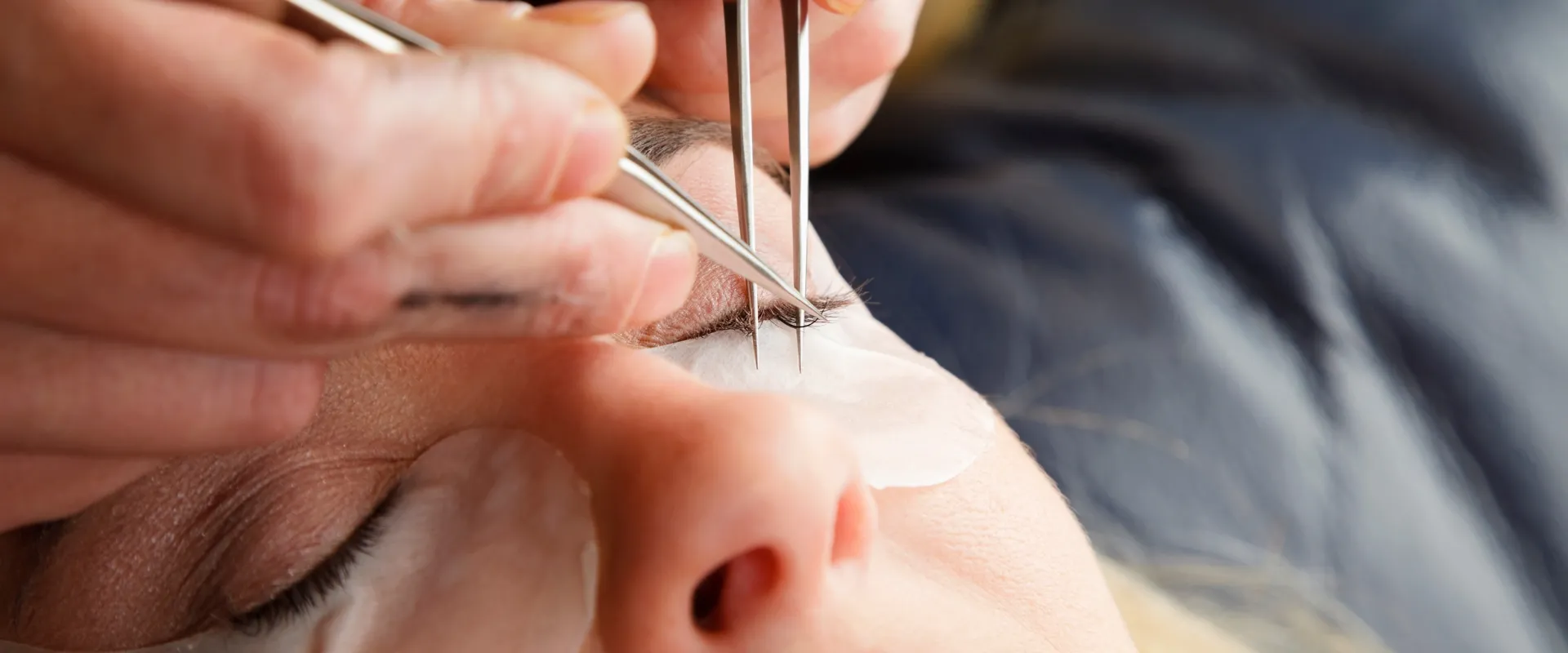


You’ve got a full book of clients tomorrow, and the last thing you need is to spend an extra twenty minutes per set fighting with handmade fans that won’t hold their shape. That’s where easy fan lashes come in—and this easy fan lashes guide cuts through the marketing noise to show you what actually matters when you’re buying them for your kit.
The core difference is simple: these lashes are pre-fanned at the base, so you don’t have to pinch and wiggle multiple strands into a perfect tulip shape. Instead of wrestling with loose 0.07 or 0.05 fibers, you pick up a ready-made fan and place it directly onto the natural lash. For artists who charge by the appointment rather than by the hour, that time saving translates directly into more sets completed—or a lunch break that actually happens.
But here’s what most guides skip: not all easy fans are created equal. The way the fan is constructed—whether it’s crimped, glued, or fused—affects how it behaves with your adhesive and tweezers, and that’s before you even consider diameter options like 0.03 for mega volume work.

What Are Easy Fan Lashes?
Easy fan lashes cut fanning effort by roughly half — most beginners nail consistent fans in 2-3 tries.
Easy fan lashes are a specific category of volume lash extensions designed with a pre-tapered base and a wider, more flexible fanning zone. Unlike traditional handmade fans where the artist pinches a cluster of loose lashes and dips them into adhesive, easy fan lashes come with a built-in flare that opens with significantly less pressure. The result is a consistent fan shape — usually 3D to 6D — that an artist can achieve in one or two gentle squeezes.
The key design difference is in the base thickness and the glue-bond area. A standard 0.07mm volume lash requires the artist to fan the fibers manually, which demands precise finger control and consistent pressure across every fan. Easy fan lashes use a thinner base section — typically 0.03mm to 0.05mm at the tip — that flares open naturally when pinched. This reduces the force needed to create a fan by roughly 50%, which directly translates to less wrist fatigue over a full set.
How They Differ from Premade Fans
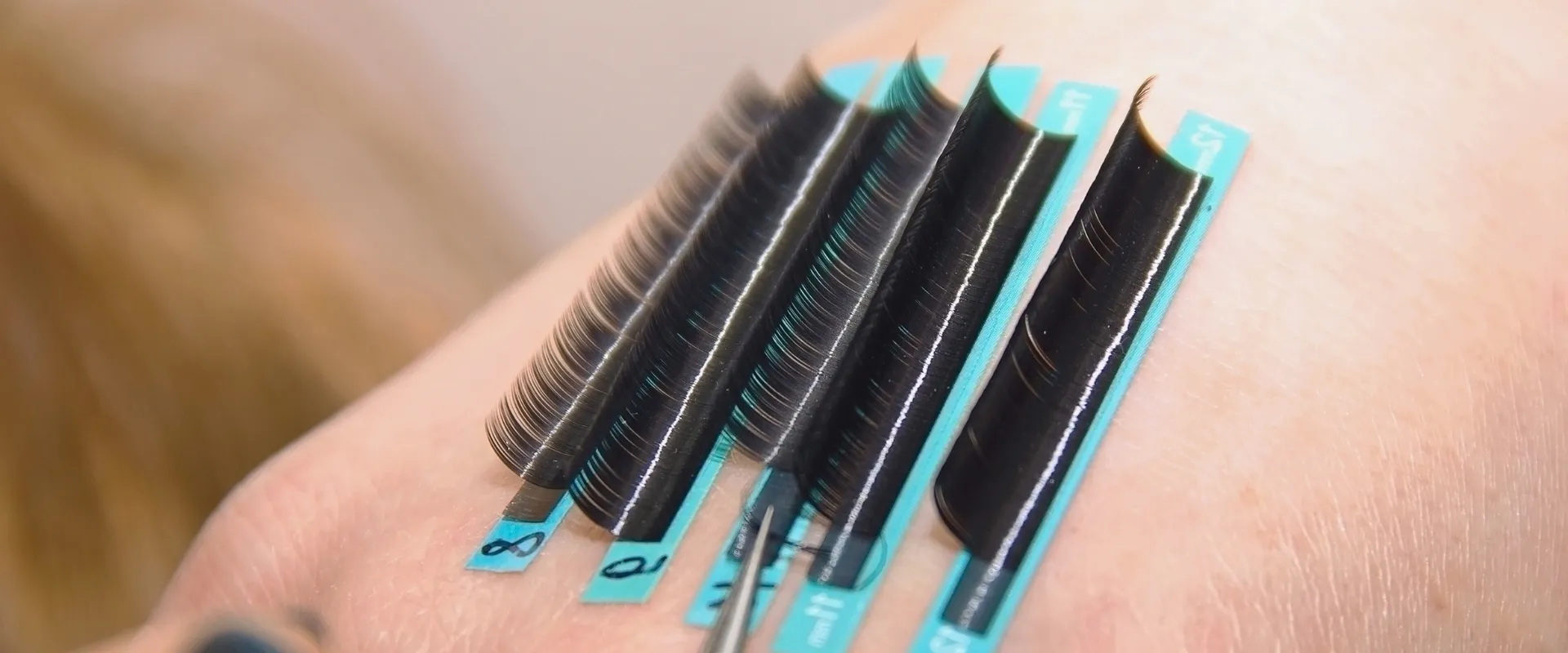
A common point of confusion is the difference between easy fan lashes and premade fans. Premade fans arrive fully formed — the fan is already opened and glued at the base. The artist simply picks one up, dips it, and applies it. Easy fan lashes, by contrast, arrive as a flat strip of lashes that the artist fans open during application. This gives the artist control over the final fan shape and density, while still removing the hardest part of the manual fanning process.
What Makes Them a Smart Choice for Beginners
For a lash artist who is still developing muscle memory, easy fan lashes remove the most frustrating variable: inconsistent fan shape. Instead of spending weeks or months practicing the pinch-and-twist motion, a beginner can produce a uniform volume fan on the first or second try. This means less wasted product, fewer redos, and a faster path to booking volume sets. Most artists who switch to easy fan lashes report that they can complete a full volume set in the same time as a classic set within their first week of use.
Material and Thickness Options
- 0.03mm easy fan lashes: Ultra-fine fibers ideal for mega volume (6D-10D) sets. The thinner diameter allows for more lashes per fan without adding visible weight.
- 0.05mm easy fan lashes: The most common thickness for volume work. Provides a balance between fullness and retention, suitable for 3D-5D fans.
- 0.07mm easy fan lashes: Heavier fibers that create a denser look with fewer lashes per fan. Often used for hybrid sets or clients who want a bolder volume effect.
The material is typically PBT (polybutylene terephthalate) or a PBT-silk blend, both of which hold a curl well and resist humidity. The tapered base design is what separates easy fan lashes from standard volume lashes — look for a manufacturer that specifies the taper ratio and base width in their spec sheet.
How Easy Fan Lashes Work
Easy fan lashes cut fanning effort by roughly half, even for beginners.
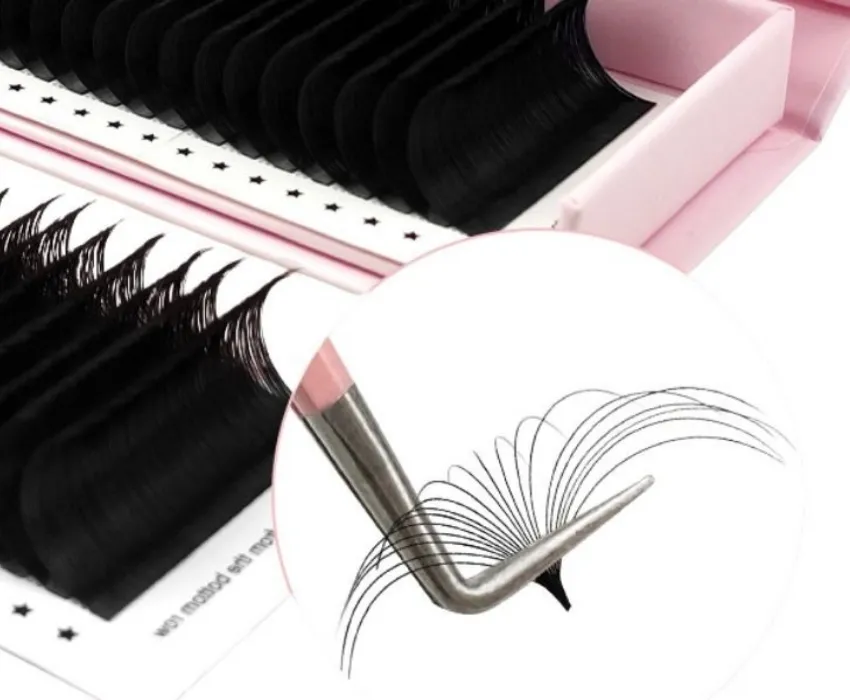
The core difference between easy fan lashes and traditional volume lashes is how the base is constructed. Standard volume lashes have a round, uniform base that requires the artist to apply significant pressure with tweezers to spread the fibers apart. Easy fan lashes use a flattened or tapered base that creates a natural separation point. When you grip the base with your tweezers and apply gentle pressure, the fibers fan out almost automatically — like a pre-scored line that breaks cleanly.
The Fanning Mechanism
The fanning action works because the fibers are bonded only at the very tip of the base, leaving the rest of the stem free to separate. A standard 0.03 easy fan lash for mega volume sets has 4 to 6 fibers per fan. When you squeeze the base with flat tweezers, the unbonded portion of each fiber moves independently, creating a fan shape. The key is pressure control — too much force and the fan splays unevenly, too little and the fibers stay stuck together.
Most beginner artists achieve a consistent fan within 2 to 3 tries. That is a dramatic improvement over handmade fans, which can take weeks of daily practice to master. The reduction in wrist strain is also significant — less repetitive squeezing means less fatigue over a full day of appointments.
Application Process
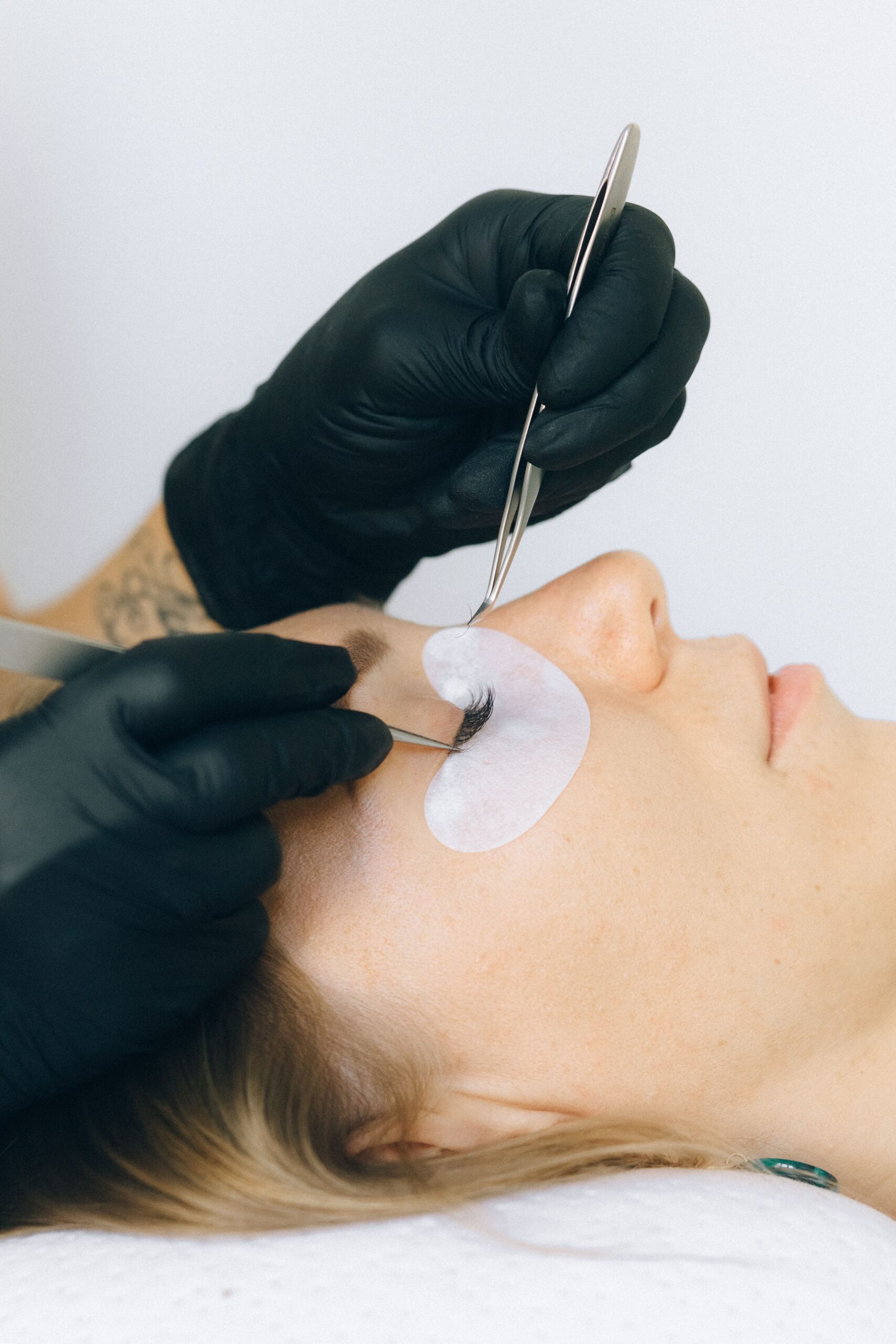
The application process for easy fan lashes follows the same basic steps as standard volume lashes, with one key difference: you skip the fan-building step entirely. Start by selecting a single easy fan lash from the tray using your tweezers. Dip the base into your lash adhesive — about 1mm depth is enough. Too much glue creates a visible bulb at the base; too little and the retention suffers.
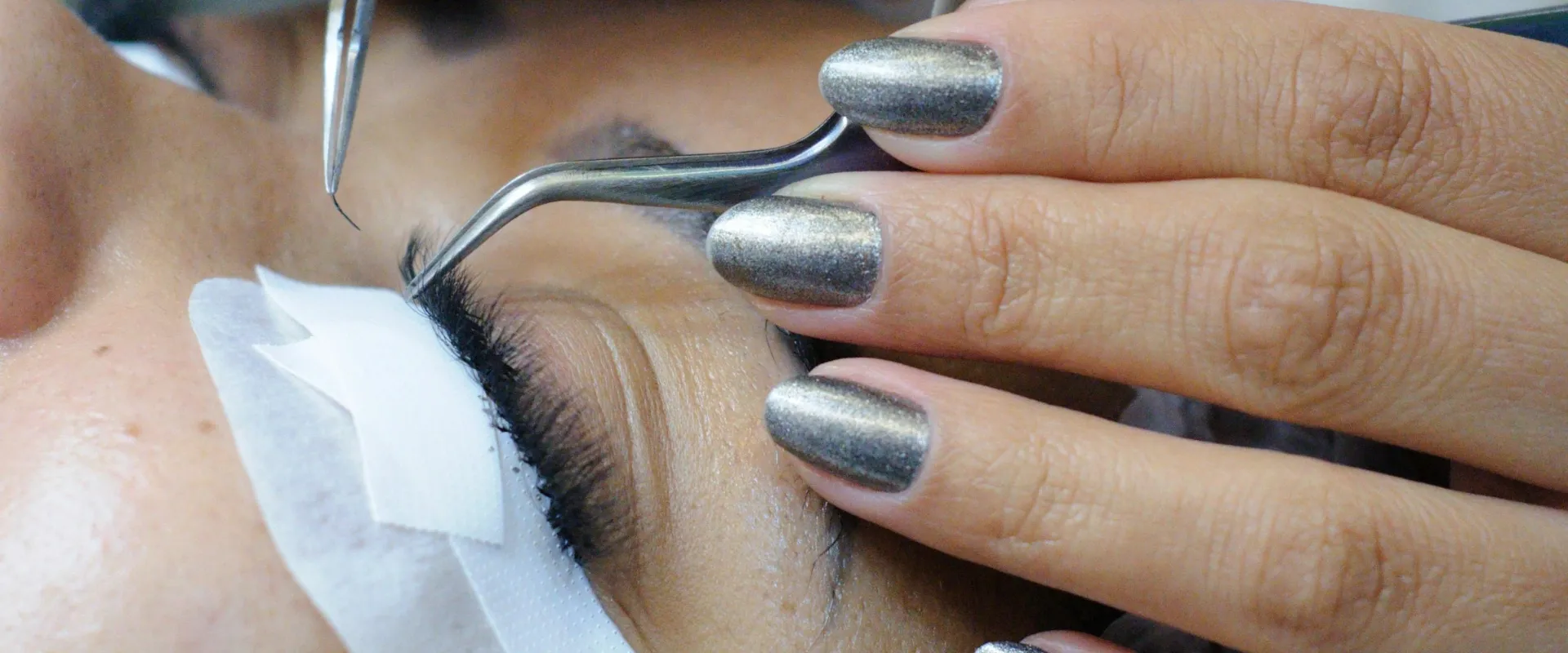
Place the fan onto the natural lash, keeping the fan parallel to the lash line. The flattened base helps the fan sit flush against the natural lash, reducing the risk of twisting or lifting. Hold for 2 to 3 seconds to let the glue set. The result is a full, even volume set in roughly half the time it takes with handmade fans.
For artists transitioning from premade fans, the learning curve is minimal. The main adjustment is learning to control the fan size by varying the pressure — lighter pressure produces a smaller fan, heavier pressure produces a wider fan. This gives you flexibility to mix fan sizes within a single set without switching products.
Benefits for Lash Artists
Easy fan lashes cut fanning time by roughly half on the first try.
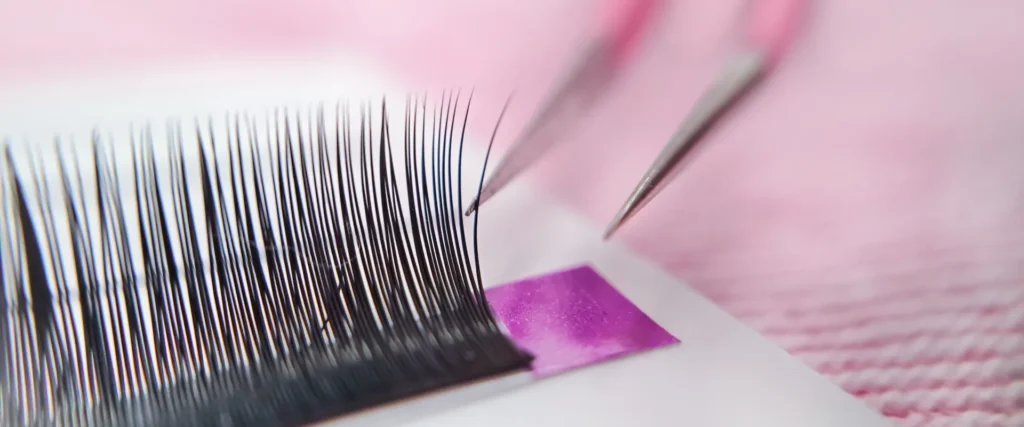
The biggest win for a lash artist switching to easy fan lashes is time. A full volume set that used to take two and a half hours can drop to under 90 minutes once you’re comfortable with the product. That extra hour per set adds up to four or five more clients per week if you schedule right.
Consistency in lash fans
Handmade fans vary from one lash to the next — even experienced artists produce fans that spread unevenly or have a stray lash pointing the wrong way. Easy fan lashes are pre-bonded at the base with a controlled fan width, so every fan you pick up has the same number of lashes and the same spread. That consistency means the finished set looks uniform from the first eye to the last, and the retention rate stays predictable because each fan has the same glue contact surface.

Reduced skill barrier
Traditional volume lashing requires months of practice to build fans that open evenly without collapsing. Easy fan lashes lower that bar significantly. A beginner artist who struggles with fanning can pick up a 0.03 easy fan lash, apply light pressure, and get a usable fan in two or three tries. That means a newer artist can start offering volume sets sooner, without the frustration of wasting half a tray of loose lashes on failed fans.
There is also a physical upside. The reduced fanning pressure — roughly 50% less force compared to handmade fans — puts less strain on the wrist and thumb over a full day of appointments. Artists who have dealt with repetitive strain from pinching fans find that switching to easy fan lashes delays or eliminates that fatigue.
For a lash artist evaluating whether to stock easy fan lashes, the math is straightforward: faster sets, more uniform results, and a lower entry point for volume work. The product does not replace skill — it removes the bottleneck that keeps skilled artists from scaling their books.
Common Myths Debunked
Most durability complaints come from application error, not the lash itself.
A common myth is that easy fan lashes don’t hold up as long as handmade fans. In reality, the retention difference comes down to adhesive choice and isolation technique, not the lash base. A 0.03 easy fan lash with a proper bond holds 4-5 weeks when applied correctly.
Misconceptions About Durability
Some artists believe the pre-fanned base creates a weaker bond because the fan is already spread. That’s not how the physics works. The glue contacts the natural lash at the same point — the fan base is still a single stem. The real failure point is poor isolation or using a glue that’s too thick for fine fans. Most retention issues trace back to application speed, not the product.
Misunderstandings About Natural Look
Another myth: easy fan lashes look too uniform. Handmade fans have slight variation, so some artists assume prefabricated fans look fake. But the uniformity is actually a feature for volume sets — consistent fans mean consistent density across the lash line. The natural look depends on the length and curl selection, not whether the fan was hand-pinched or pre-made. A 0.03 easy fan lash in a mixed-length tray creates a textured, airy finish that’s indistinguishable from a handmade fan to the naked eye.
Quick Start Tips
Beginners achieve consistent fans within 2-3 tries — no more wasted time.
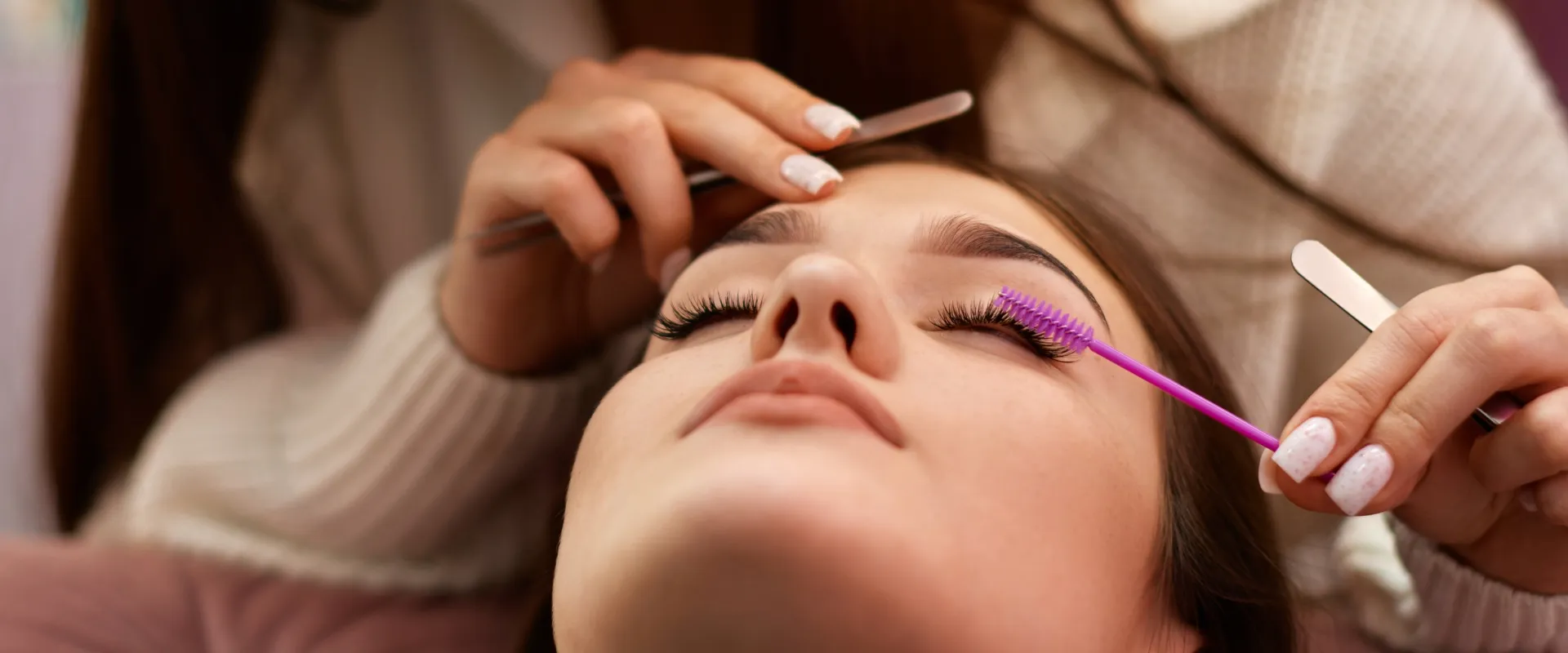
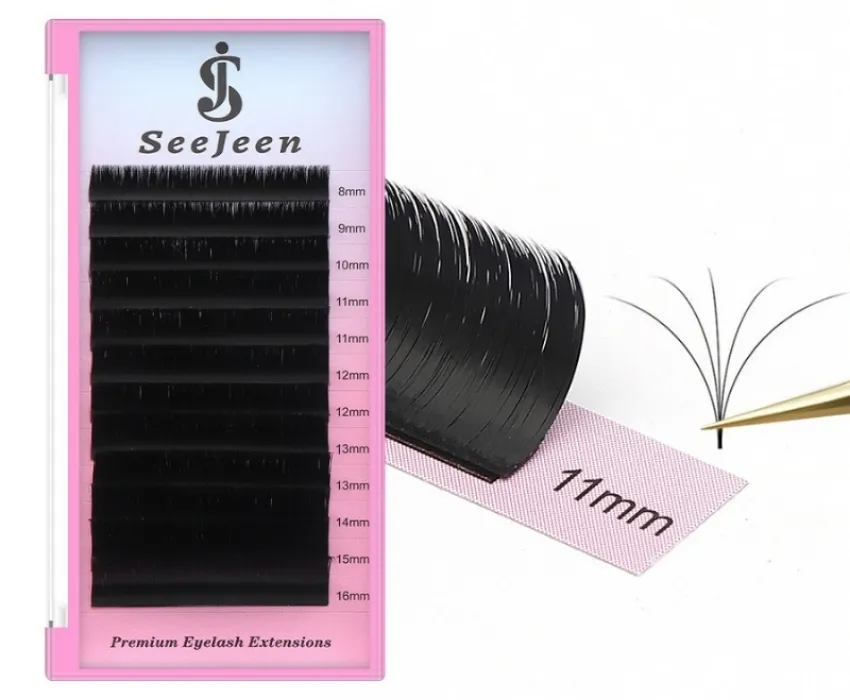
Switching to easy fan lashes doesn’t require a completely new toolkit. The core tools remain the same as standard volume lashing, but the fanning technique changes. You still need your usual adhesive, tweezers, and under-eye pads. The difference is in how you handle the fan.
Essential Tools for Easy Fan Lashes
- Tweezers: Use a pair with a fine, sharp tip. Curved or straight both work, but the tip must grab the fan base cleanly without crushing the flare.
- Adhesive: A medium-viscosity glue works best. Too thin and the fan base floods; too thick and the bond point becomes visible. A 1-2 second drying time is typical for volume fans.
- Jade Stone or Glue Ring: Same as standard lashing. Keep a small, fresh drop every 15-20 minutes to maintain consistent tack.
- Under-Eye Pads or Tape: Standard isolation pads work fine. No special gel pads needed.
Step-by-Step Beginner Guide
Start with a clean, dry lash line. No oils, no residue. Pick up a single easy fan lash from the tray using your dominant hand. Hold the fan base at the glue-free zone — the bonded section is usually 1-2mm from the tip.
Dip the base into the adhesive drop. You need about 1mm of glue coverage. Too much and the fan clumps; too little and the bond fails within a week. Tap off any excess against the ring edge.
Place the fan onto the natural lash, positioning it 0.5-1mm away from the eyelid skin. Press gently for 2-3 seconds. The fan should open naturally as you release — if it doesn’t, your tweezers may be gripping too tightly near the flare point.
Repeat across the eye, spacing each fan about 1-2mm apart. A full set typically uses 40-60 fans per eye, depending on natural lash density. The first few attempts will feel slower than handmade fans, but most artists report matching their speed by the third set.
One common mistake: pressing the fan too hard into the natural lash. This flattens the flare and reduces the volume effect. Let the adhesive do the work. A light touch produces a wider, more uniform fan every time.
Conclusion
The gap between a handmade fan and an easy fan lash isn’t just about technique. It’s about repeatability. A lash artist who can produce a consistent 0.03 fan in under three seconds has a different business model than one who spends 15 seconds per fan and still ends up with uneven spikes. The time saved on a full set of volume lashes — roughly 20 to 30 minutes — adds up to an extra appointment slot per day. That’s a revenue shift, not a skill upgrade.
- Easy fan lashes require 50% less fanning pressure than handmade fans.
- Most beginners achieve consistent fans within 2-3 attempts.
- Switching can reduce wrist strain and speed up full-set application.
- Sample approval is critical before committing to bulk or private label orders.
If you’re a lash artist evaluating whether to stock easy fan lashes for your volume sets, start with a sample tray. Test the fanning action, the curl retention, and the base thickness against your current adhesive. A factory that supports sample approval and can confirm the 0.03 diameter spec before you commit to a bulk order saves you the headache of a tray that doesn’t fan. Review the product specifications on the easy fanning lashes page to compare available diameters and lengths before you place your first wholesale order.
Frequently Asked Questions
What are easy fan lashes?
Easy fan lashes are pre-sectioned lash fans that require minimal effort to open into a full fan, cutting fanning time by roughly half. They are designed for lash artists who want. Expect to nail consistent fans in 2-3 tries as a beginner.
How do easy fan lashes work?
Easy fan lashes have a specially designed base that separates into a fan shape with a simple pinch or tweezer motion, requiring less pressure and precision than traditional fanning. This. They work best with a high-quality adhesive like our fast-drying lash glue.
What are the benefits of easy fan lashes for lash artists?
The main benefits are time savings and consistency, as easy fan lashes cut fanning time by roughly half and produce uniform fans every time. This allows lash artists to serve. They are ideal for artists looking to scale their volume sets efficiently.
Are easy fan lashes better than handmade fans?
Easy fan lashes are not necessarily better, but they are faster and more consistent for artists who struggle with handmade fanning. Handmade fans offer more customization in volume and length, while. Choose based on whether you value speed or full creative control.
Can beginners use easy fan lashes?
Yes, beginners can use easy fan lashes successfully, as they require less skill and practice to create a full fan. Most beginners achieve consistent results within 2-3 attempts, making them a great. Pair them with a sensitive formula glue for new clients.