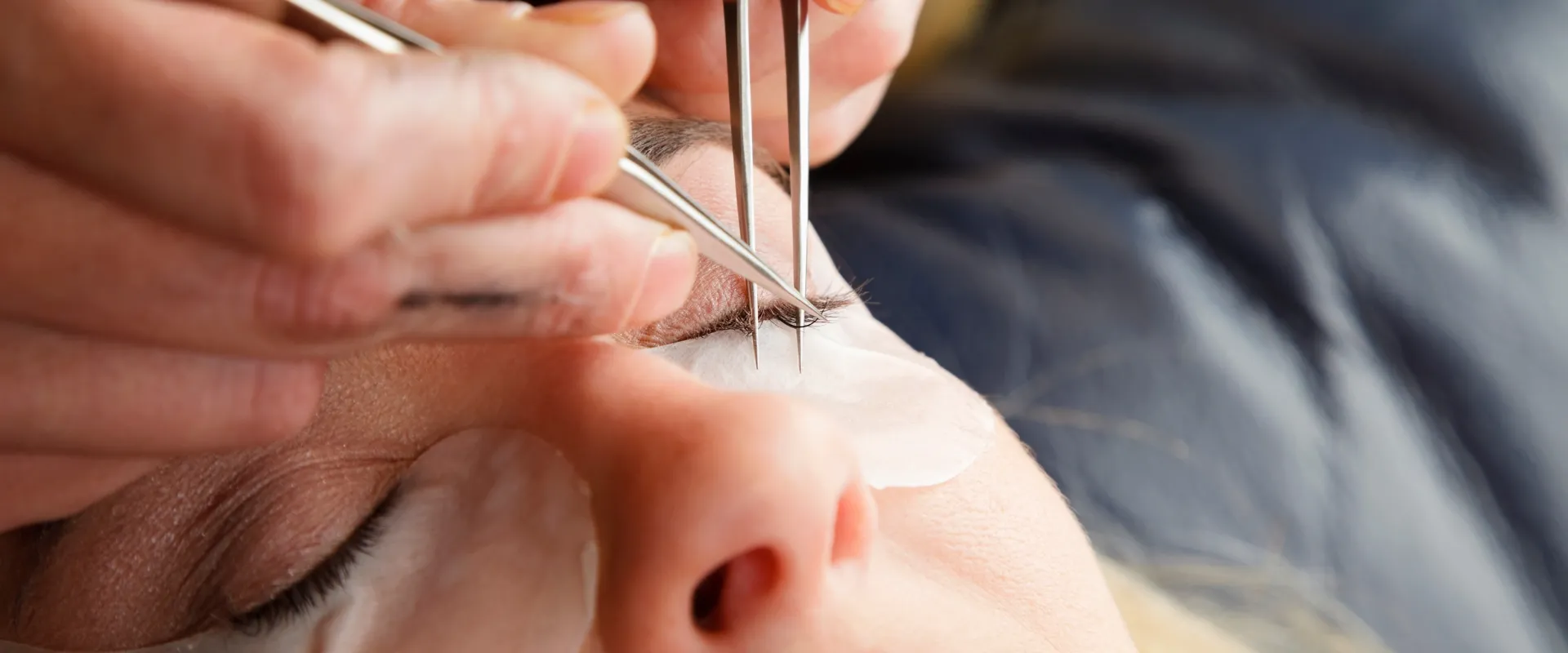


Sample testing earns its place because bulk orders fail quietly. A glue can pour off the bench in a clean, glossy bead, ship without a wrinkle, and still fall apart on real lashes after three weeks. The sample stage exists to convert that unknown into a number. A short, structured sample round, commonly run in three to five days before anything scales, answers one question with evidence: does this formula behave the same way at volume as it did in your hands? This guide covers what to test, what each result means, and how to turn the samples you receive into a comparison you can trust before you commit units.
The Failure Mode Samples Exist to Catch
Every distributor who skipped a proper sample test has a version of the same story: the approved pre-production sample was flawless, the bulk container arrived, and three weeks later the salons started reporting stringiness, early shedding, or a smell the sample never had. The lab reading was clean, the spec matched, the factory said the same recipe; and the problem lived somewhere between the sample and the shipping container.
The gap usually has two shapes. First, formula drift: viscosity changes across production runs if raw material sourcing or compounding isn’t locked down, and a single point move in a stabilizer can turn a reliable glue into a return problem. The factory’s own account of a $50K private label order that passed pre-production and failed after landing is the cautionary example. Second, environment drift: a bottle approved in a dry office behaves differently in a humid salon, and the sample round is your only chance to see the product in both places before you own forty boxes of it.
Both shapes share one cure. Write down what the sample did under stated conditions, and check every future batch against that written record instead of against memory.
The Seven-Day Kit: What to Test Before Anything Else
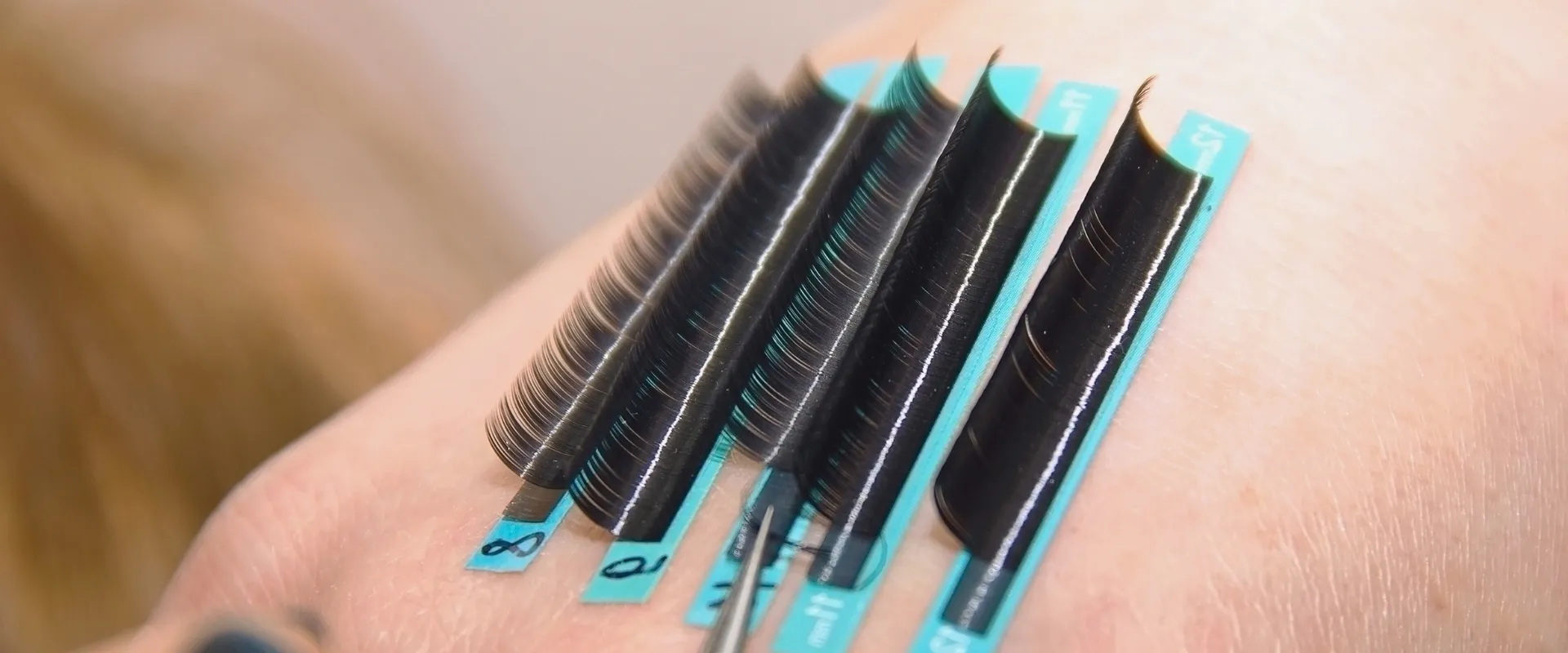
A proper sample kit is not one bottle. The factory’s guidance to buyers asks for the full picture: samples across at least three drying speeds (fast at 0.5–1 second, medium at 1–2 seconds, sensitive at 2–3 seconds), and both clear and black colors, because viscosity and fanning behavior differ between them and a quality check should compare them side by side. That is the kit; here is what to do with it.
- Identity and paperwork on arrival. The batch code on the bottle should match the batch code on the SDS and the code on the documents that will accompany your bulk order. An unbatched sample is a sample you cannot trust later, because there is nothing to tie the bulk bottle to.
- The three-point storage check. Our own buyer checklist asks exactly this: does the bottle show no visible separation or thickening after seven days of storage in a drawer at your warehouse temperature; does a retained drop still form a clean bead on day seven; and does the glue hold retention in a controlled test over 21 days. The seven-day and 21-day marks are not arbitrary patience; they are where shipping heat and old stock show their work.
- The drop-behavior log. Place drops on the same stone, in the same room, at the same humidity, and record three things for each formula: when the glossy skin first forms, when the drop goes stringy, when it hardens. The factory’s own chemistry article lays out the three visible stages, and your sample round should produce your numbers, in your room, before you buy anything.
Test in the Conditions Where the Glue Will Actually Work
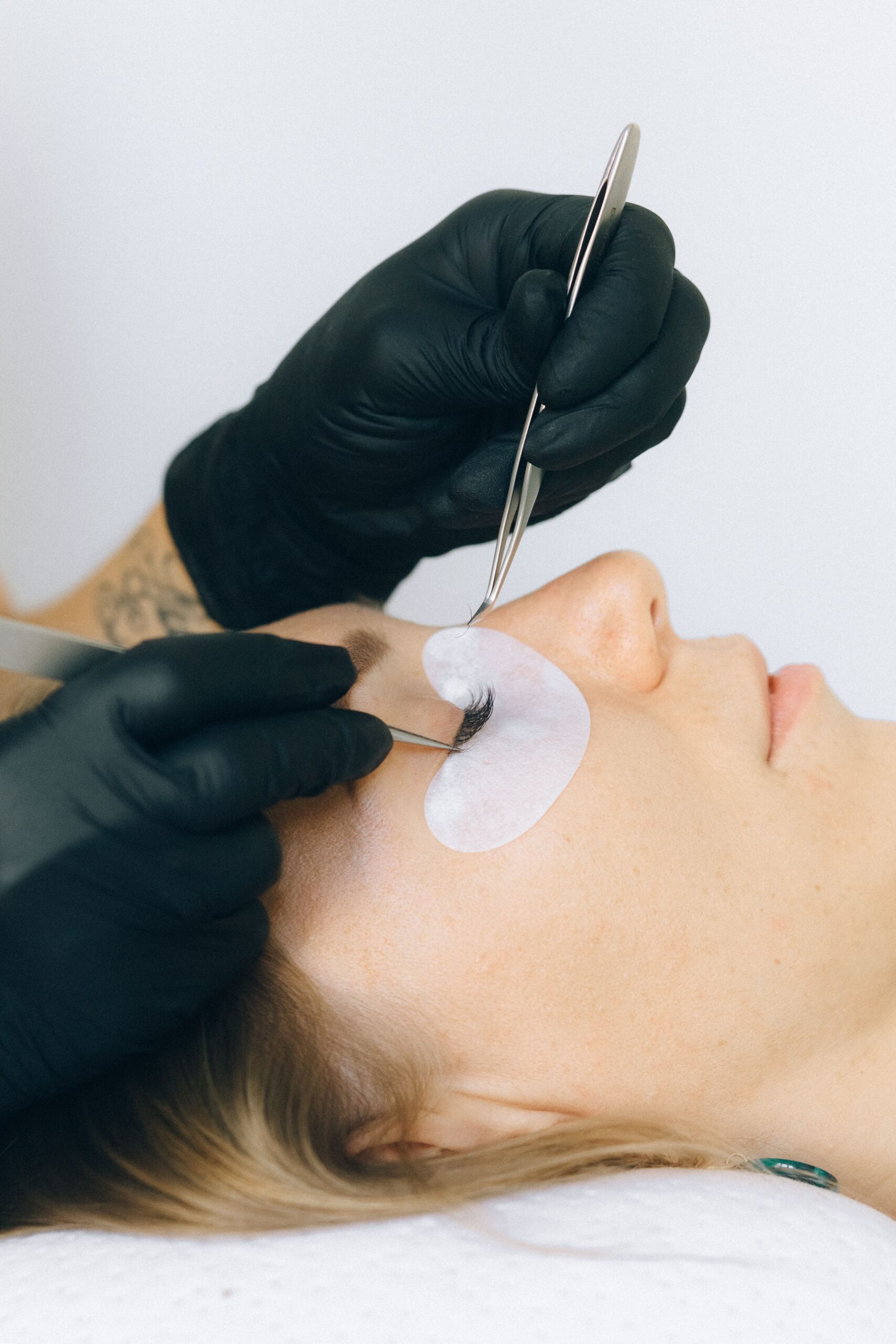
The trap in sample testing is the mannequin head. It removes exactly the variables that make glue fail: human moisture from breath, tears and serum at the lash line, seasonal humidity swings, and the long working days where a drop sits open for an hour. A fast formula that behaves beautifully on a stand can deliver excessive fume or sting on a live client; the factory’s own sample testing write-up states this plainly.
So build the condition list first, then test against it:
- Humidity range. If your market spans seasons, test at least one session per side of the formula’s rated window; the professional formula publishes 45–65% RH for a reason, and the drop-behavior log above is what shows you how it behaves at the edges.
- Skill level. If your salons include learners, put the formula in a learner’s hands. A glue sold as intermediate and a glue that behaves like one on a nervous first week are different products.
- Client type. Sensitive-eye clients are the test you cannot skip. Watch for reaction patterns over a full retention cycle, not just the first day; a formula’s real complaint profile is what your salon’s phone calls will report. Because eyelash adhesives are eye-area products, expect any sample claim about gentleness to survive comparison against the safety information the FDA’s eye-area cosmetic safety guidance describes for this category; a supplier’s own sensitivity story that contradicts its Section 2 hazard statements is a document mismatch you found early.
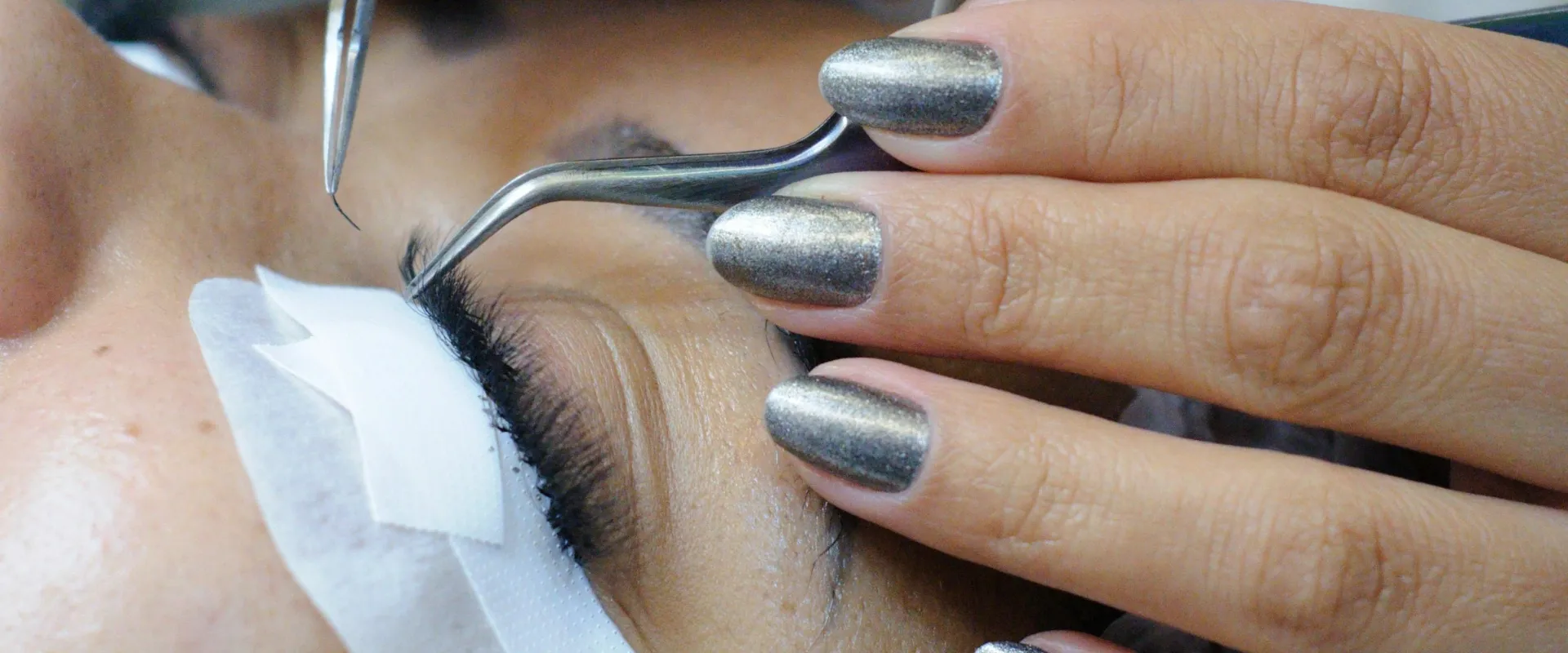
- Application method. Volume sets, classics, strip, and cluster formats load the bond differently; the factory’s retention notes show traditional cyanoacrylate and UV chemistry diverge under fan bulk, so test the format your salons actually sell.
Score the Samples Side by Side
Three suppliers is the honest minimum: one bottle from each on the same day, same room, same drop protocol, blind-labeled so you judge behavior instead of packaging. Testing one supplier at a time invites memory to grade for you; the side-by-side is what keeps the grading honest. Score each formula on five fixed axes, and keep the sheet.
- Drop life: time from glossy skin to stringy to dead.
- Working window: does the stated cure speed match your placement pace?
- Bond feel: clean release from the tweezers, or webbing.
- Storage week: separation, thickening, crusting at the nozzle.
- Client report: fume complaints, sting, first-week shedding.
Write one sentence per formula per axis. The point of writing is that “feels fast” is an opinion that changes per week; a log is a fact that survives a supplier switch. Our guide to what a sample kit should include covers the kit contents and the three-point checklist in full, and how to test lash glue samples gives the artist-side step routine for the live-client leg.
From Winning Sample to First Real Order
When one formula wins, do the last thing most buyers skip: keep the winner’s paperwork with its bottle. Store a retained sample of the approved batch sealed and cool (the receiving and shelf routine in our storage guide applies), and log the specification the factory agrees to: the cure-speed tier, the rated humidity window, and the per-batch documents that should travel with production. The acceptance clause structure for those numbers is in the viscosity acceptance criteria guide.
Then start small on purpose. The factory’s wholesale entry sits at 30 units, and a small real order is what tests the last untested link in your chain: packaging, shipping, and the receiving routine. If a first run arrives matching your retained bottle, scale; if anything drifts, you have a small lot to fix and a batch code to trace.
Frequently Asked Questions
How long is a real sample test?
Three to five days of active testing plus a seven-day storage check covers the failure modes that matter before volume. Retention confirmation takes longer, up to a full client cycle, which is why the drop and storage tests come first: they catch drift before you invest in the client-side time.
One sample is enough if the supplier is cheap?
The cost of an untested bulk bottle dwarfs the cost of the sample kit. A representative sample run costs roughly a twenty-dollar equivalent for most manufacturers, and the factory’s own math prices an untested bulk failure at thousands of dollars in lost service revenue per bad batch.
Can I judge a glue by its cure speed claim alone?
No, and the claim can mislead on purpose: a 0.3-second glue in a slow artist’s hands behaves like a defect. Cure speed is the working window, not quality, and the condition list above is what turns a number into a fit.
What if my test room and my salons’ rooms are different?
Test at the extremes of your range, not your average. Glue failures concentrate at the edges of a formula’s rated humidity window, so the useful sample data is the number at your worst month and your best month.
The Bottom Line
Sample testing is not a ritual that precedes buying; it is where the product’s behavior becomes written down before your money turns into inventory. Three to five days of structured testing, a seven-day storage check, a live-client week at the edges of the formula’s window, and the winning bottle’s paperwork kept with its batch code: do those five things and a production run stops being a bet. Start with the sample and specification route if you are still building the kit itself, and log everything.