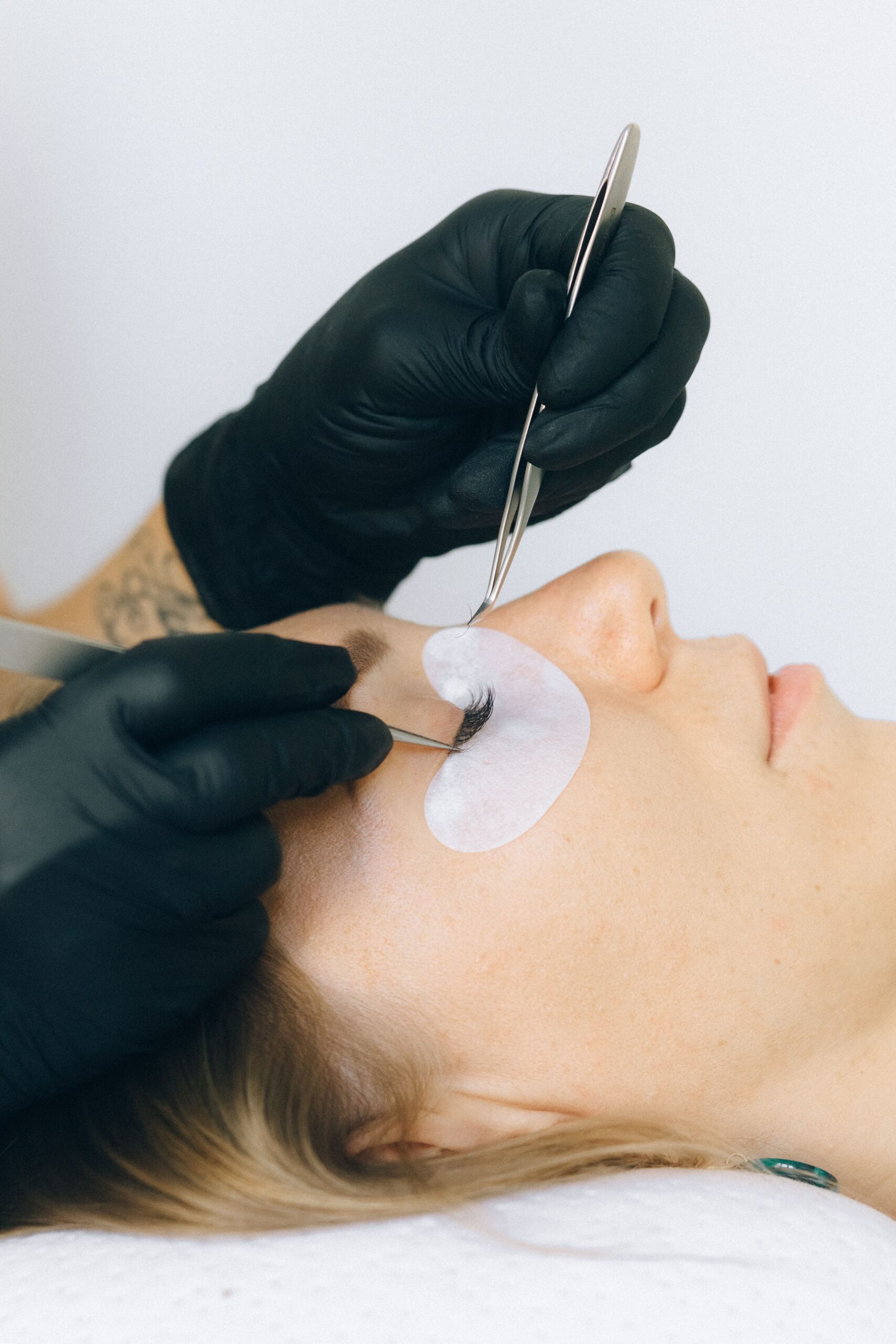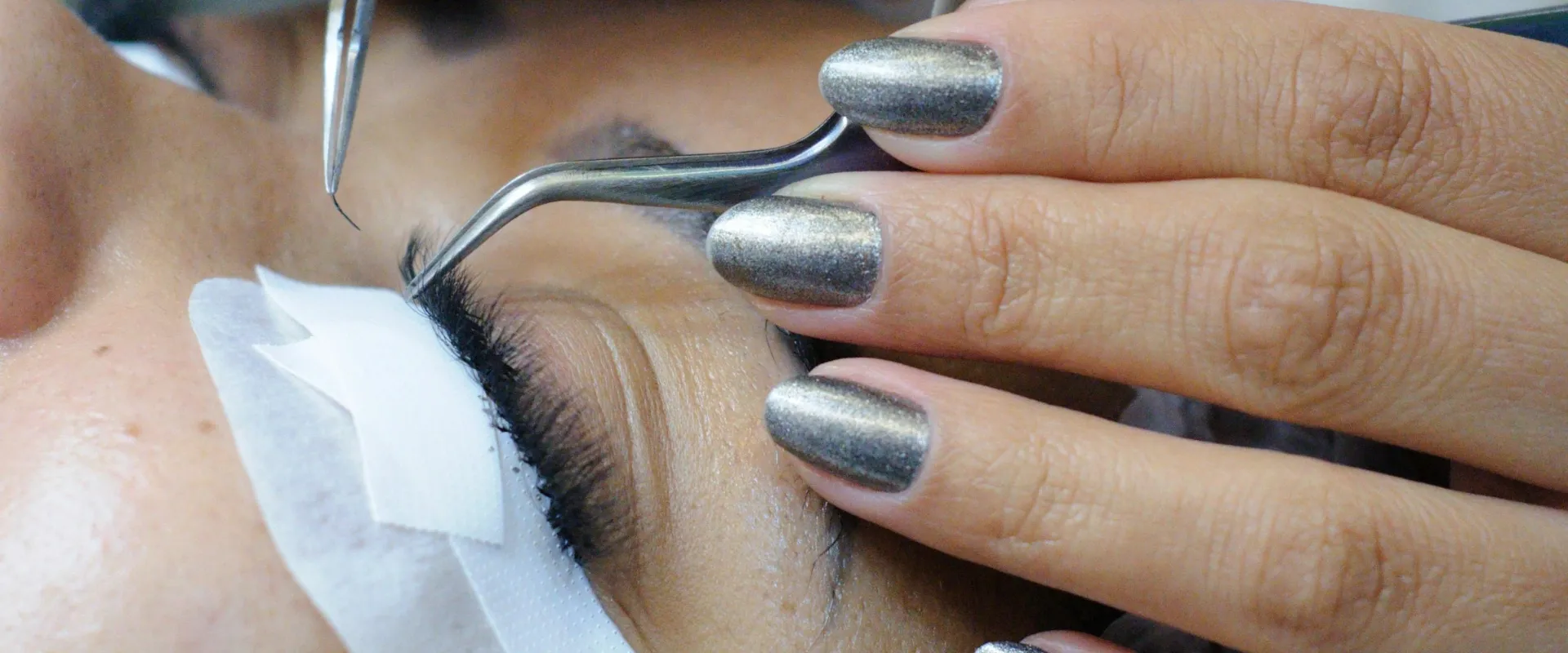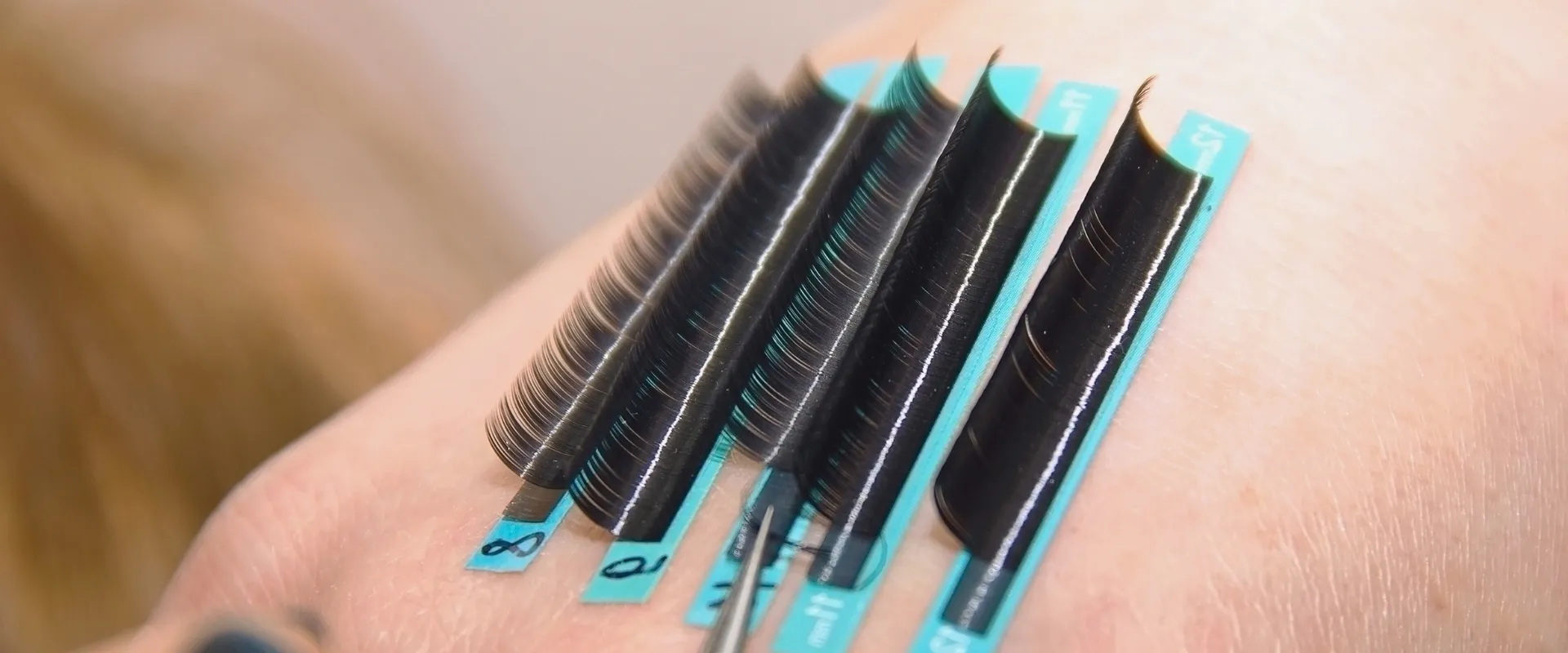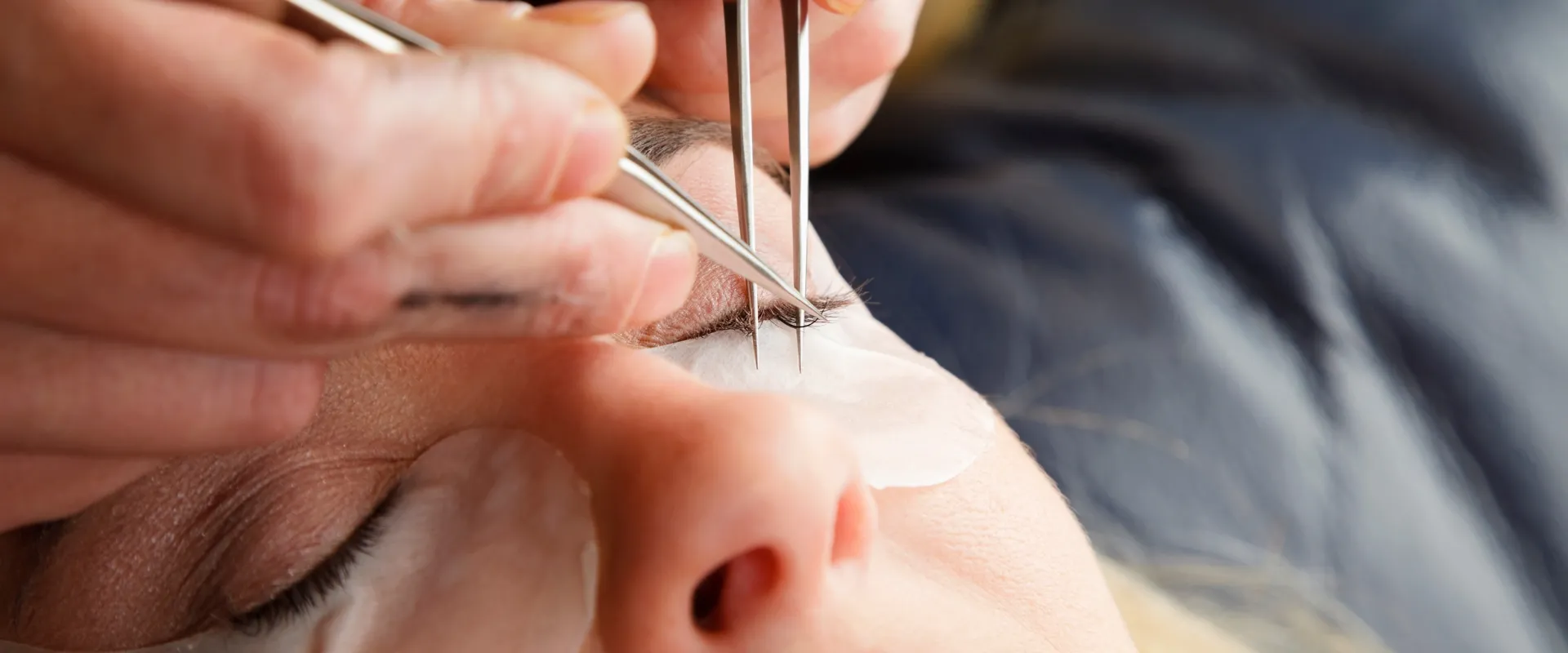


When a salon reports that a client’s extensions shed within days and asks for a refund, the instinct is to defend the formula or replace the stock. Both reactions lose. What settles the conversation is a file: batch-level records that show the glue you shipped met a written spec, plus a short list of application-side questions that separates a product failure from a service-condition problem. You were not there for the appointment, but you can still prove the bottle that reached the chair was sound, traceable, and stored correctly. Here is the evidence chain a lash glue distributor should keep, what to ask for when a complaint lands, and the order in which to ask.
Why “The Glue Is Bad” Is a Hypothesis, Not a Fact
Retention is a joint result. The bond forms between extension, natural lash, adhesive, and room; it then survives the client’s aftercare, oil exposure, and the natural lash growth cycle. Published professional formulas carry stated ranges rather than magic: this factory’s professional adhesive lists 7-8 weeks retention with a rated humidity range of 45-65% RH, and its beginner grades trade speed for margin of error. A glue that holds four hundred sets and fails one client’s set is usually reporting on the service, not the chemistry.
The distributor sits in the middle of that argument, holding the product but not the tweezers. Which means your side of the answer has to be documentary. Four documents carry most of the weight.
The Four Records That Settle Most Disputes
1. The batch code chain
Every bottle should tie back to a lot without an email archaeology dig. The code printed on the bottle maps to a production batch, which maps to that batch’s test records and shipping documents. This is also why you should settle code placement early: a code that lives only on the outer carton dies the moment the bottle ships to a salon, and by the time a complaint returns the unit and its history are separated. If you need the naming and printing rules, they are covered in our guide to private label SDS and label consistency.
2. The batch test record
Ask the factory, in advance, that each lot ships with a per-batch record: the viscosity reading taken under a named method and conditions, plus the specification it was checked against. This factory tests with a rotational viscometer at 25°C before shipment; your specification should name that method and its acceptance range so the reading is comparable to your approved sample. The clause structure, including why a single number with no method is worthless, is set out in our viscosity acceptance criteria guide.
3. The retained sample
A sealed retention sample of each batch is the single most under-used document in a glue dispute. When a complaint alleges “this lot is wrong,” the answer is a side-by-side test: open the retained bottle and a fresh approved reference under identical conditions, same stone, same room, same clock. Behavior that matches means the lot is in spec; behavior that differs is a real finding, with evidence, that the factory has to answer. Keep one retained bottle of every lot you sell, stored as you expect your customers to store it.
4. The written specification itself
Without a spec there is no dispute, only disagreement. The spec defines what conformance means for your product: viscosity window, set-time tier, appearance, and the documentation a lot must arrive with. If you are still negotiating what belongs in the agreement, the sample kit and testing protocol guide covers the paperwork that should travel with every order.
What Each Document Cannot Do
Say it plainly so nobody over-sells the file: batch records prove the product left you in specification. They cannot prove how a single set was applied, how the client slept, or what the salon’s hygrometer said that week. That is not a weakness; it is the division of labor that ends these conversations. Your records carry the product side. The service side comes from the salon, and it is reasonable to ask for it.
The Application Side: What to Ask the Salon to Show
Before any credit decision, request the six facts that separate a product story from a service story:
- Room reading at the table. A hygrometer reading taken at the service position, not a memory of whether it felt muggy. Humidity outside the formula’s window is the most common cause of seasonal retention collapse, and our climate-matching guide explains the mechanism.
- Drop discipline. How often the working drop was replaced during the set. A drop past its working stage is a bond that starts compromised; the visible stages are documented in why lash glue gets thick.
- Prep record. Primer use, cleanser residue, lash moisture at placement.
- Isolation and weight notes. Fan size versus natural lash capacity for that client.
- Client pattern. Oil-based products, rubbing, mechanical wear, and the growth cycle of the natural lashes that shed.
- The actual unit. The empty bottle or the remaining drop, photographed with its batch code legible.
Framing matters. These are not an interrogation; they are the salon’s side of the same file that carries your batch records, and asking for them in writing makes both parties more credible when a real product issue ever needs escalation. One more record earns its place for the rare serious case: a dated adverse-reaction note that ties the client’s experience to the batch code, filed with the complaint. Our ingredients and safety guide covers what a formula-level incident usually points at.

Triage: Reading the Pattern of a Complaint
Once both sides of the file exist, most complaints sort into three lanes:
One client, one set, everything else fine. The lot sold hundreds of times; the outlier is service or aftercare. The records let you close the conversation with data instead of a free refill, and the retained sample stays sealed.
Several salons, same lot code. This is a product question now. Run the retained-sample comparison, collect the batch test record, and put the codes on the table with the factory. A documented deviation is not an embarrassment; it is the difference between a contained replacement and a spread across channels while you research.
Every salon, seasonal timing. The pattern is the calendar, not the chemistry. Humidity crossed the formula’s window and the line behaved as designed at the edge. That is a product-portfolio decision: the climate-matching guide above is the playbook, and the fix is stock and education, not replacement stock.
Turning One Complaint Into a Tighter Spec
The cheapest outcome of a settled dispute is an update to your paper. If the argument hinged on a nozzle-seal complaint, add a storage line to the product insert. If the salon could not tell you the room reading, make the intake sheet part of your wholesale onboarding. If the batch record was missing, make it a condition of the next order. Each revision converts one hard conversation into a standing rule, and rules are what a private label program needs to grow past the founding clients.
Frequently Asked Questions
What if the salon refuses to share application details?
You can still complete your half: the code, the batch record, the retained-sample comparison. Then make the intake sheet a condition of continued supply. A salon that will not document its own service is building a refund dependency, and your records are the boundary.
How long do we keep complaint files?
At least through the shelf life of the lot plus a claims window after your last sale of that code. Align your retention with how long your retained samples last, because a file whose reference bottle has itself aged is half an answer.
What if the test proves the batch really was off?
That is good news wearing bad clothes. You have a defined lot, a date, and a channel list. Replace, quarantine, and document; the same test record that proved conformance now proves the deviation, and the conversation with the factory is about cause and prevention rather than doubt.
Do batch records help us at all with clients who just want free work?
Yes, because they change the default. Once complaints route through a documented triage, the opening position stops being “refund” and becomes “let’s look at the file,” which is where most bad-faith claims quietly end.
The Bottom Line
Settle retention complaints with a two-sided file: your batch code chain, test record, retained sample, and written spec against the salon’s room reading, drop discipline, and service facts. That structure ends most disputes on the first pass, contains the rare real one before it spreads, and leaves you with a specification that improves with every complaint. Build the file before the first bottle ships, and the argument never has to be about your honesty. Keep one more habit for the genuinely adverse cases: any consumer or professional injury report worth taking seriously gets recorded with the same batch code, because under the modern US cosmetic rules a responsible person must keep serious adverse-event records for the products it markets; the FDA’s cosmetics program pages summarize those obligations. If you are setting the records up now, start from the sample and documentation kit and make every lot you sell carry its own paper trail.