

The most common advice for lash glue packaging for retail is to focus on aesthetics first — pick a clean bottle, a nice color palette, and a logo that pops. That advice costs distributors real money when the shipment lands at a retailer’s receiving dock and gets rejected because the warning label font is too small or the child-resistant closure test failed. A $50K order of private label lash glue packaging doesn’t get held up by bad design. It gets held up by missing regulatory text.
I’ve watched beauty distributors lose entire retail slots because they submitted a sample approval with the wrong hazard pictogram for the EU market. The FDA requires a specific warning statement — ‘Keep out of reach of children. Cyanoacrylate. Danger. Bonds skin and eyes in seconds.’ — verbatim on the label. Miss that, and your batch sits in customs while your competitor’s product hits the shelf. The real work in lash glue packaging for retail isn’t choosing between matte and gloss finish on the carton. It’s mapping every regulatory requirement before you approve the first artwork proof.
If you skip this step, here is what happens: You finalize FOB pricing, ship 10,000 units to a Canadian distributor, and discover that bilingual labels (English/French) are mandatory at point of sale — not optional. The re-labeling cost eats your margin, and the two-week delay pushes your launch past peak season. That’s not theory. That’s what happens when compliance gets treated as an afterthought instead of a line item in the packaging spec sheet.

Why Packaging Matters for Lash Glue Brands
Packaging isn’t just a box — it’s your first defense against regulatory rejection.
First impression and shelf appeal
A lash artist picking a glue from a retail shelf makes a snap judgment in under 3 seconds. The bottle design, label clarity, and overall finish communicate professionalism. Brands that invest in custom lash glue bottle packaging with clean typography and a matte finish signal quality before the glue ever touches a lash. That first impression directly correlates with shelf turn rates.
Regulatory compliance as a competitive advantage
Here’s where most private label brands fall short. The FDA requires a specific warning statement on cyanoacrylate adhesives: ‘Keep out of reach of children. Cyanoacrylate. Danger. Bonds skin and eyes in seconds.’ Many retailers now mandate child-resistant closures (CRC) for lash glue. A supplier that already includes these on standard packaging gives you a compliance head start.
In the EU, the CLP regulation demands a GHS07 exclamation mark and full hazard statements. Bilingual labels are mandatory in Canada and Belgium. A factory that understands these regional requirements — like Lash Glues Factory, which supports OEM and private label with custom packaging — turns compliance into a competitive advantage. You skip the redesign cycle and get to market faster.
- Warning statement: ‘Cyanoacrylate. Danger. Bonds skin in seconds.’ plus first aid instructions.
- Child-resistant closure: Required by many retailers for cyanoacrylate products.
- Ingredient list and batch number: Traceability for liability and recall scenarios.
Regulatory Requirements by Region
The warning statement on your lash glue label is non-negotiable — and it’s not the same across borders.
United States: FDA Warning Statement and Child-Resistant Packaging
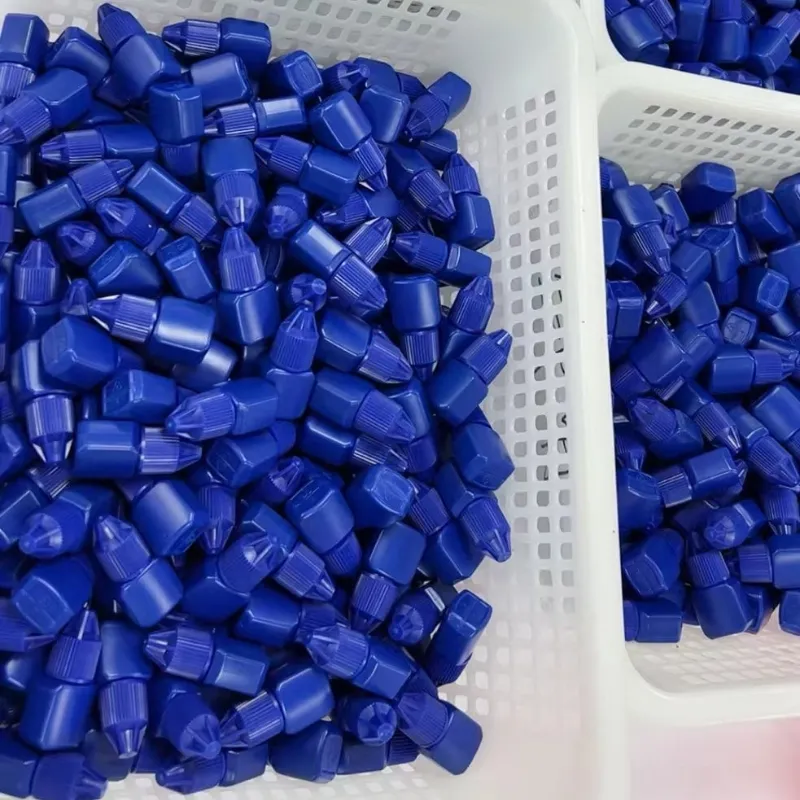
The FDA mandates a specific warning for cyanoacrylate adhesives: “Keep out of reach of children. Cyanoacrylate. Danger. Bonds skin and eyes in seconds.” That exact wording must appear on the label. Many retailers also require child-resistant closures (CRC) for lash glue due to the risk of eye injury. Skip the CRC, and your shipment gets rejected at the loading dock. Lash Glues Factory offers CRC-compatible packaging for private label clients, so you meet retailer requirements from the start.
European Union: CLP Regulation and Pictograms
Under the EU’s CLP regulation, lash glue must display a GHS07 exclamation mark and specific hazard statements. The safety data sheet (SDS) must accompany every shipment. Labels need to be in the official language of the destination country. Belgium requires French and Dutch. Canada requires English and French. These bilingual requirements are often overlooked by first-time importers. A factory that understands these nuances — like Lash Glues Factory — can pre-print compliant labels, saving you rework costs.
United Kingdom: UK REACH and Post-Brexit Labels
Since Brexit, the UK has its own chemical regulation — UK REACH. Lash glue sold in Great Britain must be registered under UK REACH, separate from EU REACH. Labels must include a UK responsible person’s address. The hazard statements remain similar to CLP, but the formatting and language requirements are specific to the UK market. A single label that says “Made in EU” no longer works. Checking your supplier’s UK REACH compliance is a step that separates professionals from amateurs.
Essential Label Elements
The warning label is your first legal defense.
Every retail-ready lash glue package must carry six mandatory elements: product name, net weight (in both metric and imperial for US shelves), full ingredient list by INCI name, manufacturer name and address, batch or lot number, and a date code. Missing any one of these can stop your product at customs or get it pulled from a distributor’s warehouse.
Warning Statements — Non-Negotiable
Cyanoacrylate-based adhesives fall under hazardous chemical regulations in every major market. The FDA requires this exact phrase on US labels: “Keep out of reach of children. Cyanoacrylate. Danger. Bonds skin and eyes in seconds.” In the EU, CLP regulation demands a GHS07 exclamation mark pictogram plus the H315 (skin irritation) and H319 (eye irritation) hazard statements. If you sell into Canada, bilingual English/French labeling is mandatory — not optional.
- US requirement: “Cyanoacrylate. Danger. Bonds skin in seconds.” Must appear on the primary display panel.
- EU requirement: GHS07 pictogram + H315/H319 statements + EUH202 (cyanoacrylate) on the label.
- Canada requirement: All warning text must appear in both English and French with equal prominence.
First Aid Instructions
“If skin or eye contact occurs, flush with plenty of water for 15 minutes and seek medical attention immediately.” This line belongs on every bottle or outer carton. Some retailers also require a note about not attempting to force bonded eyelids open — instead, soak with warm water and apply mineral oil to soften the bond.
Design Tips for Retail Success
A compliant label that looks professional sells faster than one that looks like an afterthought.
Choosing Colors That Convey Trust and Professionalism
Lash glue is a medical-grade adhesive. Consumers associate sterile, clinical colors with safety. White, blue, and soft green appear frequently in medical packaging. Avoid bright neon or playful palettes that contradict the product’s serious nature. The warning label must remain distinct — keep the background light enough that black “Danger” text is legible at 6pt. This aligns with standard practice for lash glue FDA warning label requirements.
Font Size and Contrast for Readability
Regulators require hazard statements to be conspicuous. For cyanoacrylate, the warning must be clearly visible. A minimum 6pt font on a white background meets most retail standards. Contrast ratio matters: dark text on light background scores best for accessibility. Some retailers enforce minimum font sizes for safety warnings, so check their guidelines during the custom lash glue bottle packaging design phase.
Incorporating QR Codes for Digital SDS
A paper safety data sheet adds thickness and cost. A QR code on the label linking to the digital SDS satisfies OSHA and EU CLP requirements while saving space. It also allows updates to the SDS without reprinting labels. Lash Glues Factory can integrate a QR code into your custom label design during the artwork approval process, ensuring your private label lash glue packaging meets compliance mandates.

Packaging Formats and Materials
Cyanoacrylate is classified as a hazardous material — your packaging must reflect that.
Glass vs. Plastic Dropper Bottles
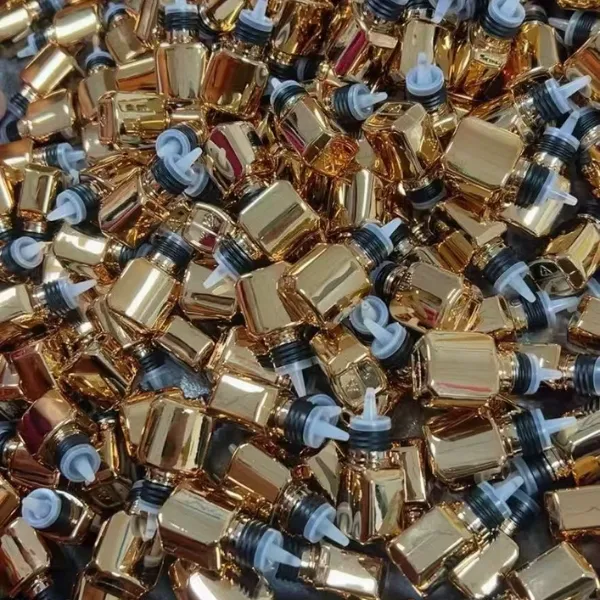
The choice between glass and plastic dropper bottles for lash glue isn’t just about aesthetics. Glass offers better chemical resistance to cyanoacrylate, meaning the adhesive stays stable longer without reacting with the container walls. Plastic bottles — typically HDPE or PET — weigh less and won’t shatter if dropped, but some polymers can leach plasticizers into the glue over time, altering viscosity and cure speed.
For retail shelves, glass signals premium quality. For shipping in bulk, plastic reduces breakage risk and lowers freight weight. Your decision should hinge on your target channel: salon counters favor glass; e-commerce fulfillment favors plastic.
Carton vs. Blister Packaging
Cartons protect the bottle from light exposure (cyanoacrylate degrades under UV) and provide a large surface for warning labels, ingredient lists, and brand storytelling. A standard carton adds roughly $0.12–$0.25 per unit at typical MOQs of 5,000–10,000 pieces.
Blister packs reduce material cost by about 30% but offer less surface area for regulatory text — a problem when you need to fit FDA warning statements plus bilingual labels for Canada or Belgium. Many retailers also require child-resistant closures (CRC) on the bottle itself regardless of outer packaging.
Eco-Friendly Options and Sustainability Claims
“Sustainable” claims in lash glue packaging require proof. Using PCR (post-consumer recycled) cardboard for cartons is straightforward — most suppliers offer it at a 5–10% premium over virgin board. Glass bottles are infinitely recyclable, though heavier to ship.
The trap: Some factories swap to biodegradable plastics that don’t hold up against cyanoacrylate’s solvent properties, leading to leaks mid-shipment. Always request chemical compatibility data before approving any eco-material switch.
| Format | Material & Size | Best For |
|---|---|---|
| Glass Dropper Bottle | 5ml, 10ml; Amber or clear glass with CRC cap | Premium retail lines; preserves glue integrity |
| Plastic Dropper Bottle | 5ml, 10ml; LDPE or HDPE with child-resistant closure | Cost-effective private label and bulk orders |
| Carton Box (Single Unit) | Folding carton; custom print with foil stamping or matte finish | Retail shelf display; brand storytelling |
| Blister Pack (Clamshell) | PVC or PET plastic with cardboard backing; hangable design | Salon resale and drugstore distribution |
| Bulk / Wholesale Bundle | Multi-pack tray or shrink-wrapped bundle (e.g., 12–50 units) | Distributors and high-volume salon chains |
Working with Lash Glues Factory for Custom Packaging
Custom packaging is not just branding — it’s a regulatory shield.
Most distributors assume custom packaging is about logos and shelf appeal. That matters, but for lash glue, the real driver is compliance. If your label misses the FDA warning statement or the CLP pictogram, retailers reject the shipment. The cost of reprinting 5,000 boxes hits $2,000–$4,000 depending on the material.
MOQ and lead times for custom labels and boxes
Minimum order quantities for custom packaging vary by format. Standard label rolls start at 1,000 units with a 10–15 day turnaround. Custom cartons with full-color print require 3,000–5,000 units and add 20–25 days because of die-cutting and curing time. For blister packs or clamshells that need thermoforming molds, expect a 30-day lead time and an MOQ around 10,000 pieces.
Design assistance and artwork approval process
The factory provides a template file with trim lines, bleed zones, and required regulatory fields pre-marked. You submit your artwork as an AI or PDF at 300 DPI. The compliance team checks that the FDA warning statement appears in the correct font size (minimum 1/16 inch height) and that the CLP hazard pictogram meets EU dimension rules. One revision round is included; additional rounds add three working days each.
Ensuring packaging compatibility with glue formulation
Lash glue is cyanoacrylate-based — it reacts with moisture in the air and certain plastics. Bottle material must be HDPE or LDPE; polycarbonate or PET can craze or cloud within weeks of filling. The dropper tip needs a tight seal to prevent premature curing inside the bottle. The factory tests every new bottle batch with the specific glue formula before approving mass production.
Conclusion
Getting the packaging wrong for a lash glue product means getting blocked by retailers, facing returns, or worse — liability claims. The label isn’t decoration. It’s the first line of defense between your brand and a compliance failure. A missing GHS07 pictogram or an incorrect FDA warning statement can stop a shipment at customs or get it pulled from shelves months later.
- FDA requires child-resistant closures and specific cyanoacrylate warning text.
- EU CLP mandates GHS07 pictograms and bilingual hazard statements.
- Batch numbers and manufacturer info are non-negotiable for traceability.
- QR codes on labels reduce printed SDS length while keeping data accessible.
If you’re sourcing private label lash glue packaging for wholesale, start by asking your factory for a compliance checklist covering your target markets — US, EU, UK, or Canada. Review their sample approval process for label artwork and child-resistant closure testing before committing to a full production run. Lash Glues Factory supports custom packaging with CPNP and FDA-compliant label templates, so your branding stays clean while the regulatory boxes stay checked.
Frequently Asked Questions
What warning statements are required on lash glue labels?
Every lash glue label must include the cyanoacrylate warning: ‘Danger. Bonds skin in seconds.’ You also need first aid instructions and a statement that the product contains cyanoacrylate, per FDA and. Always verify with your target market’s specific regulatory body before printing.
What are the regulatory differences for US vs EU lash glue packaging?
The US requires an FDA warning statement and child-resistant packaging for cyanoacrylate adhesives, while the EU mandates CLP pictograms, signal words, and a safety data sheet. UK REACH rules. Work with a factory that offers region-specific label templates to avoid costly reprints.
What is the typical MOQ for custom lash glue packaging?
MOQ for custom labels and boxes usually starts at 1,000 units per SKU, but some factories offer lower MOQs for stock packaging. Custom bottle shapes or special finishes push the. Request a specific MOQ quote after defining your design and bottle material.
What certifications should I look for in a lash glue factory?
Prioritize factories with ISO 9001 for quality management, FDA registration for US market entry, and CPNP notification for EU compliance. These certifications prove regulatory readiness and. Ask for a copy of the certificate and verify it covers the product types you need.

One Response