

Importing lash glue remover looks straightforward on paper: supplier audit passed, FOB pricing locked, sample approval signed, and a 20-day production buffer in the schedule. But the item nobody checks is whether the mass production run actually holds the same quality tolerance as that approved sample. A $50,000 order can clear customs perfectly and still fail at the salon counter because the final batch drifted — slightly thinner, slightly faster-setting, slightly off from the hand-checked pre-production unit.
That drift doesn’t show up in the standard pre-shipment inspection. It shows up in the first wave of salons reporting that the remover runs under the lash line or leaves residue. By then the invoice has been paid, the freight forwarder has closed the file, and your options are a claim dispute, a reorder cycle, or both.
The cost of skipping this one check is rarely the product itself. It’s the three to four weeks of lost selling time, the return freight, and the accounts that switch suppliers before you can make good. Check the production batch against the sample before you pay the balance, not after the container lands.
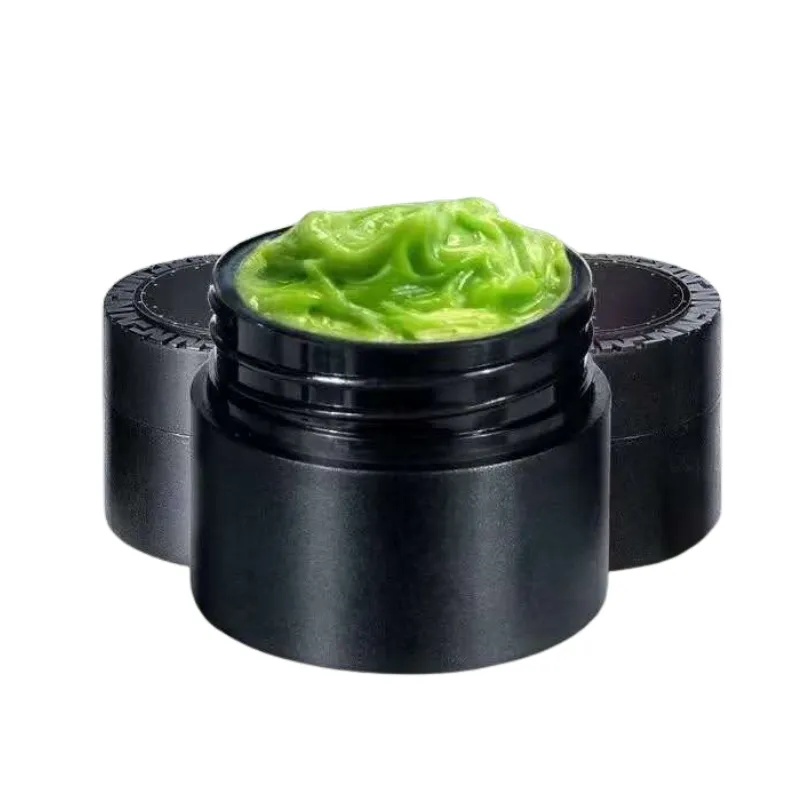
HS Code Classification for Lash Glue Remover
Classify lash remover by its solvent base, not its marketing label.
3304.99 vs 3401.19: Which Category Applies?
Most customs holds on lash remover shipments trace back to one mistake: declaring the product under 3304.99 as a cosmetic preparation. Lash remover breaks down cyanoacrylate adhesive, so the classification should follow the formula, not the beauty-industry label. That single decision changes the duty rate and triggers extra safety documentation.
3401.19 covers soap and organic surface-active products, which some importers try for cream-type removers. Solvent-based formulas belong under a chemical preparations heading. Buyers searching ‘lash glue remover HS code 3506.10’ are often pointed to the wrong section — that code covers prepared glues, not removers. Verify the 6-digit code against the Safety Data Sheet before you book freight.
Duty Rates by Country (US, EU, UK, Australia)
- United States: Cosmetic classification under 3304.99 typically enters at a higher rate than a chemical preparation. A solvent-based remover declared as cosmetics gets audited more often.
- European Union: A cosmetic classification requires a CPSR and an EU Responsible Person. Most distributors shipping solvent-based remover declare it as a chemical preparation instead — but the SDS must match.
- United Kingdom: The UK enforces its own Responsible Person requirement and UK REACH chemical notification. The HS heading mirrors the EU, but the compliance forms differ.
- Australia: AICIS registration applies to the chemical itself, not just the finished product. Confirm the ingredient’s inventory status before the container leaves the factory.
A factory that supports private label remover lines, like Lash Glues Factory, will supply the SDS and ingredient declaration upfront. Ask for both before you arrange shipping — they are the two documents that avoid most customs holds. The correct chemical heading frequently carries a lower duty than the cosmetic route. Also confirm GHS labeling is already applied to the outer packaging.
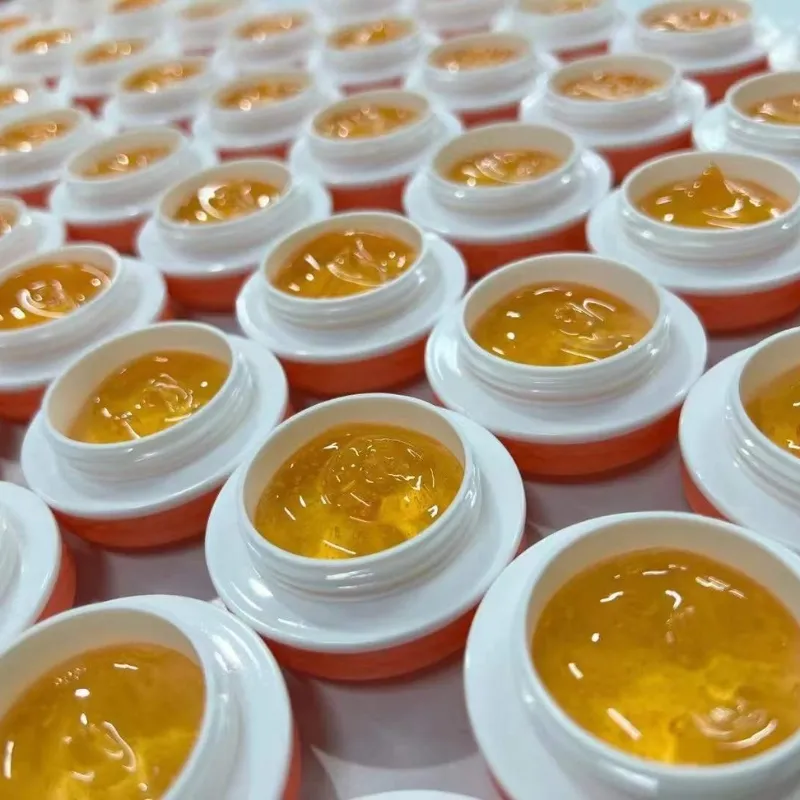
Minimum Order Quantities for Factory Direct Remover
Stock formula minimums and private label minimums rarely match.
The minimum order threshold for a standard lash remover run is one number. A private label run is another. Once you add custom packaging, your own batch code, and logo printing, the factory has to allocate separate filling time, and the minimum goes up.
That difference exists because the extra volume absorbs changeover cost, packaging tooling, and batch documentation. If a supplier quotes the same minimum for both, ask whether your label runs through the same line without separation. For a remover in a GHS-labeled bottle, that becomes a compliance issue.
How to Negotiate Lower Minimums for Trial Lots
Trial lots exist to test quality tolerance. A small run won’t prove much about production consistency, but it will show you formulation stability and packaging quality. Ask the factory to run a trial batch using the standard formula and your label, then scale up once the batch passes sample approval.
A trial lot only matters if it matches the full run. Change the remover grade, adjust the solvent ratio, swap the bottle tip, and the test result tells you nothing about production. Keep the formula frozen after sample approval.
For factories that support private label and custom packaging, like Lash Glues Factory, the trial minimum covers more than filling bottles. The negotiation lever is your commitment: cover the extra costs for packaging plates or registration micro-testing, or sign off on the full production run after trial approval. That beats asking for a discount.
- Formula traceability: Does the trial batch use the identical formula as the bulk run?
- Line separation: Is your private label batch produced and stored separately from standard stock?
- Cost transparency: Is FOB pricing for the trial inclusive of custom packaging, or invoiced separately?
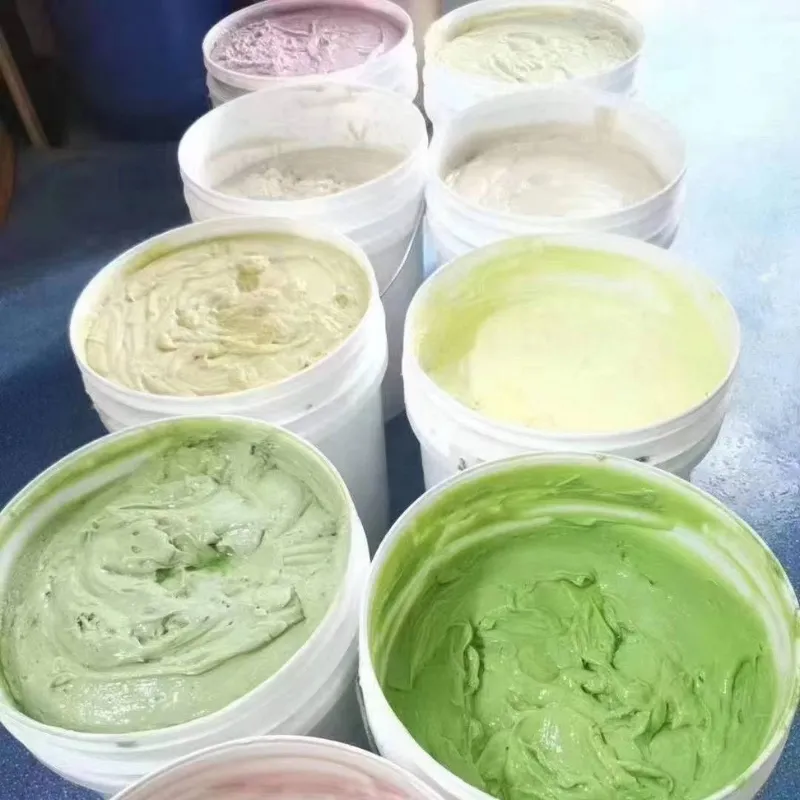
Shipping Methods Compared
Sea freight wins above 15 CBM; air wins under 50kg; samples move by DHL or FedEx.
Shipping mode for lash glue remover comes down to shipment weight, container volume, and how fast you need the stock selling. Remover is a liquid chemical preparation, so carton weight and hazard paperwork shape the cost more than they do for lash trays or applicators.
Sea Freight: 20GP vs 40HQ Container Loading
A 20GP container gives roughly 25-28 CBM of usable space after palletization; a 40HQ pushes that to 60-68 CBM. For a first order, the 20GP limits capital exposure. For established volume, the 40HQ drops per-carton freight cost noticeably — but only if you can sell through before the next container lands.
- 20GP: Usable volume ~25-28 CBM. Suits first container orders and keeps working capital free.
- 40HQ: Usable volume ~60-68 CBM. Best per-unit sea rate, but requires predictable sell-through and warehouse space.
- LCL below 8 CBM: Consolidated freight works, but per-CBM cost runs higher and transit adds a consolidation stop.
Private label orders shift the container math. Custom bottles and printed cartons — part of the factory’s OEM and custom packaging services — take up more CBM per unit than stock packaging. On a borderline order, that can push a 20GP load into a 40HQ or a LCL split.
Air Freight: When Cost Justifies Speed
Air freight on a 50kg shipment runs only about 15% more than sea once LCL handling fees, port warehousing, and broker charges are counted. Air lands in 5-8 days door-to-door; sea takes 30-40 days. For a fixed launch date, air is cheaper than the margin lost to a delay. A DDP quote simplifies the comparison by folding freight and duty into one per-unit number.
Sample Shipping via DHL/FedEx
Samples always move by courier. DHL or FedEx delivers in 3-5 days with tracking and door-to-door clearance. The catch: declare lash glue remover as a chemical preparation with the correct HS code (3506.10 in most markets) and attach an SDS sheet. Couriers add a handling surcharge for chemical cargo, and a misdeclaration triggers a customs hold that adds days.
For custom formulations, order samples in the same private label packaging you intend to sell. A stock bottle clears customs one way; a printed bottle with ingredient declaration and warnings clears it another. Discovering a labeling gap after a full container lands costs far more than the extra 2-3 days on the sample leg.
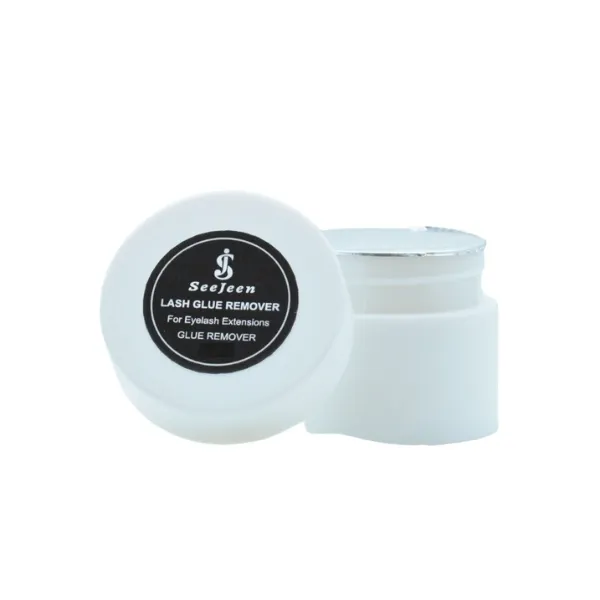
Customs Documentation Essentials
Get the document package wrong and your container sits at port while your launch date slips.
Customs documentation separates a one-week clearance from a month-long port hold. For lash glue remover, three documents matter most: Certificate of Origin, SDS/MSDS, and — for EU-bound shipments — a CPSR. Missing any one of them stops the consignment before it reaches your warehouse.
Certificate of Origin and MSDS
A Certificate of Origin lets the destination country confirm where the goods were produced, which drives duty rates. On FOB pricing, the factory normally prepares it before the cargo leaves the port. If you buy under DDP shipping terms, the same document still needs to be in the package — your customs broker cannot clear the shipment without it.
MSDS, now commonly called SDS, documents the product’s hazards. For remover formulas with solvent-based ingredients, customs officers check that the safety data sheet matches the label language. A generic MSDS will not pass. The document must include the correct UN classification and the actual product code from the production batch.
CPSR and the EU Responsible Person
EU-bound lash glue remover needs a Cosmetics Product Safety Report when the formula contains preservatives. The CPSR must be prepared and signed by an EU Responsible Person before customs release. Factories without this file will get stopped at the border. This is not a label issue — it is a documentation gap that no freight forwarder can fix after the fact.
Labeling Requirements: Ingredient Declaration and Warnings
Labels do more than identify the product. GHS labeling rules require an ingredient declaration, signal words, and hazard pictograms when a formula contains flagged solvents. A label that only says ‘lash remover’ does not meet the standard. Check the label language before production, not after the cartons land.
At Lash Glues Factory, private-label and custom-packaging orders go through the same documentation review as standard stock. The factory can align labels with destination-country requirements before bulk production runs, which keeps customs clearance predictable.
- Certificate of Origin: Confirm the issuing authority named on it matches the route and the stated FOB point.
- SDS/MSDS: Check that the safety data sheet carries the same product code and batch reference printed on the cartons.
- CPSR: For EU destinations, verify the Responsible Person’s name and address appear on the label before shipment.
Common Customs Holds and How to Avoid Them
A customs hold usually isn’t a formula problem.
Most customs holds for lash glue remover trace back to two avoidable issues: hazard classification and EU Responsible Person data. Both get solved at the order stage, not at the port.
Incorrect Hazard Classification (Class 3 Flammable?)
Lash remover formulas split into two camps: emollient-based gel removers that do not automatically attract dangerous goods rules, and alcohol- or solvent-containing formulas that can require flammable liquid classification. Under GHS, a liquid with a flash point at or below 60°C can place the product in the flammable category. If the commercial invoice, SDS, and bottle label each tell a different story, the container stops.
Ask for the SDS before booking freight. Check the flash point, GHS pictograms, and any UN number. Confirm the booking agent uses the same classification as the label. For private label remover produced under Lash Glues Factory’s custom packaging service, the warning block is aligned to the SDS on file so the product sheet and the bottle agree.
Missing EU Responsible Person Data
Any remover entering the EU needs a Responsible Person established inside the EU before clearance. Under Regulation 1223/2009, the product must be notified through CPNP and backed by a CPSR covering the formula, including preservatives. A shipment with no Responsible Person name or no notification number will sit in customs, no matter how clean the rest of the paperwork looks.
Ask about the CPSR status in the first supplier conversation. Factories that only make the product cannot approve it for the EU market; that role belongs to a qualified assessor. If a supplier offers no path to CPNP notification and won’t share safety report timelines, treat that as a clearance risk, not a minor gap.
Lead Time Planning: From Factory to Warehouse
Identical remover shipments clear customs weeks apart.
A stock lash glue remover run takes 15–25 days of production time, but that window only holds when the formula and packaging are locked. Private label orders stretch it further because custom bottles, label artwork approval, and the pre-production sample round all sit inside that window. Factories that offer custom packaging treat the label proof as the gating item, not the remover formula.
Production Time Buffer (15–25 Days)
Most distributors ask when production finishes. The more useful question is when the batch releases. The gap between those two dates is the QC hold. Batch release requires the factory’s internal QC sign-off, and a batch that flags during checks sits in quarantine until reworked. The release date slips, but nobody tells you until the scheduled ship date has already passed.
Shipping and Port Clearance (7–30 Days)
The shipping side runs 7–30 days from factory to warehouse, and the wide range is the point. The ocean leg is the predictable part; port clearance and customs inspection are not. For a 50kg remover shipment, air freight costs only about 15% more than sea freight once warehousing delays are counted. For a launch with a locked date, air freight is the better ROI.
Customs holds on lash remover usually trace back to paperwork, not product safety. The EU requires a Cosmetic Product Safety Report for remover containing preservatives, and suppliers without one get stopped at entry. In the US, the recurring error is a forwarder filing it as cosmetics instead of a chemical preparation, which triggers a reclassification hold. Both are preventable.
Treat the documentation as part of production, not shipping. Have the MSDS, Certificate of Origin, and CPSR ready before the batch finishes QC. If the supplier quotes DDP terms, customs delays become their cost, which changes how carefully the shipment gets filed.
- MSDS + CPSR: printed and packed with the shipment so customs has the safety data on arrival.
- HS code: confirmed in writing before the forwarder files the entry.
- DDP terms: quoted so clearance delays sit on the supplier’s side of the ledger.
Conclusion
The difference between a routine import and a customs hold usually comes down to three paperwork decisions: the HS code on the commercial invoice, the flammability classification on the safety data sheet, and the CPSR in the EU technical file. Confirm those before production, not after shipment. The freight method matters too, but only after the documentation is clean.
- Class 3 flammable labeling applies to many removers; verify the flash point before booking freight.
- For EU entry, a Cosmetic Product Safety Report is required when the formula contains any preservative.
- Air freight can beat sea freight for urgent launches once warehousing delays and demurrage are included.
- Ask the factory for its customs-failure history and audit checklist before signing a purchase order.
Before you commit to a supplier, ask for the MSDS, the certificate of origin, and a written confirmation of the minimum order requirement for private-label remover. Compare those documents against the import rules for your destination market. If you want a faster starting point, review the lash remover supplier page and request a factory audit checklist tailored to your shipment size.
Frequently Asked Questions
Which HS code applies to lash glue remover?
Classify lash remover by its solvent base, not the marketing label, which usually puts it in 3304.99 or 3401.19. The exact code depends on the formula and destination country’s customs interpretation. Confirm the code with your forwarder before booking.
What is the MOQ for lash glue remover?
MOQ depends on whether you’re ordering stock formula or private label. Stock programs support smaller trial lots, while custom runs require a higher minimum for formulation and packaging setup. Confirm MOQ after fixing your spec and packaging.
How should I ship lash glue remover?
Sea freight wins above 15 CBM, air wins under 50kg, and samples move by DHL or FedEx. Base the choice on volume and lead time pressure. Calculate weight and volume before comparing quotes.
What customs documents are needed for lash remover?
You typically need a Certificate of Origin, MSDS, and for EU shipments a CPSR. Labeling must include ingredient declarations and warning statements. Verify with a customs broker before dispatch.
Why do lash remover shipments get held at customs?
Most holds come from incorrect hazard classification or missing EU Responsible Person data. Check whether your product is Class 3 flammable and confirm your EU rep is registered before shipping. Pre-validate these two points to avoid delays.