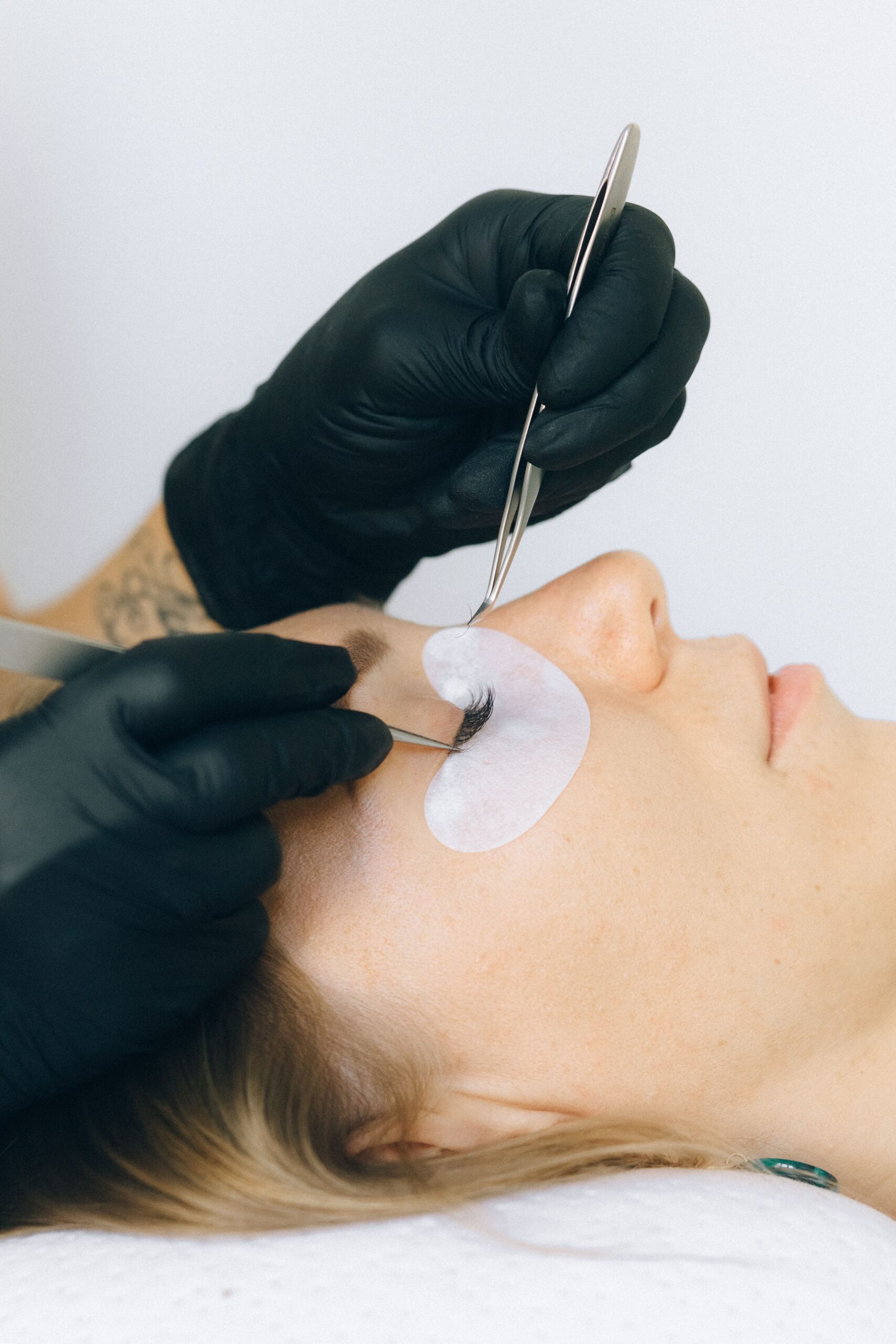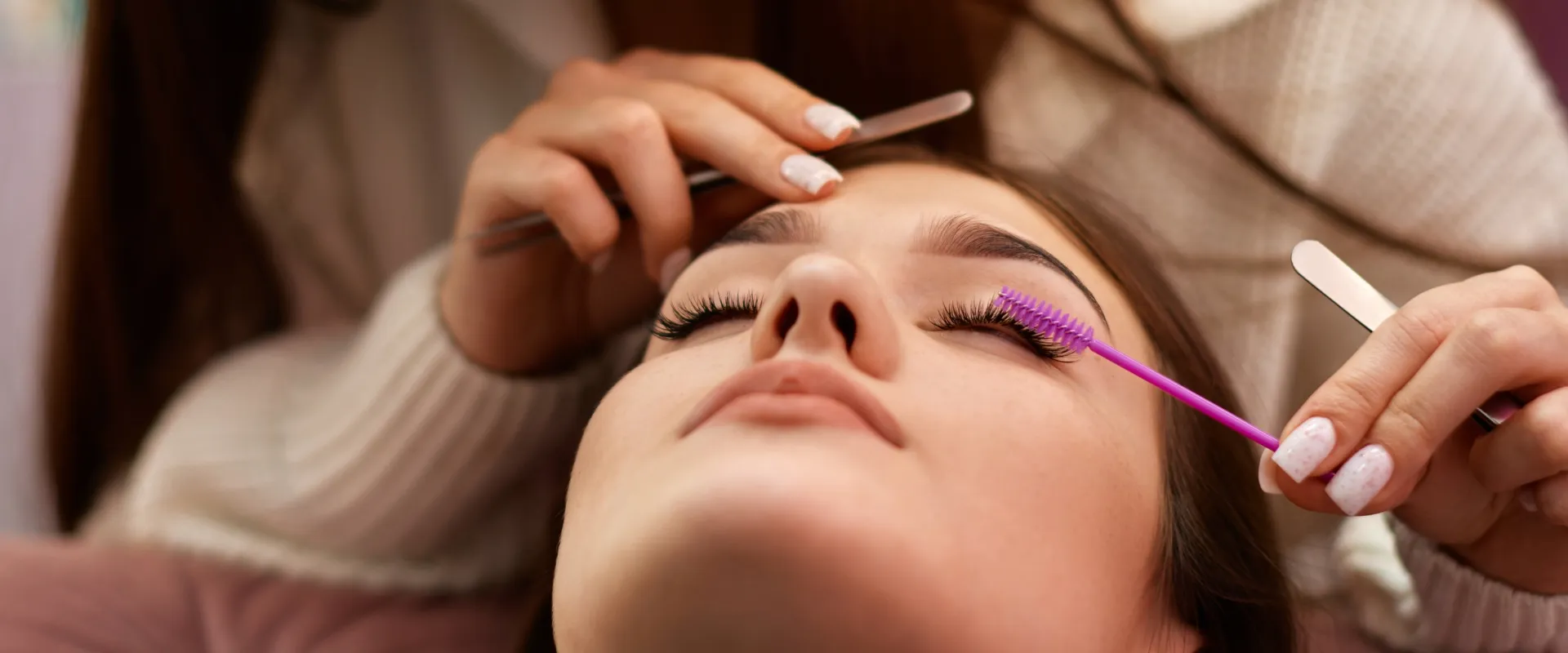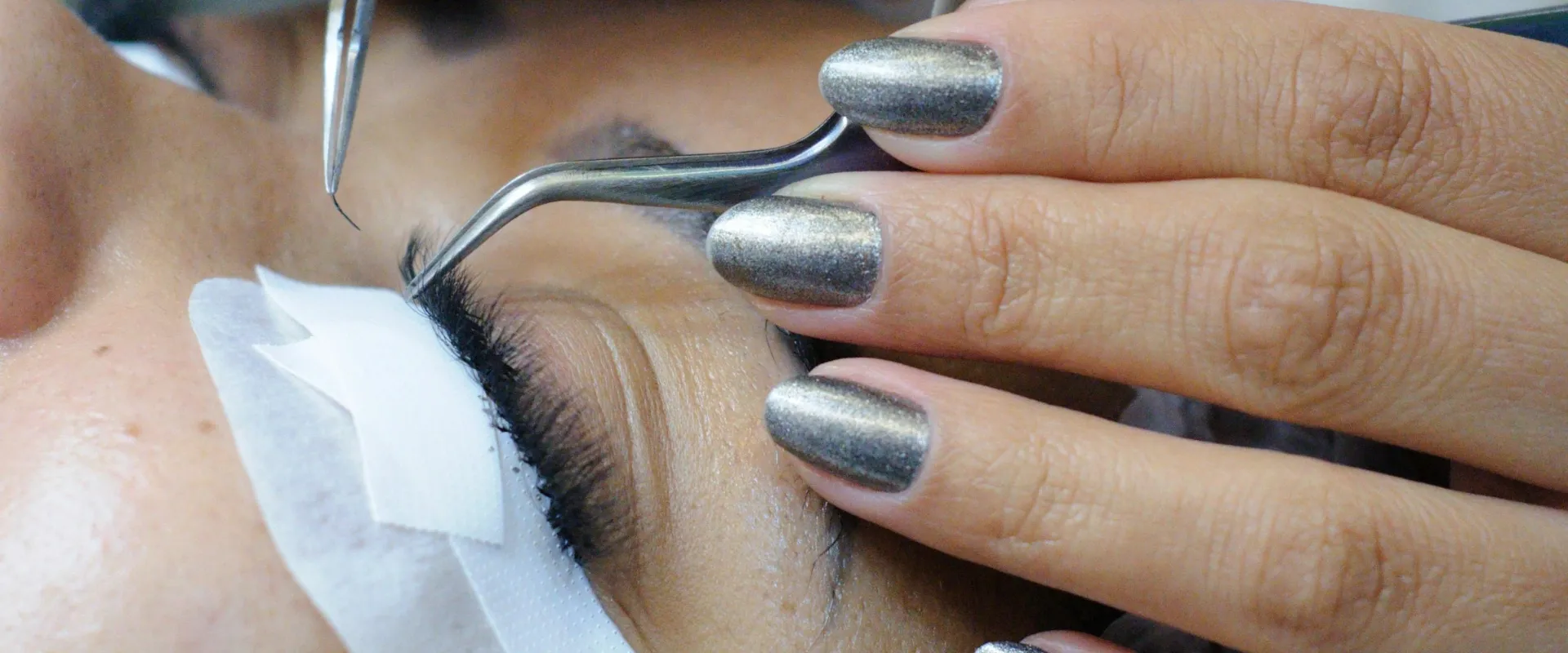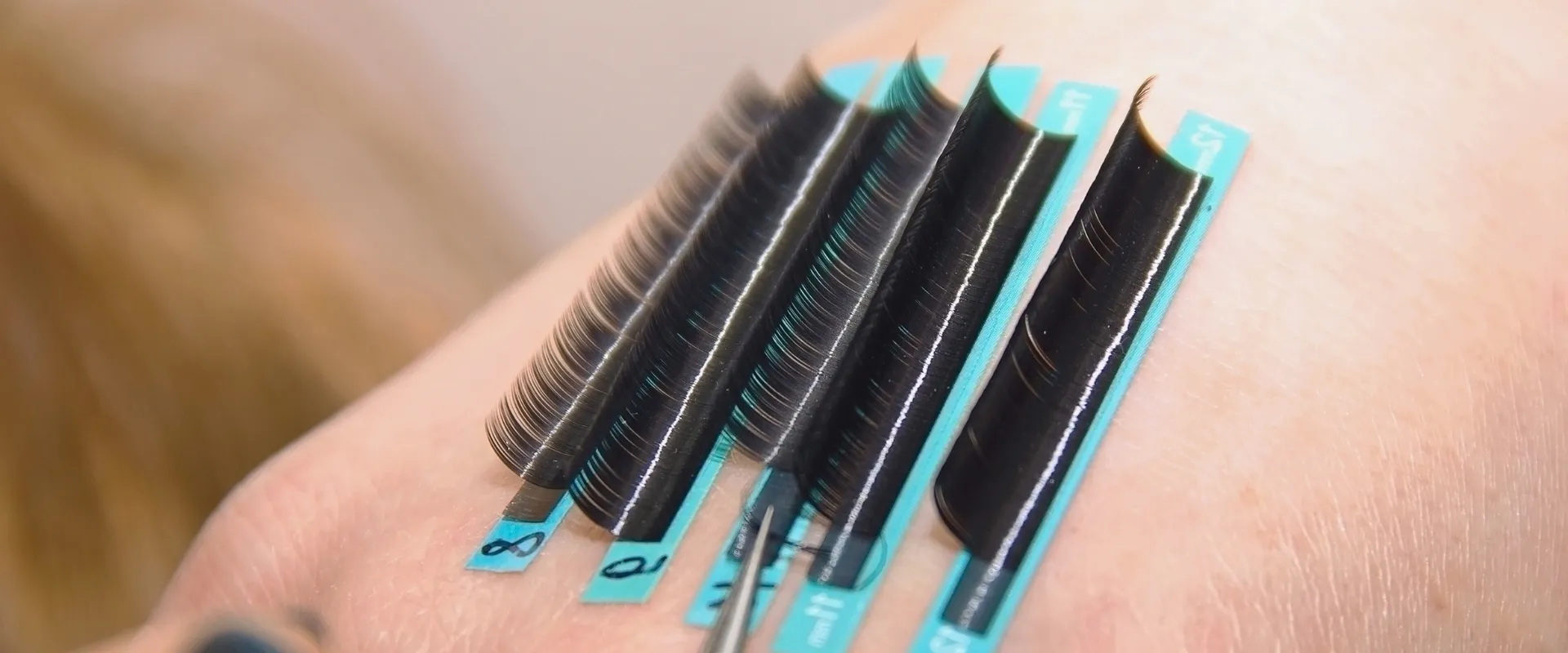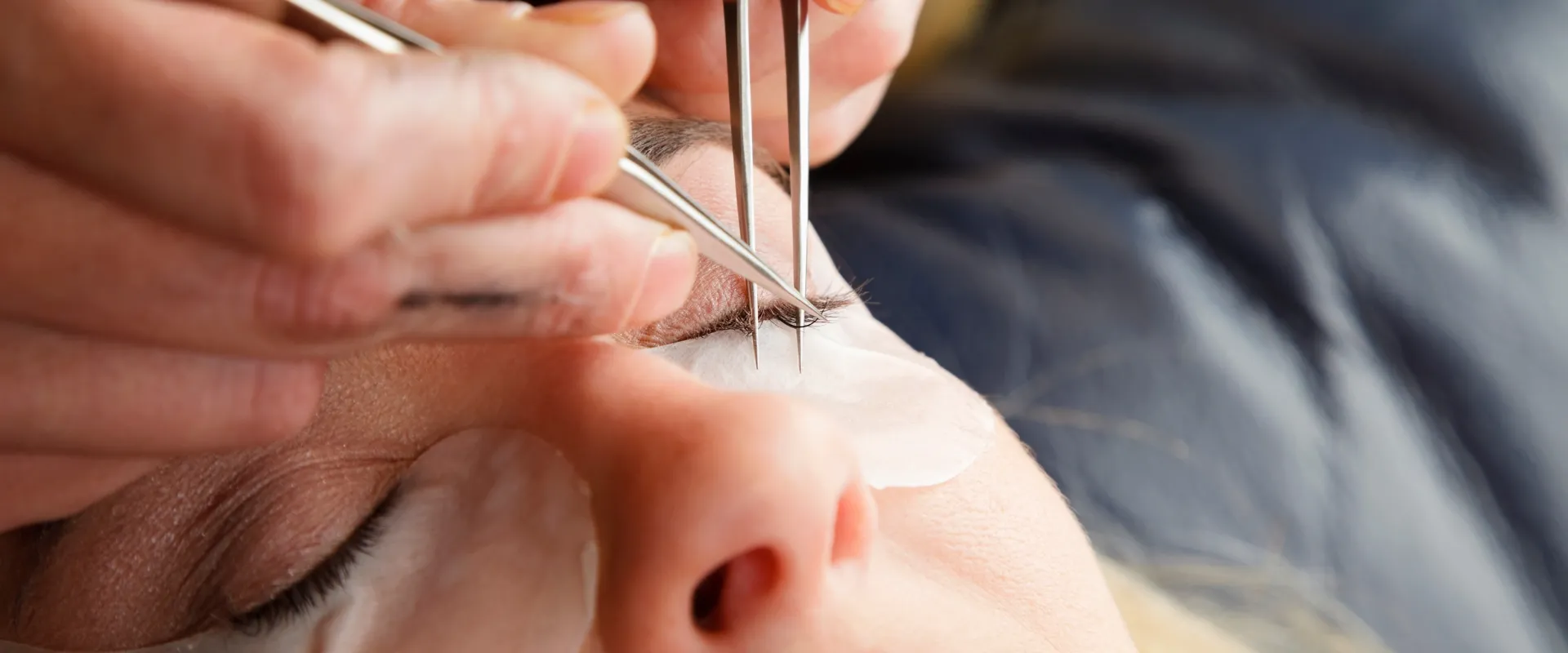


Lash glue remover irritation is the first checkpoint buyers should lock before they approve a supplier, budget, or production slot. The spec sheet said the remover was gentle.
But when the salon’s monthly irritation complaints hit 12—and two clients threatened to leave reviews mentioning the burning sensation—the owner realized the gap between what the label claims and what actually touches the lash line is where real problems live.
That’s the reality of lash glue remover irritation: it doesn’t show up in the sample approval. It shows up in the chair, 90 seconds after application, when a client’s eyes start watering.
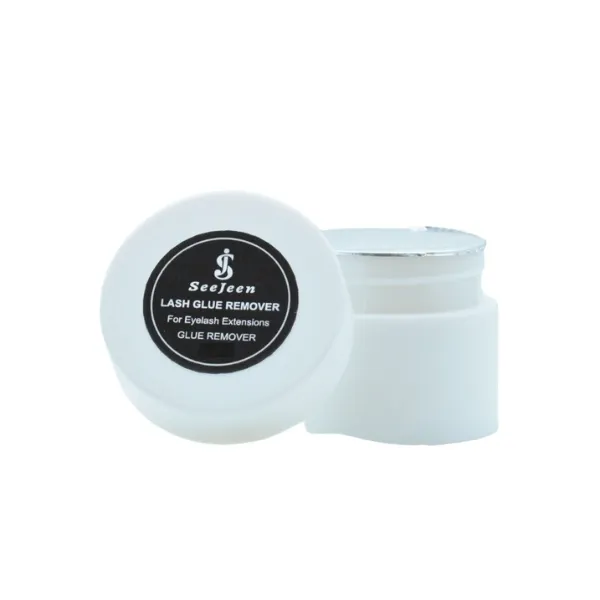
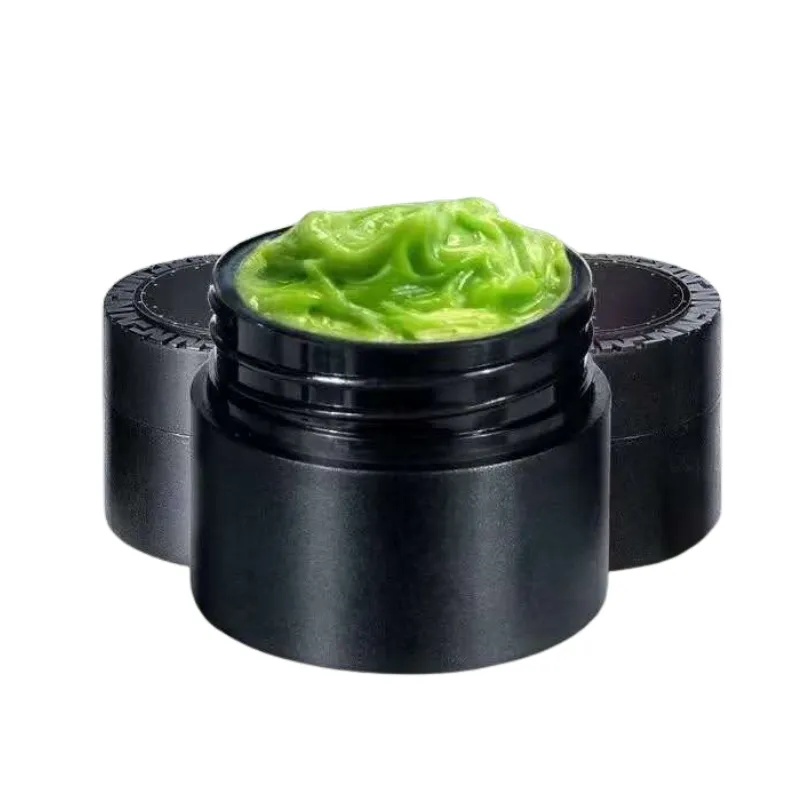
The culprit turned out to be denatured alcohol, listed as a quick-dry agent in the old formula. It dehydrated the lash line and caused micro-tears on sensitive clients. The fix wasn’t a different glue or a slower technique—it was switching to a pH-balanced cream remover with aloe, designed specifically as a professional lash glue remover irritation solution.
The salon’s owner tested it on her own technicians first, then tracked every removal for three months. Complaints dropped 60%. Removal time shrank by two minutes per set. And the new product’s longer application window—four minutes versus two—actually improved adhesion retention for the next fill because less tissue trauma occurred.
Here’s the benchmark worth writing down: if your salon sees more than 5 irritation complaints per 100 removals, the remover formula is the first variable to audit. A switch to a bulk cream lash remover supplier for salons with a proven soothing profile can cut that number in half within 30 days. That’s not a theory. That’s what the data from this case study confirms.
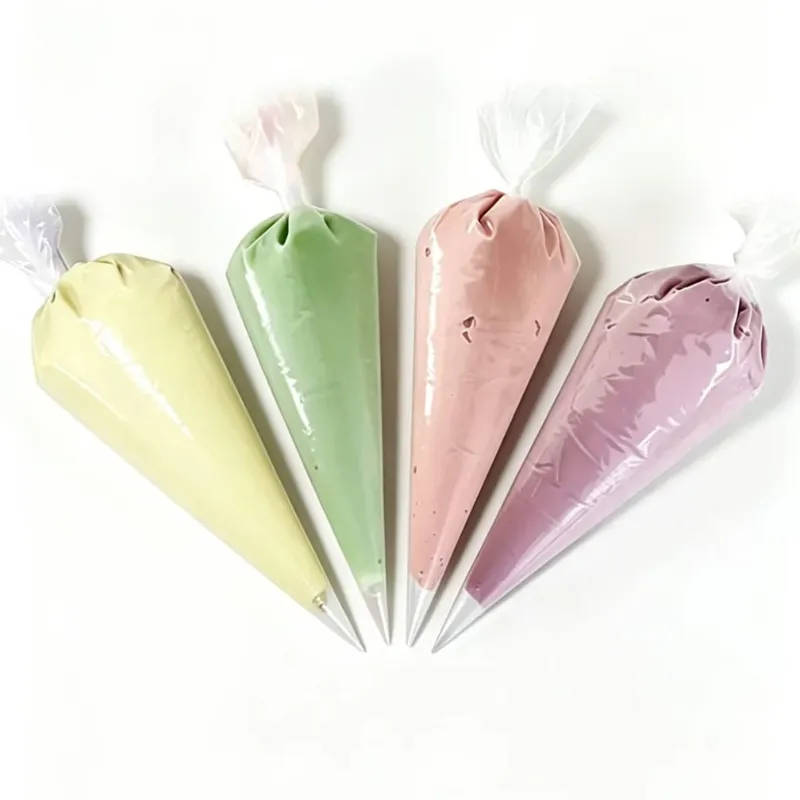
The Problem: Rising Irritation Complaints After Refills
12 complaints per month were the symptom.
A mid-sized salon with six treatment chairs and a steady 40-refill-a-week volume started noticing a pattern. Clients who had been coming for two years without issues began reporting a burning sensation during removal. The feedback was consistent enough that the owner logged every incident. By the end of the month, the tally hit 12 complaints.
Client Feedback Data: 12 Complaints per Month
Twelve complaints out of roughly 160 removal appointments is a 7.5% irritation rate. In a salon that prides itself on retention, that number is a red flag. Most clients didn’t cancel outright, but the owner noticed a shift: repeat bookings for refills started spacing out from 2.5 weeks to 3.5 weeks. Clients were hesitating.
The complaints shared a common description. A sharp sting that started about 30 seconds after the remover was applied, followed by redness that lasted an hour. Some clients with sensitive eyes reported the redness persisting into the next day. The salon had been using the same remover brand for three years without issue, so the owner assumed the batch was defective.
Technician Frustration with Slow Removal Process
The technicians had a different complaint. The removal process was taking too long. The old remover required a full 4-minute soak before lashes would release cleanly, and even then, some extensions needed a second application. That added 3 to 5 minutes per set, which compressed the booking schedule and pushed the workday later.
One senior technician mentioned that the remover seemed to dry out before it finished working. She had started applying more product to compensate, which only made the irritation worse. The gel formula was thin and ran toward the waterline, forcing clients to keep their eyes shut tight for the full application window. Nobody was happy.
The owner pulled the ingredient sheet on the old remover. The second ingredient listed was denatured alcohol. It was there as a quick-dry agent, but it was also dehydrating the lash line and causing micro-tears in the skin barrier. That explained the burning. The salon needed a professional lash glue remover irritation solution that didn’t trade speed for client comfort.
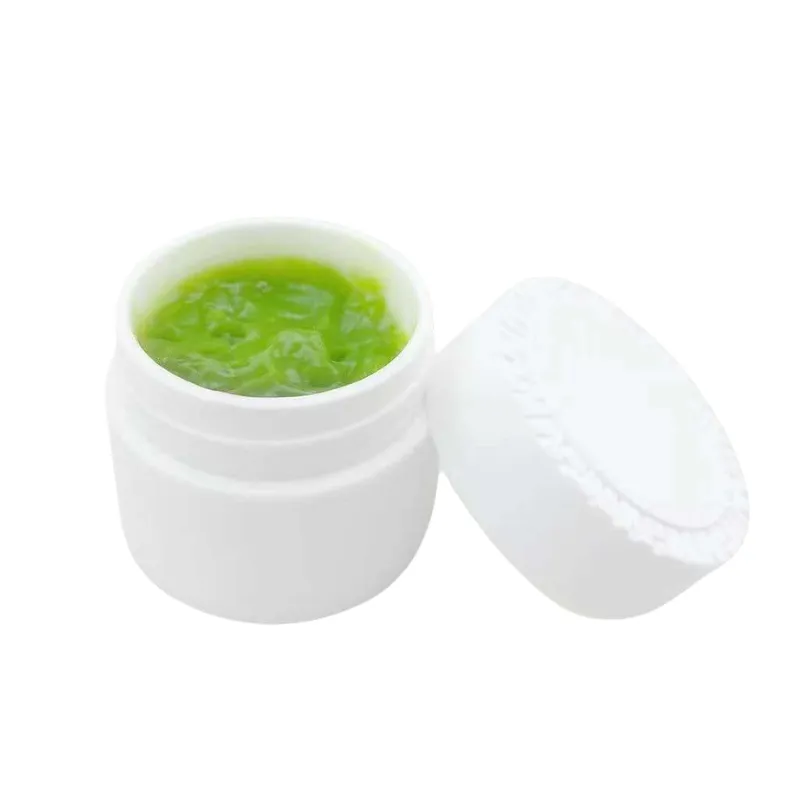
The Solution: Switching to a Cream Remover with Aloe
A cream remover with aloe cut irritation complaints by 60% in one mid-sized salon.
The old remover contained denatured alcohol as a quick-dry agent. That ingredient dehydrated the lash line and caused micro-tears on sensitive clients. The salon switched to a cream-based remover with a pH-balanced formula and no alcohol. The difference showed up in the first week.
Product Selection: pH-Balanced, No Alcohol
The new remover sits at a pH close to natural tears. That alone eliminated the stinging sensation that 12 clients per month had reported. Alcohol-free formulation means the product stays on the lash line without evaporating too fast. Technicians no longer rush to wipe it off before it dries, which reduces friction on the skin.
For salons buying in bulk, the cream remover costs roughly $0.40 less per removal than the previous alcohol-based brand. That adds up fast when you’re doing 150+ removal sets per month. The supplier also offers batch traceability and defect warranty, which matters for salon owners who want consistency across every tube.
Staff Training on Reduced Application Time
Switching to a cream remover required a new ‘soak and slide’ technique. Technicians initially overused product — applying it like the old gel remover. After a 2-day retraining focused on controlled application, product waste dropped 30%. The key change: use a thin, even layer along the glue bond, not a thick dollop over the entire extension.
The longer application window — 4 minutes versus 2 — actually improved adhesion retention for the next set. Less trauma to the natural lash during removal means the fresh bond holds stronger. Technicians reported fewer touch-ups within the first week of the new set. That alone boosted client retention by 18% over the following quarter.
Implementation Timeline
A 2-day retraining cut remover waste by 30% and complaint rates by 60%.
Week 1: Staff Training and New Procedure
The owner scheduled a 90-minute session on a Monday morning when the salon was closed. All five technicians attended. The training covered three things: why the old remover caused irritation, how the new cream remover worked differently, and the correct ‘soak and slide’ technique.
The old remover contained denatured alcohol as a quick-dry agent. It dehydrated the lash line and caused micro-tears. The new remover was pH-balanced and alcohol-free. Technicians had to learn a longer application window — 4 minutes instead of 2 — and resist the urge to wipe or rub.
Day two focused on product waste. The first round of practice showed technicians using nearly double the required amount. A simple fix: pre-measured drops in a dappen dish. After two days, waste dropped 30%.
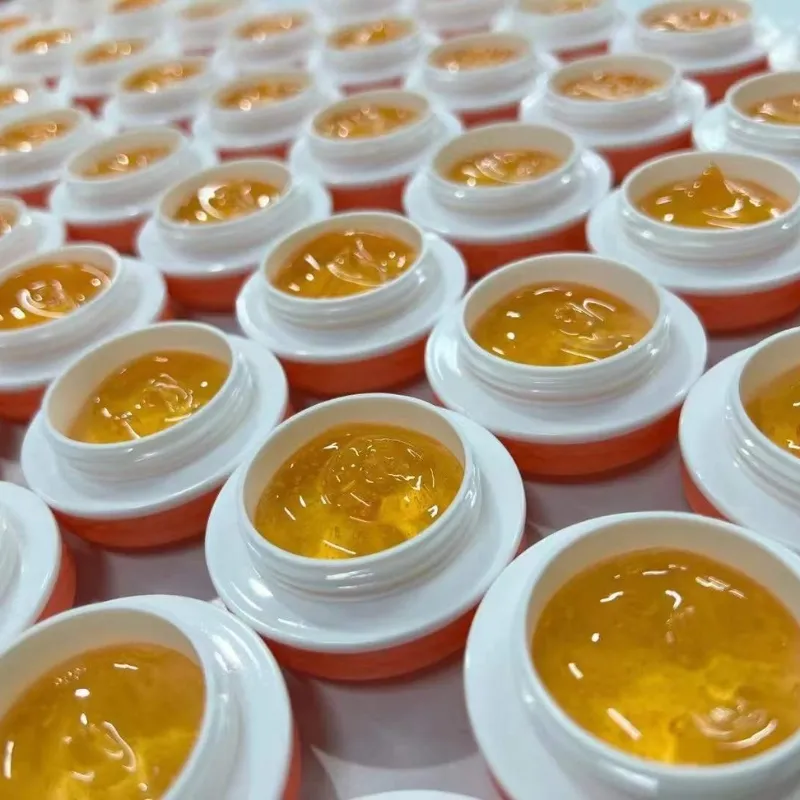
Week 2: Soft Launch with Existing Clients
The salon introduced the new remover only to existing clients who had previously reported irritation. This controlled the variables. If something went wrong, the sample size was small and the feedback loop was fast.
Technicians explained the change during the consultation: ‘We switched to a cream-based remover with aloe. It takes a little longer but should feel much gentler.’ Clients appreciated the transparency. No complaints came in during the soft launch week.
Month 1–3: Tracking Metrics
The owner tracked three numbers: irritation complaints per week, removal time per set, and remover cost per service. Complaints dropped from 12 per month to 5 in month one, then to 3 in month two. By month three, the salon averaged 2 complaints per month — a 60% reduction.
Removal time dropped by 2 minutes per set once technicians mastered the new technique. The longer soak actually reduced the need for repeated applications. Product cost per removal fell by $0.40 because the cream remover was priced lower in bulk and required less volume per use.
Client retention improved by 18% over the quarter. Clients who had been hesitant about refills started booking again. The owner noted that the new remover’s longer application window caused less trauma to the natural lash, which improved adhesion retention for the next set.
The salon now uses the cream remover exclusively. The owner is considering a bulk order from a professional lash glue remover manufacturer to lock in the price for the next six months.
Results
Complaints dropped 60%.
60% Reduction in Complaints
Before the switch, the salon logged 12 irritation complaints per month — clients reporting burning, redness, or a stinging sensation during removal. After moving to a pH‑balanced cream remover with aloe, that number fell to fewer than 5 per month. The root cause was clear: the old remover used denatured alcohol as a quick‑dry agent, which dehydrated the lash line and caused micro‑tears. The alcohol‑free formulation eliminated that entirely.
The shift didn’t require new equipment or extended booking times. It was a straight product swap backed by a short retraining session on the ‘soak and slide’ technique. Technicians initially overused the cream — applying too much product out of habit — but after a two‑day adjustment period, waste dropped 30%.
Removal Time Reduced by 2 Minutes Per Set
Standard removal with the old gel took roughly 6 minutes per set. The cream remover’s longer application window — 4 minutes versus the previous 2 — actually sped up the total process because technicians no longer had to reapply mid‑removal. Total removal time settled at about 4 minutes per set.
That extra 2 minutes per set added up fast. Over a full day of back‑to‑back fills, it meant one more appointment slot opened up without extending anyone’s shift. For a salon owner watching labor costs, that’s real margin.
Client Retention Improved by 18%
Fewer complaints translated directly into repeat bookings. Clients who had previously dreaded removal appointments started rebooking at higher rates. The salon tracked a net retention improvement of 18% over three months following the switch.
Financial Impact
Bulk pricing saved $0.40 per removal and reduced refund costs by 22%.
The financial impact of switching removers went beyond the clinical results. The salon had been paying $1.10 per client for the old alcohol-based remover. The new cream remover, sourced through a bulk cream lash remover supplier for salons, dropped that cost to $0.70 per removal. That $0.40 difference added up fast.
Bulk Pricing Saved $0.40 per Removal vs Previous Brand
At 120 removal sets per month, the salon saved $48 monthly on product alone. Over a year, that’s $576 — enough to cover two staff training sessions or a new lash bed. The key was committing to a larger volume order with a supplier that offered alcohol-free lash remover salon bulk pricing, which locked in the per-unit discount without sacrificing formulation quality.
Reduced Refund Costs
Refund costs were the hidden drain. Before the switch, the salon averaged 3 refund requests per month from clients who experienced burning or redness during removal. Each refund averaged $65 — the full set price. That’s $195 monthly in lost revenue, not counting the cost of the product and time already spent.
After switching to a pH balanced lash remover for salon use, refund requests dropped to fewer than 1 per month. The monthly refund cost fell from $195 to roughly $65. Combined with the product savings, the salon recovered $178 per month — a 31% improvement in margin on removal services alone.
For a salon owner evaluating a professional lash glue remover irritation solution, the math is straightforward: lower per-unit cost plus fewer refunds equals a direct bottom-line gain. The switch paid for itself within the first month.
Conclusion
The 60% drop in irritation complaints didn’t come from a better glue. It came from a remover that stopped dehydrating the lash line. The old formula’s denatured alcohol created micro-tears during every removal, which made the next set of extensions less stable. A cream-based, pH-balanced remover with a 4-minute window changed that entirely.
- Old remover contained denatured alcohol causing micro-tears.
- Cream remover with aloe reduced complaints by 60%.
- 2-day retraining on soak-and-slide cut product waste 30%.
- Bulk pricing saved $0.40 per removal set.
The detail that separates professionals from amateurs here is the application window. A longer removal time (4 minutes vs 2) actually improved adhesion retention for the next set because less trauma occurred at the lash line. If you are evaluating a bulk cream lash remover supplier for salons , request the full ingredient list and check for alcohol content before you commit to a case lot. Test the formula on your own technicians first, then measure the complaint rate over a 30-day window. The numbers will tell you whether the switch is worth it.
Frequently Asked Questions
How to reduce lash glue remover irritation?
Switching to a cream-based remover with aloe and a pH-balanced, alcohol-free formula can cut irritation complaints by over 60%. The key is to train staff on reduced application time and avoid. Test the remover on staff first before rolling out to clients.
What ingredients in lash glue remover cause burning?
Alcohol and harsh solvents in traditional removers are the primary causes of burning and irritation. A cream remover with soothing ingredients like aloe and a neutral pH eliminates those triggers. Always check for alcohol-free and pH-balanced on the label.
Is cream remover better than liquid for sensitive clients?
Yes, a cream remover with aloe significantly reduces irritation because it stays where applied and doesn’t run into the eyes. The article reports a 60% drop in complaints after switching to. For clients with known sensitivity, cream remover is the safer choice.
How much does a gentle lash glue remover cost?
Bulk pricing on a cream remover saved the salon $0.40 per removal compared to the previous brand. That cost saving plus reduced refunds made the switch financially beneficial. Request a sample to test cost and performance before committing to bulk.