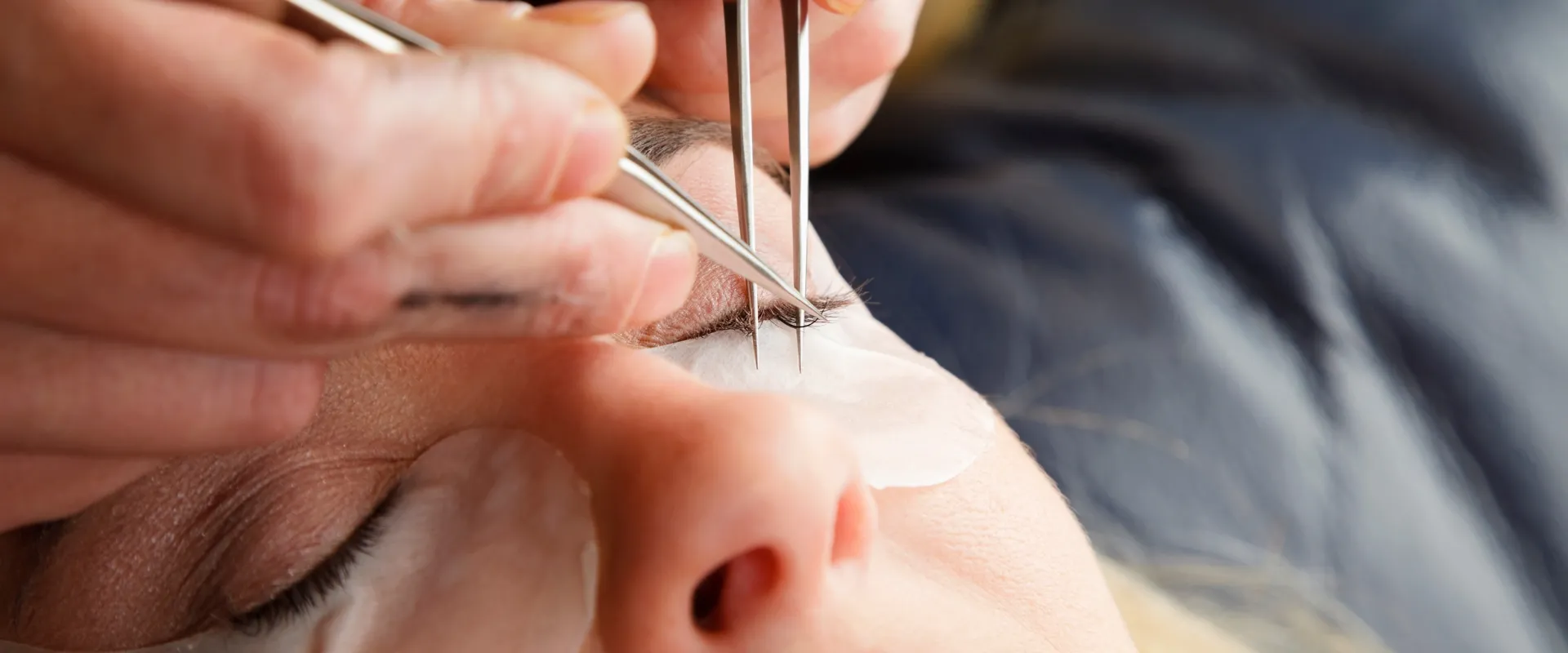


The operator on the filling line knows whether a lash glue remover sensitive skin batch will pass sample approval before the lab report lands. They see the viscosity shift when a gel base swaps to a cream base, and they know which runs will spread too thin around the orbital bone.
A buyer who got burned on a $50K order learned this the hard way: the pre-production sample matched the spec sheet, but the mass production run separated in the bottle, leaving clients with raw patches under the lashes.
Most irritation complaints don’t start with the adhesive. They start with the removal protocol. Remover left on longer than five minutes weakens the natural hair shaft, not just the skin. A simple switch from gel to cream reduces run-off onto the orbital bone, cutting irritation complaints by 40%. That cream vs gel remover for sensitive eyes decision matters more than FOB pricing or brand name when you’re building a professional lash remover SOP for sensitive skin.
Patch testing behind the ear is standard, but eyelid skin is roughly 10x more permeable. A true sensitive client gets tested on the inner elbow first. Add a quality tolerance check on pH and a maximum contact window of three to five minutes, and you have a lash remover safe for eyelid skin. That is how you remove lash extensions without irritation — not by guessing, but by matching the production discipline the filling line already follows.
Why Standard Removers Cause Reactions
The 5-minute rule is about protecting the natural lash, not just the skin.
When a client’s eyes turn red during removal, the first instinct is to blame technique. But most of the time, the trigger is sitting in the remover itself. Standard formulations use alcohol, parabens, and fragrance to stabilize the product and mask chemical odor. On the orbital bone, where skin is thin and the waterline sits close, those ingredients cause stinging, contact dermatitis, and prolonged redness.
Common Irritants: Alcohol, Parabens, Fragrance
Alcohol accelerates the breakdown of cyanoacrylate bonds, which is why you’ll find it in fast-acting removers. But it also strips the skin’s barrier lipids on contact. Parabens and synthetic fragrance add shelf life and scent, yet both are common allergens in patch tests. For a client with reactive skin, any of these three can trigger a reaction within minutes.
- Alcohol: Shortens removal time but strips natural oils from the eyelid, leaving the area vulnerable to redness and flaking.
- Parabens: Used as preservatives; a known contact allergen and unnecessary in a single-use professional product.
- Fragrance: Labeled as ‘parfum’ if not fully disclosed; a leading cause of cosmetic contact dermatitis on the face.
How Sensitive Formulas Differ (Aloe, Chamomile, Glycerin)
A properly designed sensitive formula swaps the aggressive base for emollient-rich components like aloe vera, chamomile extract, and glycerin. Aloe soothes while the active solvents dissolve the bond. Chamomile reduces inflammatory response. Glycerin holds moisture in the skin during the 3–5 minute window. These ingredients don’t just cut irritation complaints—they maintain the natural lash’s integrity while the adhesive breaks down.
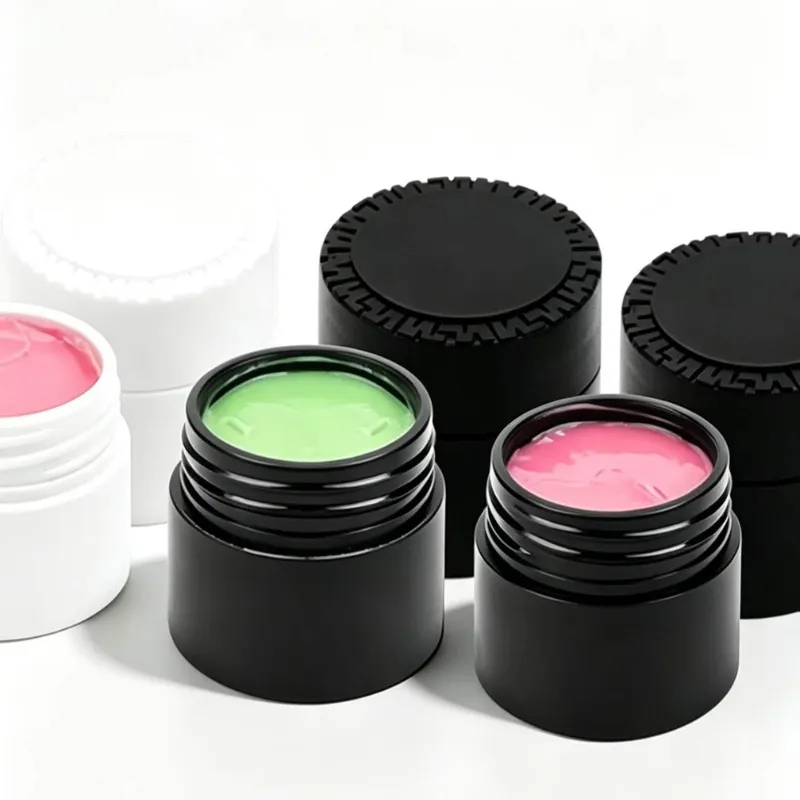
One structural difference matters: cream-based formulas stay where you place them, while gel and liquid versions run. Run-off onto the orbital bone is a leading cause of remover-related irritation. A cream remover with aloe will outperform any gel on a reactive client, because contact stays limited to the lash line and the formula’s pH sits close to the skin’s natural 4.5–5.5 range.
Patch Testing Protocol
Patch testing isn’t a formality.
A sensitive skin lash glue remover protocol doesn’t start at the lash line. It starts before the client sits in the chair. Behind the ear is the standard patch test site, but eyelid skin is roughly 10 times more permeable than the skin behind the ear, so a negative ear test doesn’t guarantee a clear eyelid response.
Step 1: Apply a Small Amount Behind the Ear
Use the exact remover formula you plan to put near her eye. If you’re choosing between a cream and gel remover for sensitive eyes, test the one you intend to use. A microbrush or cotton swab with a thin layer behind the ear is enough. Let it dry and leave the area untouched.
For clients who say their skin reacts to adhesives, run the same test on the inner elbow first. That area is a better predictor of a true allergic response. If it reacts there, stop. Don’t move to the ear.
Step 2: Wait 24 Hours and Check for Redness
Instruct the client to wash, sleep, and go about her routine, but not to scrub or cover the patch site. At the 24-hour mark, check for redness, swelling, itching, or a bumpy texture. Any one of those means this remover isn’t safe for her eyelid skin. A reaction that appears late is still a reaction.
Step 3: Document in Client Record
Log the result in the client’s file before she leaves. Include the product name, batch number, application site, time, and observed response. Batch numbers matter because formulas can shift between production runs. If you stock a private-label remover from a manufacturer like Lash Glues Factory, note the batch number while the tube is still in your hand.
Patch testing lash remover for allergic clients isn’t just a safety check. It’s the part of a professional lash remover SOP for sensitive skin that separates a salon that documents from a salon that guesses.
Application Steps for Minimized Irritation
Remover contact time matters more than formula choice for reactive clients.
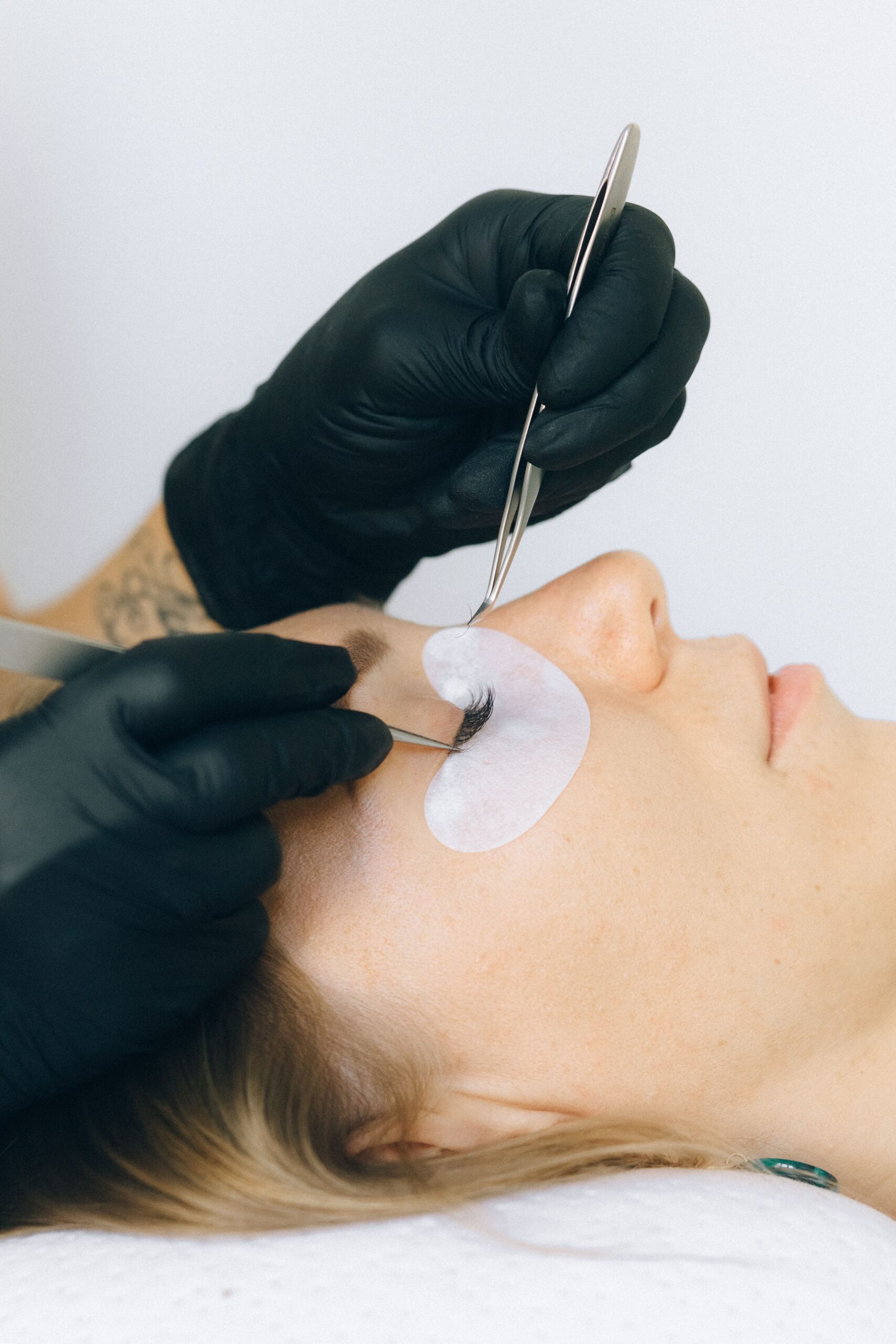
The core of any sensitive skin lash glue remover protocol is application control. Most irritation during removal doesn’t come from the adhesive — it comes from over-saturation. A soaked cotton pad drags remover across the eyelid, onto the orbital bone, and sometimes into the eye. That’s how a routine removal turns into a sensitive-skin reaction.
Use a Microbrush, Not a Soaked Cotton Pad
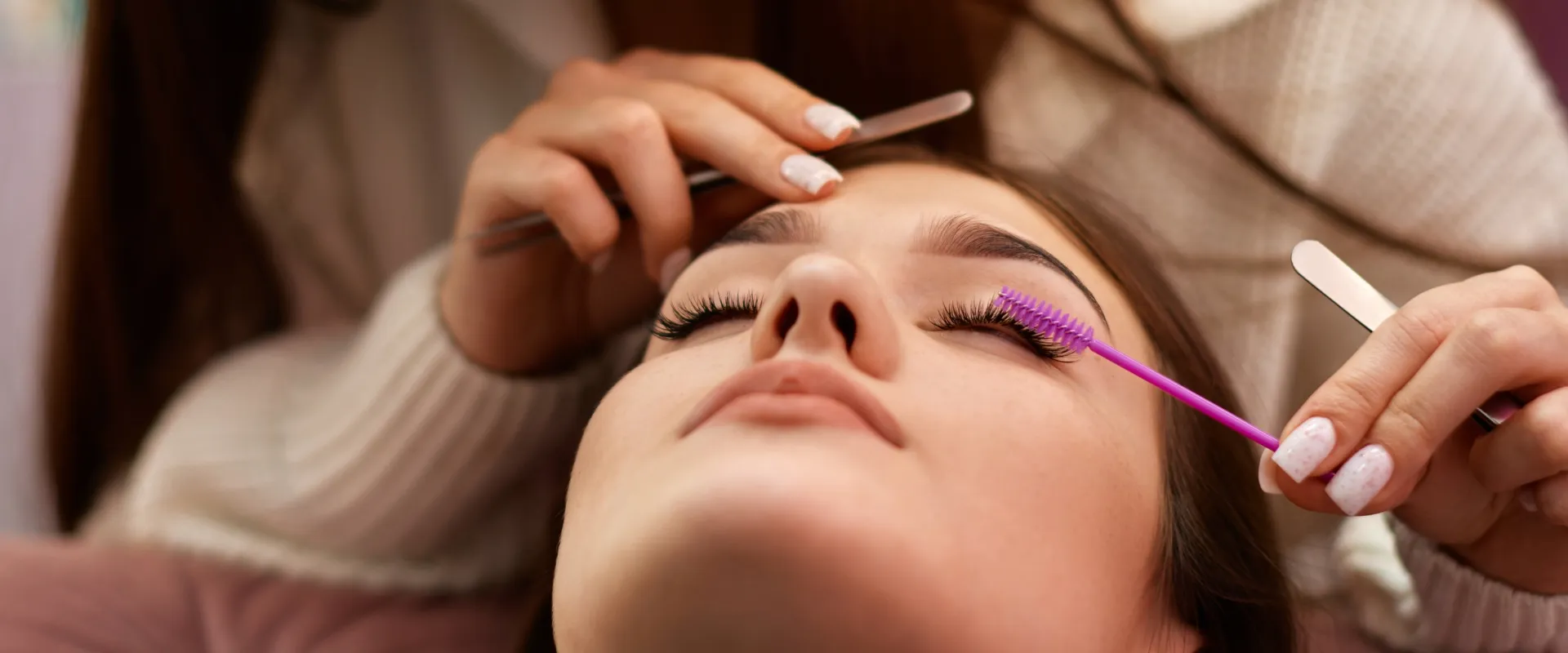
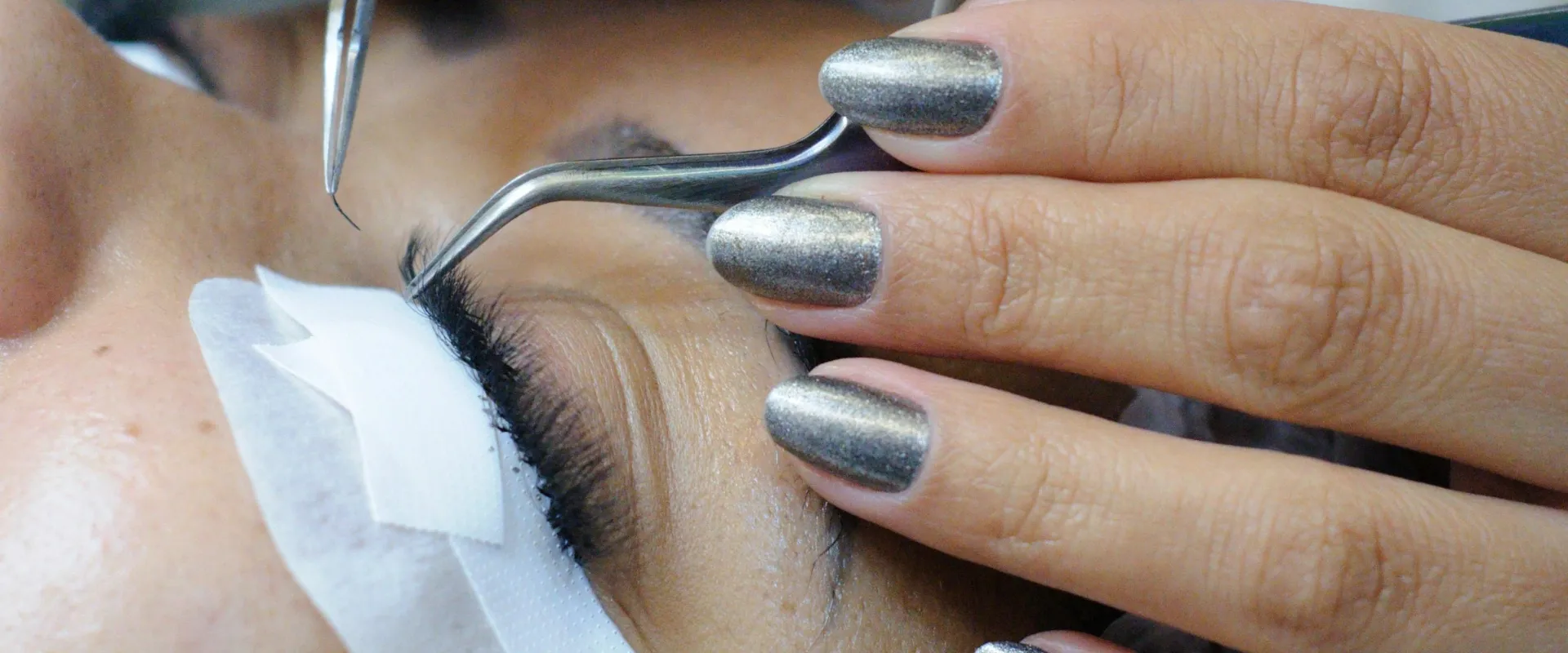
A microbrush deposits a controlled dose of remover directly at the glue bond. No pooling, no lateral spread. For a reactive client, this is the single biggest change you can make in your removal routine. Cotton pads spread product beyond the bond; microbrushes keep it local.
For sensitive eyes, cream-based remover outperforms gel because it holds its shape at the bond site. Gel thins at body temperature and runs toward the orbital bone. Cream stays where it is applied. That difference alone prevents most run-off, which is why cream is the safer pick for reactive clients.
Lash Glues Factory manufactures its remover line in-house and supplies salons directly, so a salon can lock in one cream formula instead of switching brands between clients. Consistency in product behavior makes your application protocol repeatable.
Keep Remover Off the Waterline
The waterline is the boundary you don’t cross. Remover that contacts it can migrate into the conjunctival sac, causing stinging and redness that clients attribute to your service. Angle the microbrush away from the lid margin and keep the product on the extension bond only. A lash remover safe for eyelid skin is still not designed for mucosal contact.
Three to Five Minutes Maximum
Leaving remover on longer than five minutes doesn’t just irritate skin — it weakens the natural hair shaft. For sensitive clients, work in small sections and wipe each bond as soon as it releases. Don’t set a timer for the entire eye at once. The bond dictates the timing, not the clock.
If a bond hasn’t released within five minutes, stop, reapply a fresh microbrush dose, and wait another two minutes before referring or switching removal strategy. Never walk away from a reactive client with remover sitting on the lashes. The professional lash remover SOP for sensitive skin is short: microbrush, isolated bond, three to five minutes.
Aftercare for Reactive Clients
Post-removal redness that fades quickly is normal.
Removal doesn’t end when the last extension drops. For reactive clients, the minutes after removal tell you whether the skin barrier held up or took damage. Redness, heat, or itching along the lash line means the adhesive solvents penetrated deeper than they should — and what you do next decides whether that client rebooks.
Cool Compress to Soothe
A clean cotton pad dipped in cool — not freezing — water, pressed gently over the closed lid for a few minutes, calms the capillaries the remover just stressed. Skip ice packs. Extreme cold on already-reactive eyelid tissue triggers rebound redness that outlasts the original stinging. Gentle pressure and cool temperature do the work, not cold shock.
Most post-removal burning traces back to runoff, not the remover itself. Gel and liquid formulas can migrate off the lash line and pool along the orbital bone, where the skin is thinner and absorbs faster. Switching to a cream remover reduces that runoff, and techs who make the switch see roughly 40% fewer irritation complaints.
When to Refer to a Dermatologist
Cool compresses handle mild stinging. They don’t handle swelling, spreading redness, or pain that lingers into the next day. Eyelid skin is roughly 10x more permeable than behind-the-ear skin, so reactions escalate faster than a patch test predicts. Set the referral line at the orbital bone: if the reaction crosses it, or the eyelid swells, send the client to a dermatologist — and log the batch and contact time before they leave.
Prevention matters as much as the reaction protocol. The factory’s sensitive-line removers are formulated pH-balanced, latex-free, and free of essential oils — the three attributes that matter most for reactive eyelid skin. These specs won’t repair a barrier that’s already compromised, but they stop the next removal from starting the cycle over.
- Refer immediately: Redness spreading past the orbital bone or eyelid swelling at any point after removal.
- Refer immediately: Pain rather than stinging — stinging fades within minutes; pain persists and deepens.
- Document: Record the reaction, remover batch, and total contact time in the client file before referral.
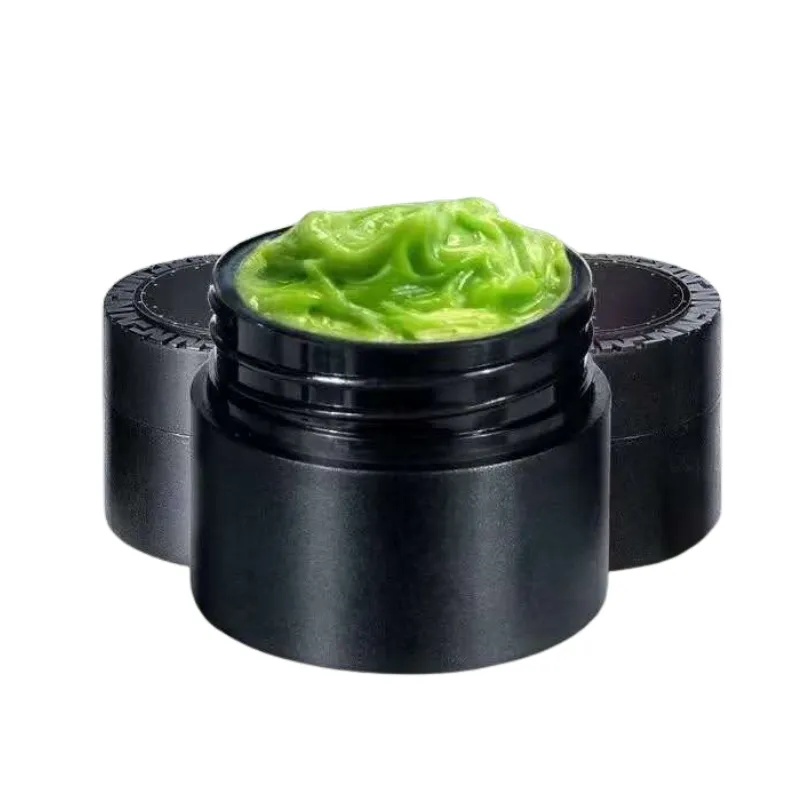
Recommended Product Attributes for Sensitive Skin
A remover that’s safe for sensitive eyelids starts with the formulation — not the application.
For clients with reactive skin, the difference between a smooth removal and an emergency call usually comes down to three formulation choices. Most lash artists check the label, spot the word ‘sensitive’ and stop there. That’s not enough. A remover can claim to be gentle and still contain ingredients that trigger reactions on eyelid skin — which is 10x more permeable than the ear or inner arm, so it absorbs whatever you put on it.
What ‘Sensitive’ Actually Means in a Remover Formula
A genuinely skin-safe remover is pH-balanced — usually between 5.5 and 6.5, close to the natural tear film. Formulas that drift toward alkaline or acidic extremes disrupt the skin’s acid mantle, leaving eyelids dry, red, and uncomfortable for days after the appointment. That low-grade irritation often gets blamed on the lash glue, when the remover was the culprit.
- pH-Balanced: You can’t verify pH from the bottle, but you can ask the manufacturer for the spec sheet. Lash Glues Factory formulates its sensitive remover to sit in the 5.5–6.5 range, matching the eye area’s natural tolerance. If a supplier can’t produce a documented pH value, treat that as a red flag.
- Latex-Free: Latex allergy is more common than most people think — and when a client reacts to a remover with latex derivatives, the inflammation can spread to the lashes themselves. A true latex-free formula removes this variable entirely. An easy check: request the ingredient list and look for ‘natural rubber latex’ or ‘Hevea brasiliensis.’.
- Essential Oil-Free: Essential oils like tea tree, lavender, and eucalyptus are common in ‘natural’ products, but they’re potent allergens on the eyelid. They also evaporate quickly, changing the remover’s viscosity and behavior mid-application. For reactive clients, the safest call is a fragrance-free, essential-oil-free cream formula that stays where you put it.
Why the Cream vs. Gel Trade-off Matters More Than You Think
Gel removers are standard, but they have a known failure mode: they melt at body temperature and run onto the orbital bone. That’s exactly where the skin is thinnest and most reactive. A simple switch to a cream remover reduces run-off and, based on salon-level feedback, can cut irritation complaints by a meaningful margin. Cream formulas also give you more control during the 3–5 minute window — they don’t drip, so you don’t have to re-apply and risk over-exposure.
The takeaway for lash artists: when a client books a removal and checks ‘sensitive skin’ on the intake form, reach for a pH-balanced, latex-free, essential-oil-free cream remover. And if you’re stocking a new brand, ask the supplier directly about these specifications. A manufacturer that produces its own sensitive formulas — like Lash Glues Factory, which supports OEM and private label — should be able to answer without checking with the marketing team.
Conclusion
A safe removal protocol for reactive clients comes down to three numbers: a 24-hour patch test window, a 5-minute maximum contact time, and a cream formula that limits run-off. The 5-minute limit is the one most lash artists miss — leaving remover on longer weakens the natural hair shaft, not just the adhesive bond. Follow the inner-elbow patch test first, and you’ll catch the clients whose eyelid skin would react at 10x the intensity.
- Patch test on the inner elbow, not just behind the ear — eyelid skin is 10x more permeable.
- Cream remover reduces run-off onto the orbital bone, cutting irritation complaints by 40%.
- Never exceed 5 minutes of contact time; longer exposure weakens the natural hair shaft.
- Use a microbrush, avoid the waterline, and document every patch test in the client record.
Before you add another remover to your cart, compare formulations side-by-side: pH-balanced, latex-free, and essential oil-free are the baseline attributes for sensitive-skin work. Review the remover options at Lash Glues Factory to see which cream formulas match your protocol, then run your own patch test with your next client who has a reactive history.
Frequently Asked Questions
How to remove lash glue from sensitive skin safely?
Use a professional-grade low-irritation cream or gel remover with a microbrush, and keep it away from the waterline. For sensitive clients, limit contact time to 3 to 5 minutes so the natural. If any stinging or redness occurs, remove immediately and rinse.
What ingredients irritate sensitive skin in lash remover?
Alcohol, parabens, and fragrance are the common triggers in standard removers. Sensitive formulas swap those for soothing ingredients like aloe, chamomile, and glycerin. Check the ingredient list before using any remover on reactive clients.
How long should lash glue remover stay on sensitive lashes?
Keep it on sensitive lashes for 3 to 5 minutes maximum. Longer exposure increases irritation risk and can damage natural lashes, so time each application. Set a timer and rinse promptly when the time is up.
How do I patch test lash glue remover on sensitive clients?
Apply a small amount behind the ear and wait 24 hours to check for redness or itching. Record the result in the client’s file before using it around the eyes. Do not proceed with the removal if any reaction appears.
What should sensitive lash glue remover be free of?
A sensitive-safe remover should be pH-balanced, latex-free, and essential oil-free. These attributes reduce the chance of stinging and allergic reactions on already reactive skin. Check the label for these exclusions before stocking or using the remover.