

The second order is where many private-label lash glue brands get their first surprise. The formula is the same, the supplier is the same, and the label has not changed, yet the new lot feels thinner, sets faster, or draws strings on the tray. A repeat order is not a copy of the first batch; it is a new production run with new raw material lots, a larger fill, and different process timing. Before you double the order, compare the new lot to the first one under the same conditions and check the variables that change when a batch gets bigger.
Why a repeat order is a new product
A production batch is a snapshot of everything that went into it: the raw material lots, the mixing order, the temperature, the filling line, the bottles, the caps, and the people running the line. When you order again, most of those inputs are similar but not identical. A pigment or thickener may come from a new supplier lot. A larger mix may heat differently. A filling line may run faster. None of those changes is automatically a defect, but each one can move the product outside the window your first batch established.
The first batch is therefore valuable as a reference, not as a guarantee. It tells you what “normal” looked like for your formula at that scale. The repeat order has to be compared against that reference, not judged on its own. If the new lot is tested only for “passes specification,” you may miss a drift that is still inside the broad spec but outside what your salons felt in the first batch.
This is also why a certificate of analysis alone is not enough for a repeat order. The CoA can show that a lot met its release criteria. It cannot tell you whether the new lot feels like the one your technicians learned to use. The article on what actually releases a lash glue batch explains the difference between a release document and a performance reference.
The master sample and the reference file
Before the first batch ships, keep a master sample. It should be a sealed, labeled unit from the approved lot, stored under the conditions on the label. Keep at least one unit that has never been opened and one that has been opened and used in the same way a salon would use it. The sealed unit is your chemical reference; the opened unit is your use reference.
Build a reference file around those samples. Include the approved formula code, the specification, the CoA, the batch record summary, the bottle and cap specifications, the label artwork version, and the date the lot was approved. Add a short note on what the lot felt like in application: how it dropped from the nozzle, how quickly it tacked, whether it strung, and how it behaved after a full set. That note is not a substitute for a test, but it gives the next reviewer a baseline that a number cannot capture.
When the repeat order arrives, do not open the master sample casually. Keep it sealed until you are ready to run the comparison. Label the new lot with the date it arrived and the purchase order number. If the factory sends a new CoA, file it with the old one so the two can be read side by side.
What to test side by side
The comparison should use the same method for both lots. If the first lot was tested at one temperature and the new lot at another, the results are not comparable. Write a short repeat-order protocol and use it every time.
Appearance and odor
Compare color, clarity, and visible particles in the same light. Check for skinning around the cap or nozzle, sediment, or separation. Odor is subjective, but a trained person can note whether the new lot smells sharper, more solvent-like, or different from the reference. Record the observation rather than just “normal.”
Viscosity under the same conditions
Use the same instrument, spindle, speed, and temperature for both lots. A viscosity result without a method is not a comparison. If the new lot is within the approved range but at the opposite end from the first batch, note it. Salons may feel that difference even when the lab says both lots pass. The article on writing viscosity acceptance criteria shows how to set a range that reflects application, not just a lab number.
Drop and cure behavior
Place a drop on the same surface, at the same room temperature and humidity, and watch how it forms, spreads, and sets. Use the same drop size and the same timing method. Record the working time and the point at which the surface becomes tacky. Do not compare a drop from a new bottle with a drop from an old, half-used bottle; the opened bottle is a different variable.
Bond performance on a controlled set
If your team can run a small set, apply the same number of extensions with both lots on a mannequin or a consenting model. Use the same isolation, the same amount of glue, and the same room conditions. Record how the glue behaves during application, not only how long the set lasts. A lot that feels slow during application may still hold well, but the technician experience matters to your brand.
Packaging and fill
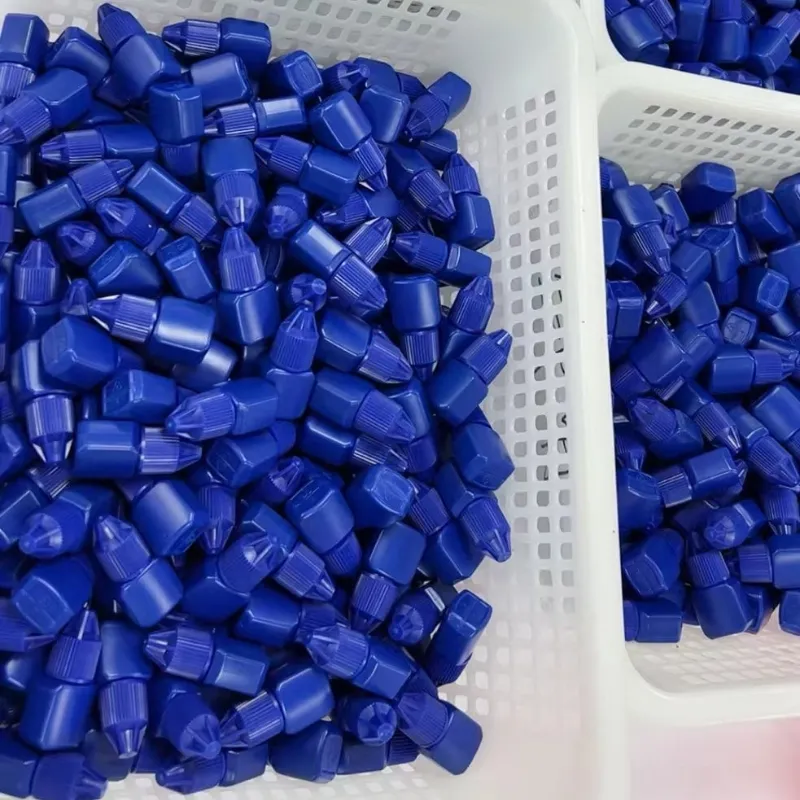
Check the fill weight, the bottle, the cap, the nozzle, and the seal. A new cap supplier or a faster filling line can create leaks or inconsistent drops. Weigh a sample of units from both lots and compare. If the new lot is lighter or heavier, ask whether the fill target changed.
The scale-up variables nobody puts on the CoA
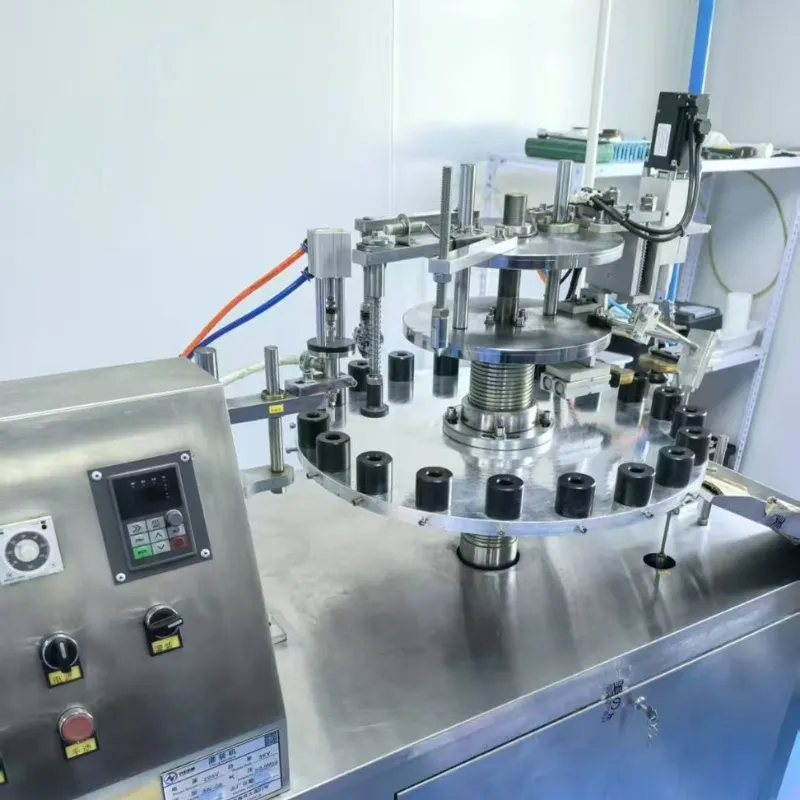
When a batch gets larger, the physics of mixing changes. A larger tank may heat differently, a different impeller may shear the product differently, and a longer transfer line may change how long the material sits before filling. A factory can run the same formula and still produce a different result because the process is not the same.
Ask the factory what changed between the first run and the repeat run. Did the batch size change? Did the mixing time or temperature change? Did the filling line or the bottle supplier change? Did any raw material come from a new lot or a new supplier? A good factory will have a change record. A factory that says “nothing changed” without checking is telling you it does not track the variables that matter.
Raw material change is the most common hidden variable. A thickener from a new lot can shift viscosity. A pigment from a new supplier can change color or dispersion. A new bottle liner can interact with the adhesive. Ask for the raw material lot numbers on the batch record and compare them with the first batch. If a key material changed, ask what qualification was done before the new lot was used.
A repeat-order approval sequence
A simple sequence keeps the decision consistent.
- Check the paperwork first. Confirm the formula code, the lot number, the CoA, and the raw material lot numbers. If the lot number on the certificate does not match the bottle, stop before testing.
- Inspect the unit. Check the bottle, cap, nozzle, seal, label, and fill weight against the reference. Photograph the unit and the carton code.
- Run the bench comparison. Use the same method for appearance, odor, viscosity, drop behavior, and cure. Record the results next to the first batch, not in a separate file.
- Run a small application trial. Use the new lot on a controlled set and compare the technician experience with the reference notes.
- Review the changes. Ask the factory what changed in the batch size, raw materials, line, or packaging. Decide whether the change is acceptable for your brand.
- Release, hold, or reject. If the new lot matches the reference within your agreed limits, release it. If it is outside, hold it and ask for a deviation record. If the factory cannot explain the difference, do not ship it to salons.
The article on sample testing before a full run covers the first-order version of this process. The repeat-order version adds the reference file and the scale-up questions.
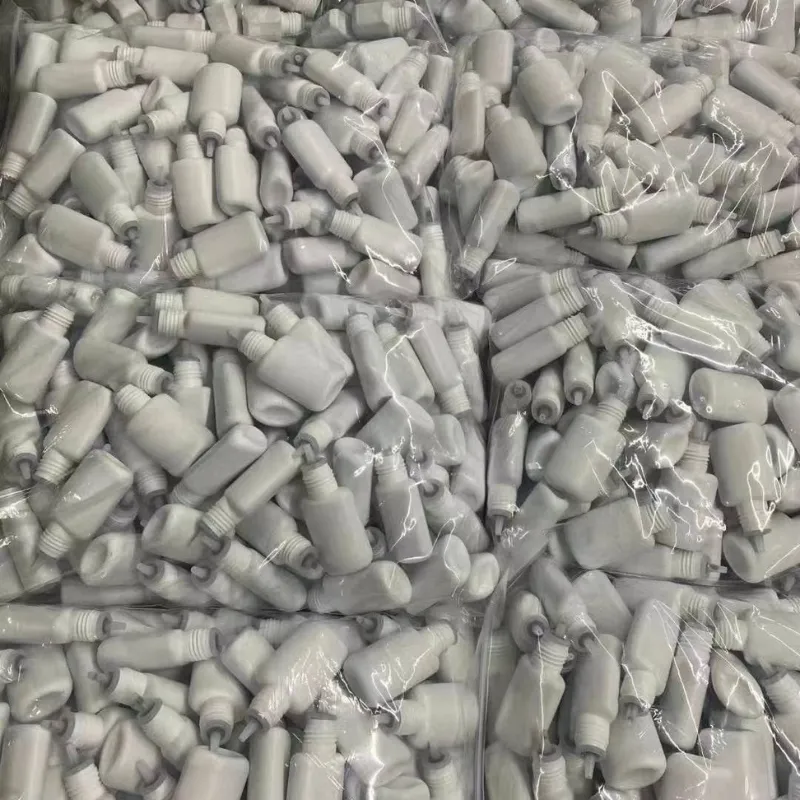
What to do when the new lot fails
Do not let the sales team “try it on a few clients” while the factory investigates. Quarantine the lot, keep the samples, and ask for a written explanation. If the difference is a raw material change, ask for the qualification data. If the difference is a process change, ask for the batch record and the first-off check. If the factory offers a replacement, test the replacement against the same reference before it ships.
If the lot is already with salons, treat it as a traceability event. Use the lot code to identify who received it, ask for feedback in a structured way, and compare the complaints with the reference notes. Do not offer a free refill as a substitute for an investigation. The article on drapeaux rouges de qualité d'usine de cils can help you judge whether the failure is a one-off or a pattern.
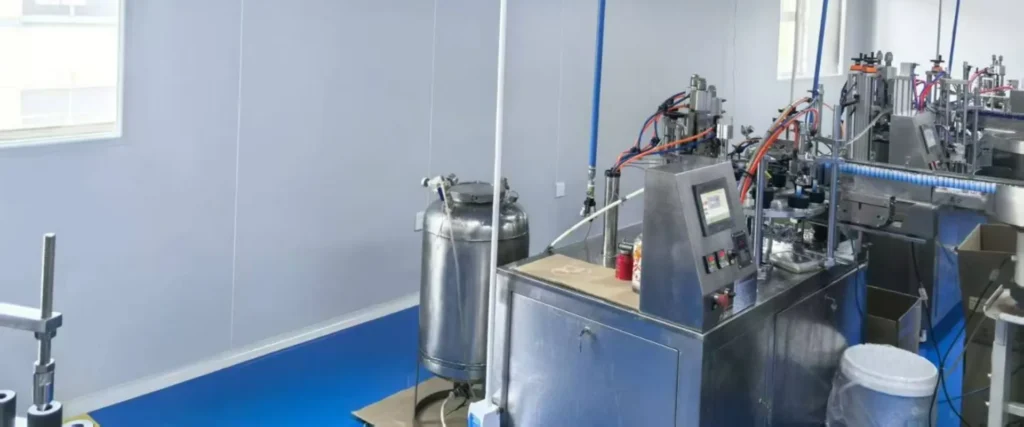
Put the Repeat-Order Checks in the Purchase Order
The easiest way to make the comparison repeatable is to write it into the purchase order. Reference the approved formula code and the first batch as the performance baseline. Ask for a pre-shipment sample from the new run, drawn after filling rather than from the mixing tank. Require written notice before a raw material, bottle, cap, liner, or filling line changes. Ask for the batch record and raw material lot numbers with the shipment. State that you may hold the lot if the comparison fails, and define who pays for a replacement or a re-test.
Those clauses are not legal decoration. They tell the factory which changes matter to you and give your team a document to point to when a lot feels different. A factory that already tracks change control will accept them without much discussion. A factory that resists them is telling you that the repeat order depends on luck.
Approve the Repeat Order Before It Reaches a Salon
A repeat order is not approved because the invoice matches the first one. It is approved when the new lot matches the reference under the same test conditions, the factory can explain what changed, and your team has seen how it behaves in application. Keep the master sample, write the comparison down, and make the release decision before the cartons go to salons.
For the regulatory side of batch records and release documentation, see the FDA’s réglementations cosmétiques dans 21 CFR Part 700. The rule is simple: the first batch earned your trust; the repeat batch has to earn it again.