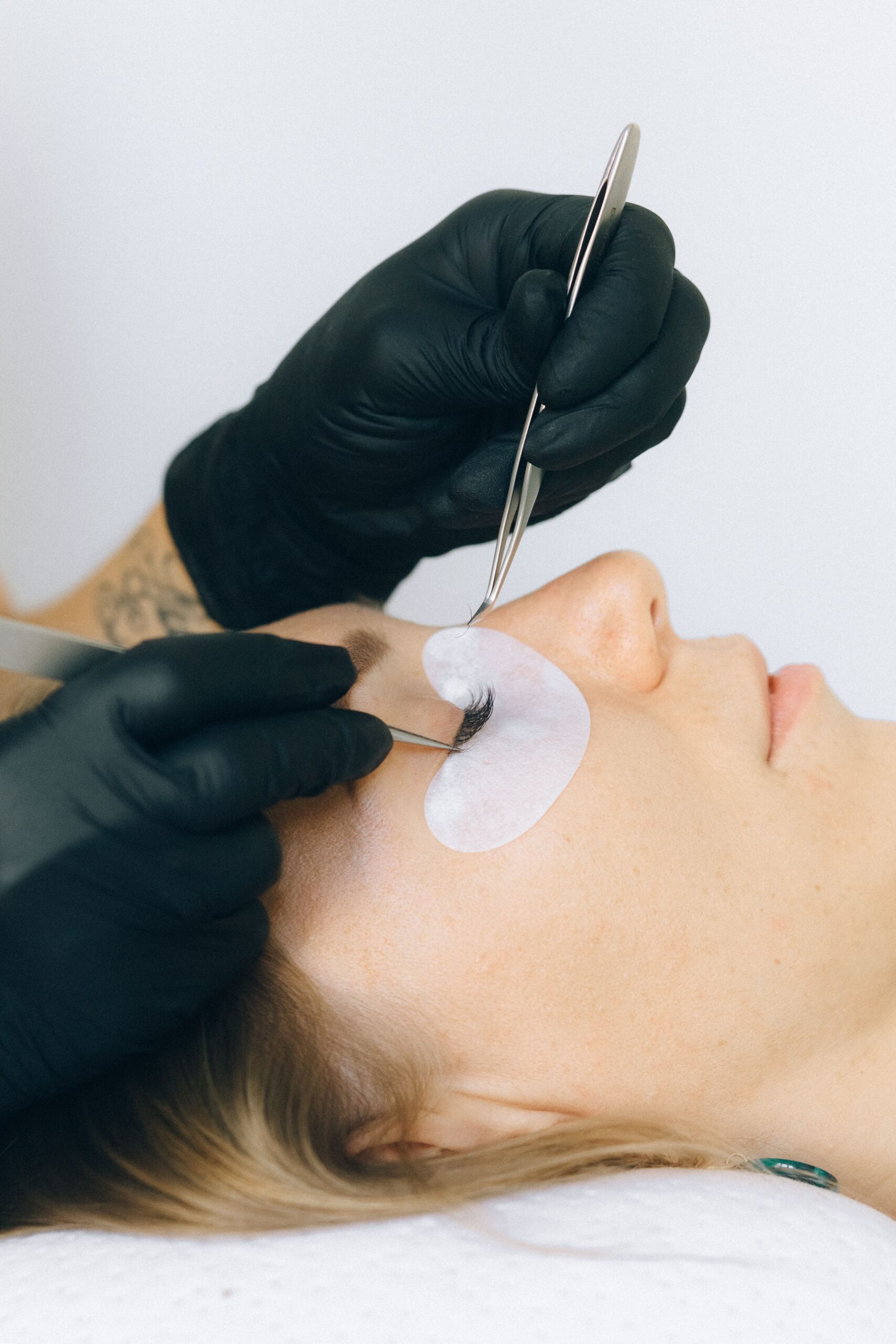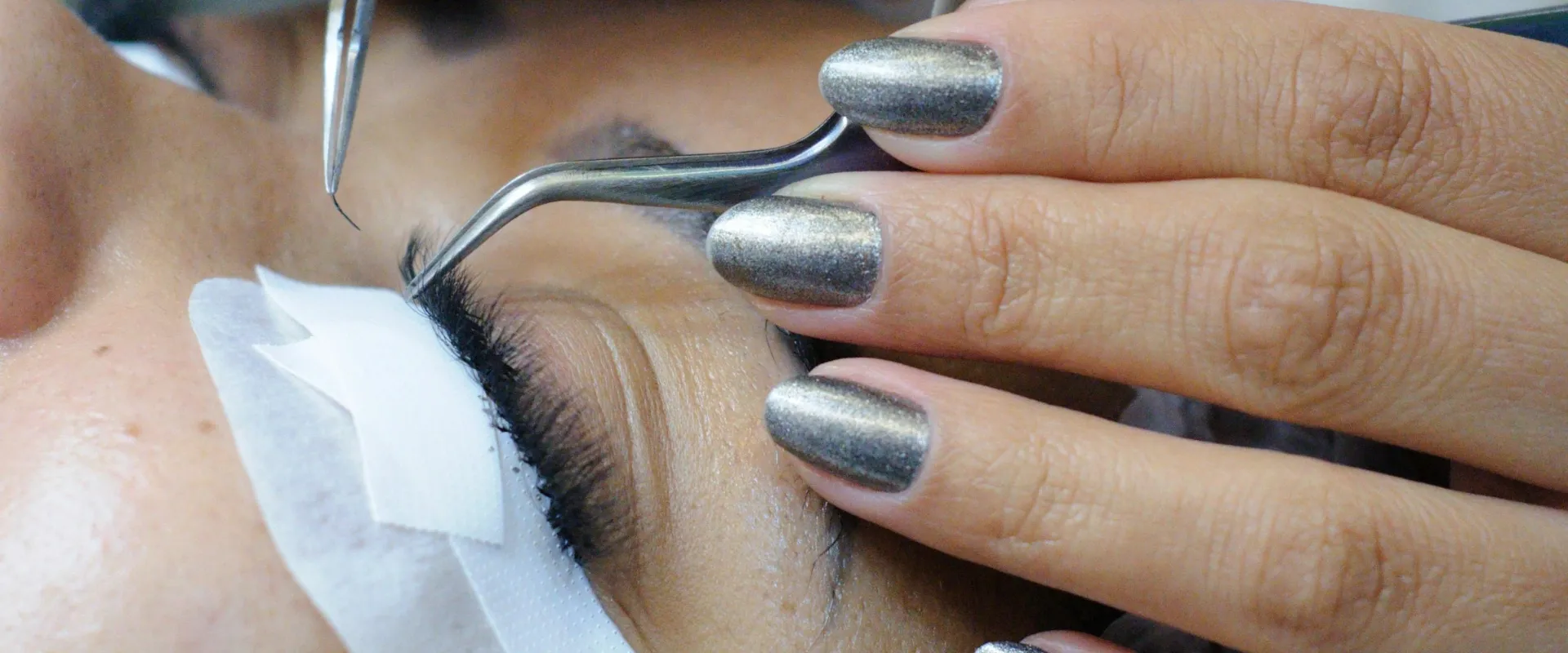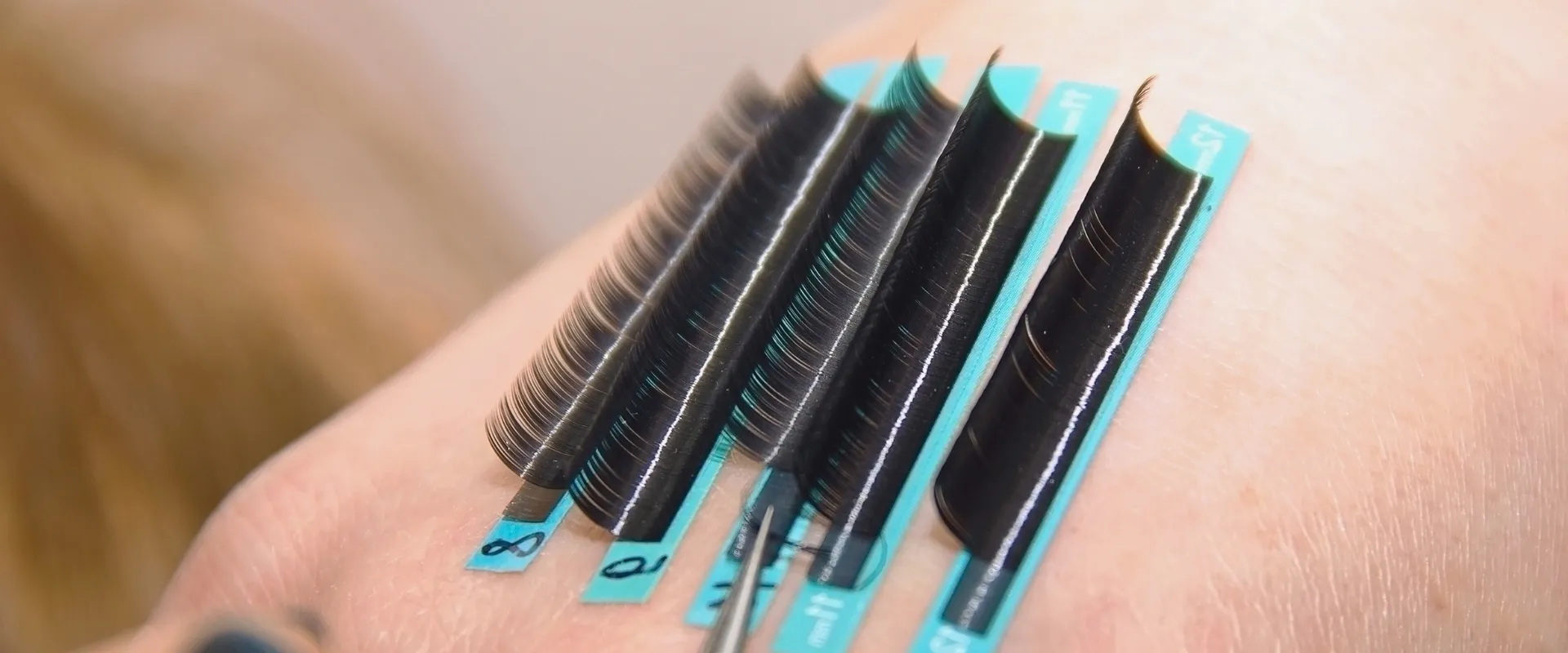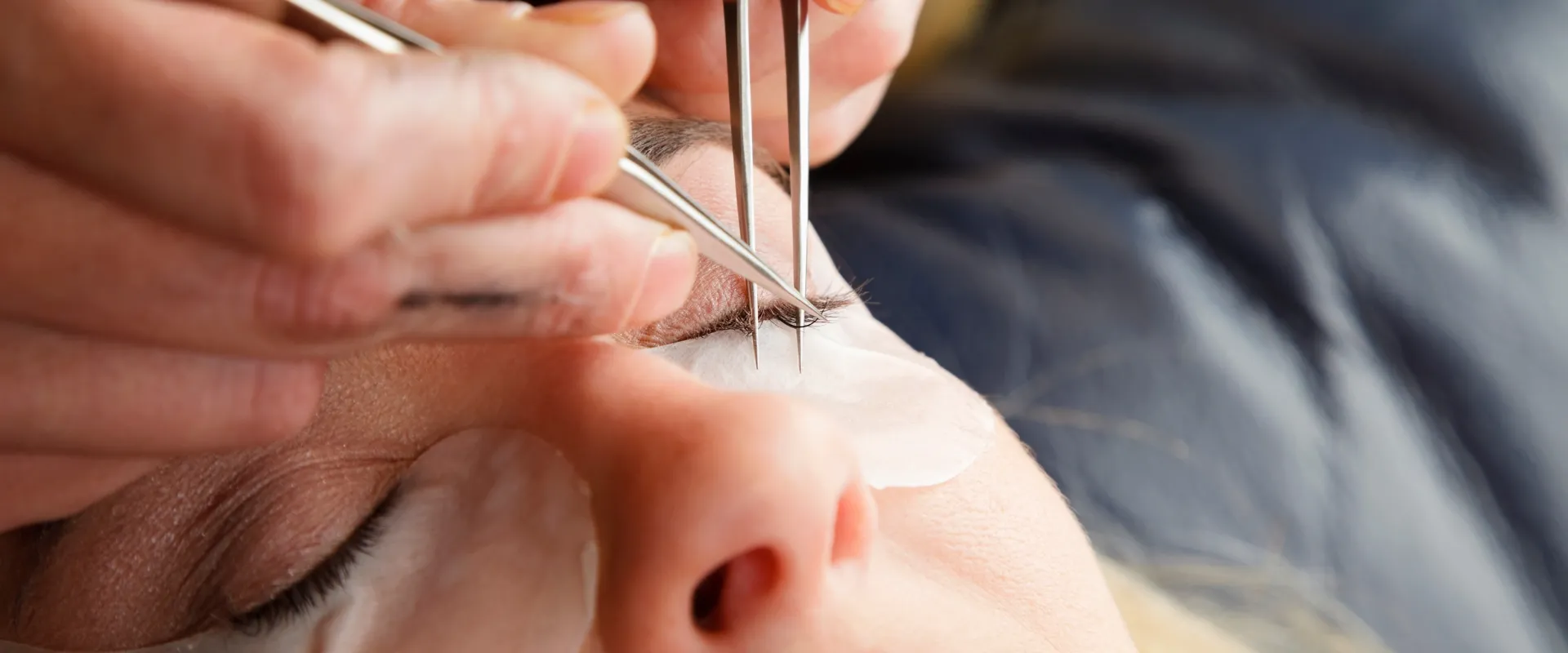


wholesale lash glue buyer guide is the first checkpoint buyers should lock before they approve a supplier, budget, or production slot. “The sample you approved last month doesn’t match the batch we just received.” That call comes in after a salon owner has already booked appointments around a fresh set of wholesale lash glue inventory.
The pre-production sample looked right — same viscosity, same dry time — but the bulk shipment cures differently, fans inconsistently, and suddenly that $50K order is sitting on a shelf while clients reschedule. This is where a wholesale lash glue buyer guide stops being theory and starts saving real money.
I’ve watched buyers skip the document review step because they trusted a supplier’s reputation or a low FOB quote. Then they discover the Safety Data Sheet was never provided, the certificate of analysis shows a different batch number, and the shelf life on the bottles doesn’t match what was promised in the sales call.
Those details don’t feel urgent during price negotiations. They become urgent three weeks later when you’re stuck with adhesive that fails at 45% humidity.

Why Pre-Order Checks Matter
One missed SDS check can cost you $2,000 in reorders and lost clients.
A salon owner in Miami ordered 500 bottles of bulk lash glue from a new supplier. She skipped the SDS verification because the price was right. Three weeks later, the glue started curing in under half a second during application. Lash artists couldn’t adjust the lashes before they locked in place. The entire batch was unusable. No refund. No replacement. That’s a $2,000 loss before counting the clients who walked out mid-appointment.
The Cost of Skipping SDS Verification
The Safety Data Sheet tells you exactly what is inside that bottle — the base monomer, the solvent load, and any restricted chemicals. Roughly 70% of wholesale buyers request an SDS before their first order. The other 30% learn why that matters after the glue fails. Without an SDS, you cannot verify if the adhesive meets FDA or CPNP standards for cosmetic use in your region.
Suppliers who delay or refuse to share an SDS are usually hiding something: a high cyanoacrylate concentration that causes excessive fuming, or a solvent blend that degrades shelf life faster than advertised. If a supplier sends you a vague document with missing sections or no manufacturer details, treat that as a red flag.
Cross-check the listed components against your local regulations. For example, some European markets restrict certain phthalates that are still allowed in Asian cosmetic adhesives. An ISO certified lash adhesive supplier will provide a complete, signed SDS without hesitation.
Sample Testing: Humidity and Cure Time
A pre-production sample sitting on your desk at 45% humidity will cure differently than it will during a humid July afternoon at 70%. Most buyers test one sample under ideal conditions and assume that represents every future batch.
That assumption costs money. Request three vials from the same production run. Test one at low humidity (35-40%), one at standard salon conditions (50-55%), and one at high humidity (65-70%). Note how many seconds each takes to reach full cure strength.
A quality tolerance of ±0.5 seconds across all three tests is acceptable. A swing of 2 seconds or more means the formulation lacks stabilizers needed for consistent performance across climates.
Lash glue sample testing for humidity and cure time also reveals whether the supplier uses consistent raw material batches between sample runs and mass production orders.
Key Documents to Request
SDS and COA are the two documents that separate professional suppliers from resellers.
Before you place a bulk order, you need two documents from every supplier: the Safety Data Sheet (SDS) and the Certificate of Analysis (COA). These are not optional paperwork. They are the only way to verify what is actually in the bottle before you commit thousands of dollars to a production run.
Safety Data Sheet (SDS)
The SDS tells you exactly which chemicals are in the adhesive and at what concentration. For eyelash glue, the critical components are cyanoacrylate monomers, stabilizers, and any additives for flexibility or sensitivity. A legitimate manufacturer will provide an SDS that lists the CAS numbers for every ingredient above 1% concentration.
Here is what most buyers miss: check the revision date on the SDS. An outdated document — anything older than three years — means the formula may have changed without your knowledge. Also verify that the SDS matches the specific product SKU you are ordering. Some suppliers use a generic SDS for multiple formulas, which is a compliance risk if an inspector or customs agent flags it.
If a supplier hesitates to share their SDS before payment, move on. Reputable factories like Lash Glues Factory provide full disclosure upfront because they formulate under controlled conditions and batch-track every component.
Certificate of Analysis (COA)
The COA is your proof that a specific production batch meets its stated specifications. Unlike the SDS, which describes the formula in general, the COA applies to one batch number and includes actual test results: viscosity range, cure time under standard conditions (typically 25°C and 50% humidity), color consistency, and bond strength.
“What to look for in a lash glue certificate of analysis” comes down to three data points. First, confirm that viscosity falls within ±10% of your target spec — wider variance means inconsistent application during busy salon days. Second, check that cure time aligns with what was promised in your sample testing phase. Third, look for a clear pass/fail result on stability testing after accelerated aging (usually 7 days at 60°C).
“Lash glue sample testing humidity cure time” should match what appears on the COA from later production batches. If your sample cured in 2 seconds at 50% humidity but the COA shows 3–4 seconds for batch #B2406, something shifted in production — either raw material sourcing changed or process control slipped.
Shelf Life and Storage Requirements
A bottle that reads “12 months shelf life” means nothing without the right storage conditions.
Every bulk lash glue order comes with a stamped expiry date on the bottle or outer carton. But that date assumes the glue was stored at a stable temperature between 15°C and 25°C from the moment it left the factory floor. If your supplier’s warehouse hit 35°C during a summer shipment, that 12-month shelf life drops to maybe 6.
How to Read Expiry Dates
Most manufacturers print the production date and a “best before” date in DD/MM/YY format. The number you care about is the gap between them. A standard cyanoacrylate-based lash adhesive holds full performance for 6 to 12 months when sealed. After opening, that window shrinks to roughly 3 months. If a supplier offers glue with only 4 months of remaining shelf life at delivery, negotiate a discount or reject the lot.
Some suppliers hide this data until after purchase — they show you a fresh sample but ship stock that is already 8 months old. Always request a photo of the batch code and expiry stamp on the actual cartons before payment. For private label orders, specify in your contract that delivered goods must have at least 80% of original shelf life remaining.
Temperature and Humidity Control
Lash glue degrades fastest when exposed to heat above 30°C or humidity below 40%. The chemical reaction that cures the adhesive starts accelerating the moment temperatures climb. A case study from one distributor showed that glue stored at 28°C for two weeks lost half its bond strength in independent cure-time tests.
– Storage temperature: Keep unopened bottles at 18°C to 22°C. Avoid refrigerators unless your supplier explicitly states their formula tolerates cold storage. – Humidity during use: Application area should stay between 45% and 65% relative humidity. Below that, cure time stretches; above it, the glue flashes off too fast. – Bulk warehouse checks: Ask for temperature logs from your supplier’s storage facility. A manufacturer who cannot provide weekly temp data likely does not monitor it.
Red Flags in Wholesale Suppliers
A supplier that hesitates on documentation is hiding something.
You request a Safety Data Sheet and the sales rep says they’ll send it “after the order.” That’s not a delay — that’s a red flag. In lash glue wholesale, the SDS should be available before you even ask. If a supplier cannot produce basic compliance documents within 24 hours, they likely don’t have them. And if they don’t have them, your shipment sits at customs or gets flagged during a routine salon inspection.
The Documentation Dodge
Transparency starts with paperwork. A legitimate manufacturer will share their FDA registration, CPNP number, and Certificate of Analysis without requiring a signed contract first. When a supplier deflects — “we’ll include it in the shipment” or “our compliance team will email it later” — they are buying time to fabricate documents or hoping the buyer forgets. For salon owners buying bulk, this is the fastest way to end up with glue that fails adhesion testing at 50% humidity.
Unrealistic MOQ as a Smoke Screen
A supplier quotes 5,000 units as minimum order quantity but can’t tell you their batch size or production lead time. That MOQ isn’t based on manufacturing efficiency — it’s designed to lock you into a large financial commitment before you discover quality issues. Professional lash glue minimum order quantity checks should always include asking: “What is your standard batch size?” If the MOQ doesn’t match their batch capacity by more than 20%, the number is arbitrary.
Some suppliers use inflated MOQs to mask inefficiency. They need your order to fill an entire production run because they can’t manage small-batch consistency. A factory that can maintain formula stability across 500-unit runs has tighter process control than one demanding 5,000 units upfront. For salon owners scaling from single-location to multi-chair operations, getting stuck with excess inventory from an untested supplier drains cash flow faster than rent.
Conclusion
Skipping these checks costs more than a bad batch. A missed SDS verification or a sample tested only in ideal humidity can lock you into a year’s worth of glue that fails in your salon’s real conditions. The time spent on pre-order diligence is the cheapest insurance against a $5,000 inventory write-off.
- Request SDS and COA before the first quote.
- Test samples at both low and high humidity.
- Confirm shelf life in writing before payment.
- Walk away from suppliers hiding MOQ details.
You now have a checklist to separate transparent manufacturers from those who cut corners. Apply it to your next shortlist of suppliers — start by comparing their sample approval process and whether they share cure-time data for different humidity levels. Review the product specifications on our cluster lash glue page to see how an ISO-certified supplier structures its documentation upfront.
Frequently Asked Questions
What documents should I request from a lash glue supplier?
Request a Safety Data Sheet and Certificate of Analysis before any bulk order. The SDS confirms ingredients and handling precautions, while the COA verifies batch consistency and cure time performance. Always ask for both documents before committing to a large order.
How can I verify a wholesale lash glue batch is consistent?
Use a Certificate of Analysis from the supplier to compare adhesive strength, setting time, and viscosity against your approved sample. Batch-to-batch variation is a common risk that this document. Test the COA’s numbers against your own lab or field tests for confirmation.
What are red flags when choosing a lash glue manufacturer?
Lack of transparency on SDS, COA, or storage conditions is a major red flag. Also watch for unrealistic minimum order quantities that lock you into a high-volume commitment without sample. If the supplier avoids sharing documents, move on to the next candidate.
How do I test a lash glue sample before bulk order?
Test the sample under your salon’s actual humidity and temperature range to confirm cure time and retention. The approved sample must match production COA numbers to avoid surprise inconsistencies. Never skip a real-environment test before scaling up your order.
What is the typical shelf life of professional lash glue?
Most professional lash glues have a 6- to 12-month shelf life when stored in a cool, dark place with consistent temperature and low humidity. The expiry date printed on the. Always check your storage setup before relying on the stated shelf life.