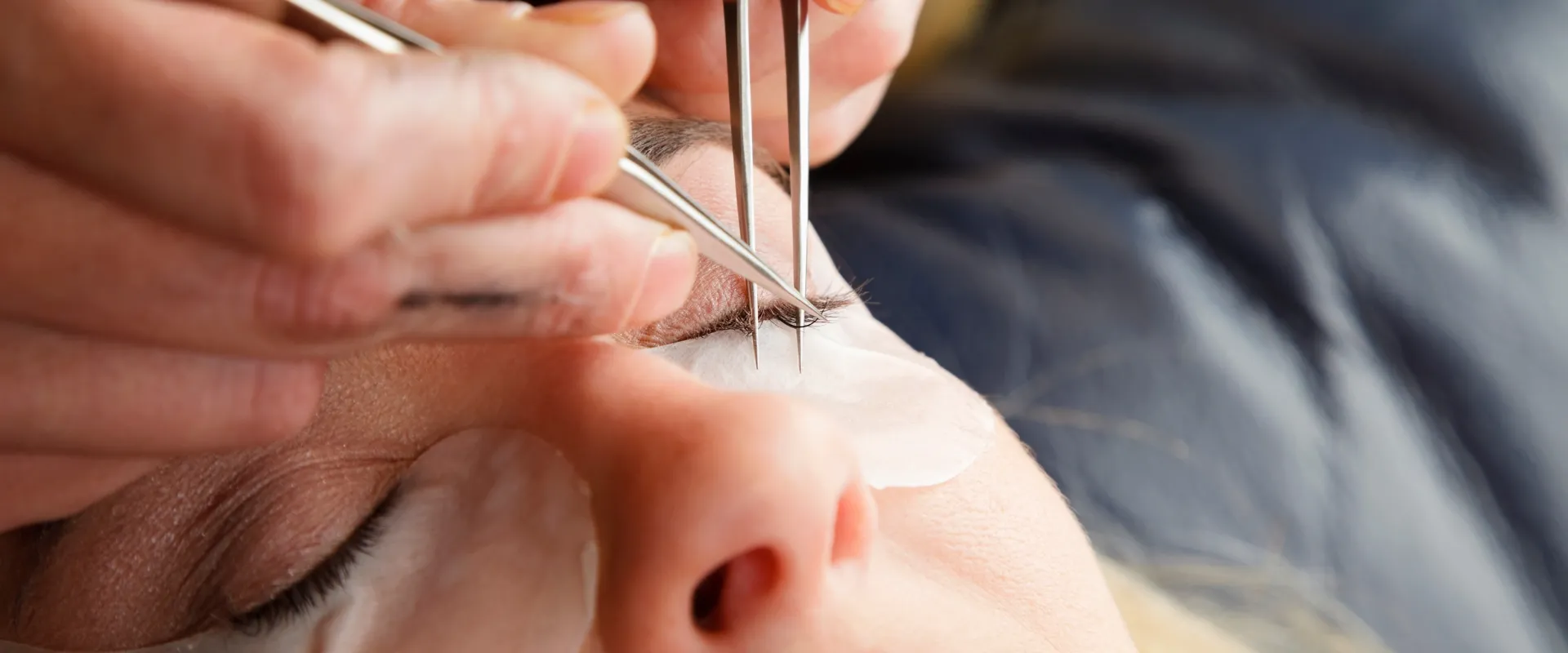


Lash glue remover shelf life is the first checkpoint buyers should lock before they approve a supplier, budget, or production slot. Every lash artist has been told to refrigerate their remover after opening. It sounds logical — keep it cool, keep it fresh. But that advice is wrong for most formulations. Below 10°C, the solvent base in cream and gel removers starts to thicken, turning a smooth application into a clumpy, uneven mess. The real enemy of lash glue remover shelf life isn’t heat. It’s air exposure and temperature swings.
I’ve watched a salon waste nearly a quarter of every bottle because the remover sat on a shelf six inches from the lash glue heater. The constant warmth accelerates solvent evaporation, even through a sealed cap. That’s a direct hit to your cost-per-service. The best way to store lash remover for salons is a stable 15–25°C drawer, away from both heat sources and direct sunlight. If you’re comparing bulk lash remover packaging shelf life, pay attention to the container — factory-filled bottles sealed under nitrogen hold potency for up to 36 months, while repackaged stock from distributors often drops to 12 months without anyone realizing why.
Why Does Lash Glue Remover Expire?
Expired remover won’t dissolve cured adhesive.
Lash glue remover expires because its active solvents break down over time. The two main workhorses in most formulas — propylene carbonate and gamma-butyrolactone — are volatile organic compounds. They evaporate even at room temperature, and once the solvent concentration drops below a critical threshold, the remover can no longer penetrate and soften the cured cyanoacrylate polymer.
Chemical Breakdown of Active Solvents
Propylene carbonate is a polar solvent that swells the adhesive matrix. GBL works by disrupting the polymer chains. Both are sensitive to moisture and UV light. When a bottle is opened, air enters and introduces water vapor. Hydrolysis begins — the solvent molecules react with water and lose their dissolving power. The reaction is slow but cumulative. After 6–12 months of repeated opening, the active solvent content can drop by 30–40%.
Factory-filled bottles sealed under nitrogen can last up to 36 months unopened. But once that seal breaks, the clock starts ticking. Distributors who repackage bulk remover into cheaper containers without nitrogen flushing cut that shelf life to 12 months without realizing it. The difference is the headspace gas. Air in the bottle accelerates degradation; nitrogen preserves it.
Signs of Degradation: Odor, Color Change, Thickening
Three physical cues tell you the remover has turned. First, the odor shifts from a mild chemical smell to a sharp, acrid one — that’s the solvent breaking into acidic byproducts. Second, the color darkens. Fresh remover is clear or slightly tinted. A yellow or brownish hue means oxidation has set in. Third, the consistency thickens. This is counterintuitive because most people expect evaporation to make liquids thinner. But as the lighter solvent molecules escape, the remaining solution becomes more viscous and harder to spread evenly.
The average lash artist wastes 25% of their remover because they store it next to the lash glue heater. The heat accelerates solvent evaporation, and the bottle’s contents degrade faster than the label suggests. If your remover has turned syrupy or smells wrong, toss it. Using degraded remover means longer soak times, more tugging on the natural lash, and incomplete removal.
Optimal Storage Conditions
Store remover at 15–25°C.
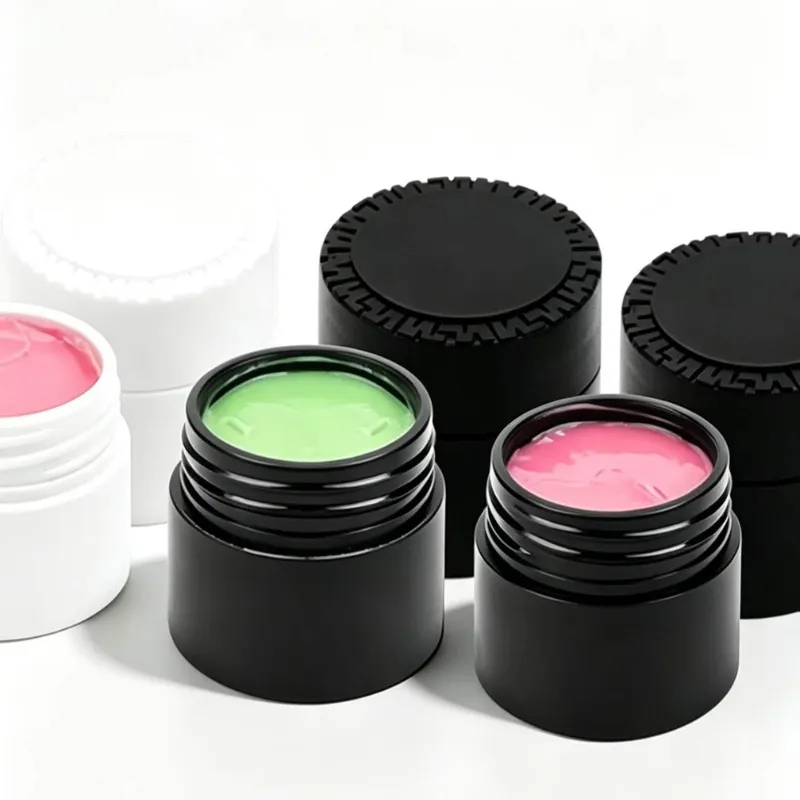
The sweet spot for lash glue remover is 15–25°C (59–77°F). That’s room temperature, not a cold drawer, not a hot shelf. Below 10°C, the active solvents in cream and gel removers start to thicken. The texture turns uneven, application becomes patchy, and you end up using more product to get the same result. That’s the real cost of the ‘refrigerate after opening’ myth — wasted remover and inconsistent performance.
Keep Away from Direct Sunlight and Heat Sources
UV light breaks down the solvent structure in remover faster than any other factor. A bottle left on a salon windowsill can lose half its effective life in under two months. Heat is the second killer. The average lash artist wastes about 25% of their remover because they store it next to the lash glue heater. That constant warmth accelerates solvent evaporation. The remover doesn’t go bad — it just dries out.
Why Not to Refrigerate Most Removers
Refrigeration sounds logical for preserving any chemical product. But lash remover isn’t lash glue. The solvents in cream and gel removers are designed to stay fluid at room temperature. Drop them below 10°C and the formula thickens, sometimes separates. You might shake it back to a uniform consistency, but the viscosity won’t return to factory spec. Liquid removers are even more sensitive — cold temperatures can cause ingredients to crystallize, clogging the nozzle on the next use.
The exception is if you live in a climate where room temperature regularly exceeds 30°C. In that case, short-term refrigeration (not freezing) can slow degradation. But let the bottle sit at room temperature for 15 minutes before use so the formula returns to its working viscosity. For most salons in temperate climates, a dark cabinet away from heat sources is all you need.
Shelf Life by Type
Cream holds 12–18 months, gel 18–24, liquid only 6–12 — the difference is solvent escape rate.
Not all lash glue removers age at the same pace. The formula format — cream, gel, or liquid — determines how fast the active solvents escape and when potency drops below usable levels. Choosing a format without matching it to your salon’s usage rate means throwing away money every few months.
Cream Removers: 12–18 Months Unopened
Cream removers hold their potency for 12–18 months unopened. The oil-based emulsion acts as a barrier that slows solvent evaporation — but only while the seal stays intact. Every time the lid comes off, fresh air replaces the stable environment and the degradation clock accelerates.
Gel Removers: 18–24 Months
Gel formulas win the longevity contest. The thickening agent traps solvent molecules in a semi-solid matrix, which means far less evaporation even when the cap is briefly left off between clients. For a solo artist who uses remover a few times a week, gel is the format that doesn’t punish slow consumption.
Liquid Removers: 6–12 Months (Faster Evaporation)
Liquid remover loses potency fastest. The solvent base evaporates through the closure over time, so even unopened bottles degrade while sitting in storage. The honest window is 6–12 months. Past that, expect slower lifting and more passes per client — wasted time, not just wasted product.
- Fill method changes everything: Factory-sealed bottles filled under nitrogen can keep full potency for up to 36 months. Distributors who repackage into cheaper containers shorten that to about 12 months without changing the label. For private label orders, confirm whether your batch is filled and sealed on the production line — or decanted from bulk stock.
- Storage temperature matters more than brand: Below 10°C, cream and gel removers thicken and apply unevenly. The ‘refrigerate after opening’ advice hurts performance with standard formulas. Keep removers at 15–25°C, away from glue heaters.
| Type | Unopened Shelf Life | In-Use Lifespan | Storage Tip |
|---|---|---|---|
| Cream Remover | 12–18 Months | 3 Months | Store at 15–25°C; avoid refrigeration |
| Gel Remover | 18–24 Months | 3 Months | Keep away from heat sources and sunlight |
| Liquid Remover | 6–12 Months | 3 Months | Seal tightly; faster evaporation risk |
In‑Use Lifespan After Opening
A 3-month replacement cycle for opened remover prevents 90% of application failures.
The moment you crack the seal, the clock starts. Air enters, solvents begin evaporating, and the chemical balance shifts. Most lash artists don’t track this — they use the bottle until it’s empty, then wonder why the last quarter of the product feels thick and leaves residue. That’s wasted money and compromised results.
How to Label Bottles with Opening Date
Grab a permanent marker and a piece of lab tape. Write the date you opened the bottle directly on the container. Not on the box, not on a sticky note that falls off — on the bottle itself. Some artists use a small sticker on the cap with the month and year. Others write it on the bottom with a sharpie. Either works, as long as it’s visible every time you reach for the bottle.
If you run a salon with multiple artists, assign one person to check dates every Monday morning. A quick glance at the label tells you whether that bottle is still in its effective window. No guessing, no relying on memory. This takes 10 seconds per bottle and eliminates the single biggest cause of degraded remover performance.
Recommended Replacement Every 3 Months for Active Stock
Three months is the outer limit for an opened bottle of lash glue remover stored under ideal conditions. After that, the solvent concentration drops below the effective threshold, and you’re basically applying a weaker solution that takes longer to work and leaves more residue. The math is simple: a $12 bottle replaced at 3 months costs you $48 a year. A $12 bottle you stretch to 6 months saves you $24, but costs you in slow removal times and irritated clients.
The average lash artist wastes about 25% of their remover because they store it next to their lash glue heater. The heat from the curing adhesive accelerates solvent evaporation, shortening that 3-month window even further. If your bottle sits within 2 feet of a glue warmer, plan to replace it every 8 weeks instead. Mark that on the label too.
Factory-filled bottles sealed under nitrogen can last up to 36 months unopened. But once air hits that solvent blend, the degradation curve is steep. Three months is the benchmark. Write it down. Stick to it. Your clients will notice the difference in how cleanly the remover works.
Common Mistakes That Shorten Product Life
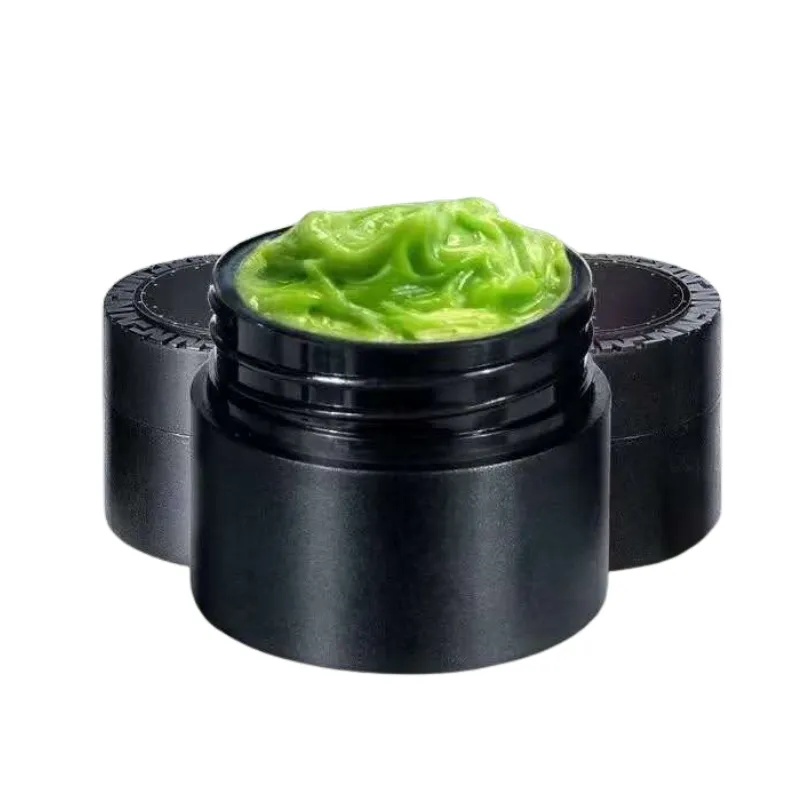
Three storage habits that quietly destroy remover potency.
Leaving the Cap Off Between Clients
Every second the bottle stays open, solvent vapors escape and air moisture enters. Cream removers lose their smooth consistency. Gel formulas thicken into a paste that won’t spread evenly. If you’re a lash artist working back-to-back sets, that open cap sitting on the tray for 15 minutes between clients is slowly degrading the product. The clock starts ticking the moment the seal breaks.
The fix is simple: close the bottle immediately after each use. Even a 30-second gap between dipping and applying lets enough air in to accelerate evaporation. In a busy salon, a bottle left uncapped for an hour loses measurable solvent volume. That wasted remover adds up to roughly 25% of the bottle over a month — money you’re literally letting evaporate.
Storing Remover Next to Your Lash Glue Heater
This is the most common setup mistake seen in studios. The glue heater sits at 35–40°C to keep adhesive at working viscosity. If your remover bottle is within arm’s reach of that heater, it’s cooking. The active solvents in most lash glue removers start breaking down faster above 25°C. At 35°C, the degradation rate roughly doubles.
Move the remover to a separate drawer or shelf at least 1 meter from any heat source. The ideal storage temperature for remover is 15–25°C (59–77°F). A cool, dark cabinet away from glue stations, direct sunlight, and curing adhesive heat will keep the formula stable for its full labeled shelf life. If you’re buying in bulk, store the backup bottles in a climate-controlled area — not under the sink near the hot water pipe.
Mixing Old and New Remover in the Same Bottle
It’s tempting to top off a half-empty bottle with fresh stock. Don’t. The old remover has already started degrading — its solvent concentration is lower, and it may have absorbed moisture from repeated opening. Mixing fresh remover into that contaminated base contaminates the new batch instantly. You end up with a bottle where the entire volume performs below spec.
Finish the old bottle completely before opening a new one. If you run a high-volume salon and need to keep multiple bottles in rotation, label each one with the opening date. Replace active stock every 3 months regardless of how much is left. That discipline alone prevents the gradual potency drop that artists often mistake for a bad batch.
How Factory Packaging Affects Longevity
The bottle you choose determines how long the remover stays usable.
The packaging of lash glue remover is not just branding. It directly controls how much air and moisture reach the formula. Once those two get in, the active solvents start breaking down. That is why the same remover formula can last 36 months in a factory-sealed nitrogen-flushed bottle, but only 12 months after a distributor repackages it into a cheaper container. Most lash artists never realize the drop-off happened until the remover stops working mid-service.
Air‑Tight Pumps vs Screw Caps
A screw cap looks secure, but every time you open it, the seal degrades. After a few dozen twists, the O-ring compresses, the threads wear, and ambient air seeps in. An air‑tight pump dispenser eliminates that cycle. The formula stays isolated from room air until the moment it leaves the nozzle. For a salon that goes through a bottle every two weeks, the difference is marginal. For a private label brand storing inventory for six months, the pump cap can extend usable life by 40% or more.
Bulk Bottles vs Single‑Use Sachets
Bulk bottles offer the lowest cost per milliliter, but they carry a hidden cost. Every time you open a 250ml bottle, the headspace fills with fresh air. Over a three-month active period, that repeated exposure accelerates solvent evaporation. Single‑use sachets eliminate that entirely. Each sachet is opened once, used, and discarded. The trade-off is higher per-unit cost and more packaging waste. For a high‑volume salon rotating through stock quickly, bulk bottles make sense. For a lash artist who uses remover sporadically, sachets prevent the frustration of a half‑empty bottle that has turned thick and useless.
Conclusion
The final 10% of remover management isn’t about the bottle — it’s about the environment around it. A factory-sealed container under nitrogen holds its chemistry for 36 months. But once that seal breaks, the clock starts ticking based on how you store it, not what the label says. The difference between a remover that lasts 12 months and one that lasts 3 months is often just a few feet of shelf space away from a glue heater.
- Store remover between 15–25°C — never refrigerate below 10°C.
- Replace active stock every 3 months after opening.
- Keep remover at least 3 feet from any glue heater or curing station.
If you’re evaluating a private label lash remover for your salon or brand, the packaging spec matters as much as the formula. Ask your supplier about nitrogen-sealed bulk containers and air-tight pump dispensers before committing to a bottle design. Review the bulk lash remover packaging shelf life options on the product page to compare how different container types affect your usable window.
Frequently Asked Questions
What is the shelf life of lash glue remover?
Unopened cream remover lasts 12–18 months, gel 18–24 months, and liquid only 6–12 months due to faster solvent evaporation. After opening, replace active stock every 3 months for best performance. Always check the batch date on your factory order.
How should I store lash glue remover?
Store remover at 15–25°C (59–77°F) away from direct sunlight and heat sources. Do not refrigerate most formulas, as cold temperatures below 10°C can destabilize the solvent base. Keep the cap tightly sealed between uses.
Does lash glue remover expire after opening?
Yes, once opened, remover begins losing solvent potency and should be replaced every 3 months for active salon stock. Label each bottle with the opening date to track freshness. Discard any remover that thickens or changes odor.
Can I refrigerate lash glue remover?
No, refrigeration below 10°C can cause the solvent base in cream and gel removers to separate or crystallize. Room temperature storage at 15–25°C is the recommended standard for most formulations. Check your supplier’s storage guidelines for specific formulas.
What shortens the life of lash glue remover?
Leaving the cap off between clients, storing near curing lash glue, and mixing old with new remover all accelerate degradation. Heat from nearby adhesive curing can also break down the solvent faster. Use air-tight pump bottles for active salon use.