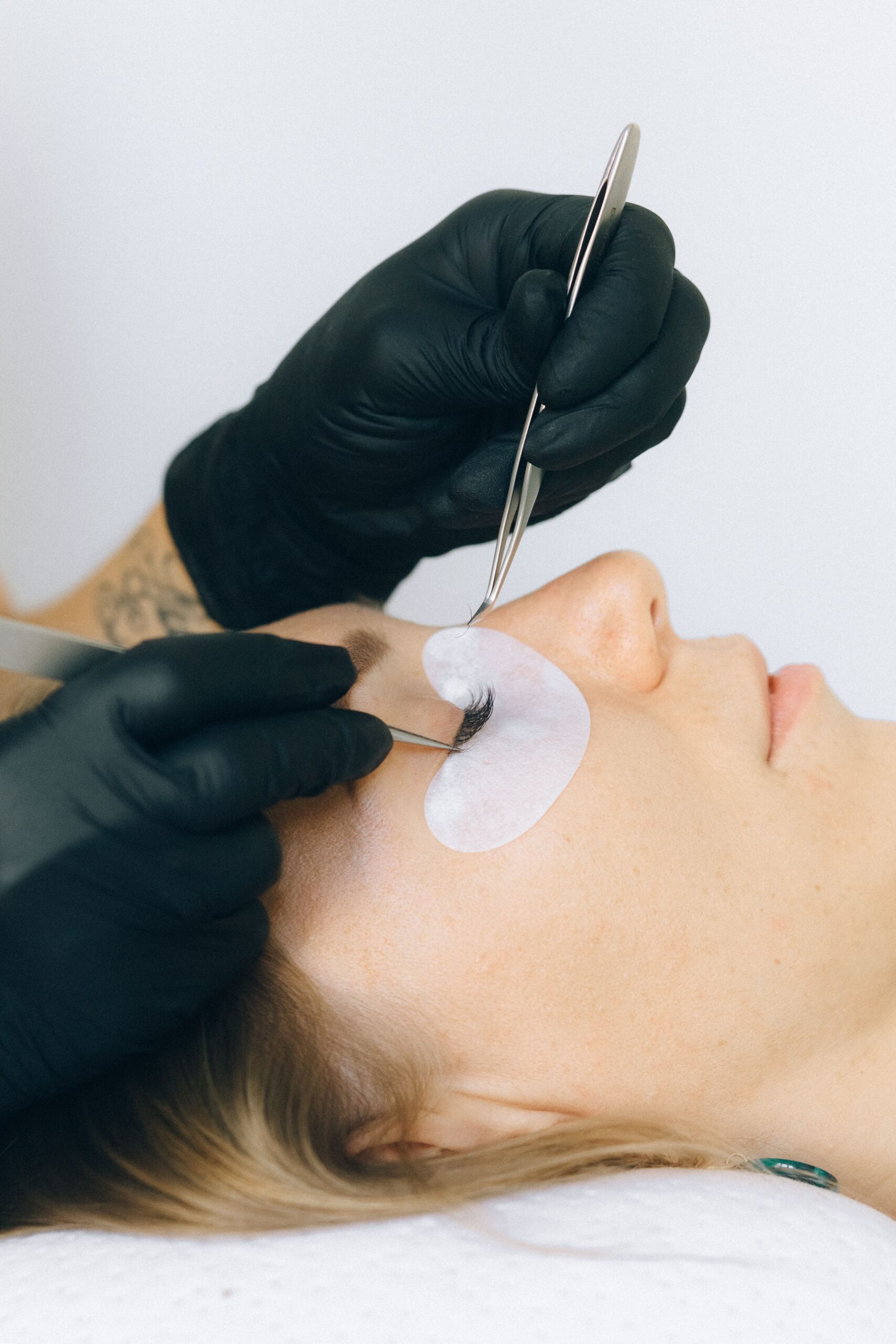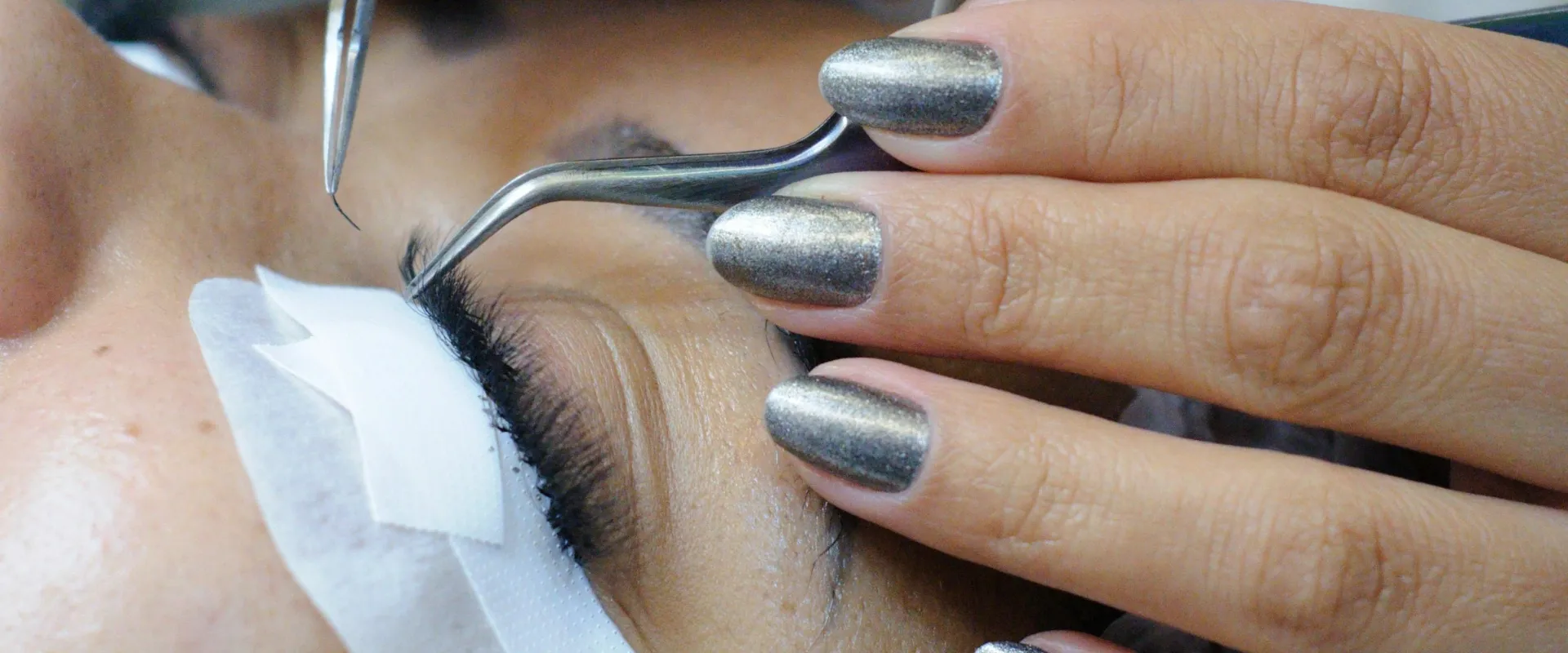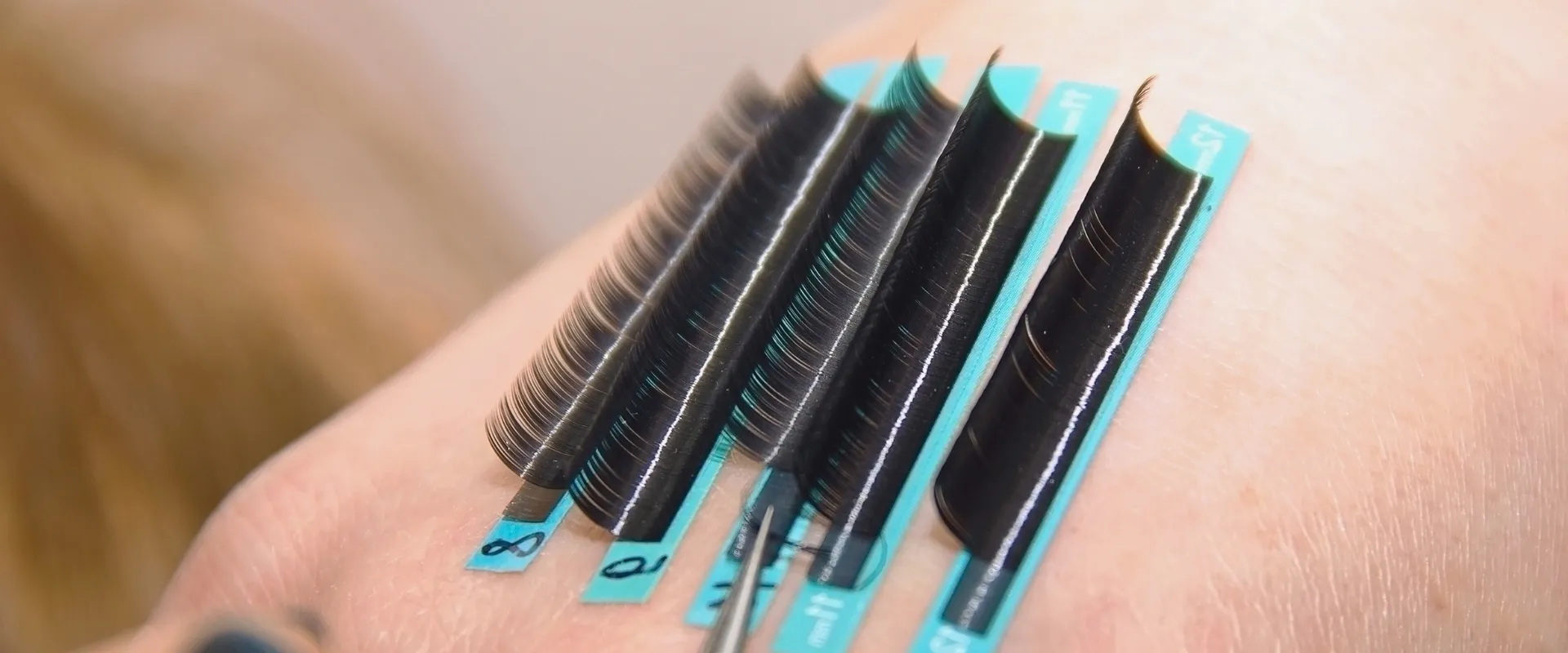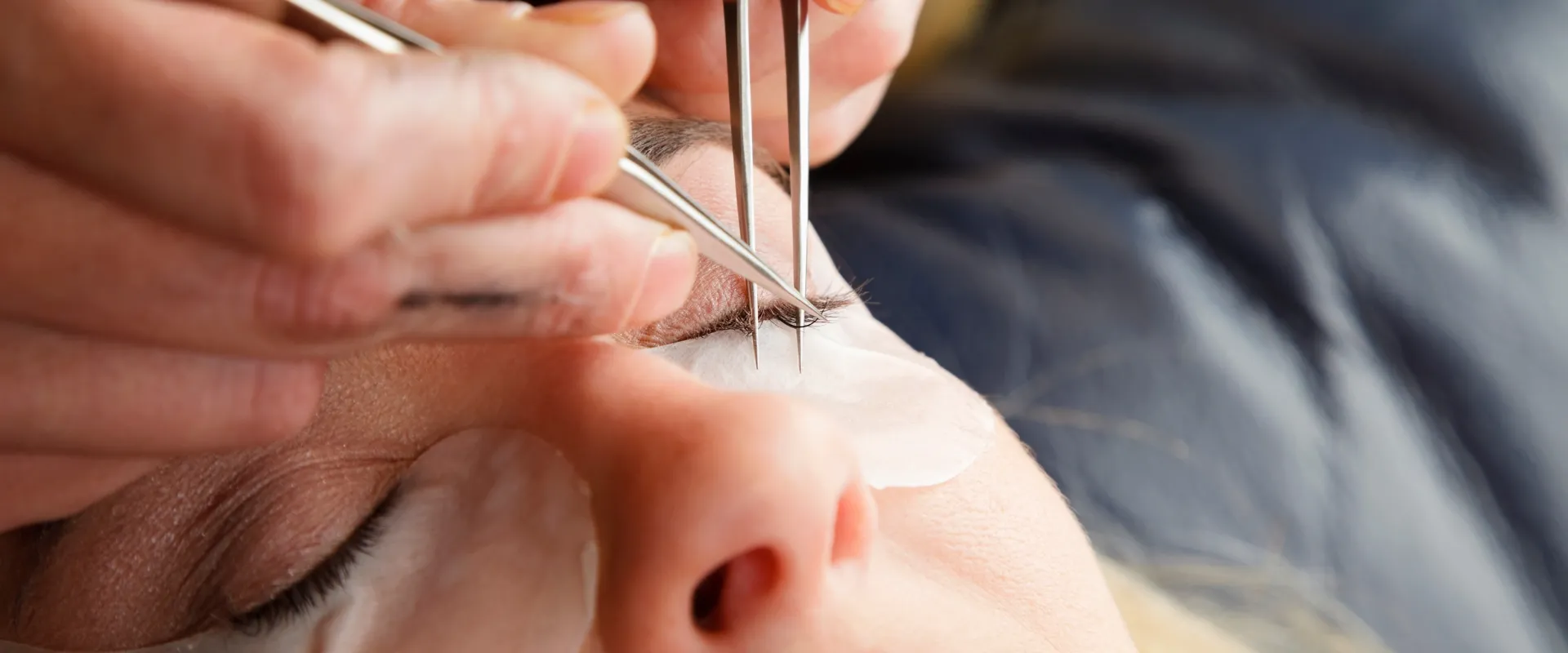


Selling a bottle with your label to another salon changes your role. Until that point, you are a salon owner buying a product. After the first invoice, you are the brand on the label, and your customer will look to you when something goes wrong. The factory may manufacture the glue, but it cannot absorb the responsibility that comes with your name. That does not mean you need a legal team before your first wholesale order. It means you need to know which duties transfer, which documents you should hold, and what you must confirm with the factory in writing.
The label makes you the responsible party
Regulators and customers follow the label. If your salon name, your brand name, or your company address appears on the bottle, you are the party they will contact. The FDA’s cosmetic labeling regulations in 21 CFR Part 701 ask for the name and place of business of the firm marketing the product. If you do not manufacture it, the label can say “Manufactured for” or “Distributed by” followed by your business name. That wording tells the customer who stands behind the product without pretending you own the factory.
This is the first mental shift. A private-label distributor is not a passive reseller. You choose the formula, approve the label, set the claims, and decide which salons receive which lot. Those choices create duties. The factory’s quality system supports you, but it does not replace your own release decision.
The second shift is documentation. When you bought glue for your own chairs, a missing certificate was an inconvenience. When you sell to other salons, the same missing certificate becomes a gap in your traceability. If a client reacts, the first questions will be which lot was used, what was in it, and who else received it. You need answers that do not depend on the factory’s inbox.
Five duties that start on the first sale
Not every obligation applies in every country, and the details depend on how the product is classified. The categories below are the ones a private-label lash glue seller should plan for before the first wholesale invoice.
1. Label accuracy and warnings
Your label has to identify the product, state the net quantity, list the ingredients as required, name the responsible business, and carry the warnings that fit the way the product is used. For a professional lash adhesive, that usually includes eye-contact warnings, skin-bonding warnings, ventilation guidance, storage instructions, and a clear statement that the product is for professional use where that is true. The label also has to match the formula and the SDS. A warning copied from another product is worse than no warning because it creates a false record.
Packaging is part of this duty. A bottle that leaks in transit, a cap that opens in a salon bag, or a carton without a lot code creates complaints that look like product failures. The article on emballage de colle à cils pour la vente au détail covers the label and pack details that salons and marketplaces check first.
2. Safety data sheet access
Lash adhesive is a chemical product. In workplaces, OSHA’s Hazard Communication Standard requires suppliers to provide safety data sheets and compliant labels for hazardous chemicals. Even where a salon is not a formal industrial workplace, professional users expect an SDS. You should know which SDS version applies to which formula, who wrote it, and how updates reach your customers. A shared SDS with another company’s name in Section 1 may be acceptable only if you have written permission and the document actually describes the product you sell. The article on private-label lash glue SDS naming explains why the name in Section 1 matters.
3. Adverse event intake
Someone has to answer the phone when a client reacts. That person may be you, a salon manager, or an answering service, but the process should be written before it is needed. Record the date, the product name, the lot code, the application details, the symptoms reported, and the advice given. Tell the factory the same day if the report involves a possible safety issue. Do not promise a medical outcome, do not admit fault, and do not offer a free refill as a substitute for an investigation. A calm, documented response protects the client and gives the factory something to trace.
4. Lot traceability and recall cooperation
You need to know which salons received which lot. That sounds obvious until you are selling to five or ten accounts and transferring stock between them. Keep a distribution record by lot, not just by product. If a factory recall or a quality hold arrives, you should be able to list the affected accounts and contact them the same day. The lot code on the unit, the carton, and your invoice should match. If they do not, fix the process before the next shipment.
FDA’s cosmetic recall guidance notes that most cosmetic recalls are voluntary and that lot numbering is not required by law for cosmetics. That does not make lot codes optional for a distributor. A voluntary recall is only possible if you can identify the affected units. The legal minimum is not the same as the operational minimum.
5. Claims you can support
Salons like simple claims: fastest, safest, longest-lasting, sensitive-eye friendly. Each of those words creates a substantiation burden. FDA does not preapprove cosmetic claims, but it expects them to be truthful and not misleading, and a claim that affects the structure or function of the body can push the product into drug territory. The practical rule is to describe what the product does in application terms you can document, and avoid absolute safety claims unless you have evidence for the finished formula. If the factory writes marketing copy for you, edit it before it reaches your label or website.
What the factory must confirm in writing
A purchase order tells the factory what to make. A quality agreement tells both sides how the product will be controlled. For a private-label lash glue seller, the second document is the one that prevents surprises.
Ask the factory to confirm the manufacturer of record and the facility where the lot will be made. If the factory uses a subcontractor for filling or packing, name that party too. Ask who authors the SDS, who updates it, and how you will be notified when the formula or the hazard classification changes. Ask for a batch record and a certificate of analysis for each lot, plus a retain sample policy. Ask who signs the release and who handles a recall outside normal office hours.
Change control deserves its own clause. A new raw material supplier, a new bottle, a new cap, or a small formula adjustment can change the product a salon receives. The agreement should require written notice before a change that affects the finished product, and it should say whether you get a validation batch before the change reaches your customers. Without that clause, you may learn about a change from a complaint.
Insurance and indemnity are commercial terms, not quality terms, but they belong in the same conversation. Ask for the factory’s certificate of insurance and read the product liability section. Ask what happens if a claim names both companies. Do not assume that a factory in another country will be easy to pursue. The time to discover a gap is before the first pallet, not after a client reaction.
If you sell to partner salons under a territory arrangement, put the territory and the channel rules in writing too. Who may sell the product, to whom, and on which platform? What happens if a salon wants to buy directly from the factory? A simple channel policy prevents the awkward conversation that starts when your best account finds the factory’s website. The article on moving from wholesale stock to private label covers the transition from buying stock to owning a brand.
The partner-salon conversation
Your partner salons are not buying only glue. They are buying a product they can defend to their own clients. Give them a one-page product sheet with the product name, the lot code, the storage instructions, the patch-test guidance, the SDS request path, and the adverse-event contact. That page does more for trust than a long brochure about factory equipment.
Be clear about your role. You are the brand and the first point of contact. The factory is the manufacturer. If a salon contacts the factory directly, you lose control of the complaint record and the pricing conversation. A polite channel policy, repeated on the invoice and the product sheet, keeps the relationship clean without hiding where the product comes from.
Train the salons on the lot code. Show them where it is printed and ask them to write it on the client record when they open a new bottle. If a complaint arrives, the lot code turns a vague conversation into a specific investigation. It also helps the salon see that you take traceability seriously, which is a selling point in a category where many brands cannot answer basic questions.
Records to keep without building a bureaucracy
You do not need a quality department to keep a clean file. You need a consistent folder structure and a rule that nothing ships without the right documents.
- Purchase orders and approved label artwork, including the version date.
- The SDS version that applies to each formula, with the date it was received.
- The certificate of analysis and batch record summary for each lot.
- The retain sample confirmation, if the factory provides one.
- A distribution list by lot: which salon received how many units and when.
- A complaint log with the date, lot, symptom or defect, response, and factory follow-up.
- A change log for formula, packaging, and label revisions.
- A recall contact list for the factory and for your own accounts.
Keep the records at least as long as the shelf life plus the period in which a complaint could reasonably appear. If you are not sure, keep them longer. Digital folders are cheap; reconstructing a lot history from email is not.
Once a year, run a small recall drill. Pick one lot, pretend a salon reported a problem, and see how long it takes to list the affected accounts and locate the batch record. The drill will expose the weak link: a missing invoice, a code that was not recorded, or a salon that changed ownership. Fix that link before a real event.
Red flags before you sign
Some warning signs appear before the first order. The factory cannot name the person who releases a batch. The SDS is in another company’s name with no written authorization. The bottle has no lot code, or the code is printed only on the outer carton. The factory says it will “handle any complaint” but cannot describe the process. The label copy contains a safety claim that no one can substantiate. The factory resists a written change-control clause because “nothing ever changes.”
None of these is automatically a deal-breaker. Each is a question that deserves a specific answer. A factory that fixes the gap before the first order is easier to work with than one that promises to fix it later. A factory that cannot fix it is telling you what your first complaint will feel like.
What to Have in Place Before Your First Wholesale Invoice
The first sale to a partner salon is the moment your brand becomes responsible for the product in a new way. You do not have to become a manufacturer. You do have to know the label, hold the SDS, record the lot, answer the complaint, and keep the distribution list. The factory supplies the product and the batch evidence. You supply the release decision and the customer relationship.
Before the next invoice, write the one-page product sheet, confirm the factory contacts, and check that the lot code on your current stock matches the certificate on file. Those three actions will not answer every legal question, but they will turn a casual wholesale arrangement into a traceable one. That is the difference between selling glue and running a brand.